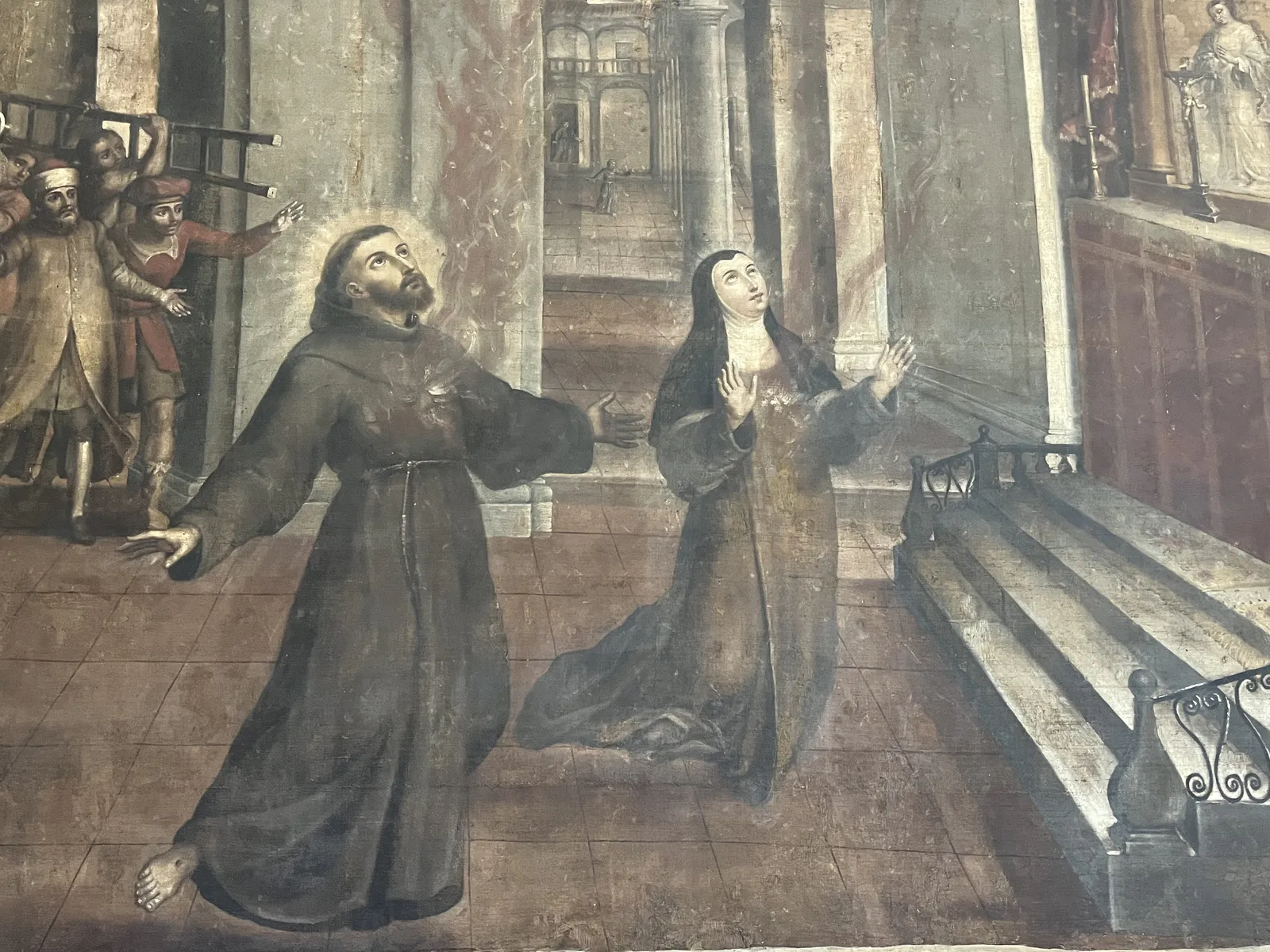
The Ecstasy of St Francis and St Clare of Assisi
This anonymous oil painting (c. 1650) from the Quito School belongs to a cycle on the life of St Francis but unusually includes St Clare. Both kneel in ecstatic prayer before the Eucharist, while armed figures and turmoil appear in the background. Clare, founder of the Second Franciscan Order, later received attributes such as the monstrance, mitred staff, and lily, highlighting her authority as a model of radical poverty and purity.
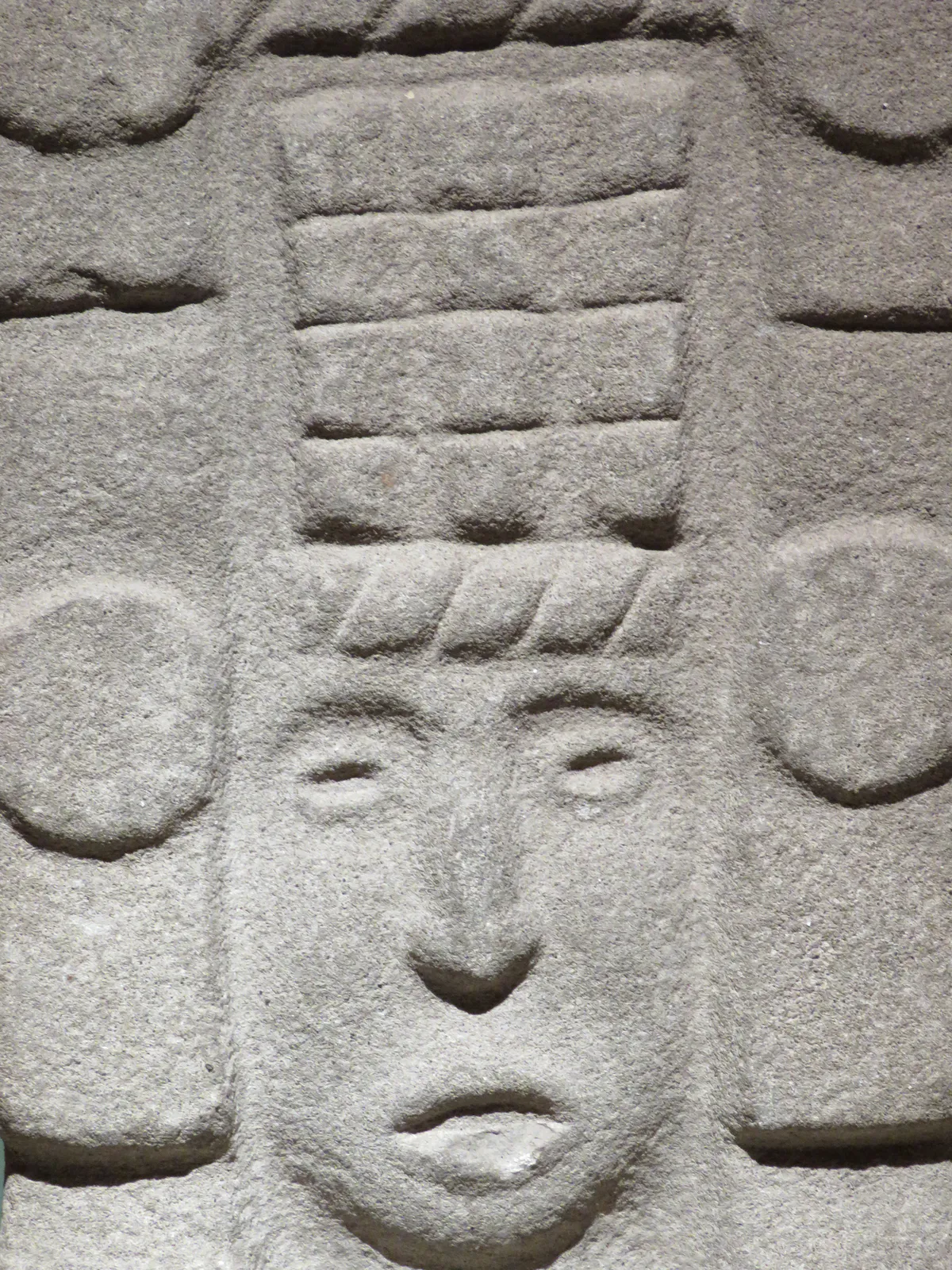
Stela of Xicomecoatl
This Mexica stela (15th–16th c.) depicts Xicomecoatl, the goddess of fertility and sustenance. Her stylized features and headdress emphasize divine power and the life-giving force of maize, central to Mexica cosmology. Such carvings linked ritual practice with the cycles of nature, affirming the bond between gods, people, and agricultural survival.
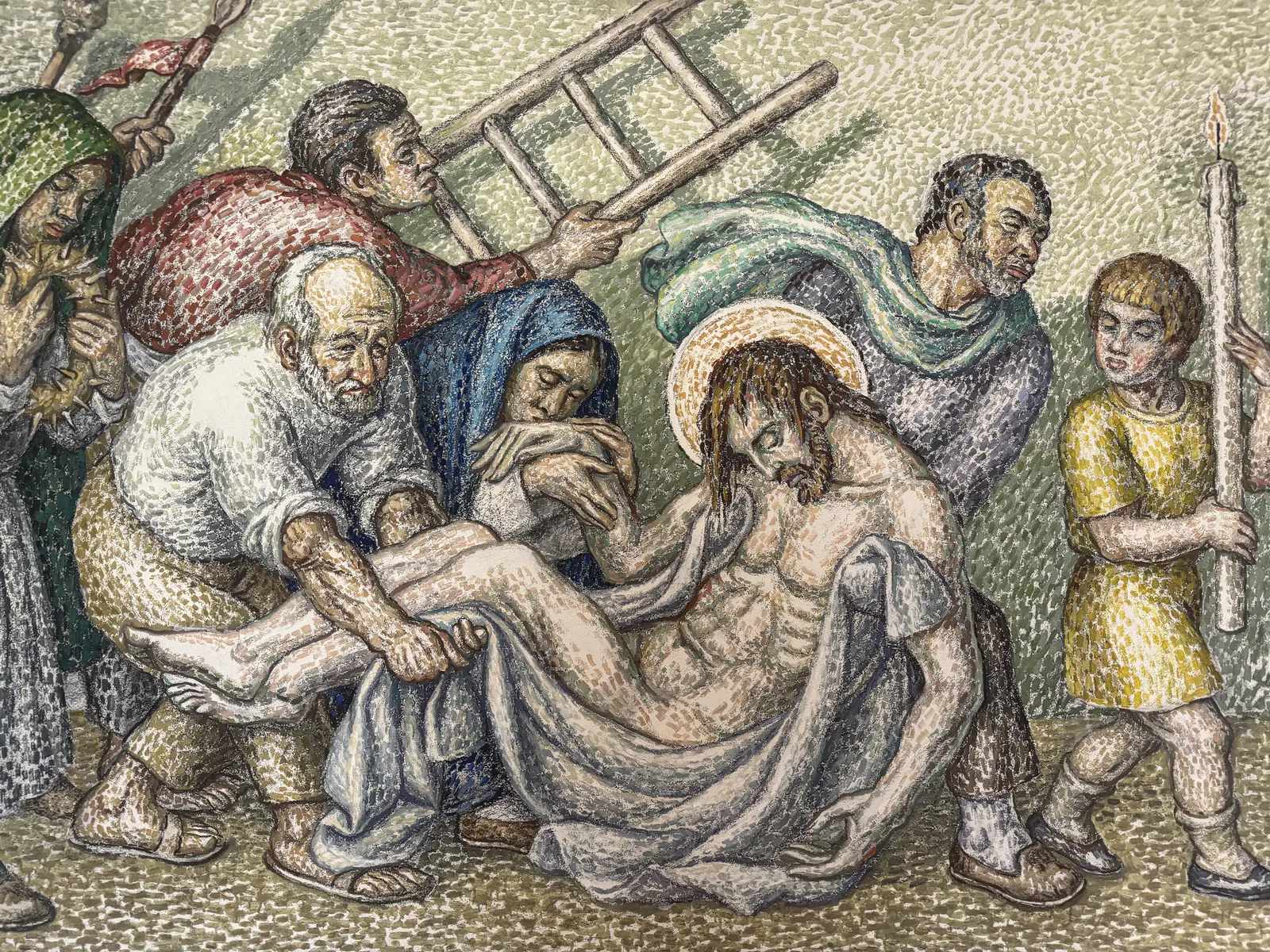
Descent from the Cross
Luis Alberto Acuña
Acuña (mid-1950s) renders the moment of Christ’s body being lowered from the cross with emotional gravity and communal sorrow. The composition emphasizes solidarity in grief, surrounding Christ with figures of all ages and backgrounds, reinforcing the universality of human suffering and compassion.
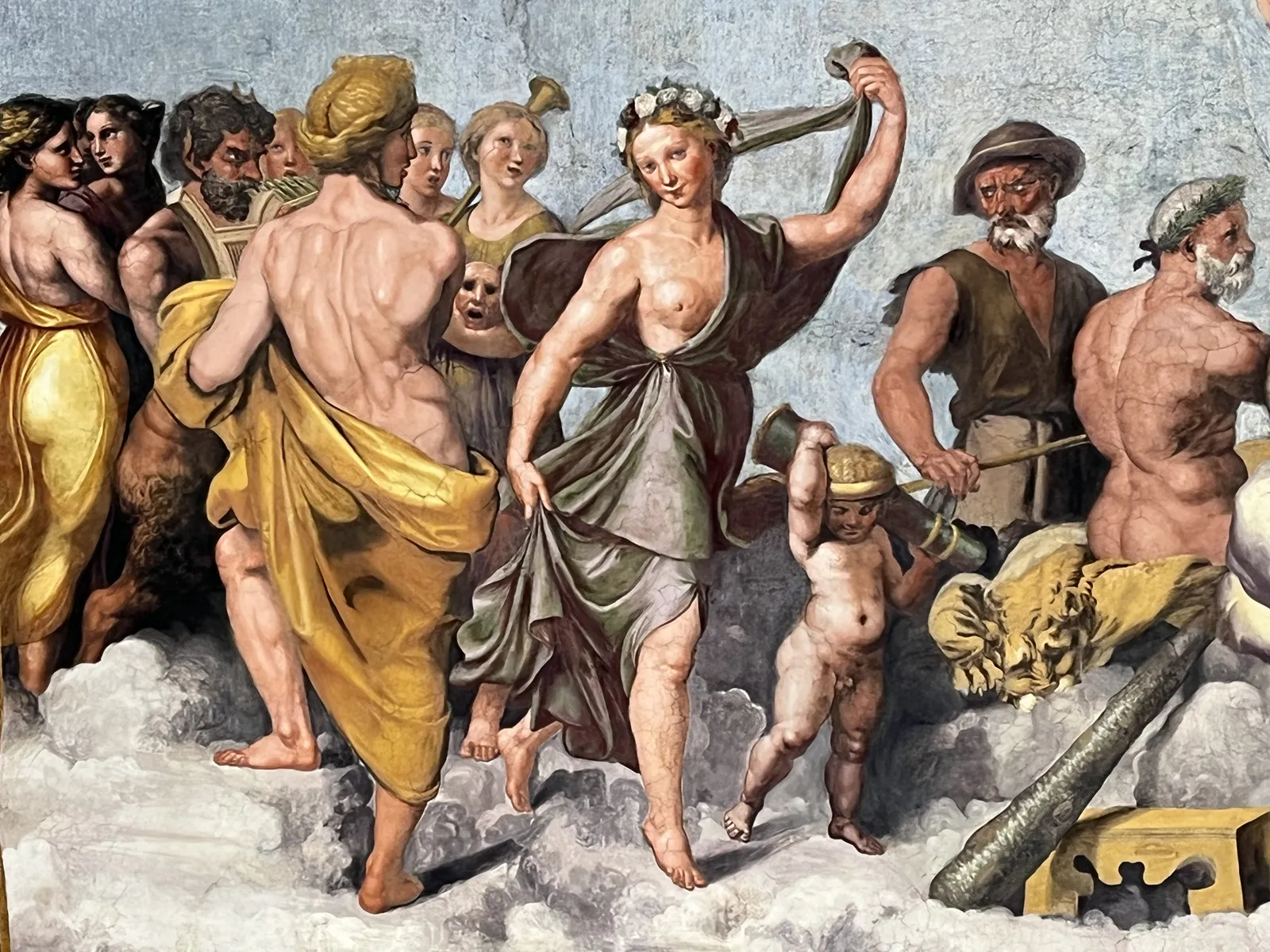
Dionysian Procession
Raphael
In this scene (1518), Raphael depicts Bacchus (Dionysus) leading a joyful procession of Maenads, Satyrs toward Cupid and Psyche’s wedding. The central Maenad, in ecstasy, embodies the Dionysian cult of revelry, blending divine intoxication with theatrical festivity.

Cernunnos
This iconic figure, interpreted as the Celtic god Cernunnos, sits cross-legged between a stag and various animals, holding a torc and a horned serpent. This Gundestrup Cauldron panel (150 BC and 1 AD) symbolizes nature, fertility, and transformation. The torc represents nobility and power; the serpent, rebirth and the chthonic world.
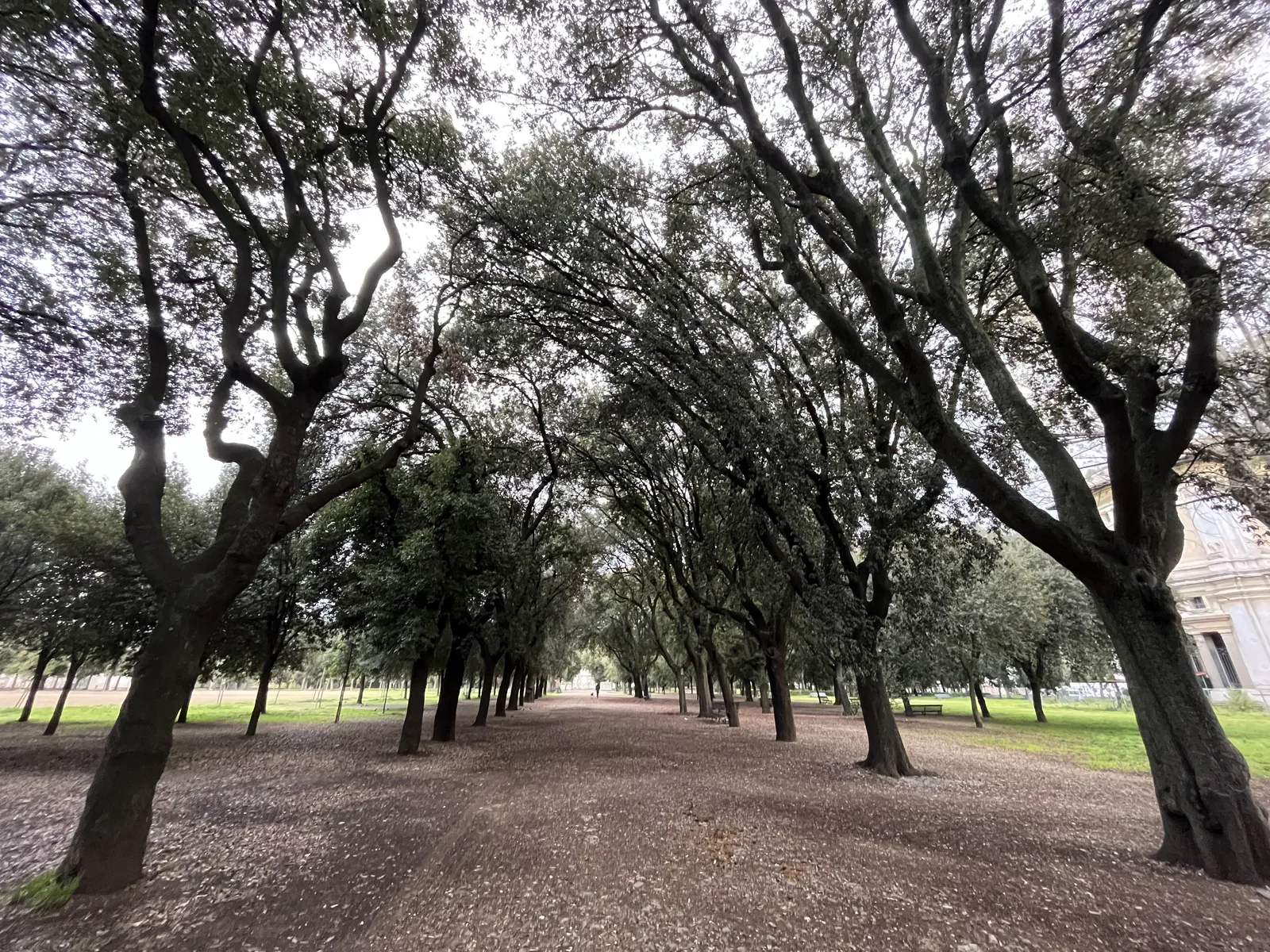
Shaded Promenade of Villa Borghese
This arched allée of evergreen oaks forms a shaded promenade within Villa Borghese’s extensive landscape. Such tree-lined paths, typical of formal Italian gardens, offered noble visitors a scenic route for strolling and carriage rides. The design reflects Enlightenment ideals of order, harmony, and cultivated nature.
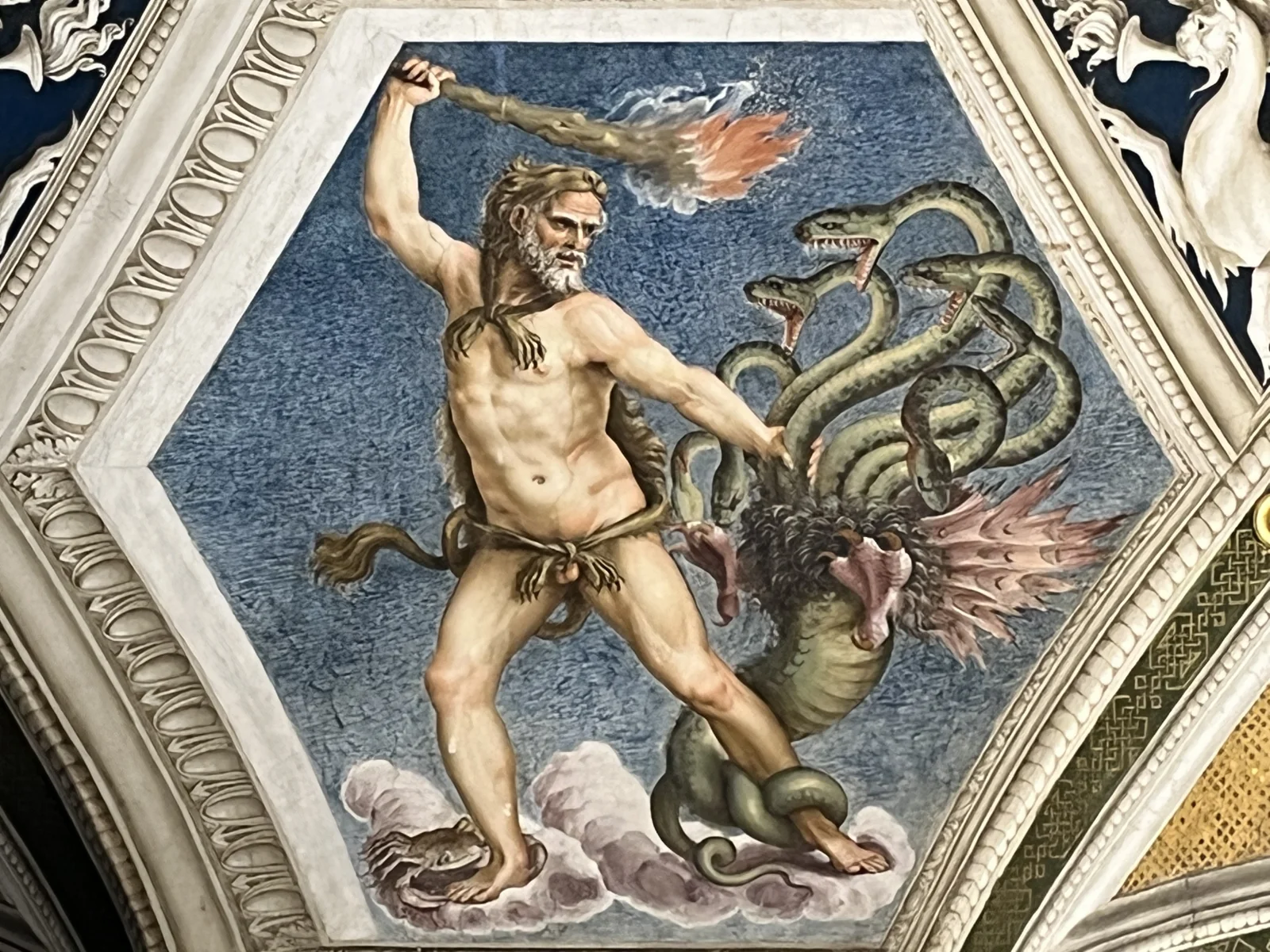
Hercules and the Hydra
Baldassarre Peruzzi
This ceiling fresco (c. 1510) in the Hall of the Perspectives shows Hercules battling the multi-headed Hydra. The creature symbolizes the zodiac sign Cancer, aligning with the room’s astrological theme. Peruzzi demonstrates heroic virtue triumphing over chaos and earthly temptation, reflecting Renaissance ideals of order and moral strength.
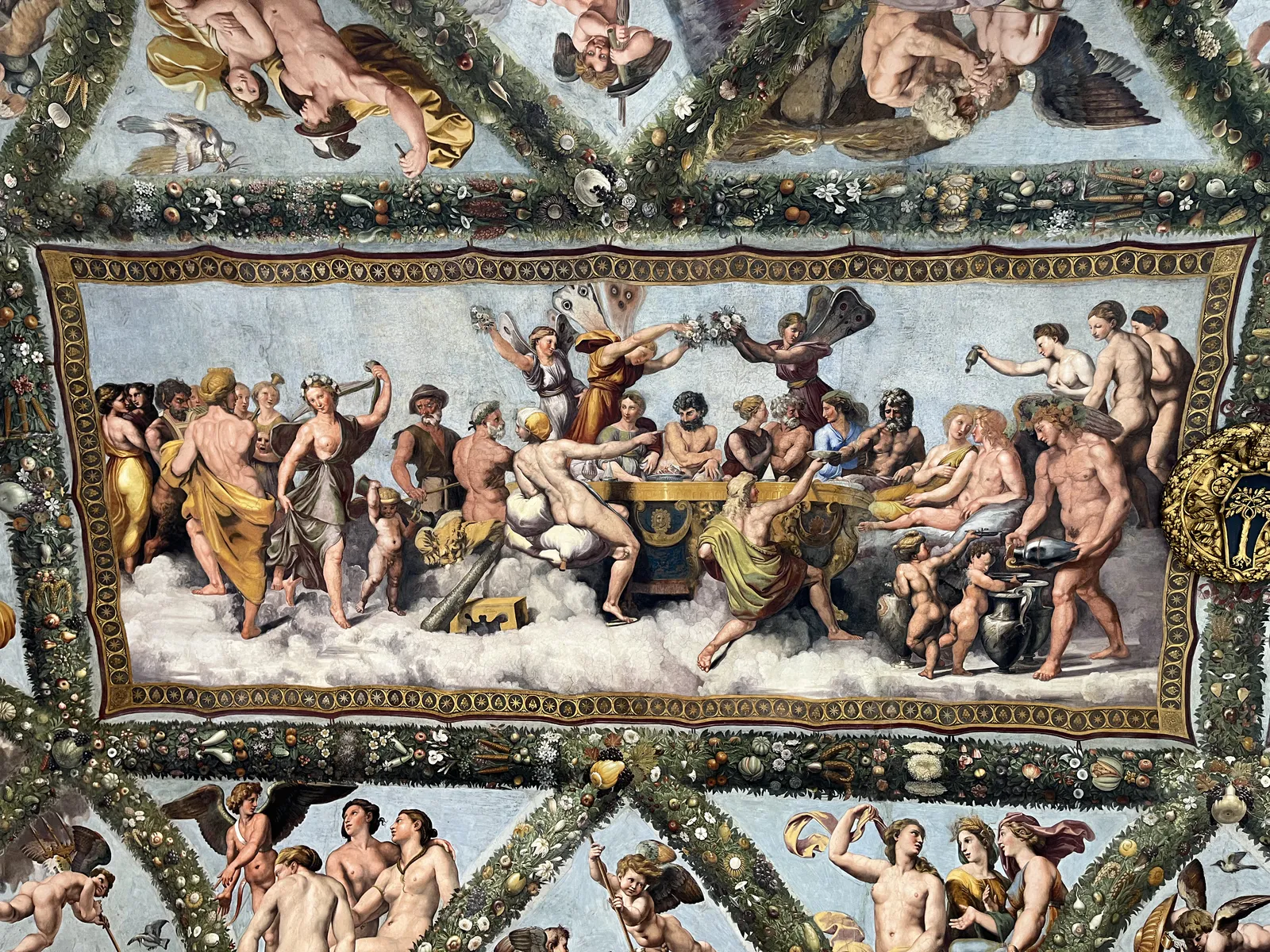
The Wedding Banquet of Cupid and Psyche
Raphael
In this grand fresco (1518), Raphael depicts the divine banquet celebrating the marriage of Cupid and Psyche. At the center, Jupiter and Juno preside; beside them sit Pluto, Persephone, Neptune, and Venus. Ganymede offers wine to Jupiter, while Bacchus (Dionysus), assisted by putti, pours wine at the right. The scene embodies divine harmony, joy, and the union of soul and love.
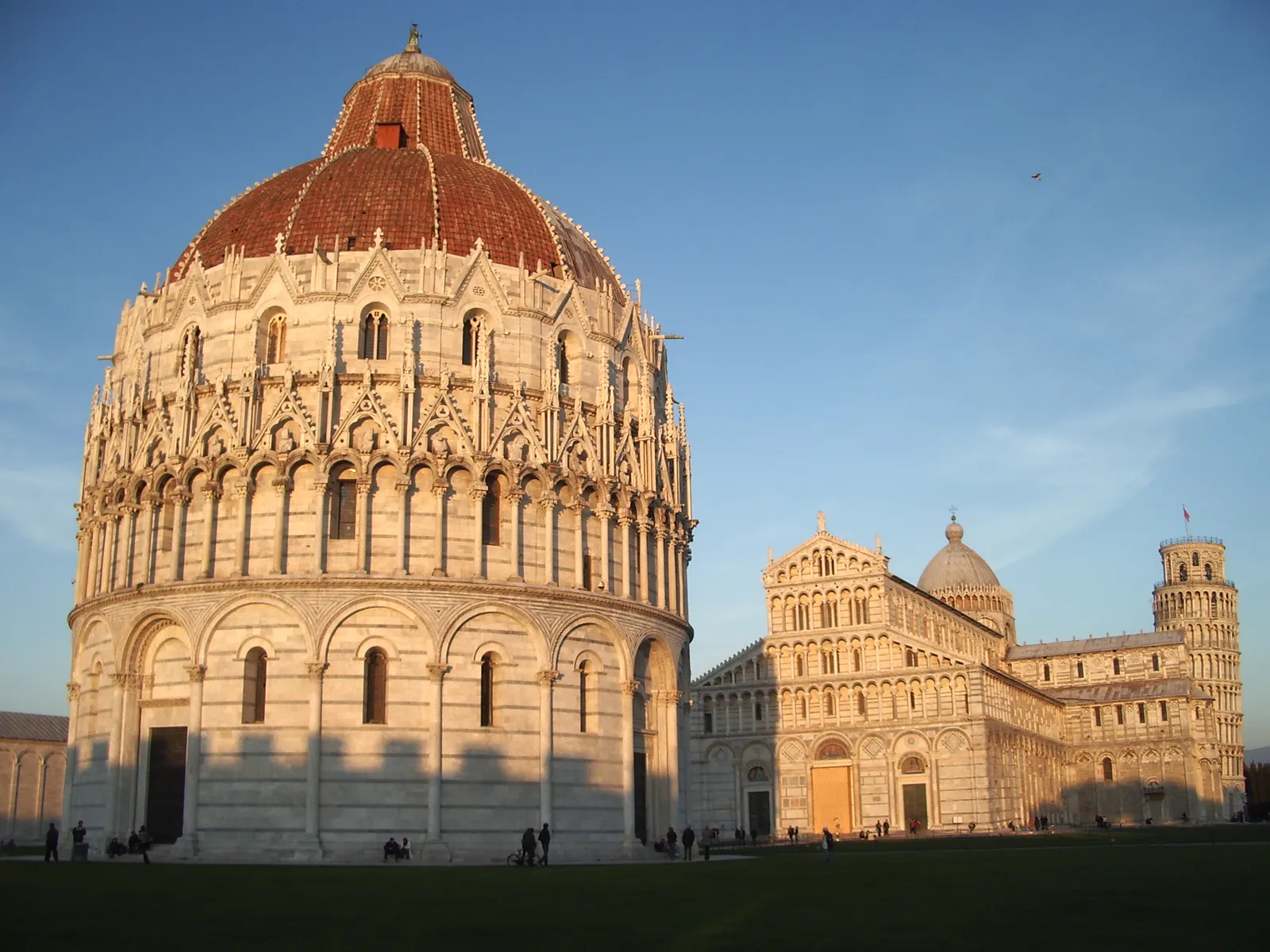
Piazza dei Miracoli at Sunset
The Baptistery, Cathedral, and Leaning Tower of Pisa glow in golden light, highlighting the harmony of Romanesque and Gothic forms. This ensemble (11th-14th-cc.) symbolizes Pisa’s medieval maritime power and artistic brilliance. It remains one of Europe’s most admired architectural achievements, demonstrating the city's historical significance and cultural impact.
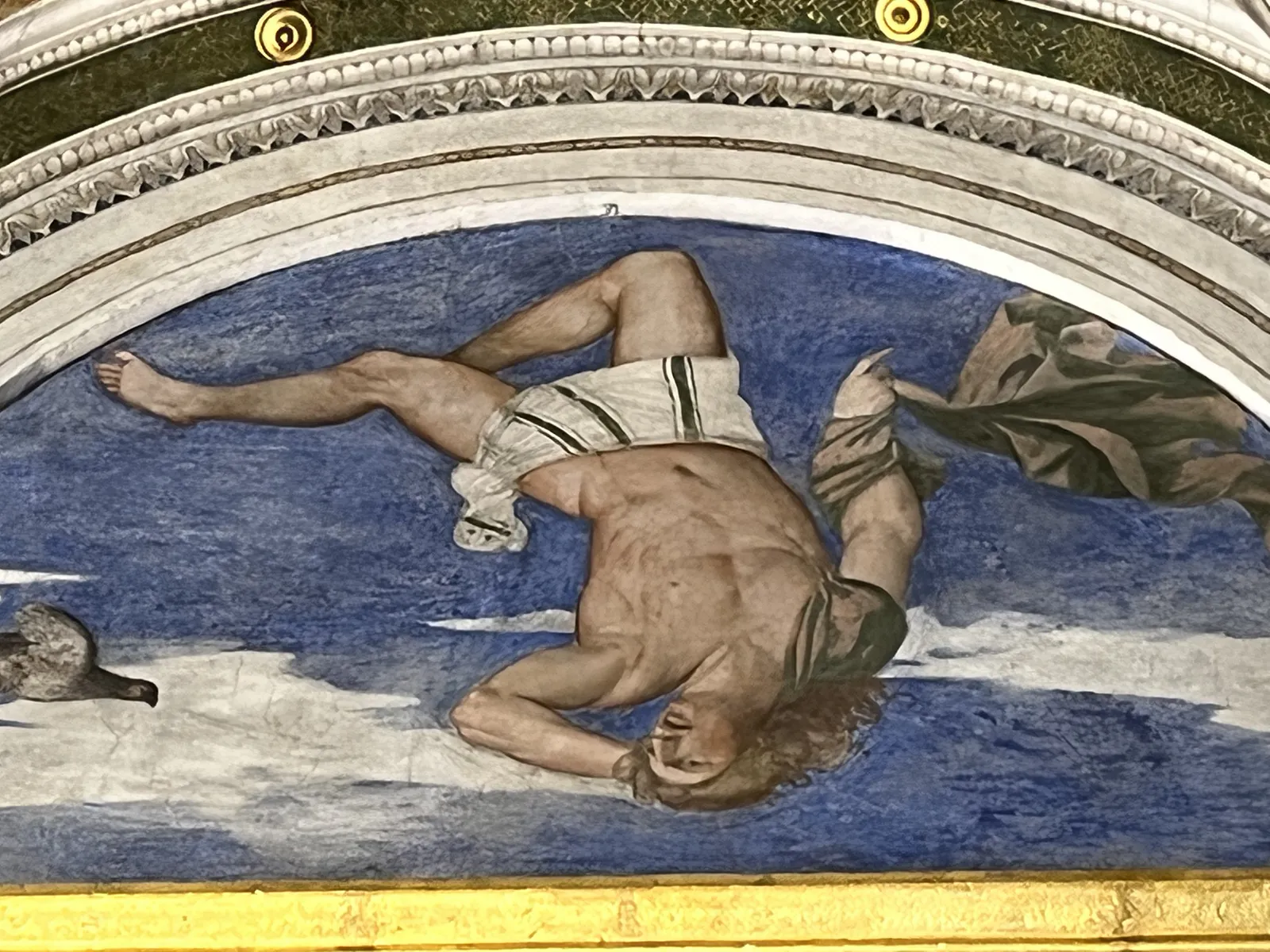
The Fall of Phaeton
Sebastiano del Piombo
This fragment (c. 1511) shows Phaeton falling from the sky after failing to control the sun chariot of his father Helios. To save the world, Zeus strikes him down. Part of Sebastiano del Piombo’s mythological cycle at Villa Farnesina, it complements Raphael’s Triumph of Galatea with a dramatic warning against hubris.
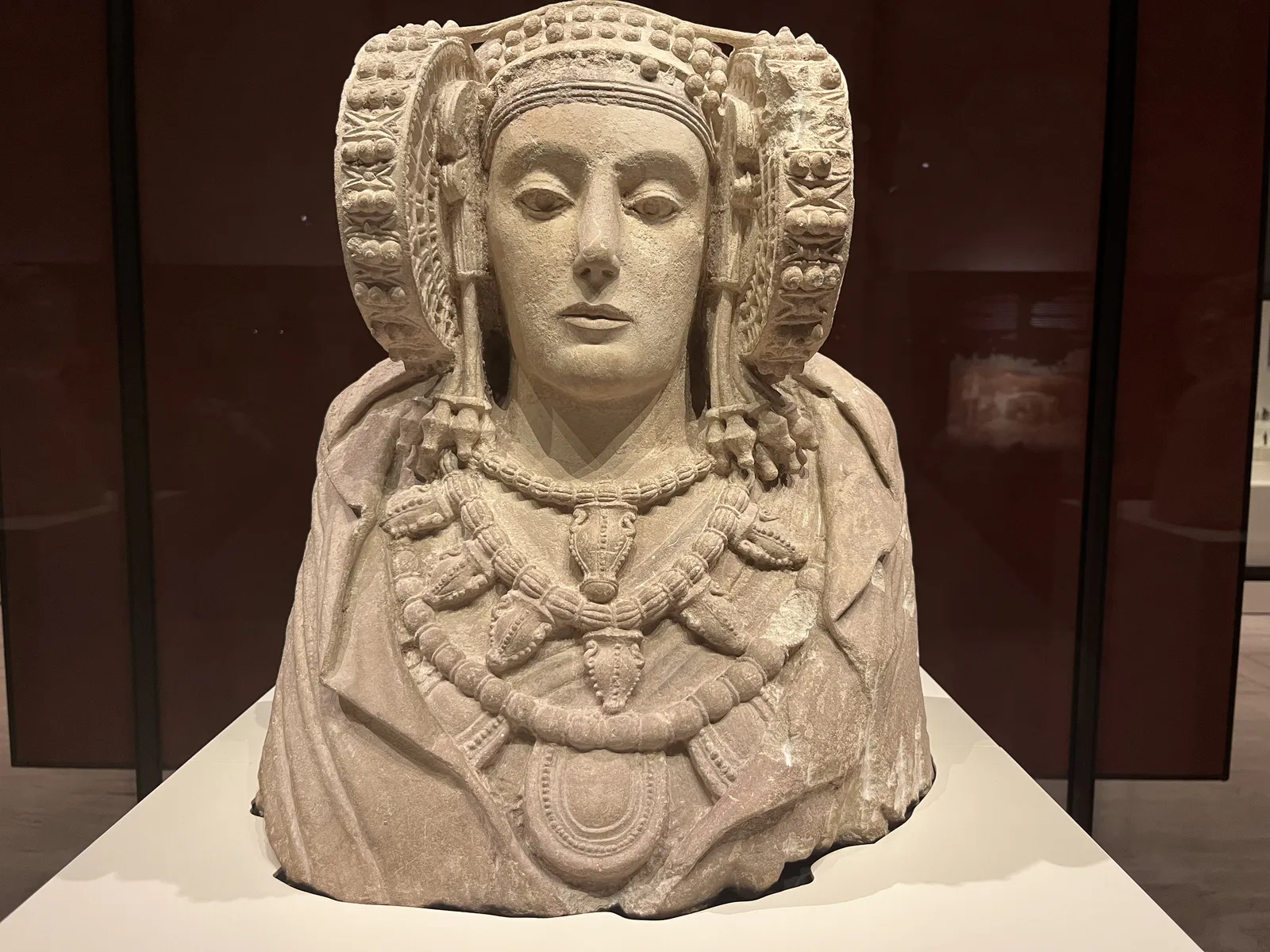
Lady of Elche
This Iberian limestone bust (4th c. BC), discovered in Elche in 1897, depicts an aristocratic woman, possibly honored as a deity. Its elaborate headdress reflects Mediterranean influences, while a rear cavity suggests use as a funerary urn. Traces of polychromy hint at its original vibrancy. Today, it endures as a symbol of Iberian culture and Spanish identity.
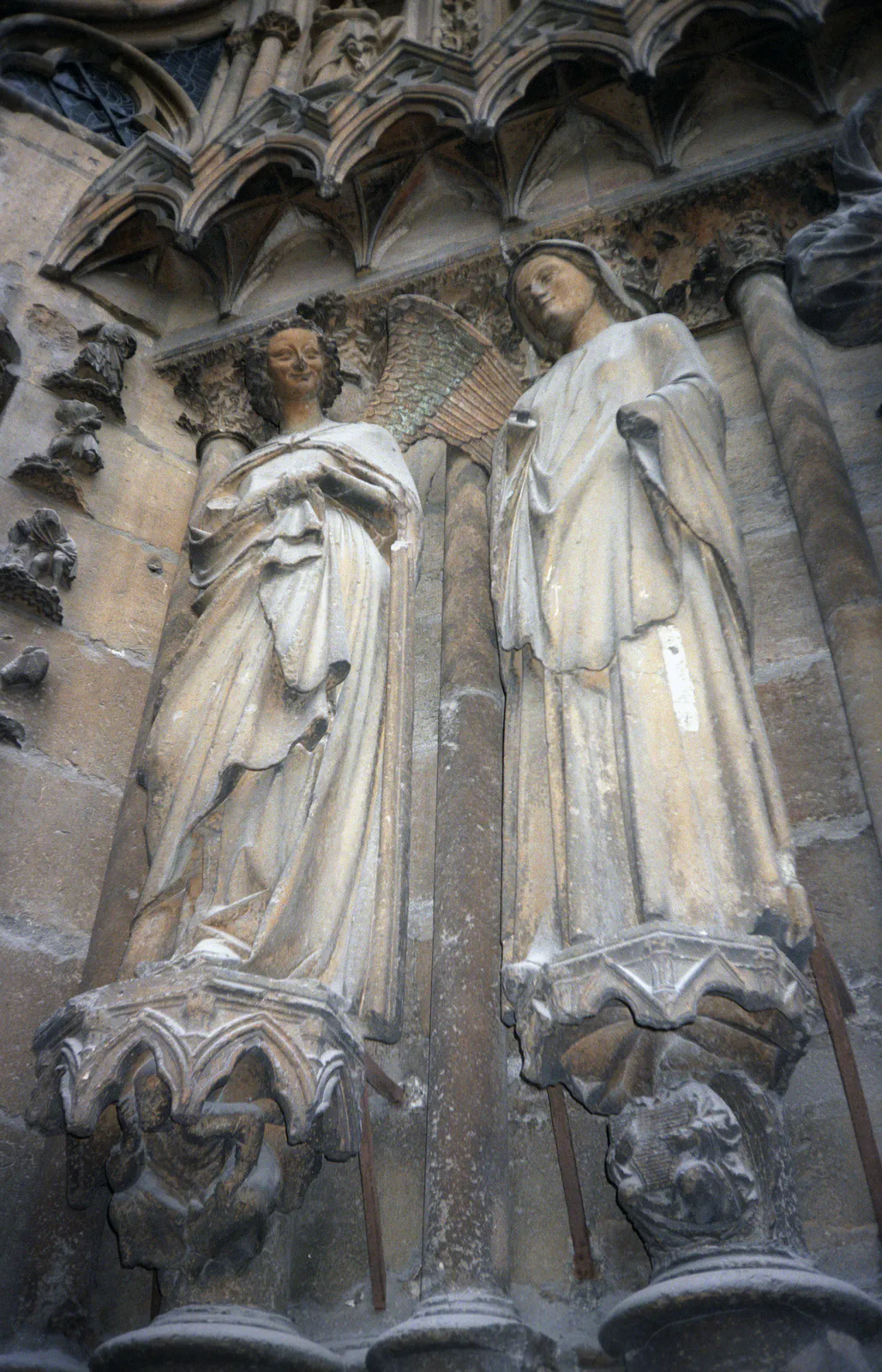
Smiling Angel and Virgin Mary
This pair of sculptures (13th c.) decorates the north portal. On the left, the famed Smiling Angel radiates warmth unusual in Gothic art. On the right stands the Virgin Mary, receiving the Annunciation with serene gravity. Damaged in World War I and later restored, the group illustrates the stylistic evolution of Gothic sculpture from solemnity toward greater human presence.
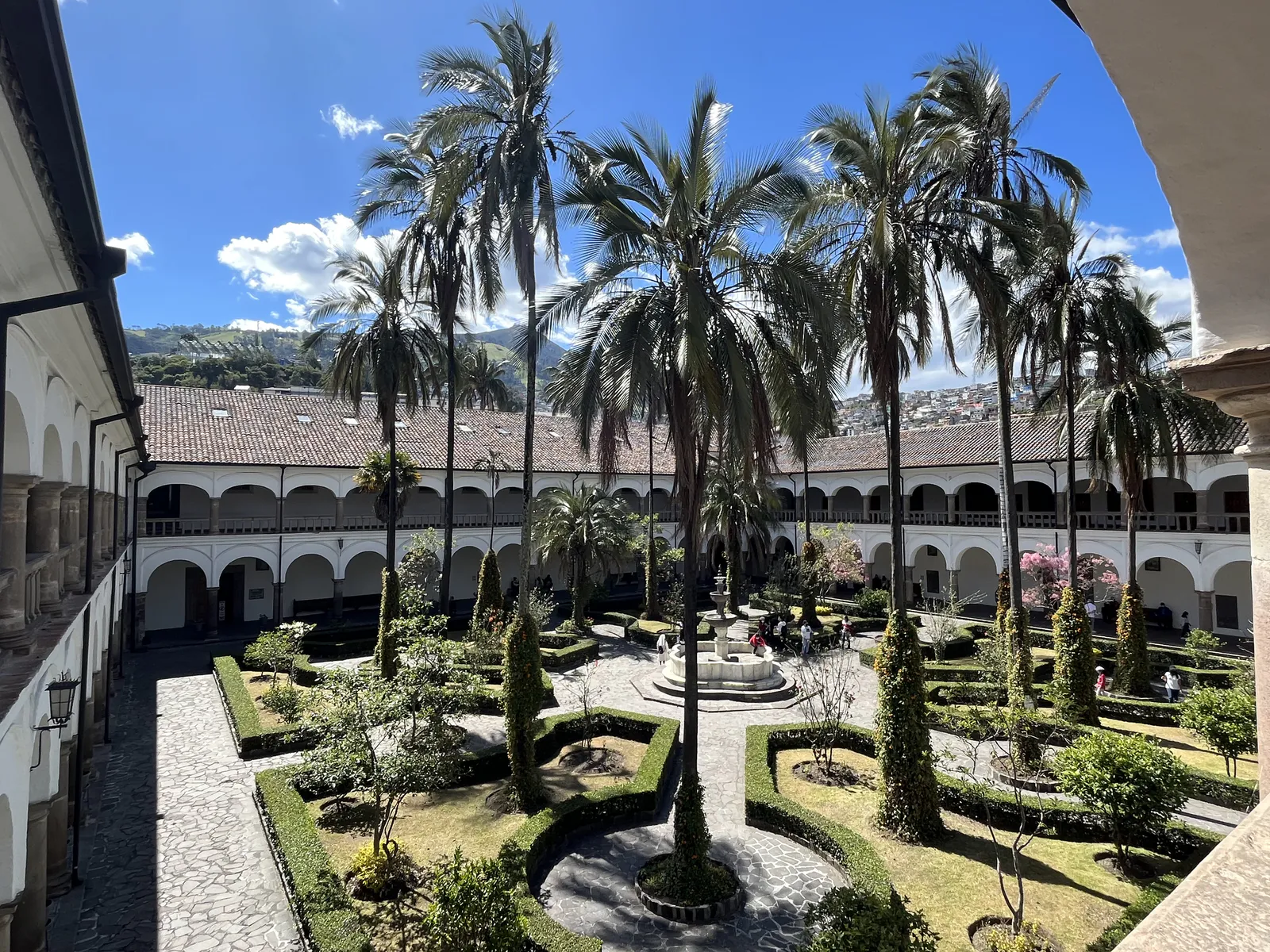
Main Cloister Garden, Convent of San Francisco
Laid out in the 16th c., this quadrangular garden served as the contemplative heart of the Franciscan convent in Quito. Palm trees soar over geometric boxwood paths and a central fountain, reflecting the fusion of European monastic design with Andean landscape. A living metaphor of Eden, it nourished both body and spirit.
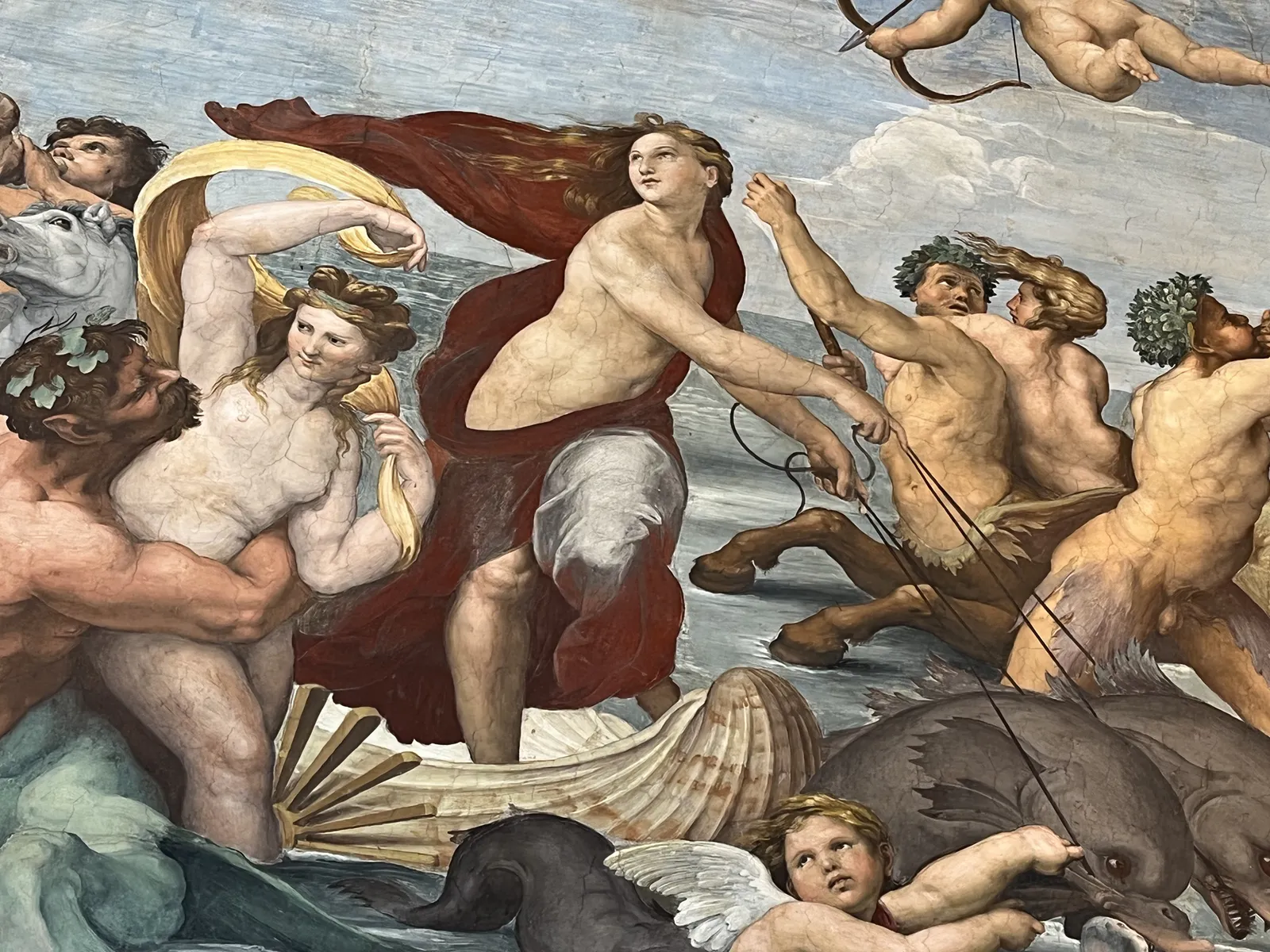
Triumph of Galatea (detail)
Workshop of Raphael
Painted by Raphael’s workshop (1511–12), this fragment depicts the sea nymph Galatea triumphantly riding a shell chariot, drawn by dolphins and surrounded by marine gods. Inspired by classical mythology, the scene celebrates ideal beauty, love, and movement, blending Renaissance harmony with dynamic mythological fantasy.
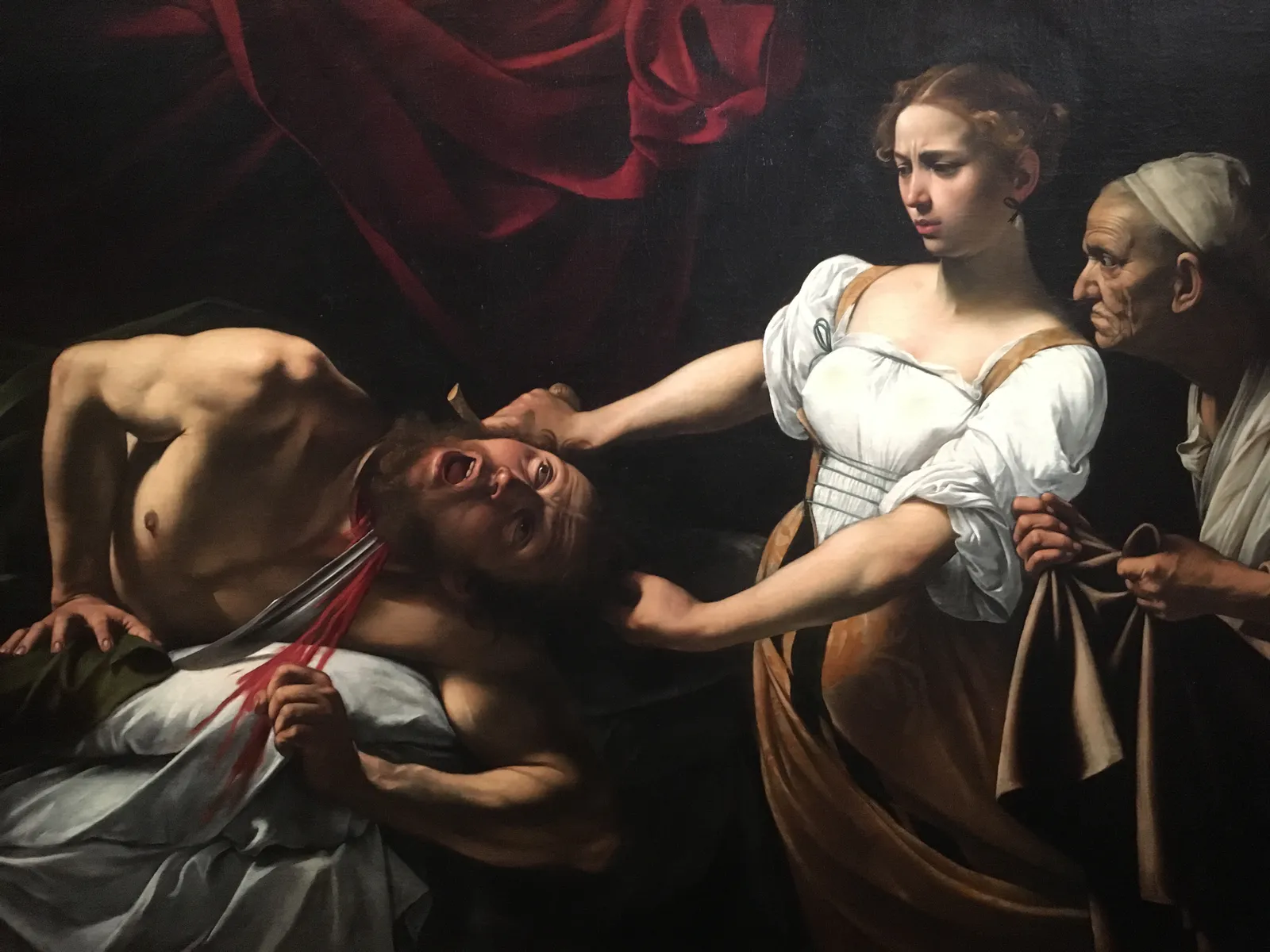
Judith Beheading Holofernes
Caravaggio
This canvas (c. 1599) painted in Rome embodies Caravaggio’s radical realism and theatrical chiaroscuro. Judith, a young widow, slays the Assyrian general Holofernes to save her people. Her calm determination contrasts with his violent death and the maid’s aged pragmatism. By staging sacred violence with unflinching naturalism, Caravaggio redefined biblical painting as a drama of human courage and divine justice.
Explore the world through my eyes: begin with the image below, the map, the dropdowns above, or the search button. Every photo includes a thoughtful caption.
Explore the world through my eyes: begin with the image below, the map, the dropdowns above, or the search button. Every photo includes a thoughtful caption.
When the path is beautiful, do not ask where it leads.
My travels have always been shaped by two intertwined forms of discovery. One is intellectual: learning why the world is the way it is. History became my guide, drawing me toward museums, old cities, architecture, and the layers of meaning carried by places. The other is emotional: the search for beauty, harmony, and moments of elevation, often found in nature, monasteries, and sacred spaces.
Together, these impulses shape how I travel, what I photograph, and how I interpret what I see. This site is my way of sharing that lifelong learning in visual form—one image at a time, with enough context to deepen curiosity and understanding. I hope these photographs leave you with a sense of wonder and a deeper feeling for the world.
Now let’s explore together.