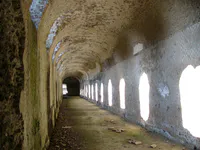
Cryptoporticus
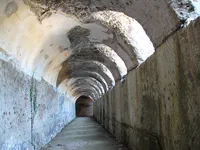
Cryptoporticus with Skylights
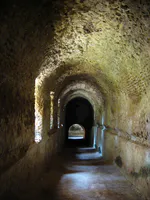
Cryptoporticus
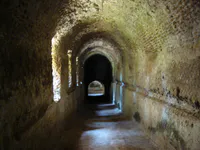
Ancient Roman Vaulted Corridor
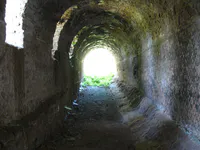
Service Passage
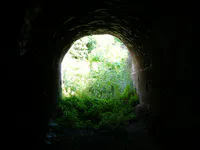
Exit of the Subterranean Passage
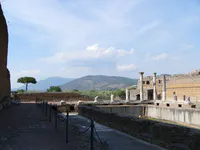
Maritime Theatre Complex
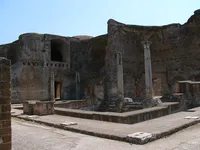
The Maritime Theatre
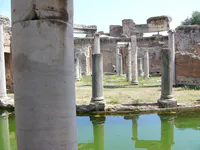
Maritime Theatre
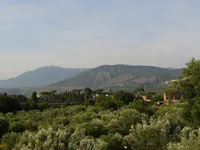
Landscape of Hadrian’s Villa
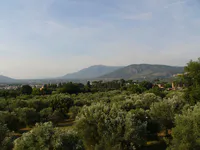
Landscape at Hadrian’s Villa
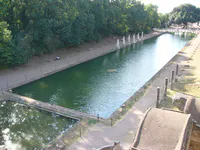
Canopus Pool Complex
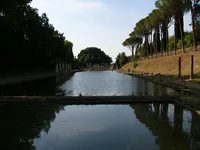
Canopus Pool Complex
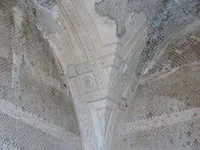
Decorative Coffered Ceiling Panel
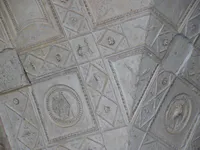
Coffered Ceiling Panel
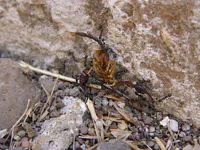
Ants Devouring a Scorpion
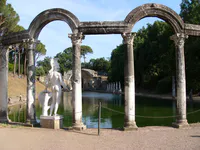
Hermes Statue at the Canopus
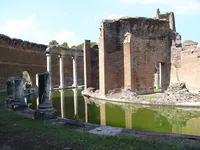
Canopus and Serapeum
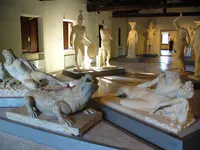
Nile and Tiber River Gods
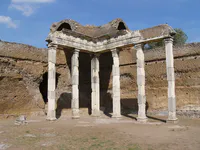
Temple Façade of the Piazza d’Oro
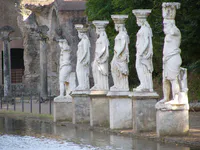
Caryatids and Silenus
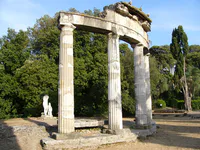
Circular Temple Ruin
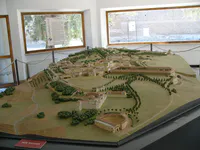
Model of Hadrian’s Villa
Tivoli
Tivoli, ancient Tibur, clings to the Tiburtine Hills above the Aniene River, where waterfalls and travertine made the town both defensible and desirable. Romans and later popes used it as a cooler counterpoint to Rome, and its landscape became a stage for power expressed through architecture and water. Hadrian’s Villa (2nd c.) spreads as an imperial microcosm, while Villa d’Este (16th c.) turns a cardinal’s ambition into fountains and frescoed rooms—together defining Tivoli’s wider image as a place where nature is disciplined into memory.
Explore by type and place