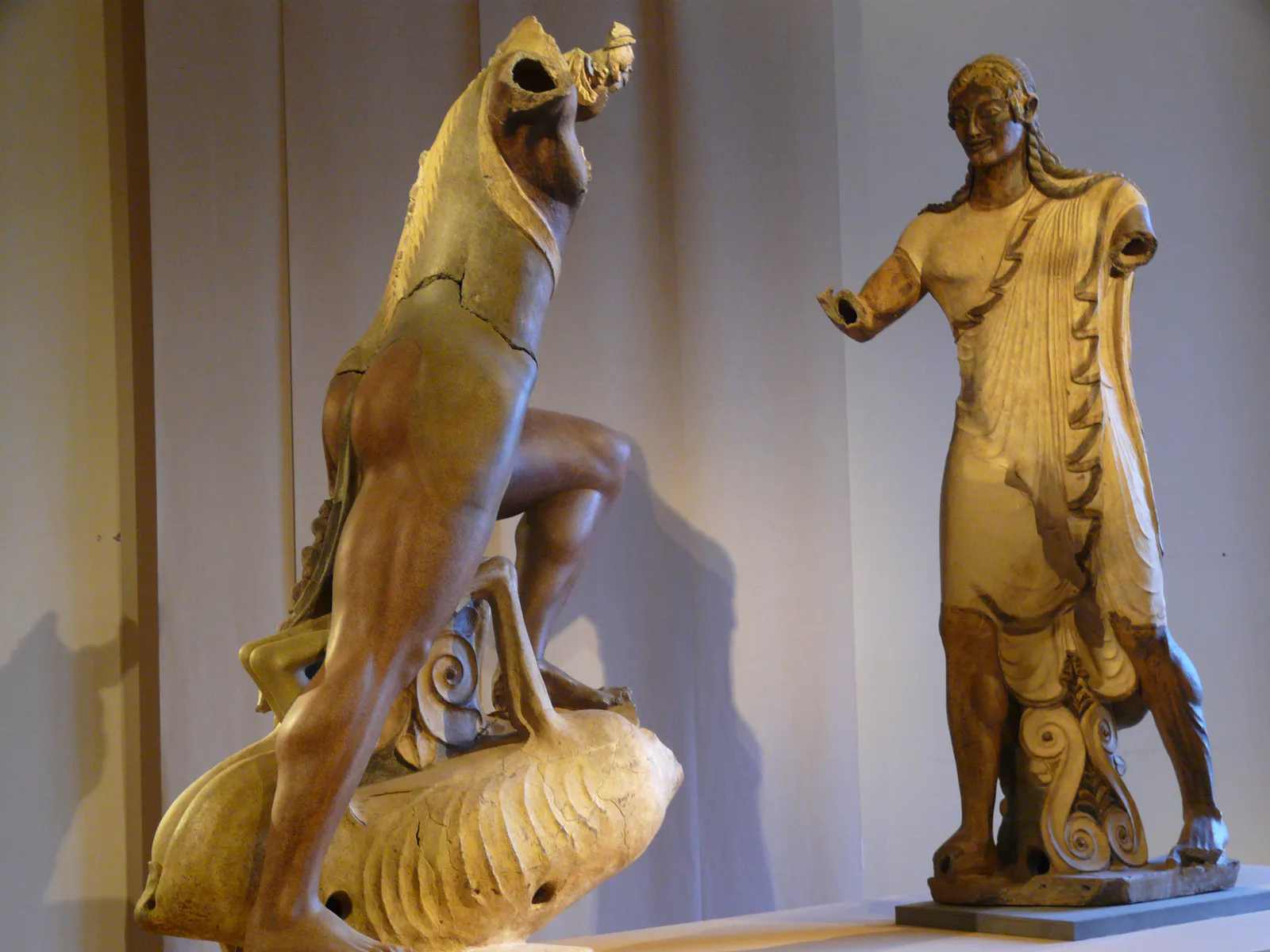
Etruscan Statues: Apollo and Hercules
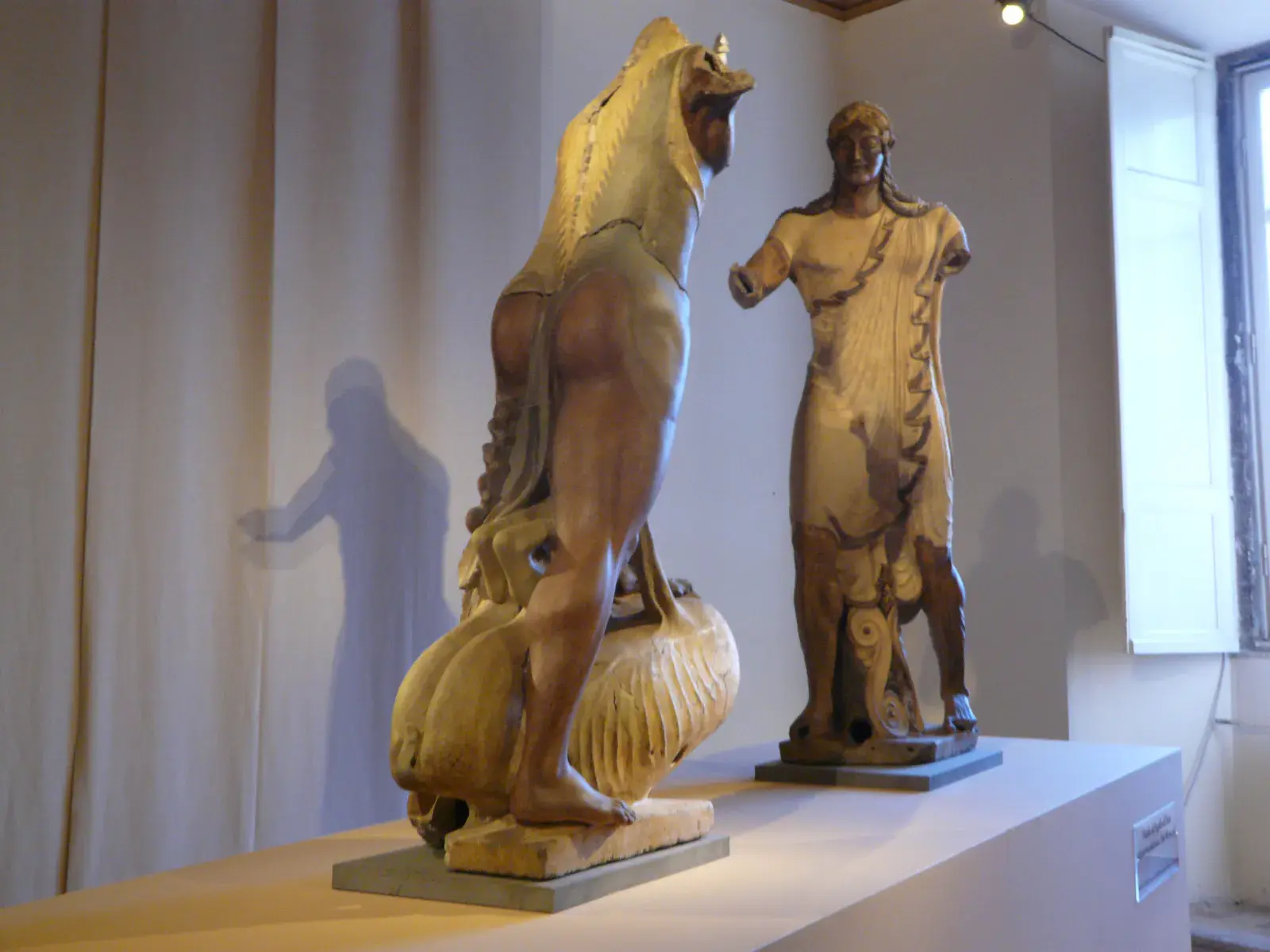
Apollo and Hercules
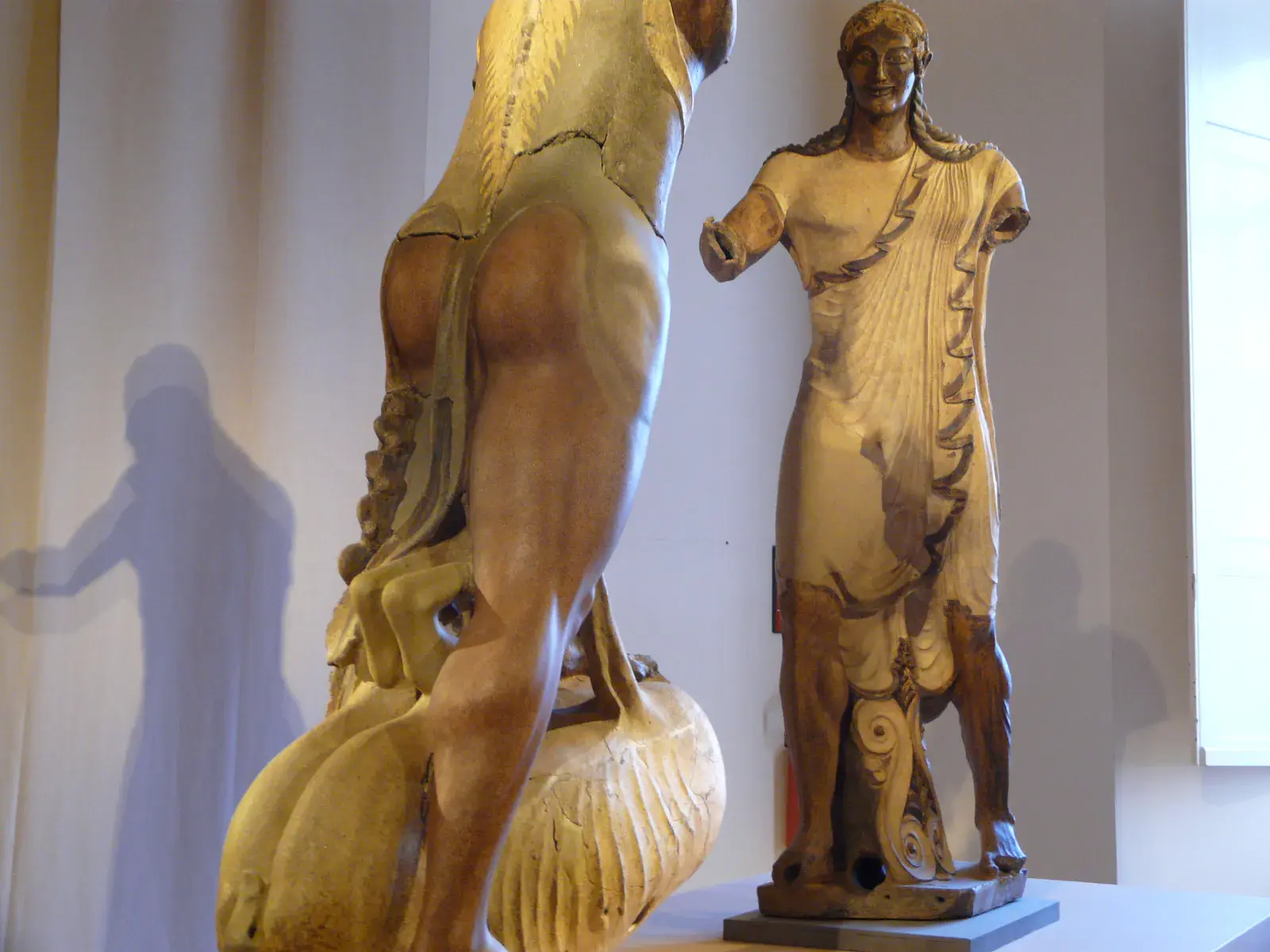
Etruscan Sculptures: Apollo and Hercules
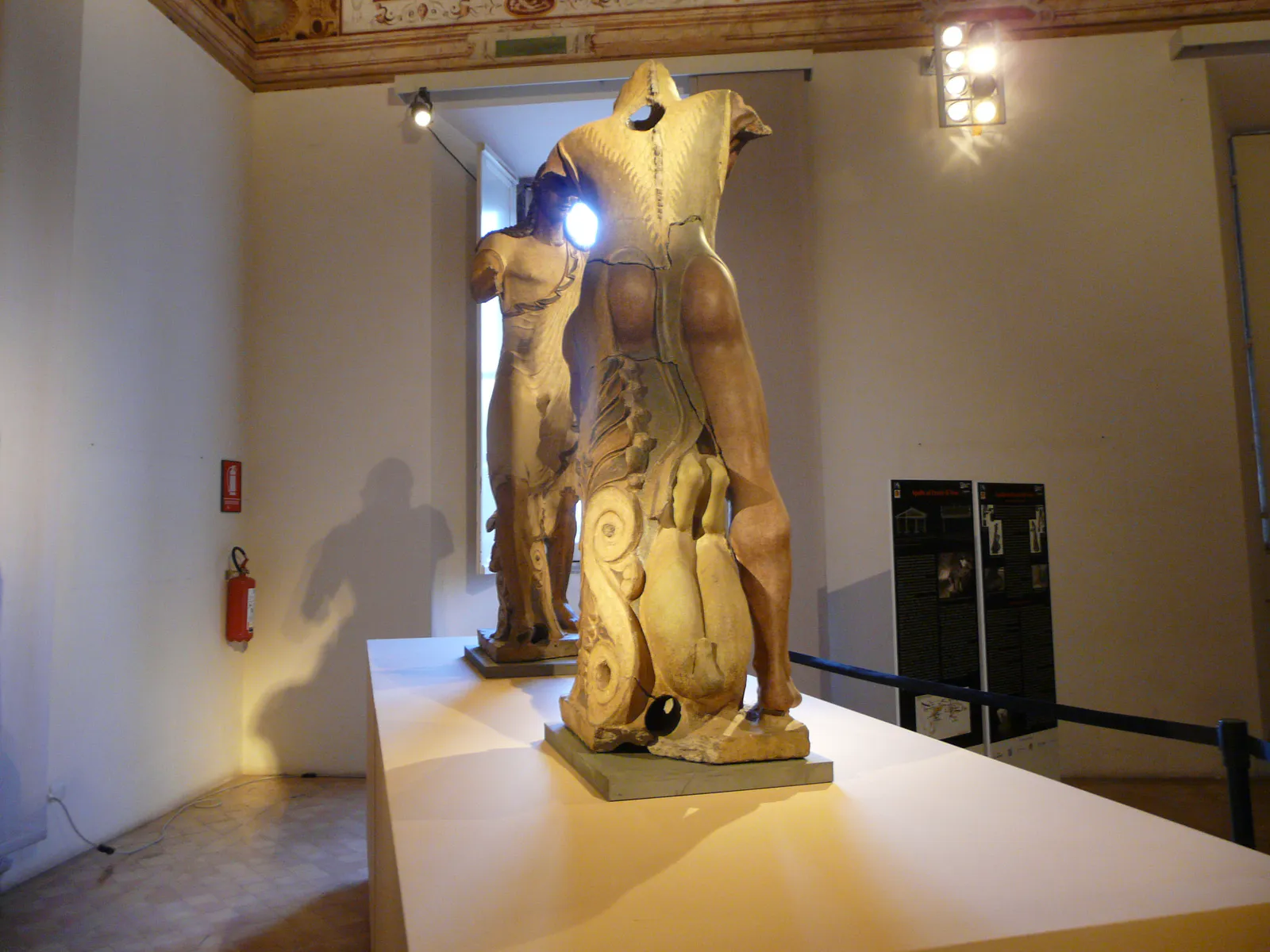
Etruscan Sculptures: Apollo and Hercules
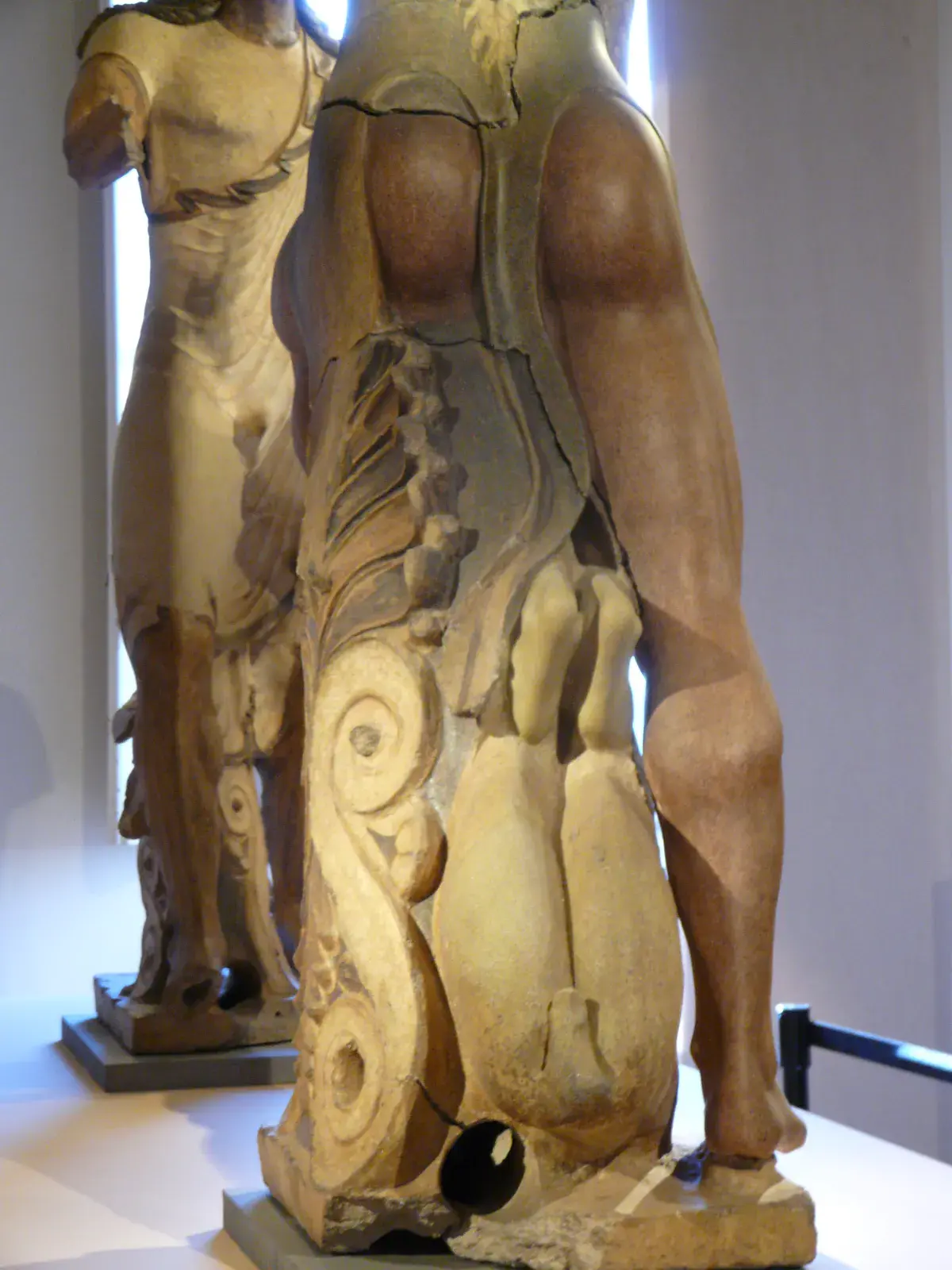
Etruscan Statues: Apollo and Hercules
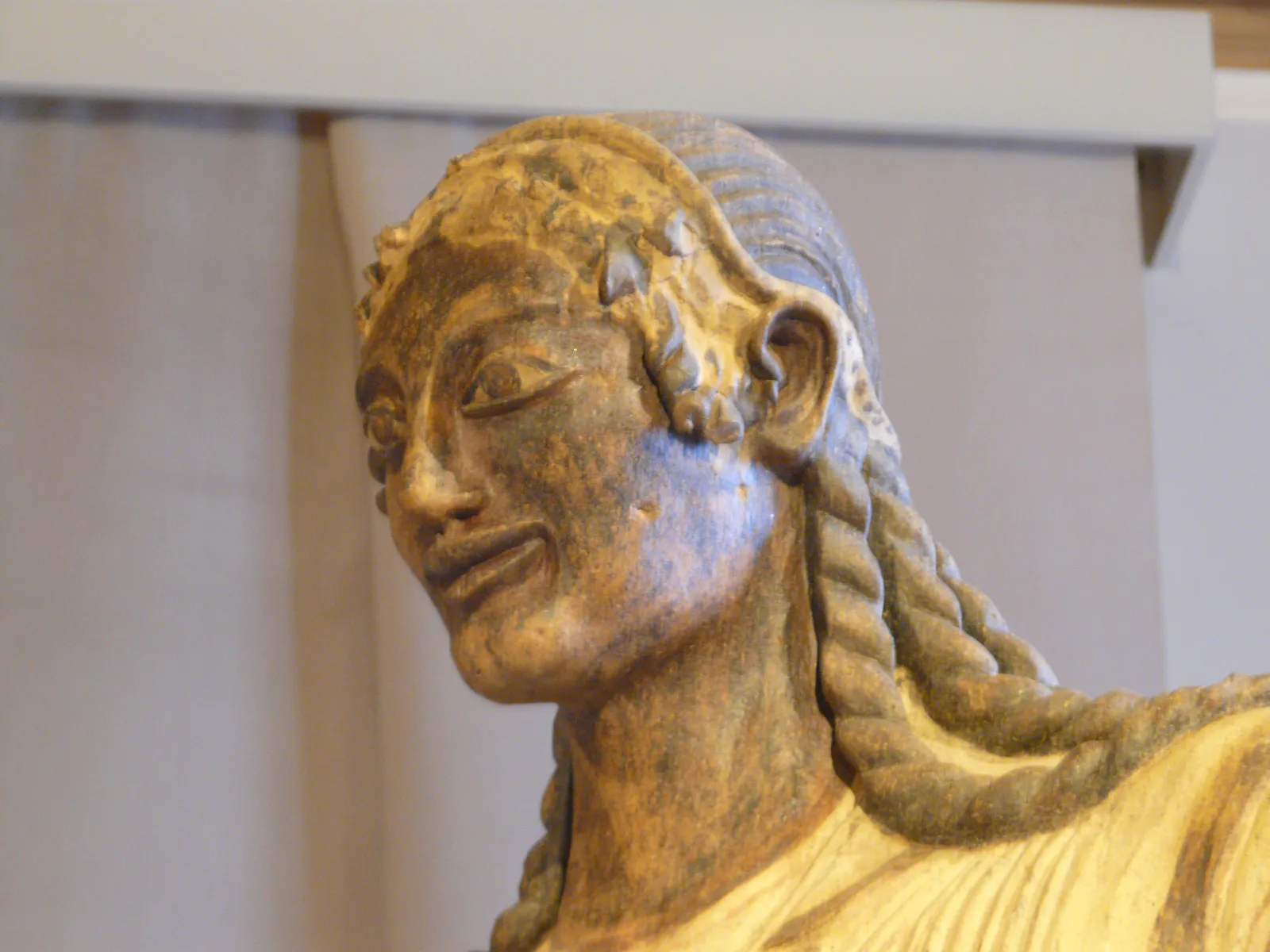
Apollo of Veii Statue
National Etruscan Museum of Villa Giulia
Rome (traditionally founded on 21 April 753 BC) is often imagined as a city where power became architecture—imperial, papal, and civic—yet the lived experience is more intimate than its monuments suggest. On arrival it feels dense and tactile: sun-warmed stone, traffic threading past ruins, and sudden pockets of quiet where a Baroque facade opens onto a small piazza. Its global image is inseparable from empire and the Church, but its deeper pull is the way eras remain in active conversation, embedded in ordinary streets rather than sealed behind glass.
That continuity sharpens in places like the Museo Etrusco di Villa Giulia, where a Renaissance villa’s courtyards and loggias slow the city down and shift attention to what preceded Roman dominance. Ceramics, jewelry, and funerary objects hint at belief and daily life, while the Apollo of Veii and its companion figures—terracotta, poised, kinetic—carry the confidence of an Etruscan world of sanctuaries and rival city-states. In a capital shaped by spectacle, the museum offers a quieter authority: a reminder that Rome’s story is also built from what it absorbed and inherited.
That continuity sharpens in places like the Museo Etrusco di Villa Giulia, where a Renaissance villa’s courtyards and loggias slow the city down and shift attention to what preceded Roman dominance. Ceramics, jewelry, and funerary objects hint at belief and daily life, while the Apollo of Veii and its companion figures—terracotta, poised, kinetic—carry the confidence of an Etruscan world of sanctuaries and rival city-states. In a capital shaped by spectacle, the museum offers a quieter authority: a reminder that Rome’s story is also built from what it absorbed and inherited.
Explore by type and place