WelcomeAboutMeet MaxLife as a JourneyAcademic LifeContact
Start Exploring:
AfricaAmericaAsiaEuropeOceania
TermsPrivacyCookiesCopyrightPermissionsAffiliate Disclosure
1993–2026 © Maxim Tabachnik Design by Diagilev
Travel With Max Learn  •  Admire  •  Soar
Europe
AfricaAmericaAsiaEuropeOceania
⇢
Italy
DenmarkFranceGermanyIcelandItalyLatviaNetherlandsPortugalRussiaSpainSwedenUkraineUnited KingdomVatican City
⇢
Rome
BariCagliariGenoaLake MaggioreLuccaMilanNaplesOstiaPisaRomeSicilyTivoliVenice
⇢
Pantheon
Ara PacisBasilica of Santa Maria in AracoeliBasilica of St John LateranBaths of DiocletianCapitoline MuseumsCastel Sant'AngeloChurch of Sant'Ignazio di LoyolaChurch of the GesùColosseum Archaeological ParkGoethe MuseumNational Etruscan Museum of Villa GiuliaNational Roman Museum – Palazzo MassimoPantheonPiazza del PopoloRoman ForumSanta Maria sopra MinervaSpada GalleryVilla BorgheseVilla Farnesina
English
EnglishEspañolDeutschРусский中文日本語한국어FrançaisPortuguêsالعربية
Support the Project
Pantheon with Macuteo Obelisk and Fountain
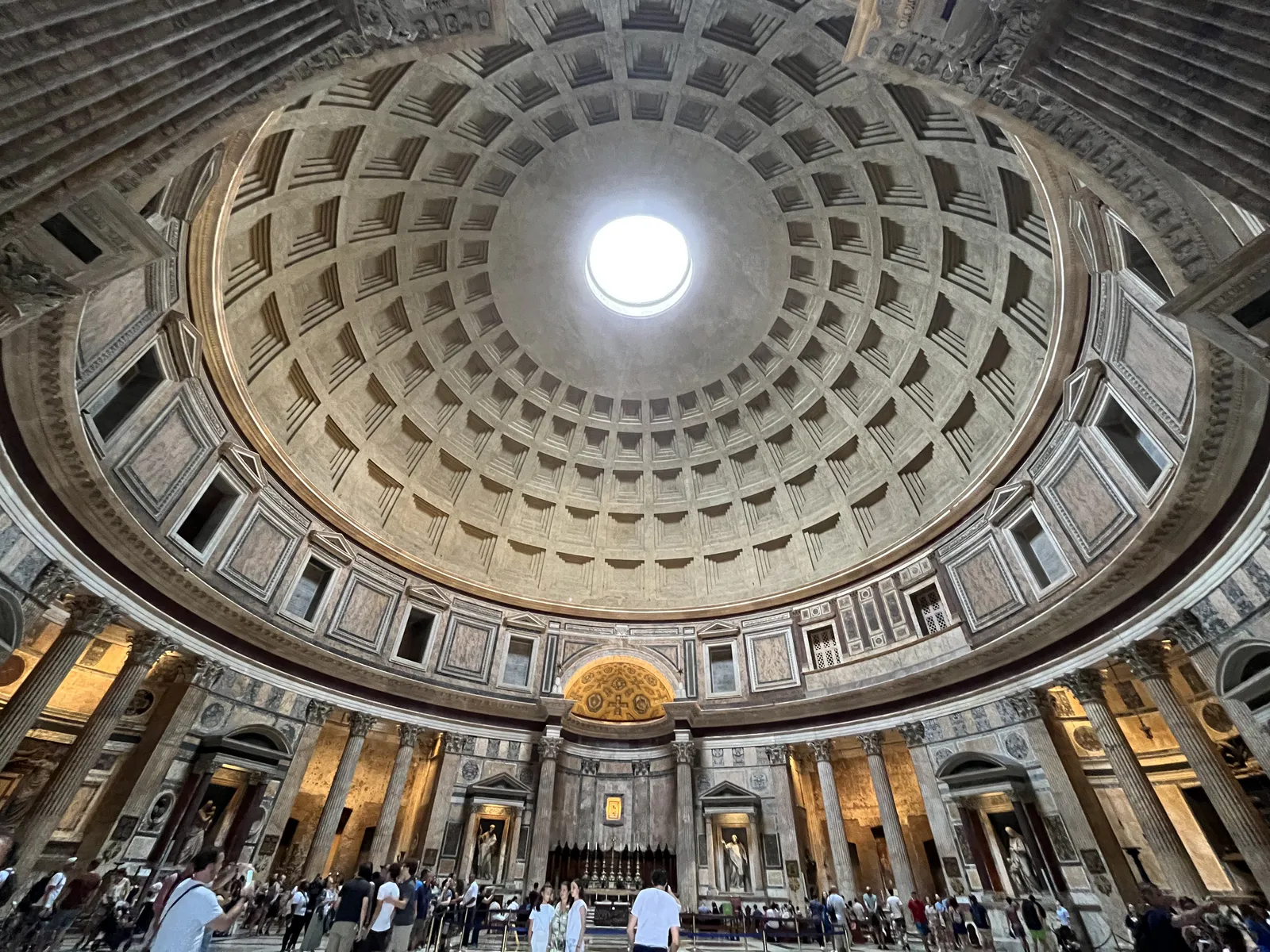
Pantheon Interior
Pantheon Interior
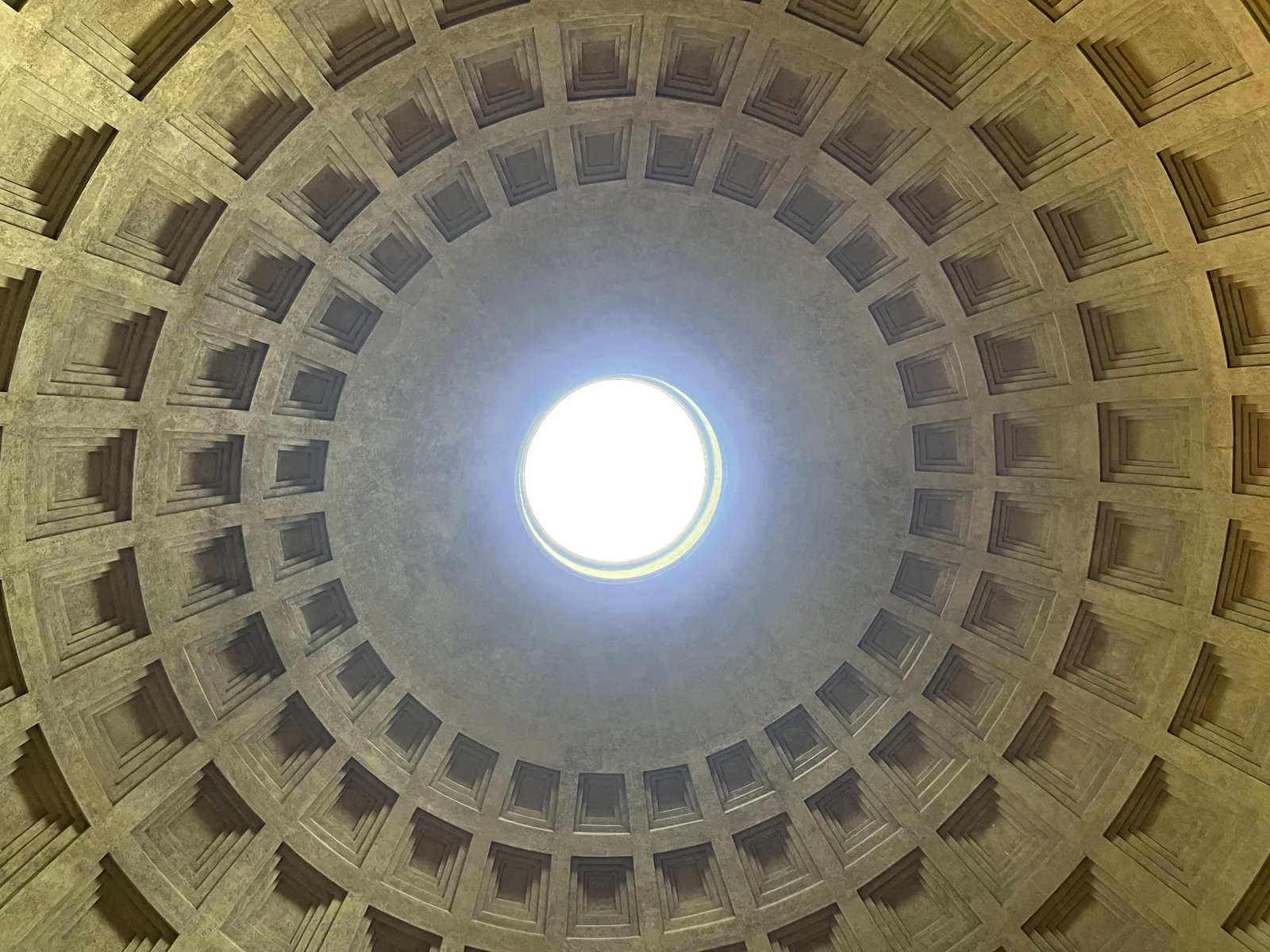
Pantheon Dome and Oculus
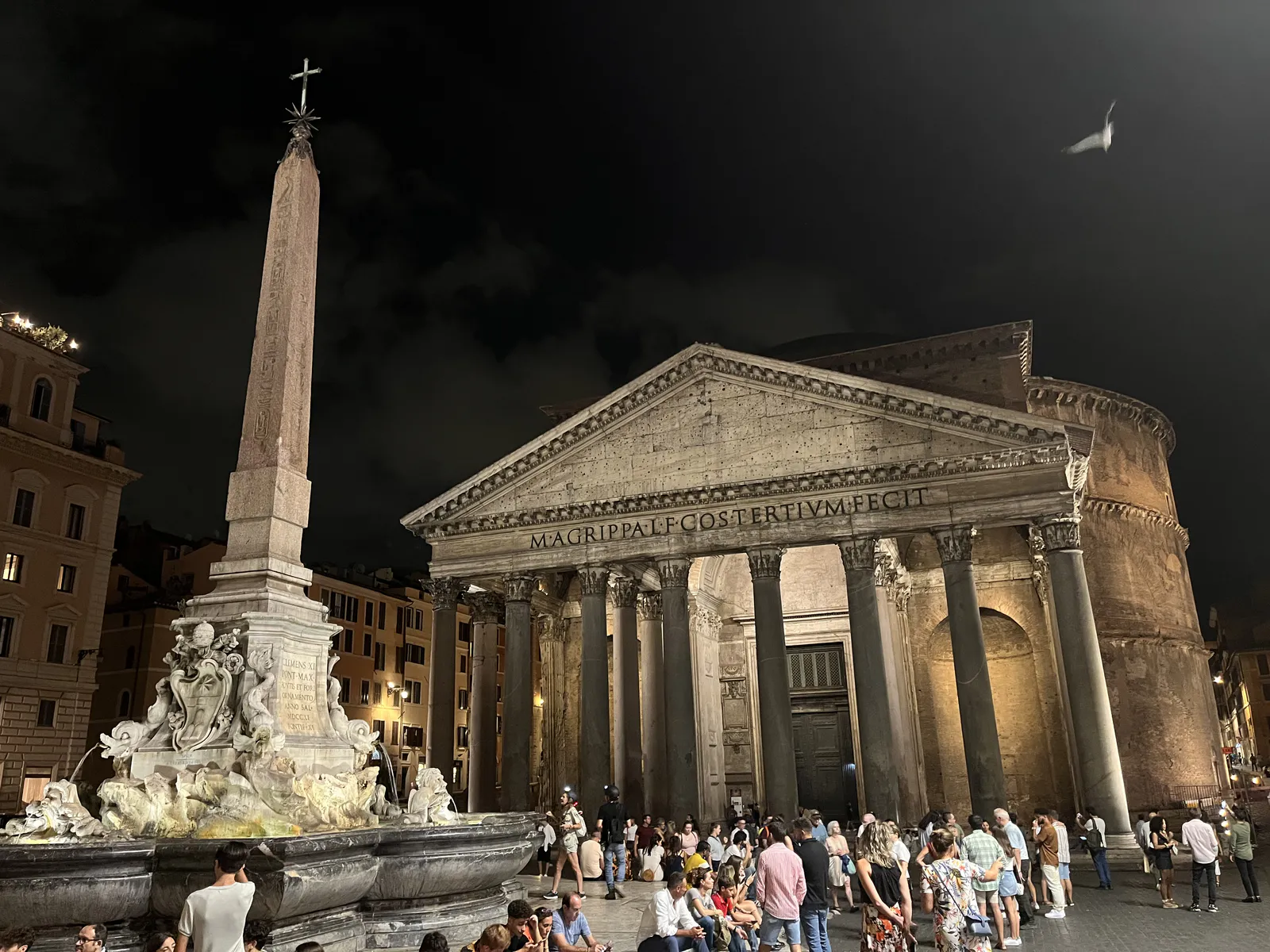
Pantheon Portico
Pantheon Portico
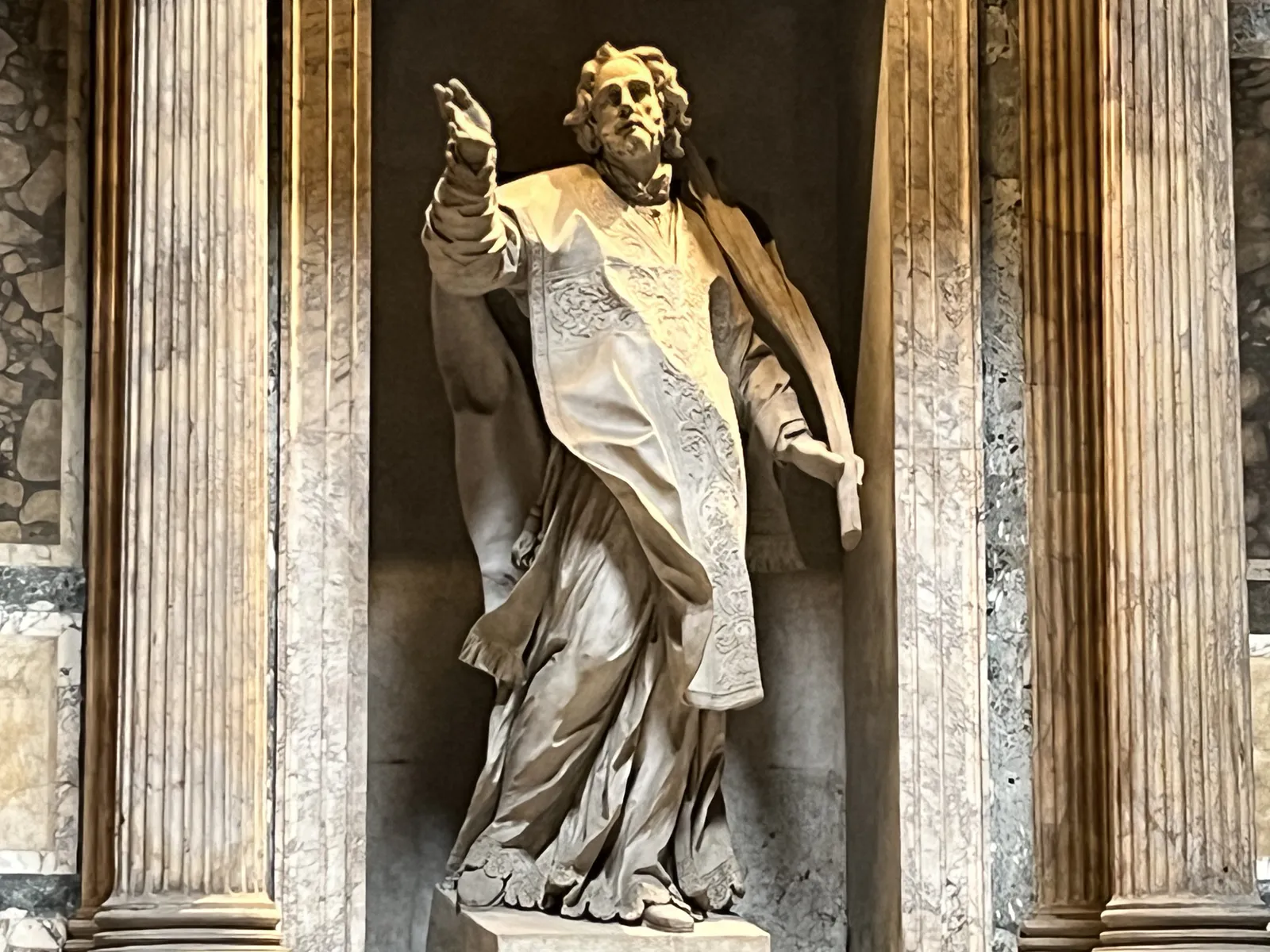
San Rasio
San Rasio
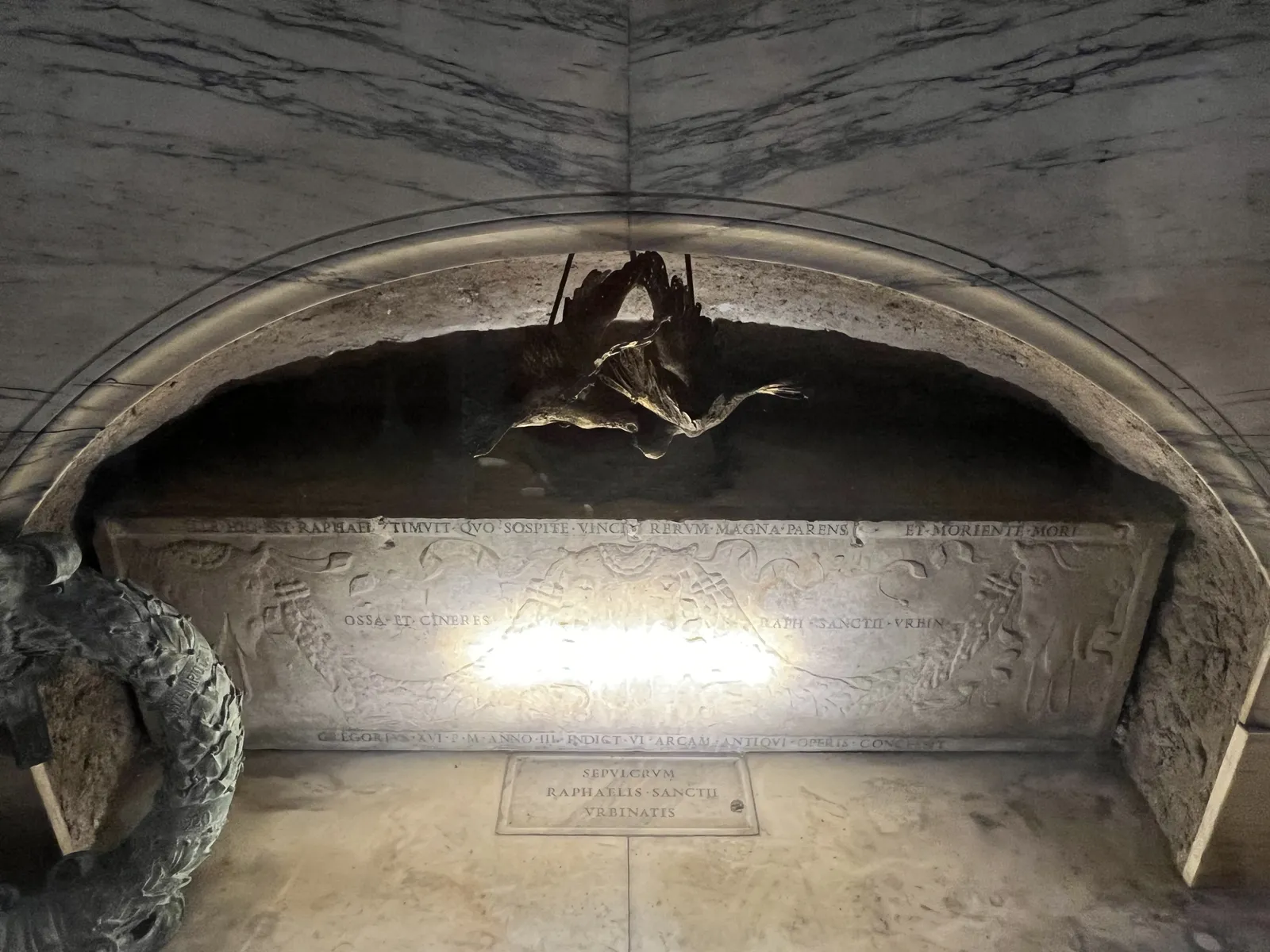
Tomb of Raphael in the Pantheon
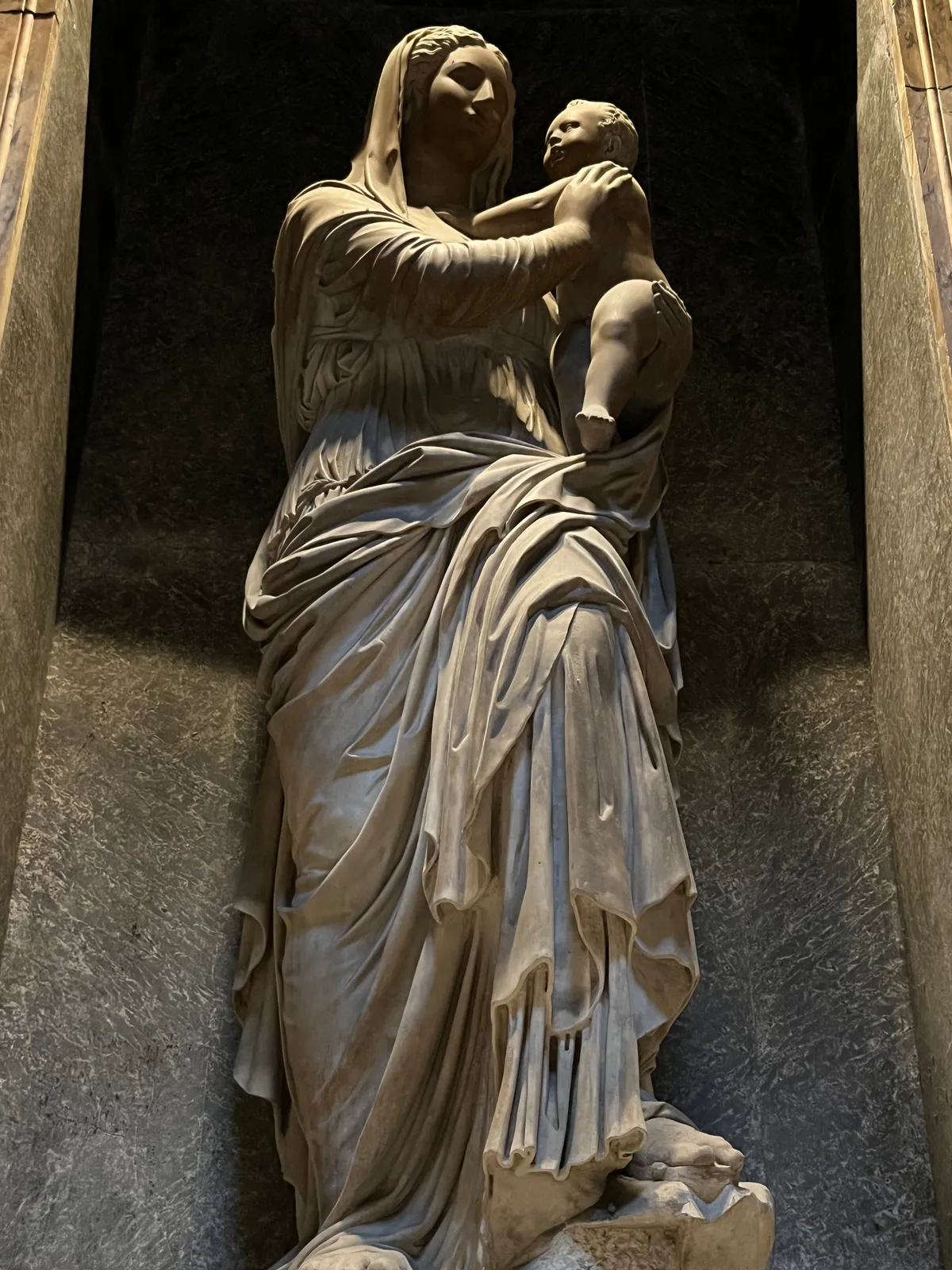
Madonna of the Stone
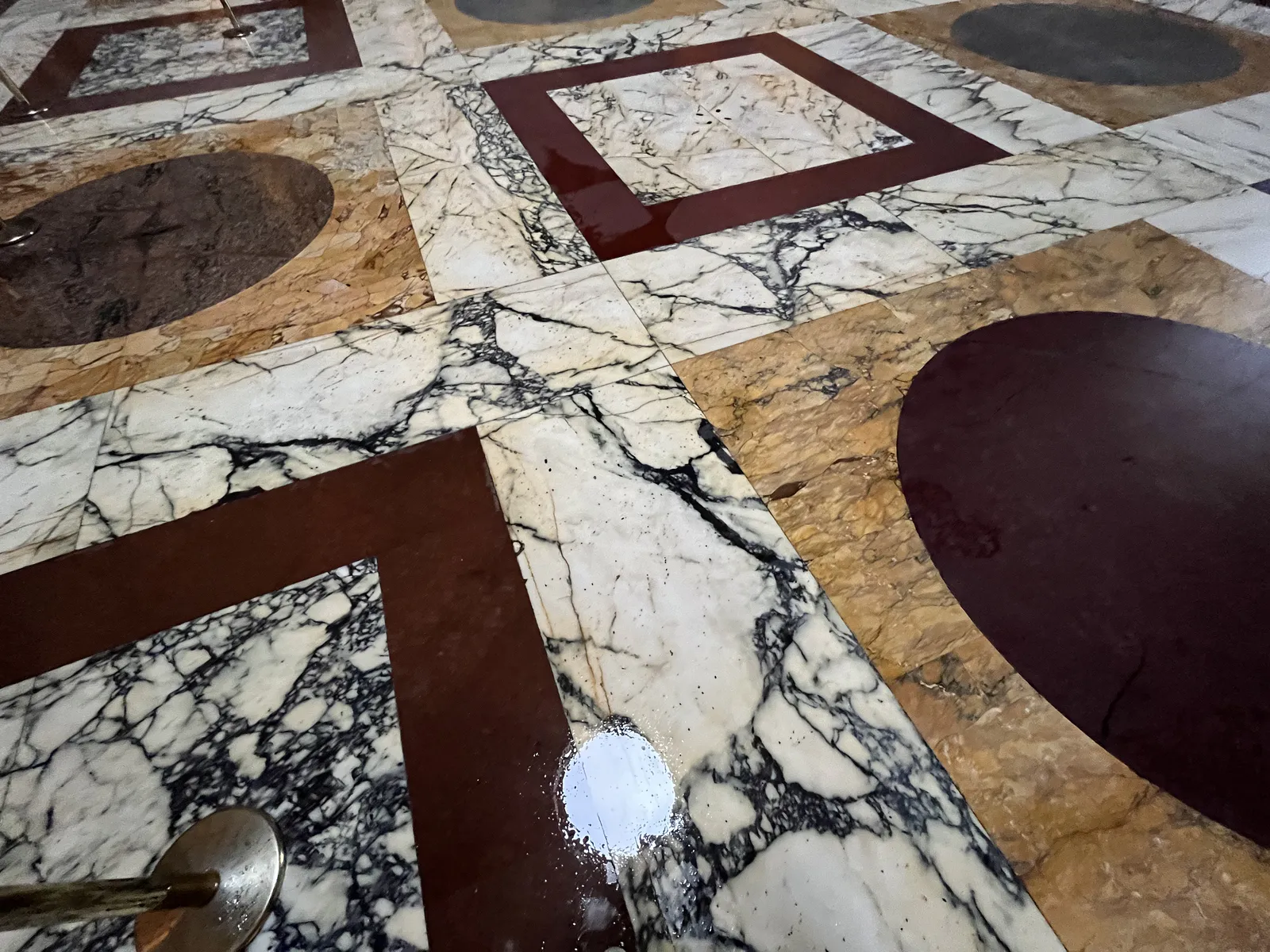
Opus Sectile Floor, Pantheon
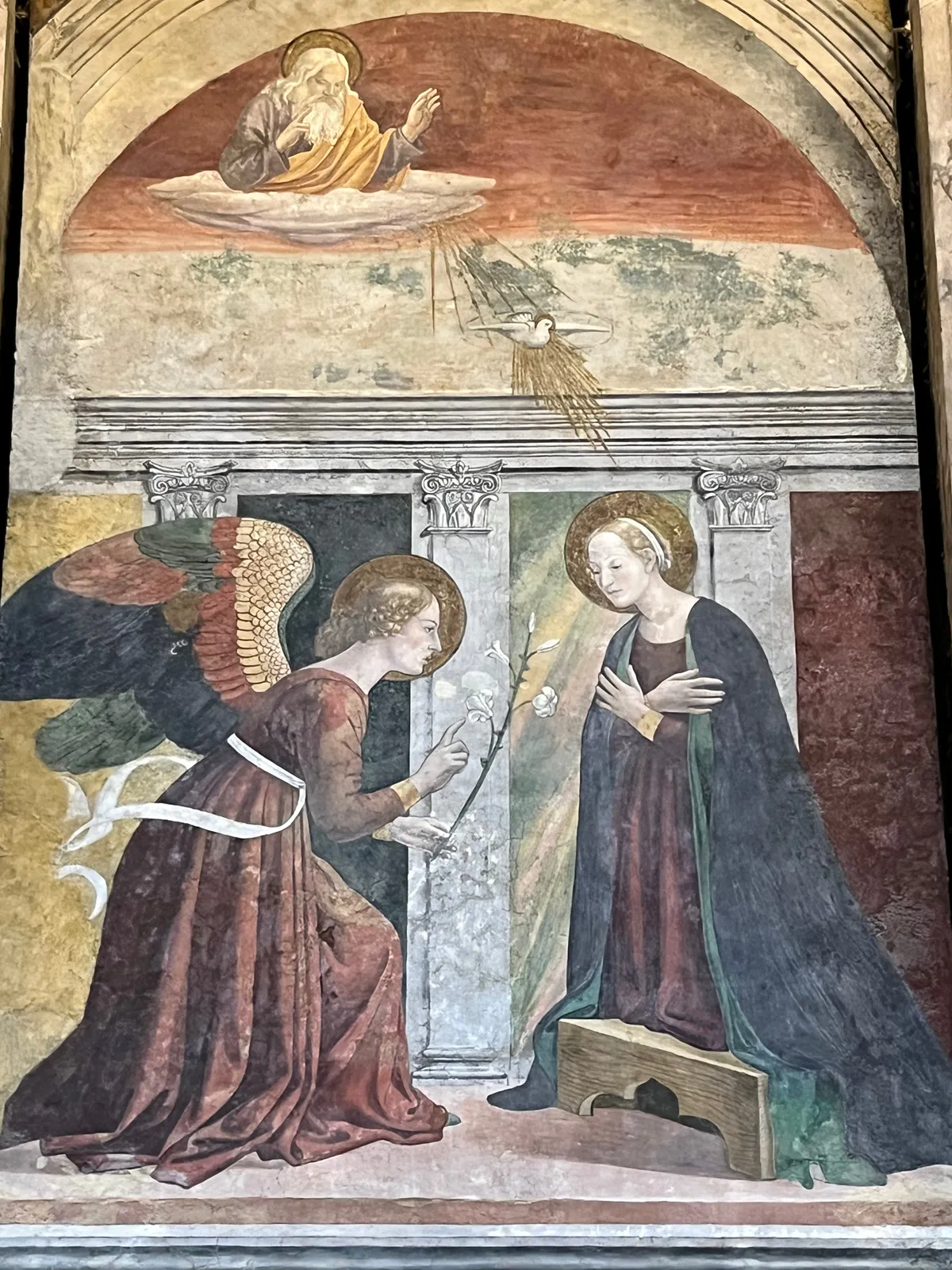
The Annunciation
The Annunciation
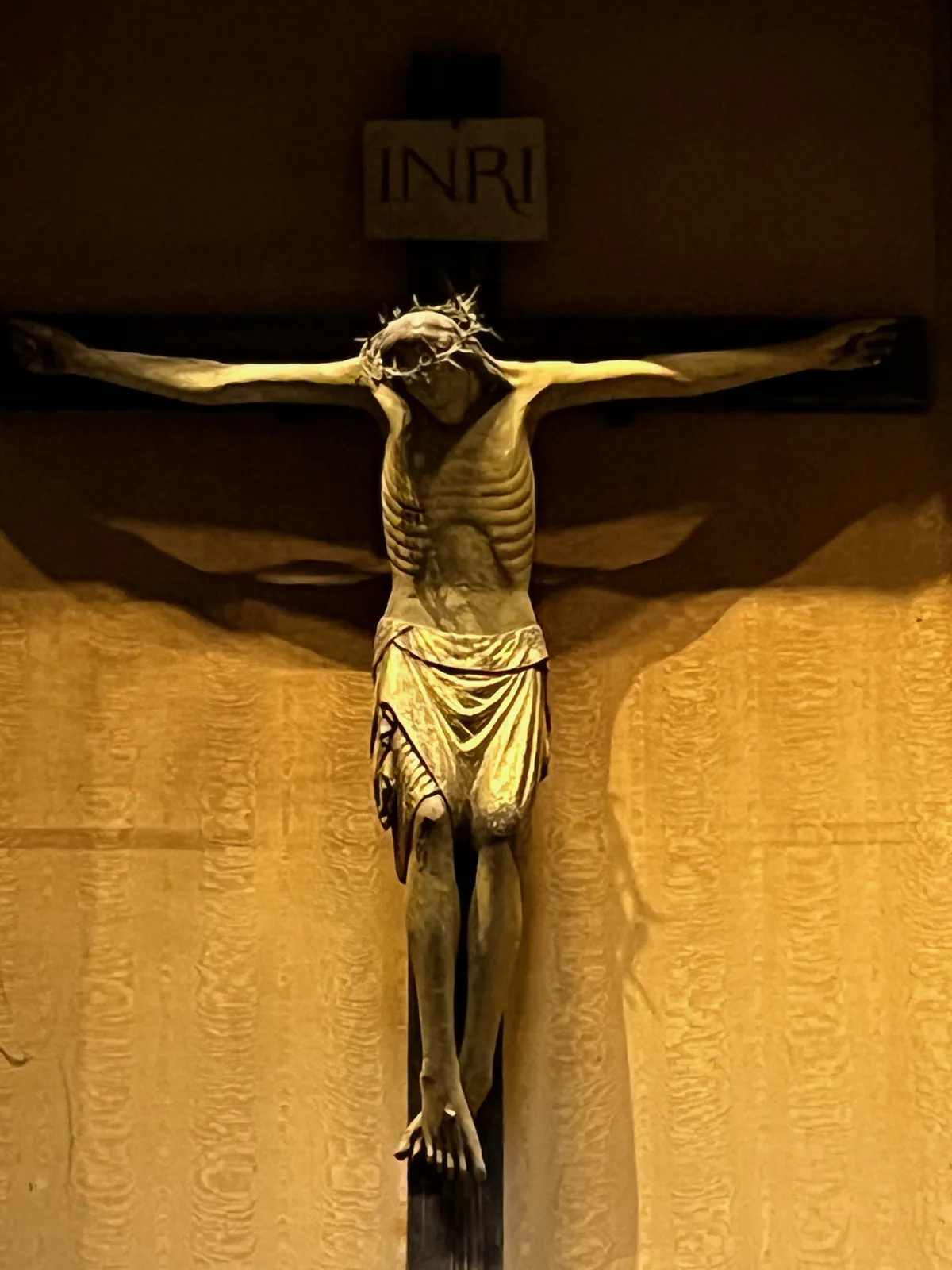
Wooden Crucifix
Wooden Crucifix
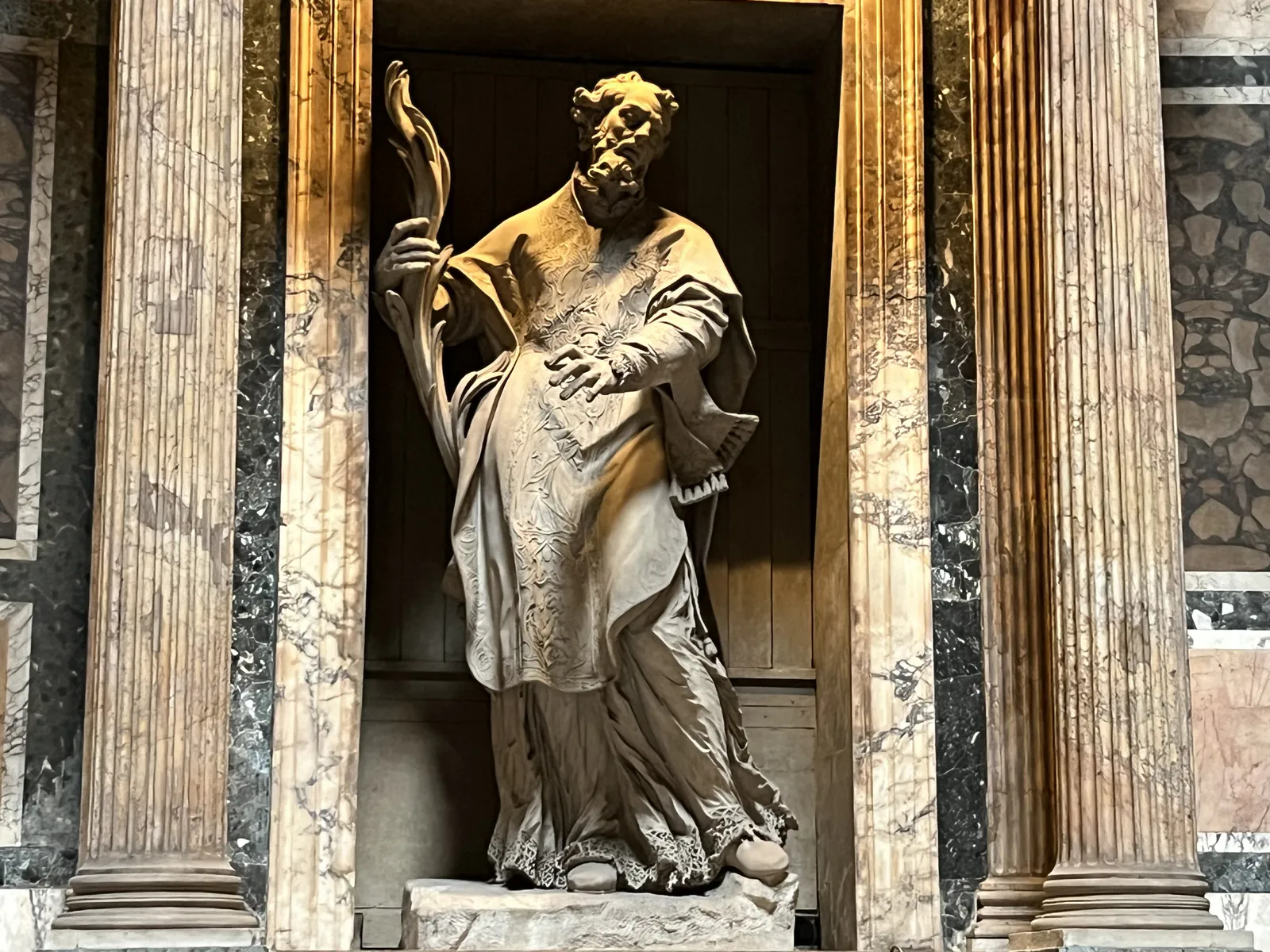
Sant’Anastasio
Sant’Anastasio
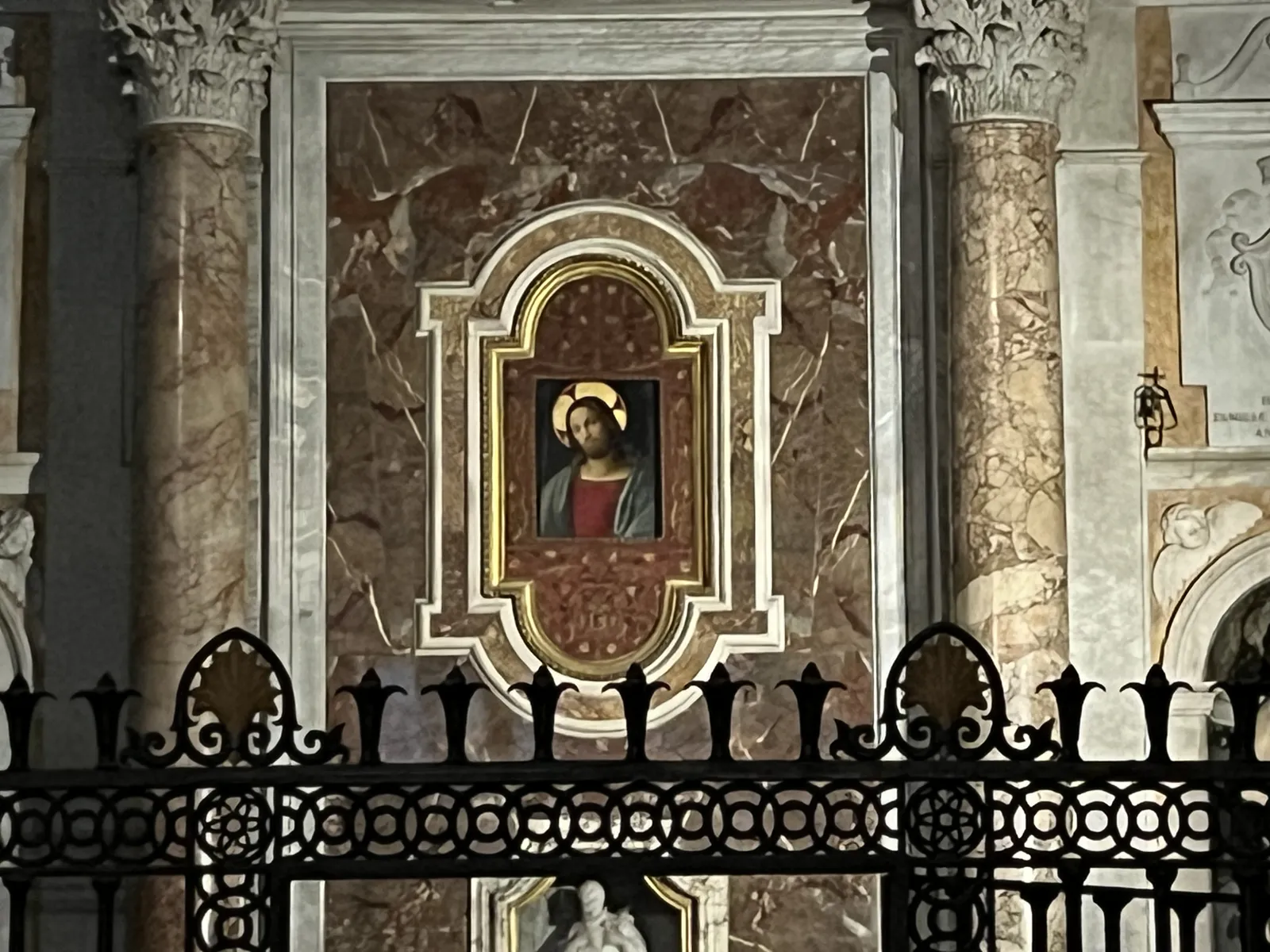
Christ the Redeemer
Christ the Redeemer
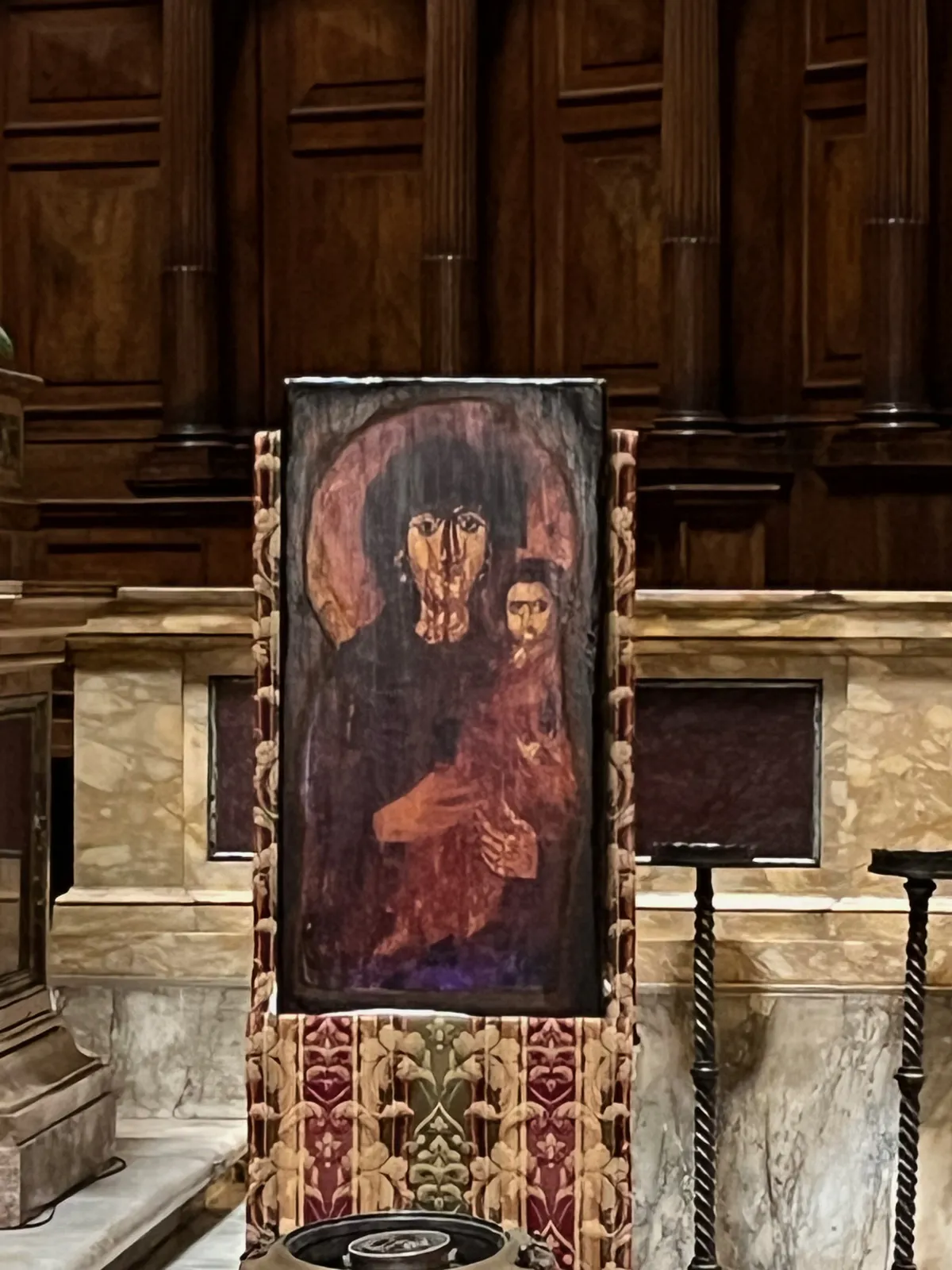
Madonna Hodegetria
Madonna Hodegetria
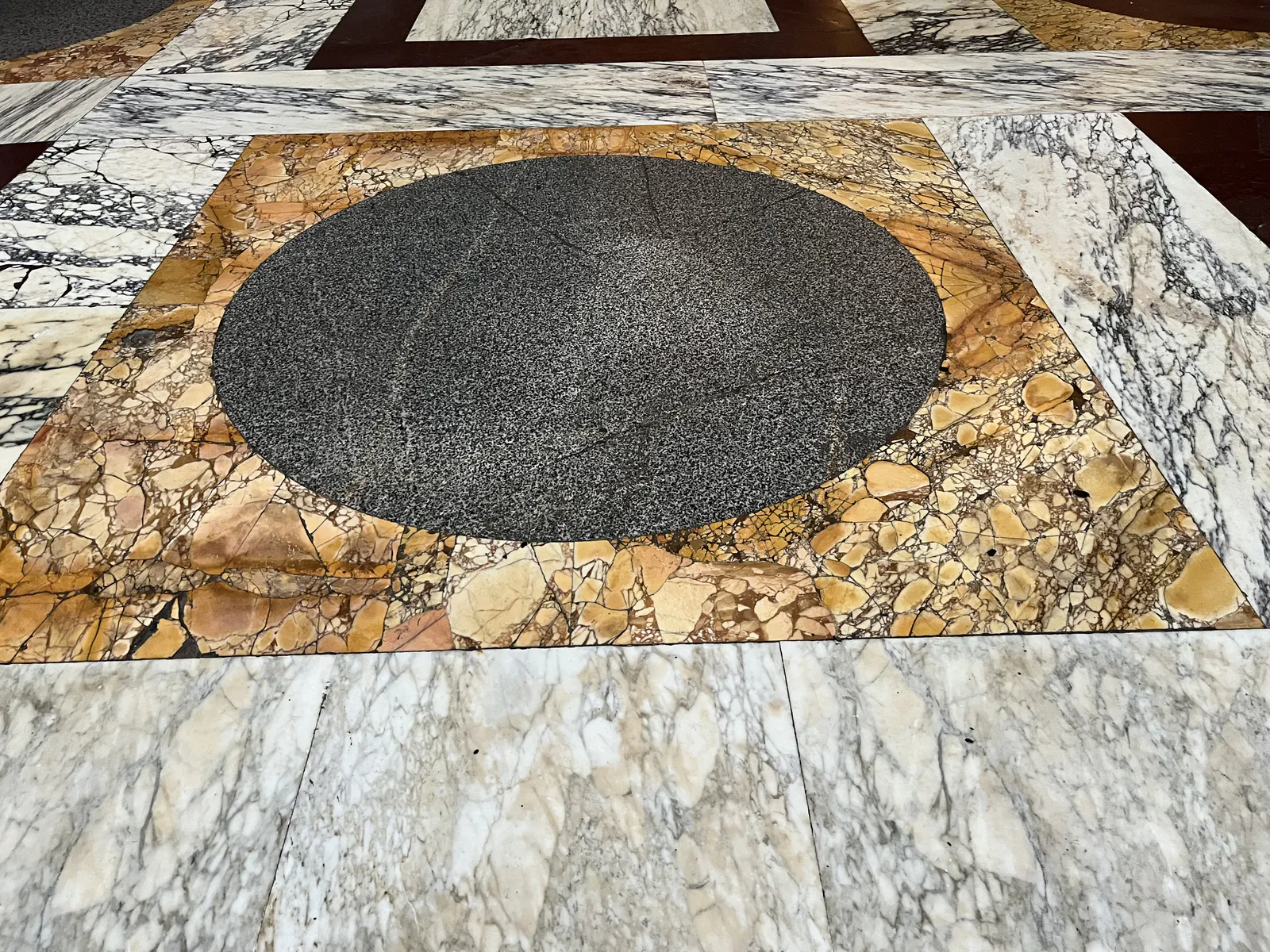
Opus Sectile Panel from Pantheon
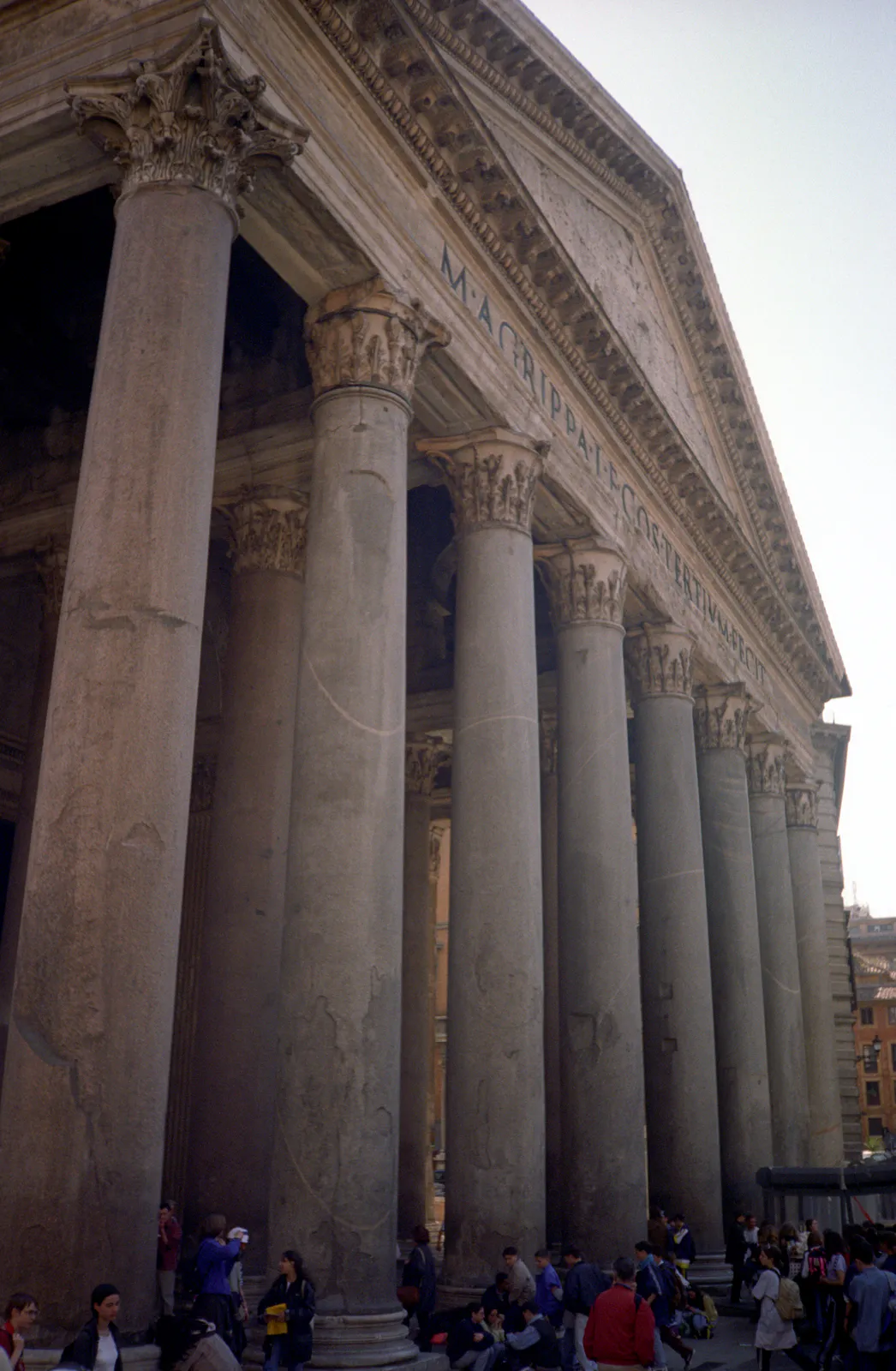
Pantheon

4501
Pantheon, built under Hadrian in 118–125 on the site of Agrippa’s earlier temple, pairs a traditional portico with a radical concrete rotunda, its coffered dome spanning 43.3 m and opened by a single oculus to sky and weather. Dedicated to all the gods, it was consecrated in 609 as Santa Maria ad Martyres, a change that helped it survive and turned an imperial monument into a living church. Its calm geometry, shifting light, and tombs—most famously Raphael’s—make it Rome’s enduring image of continuity between pagan, Christian, and modern worlds.
Explore by type and place
Rome
Church of the Gesù

Content details

Language

Choose your site language.

Want to reach Max with a question, collaboration idea, academic inquiry, media proposal, or a thoughtful note? Use the form below and your message will go directly to him.

Direct email
connect@travelwithmax.com

Buy the Original

Fill out the form to request the original or high-resolution version of this photo.

AI Search