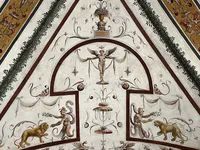
Grotesque Ceiling Decoration
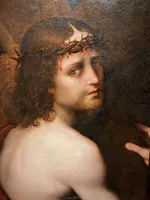
Christ Carrying His Cross
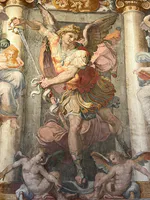
Saint Michael the Archangel
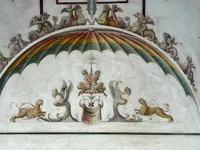
Grotesque Fantasy with Beasts
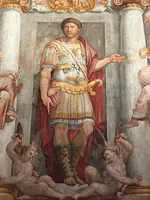
Emperor Hadrian
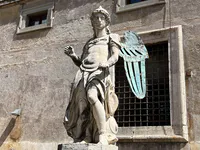
Archangel Michael
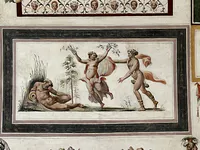
Apollo and Daphne
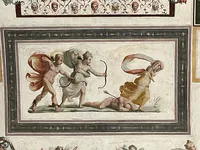
Apollo and Daphne
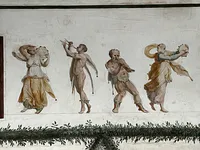
Apollo and Daphne
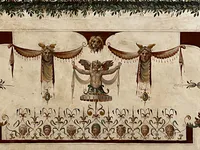
Apollo and Daphne
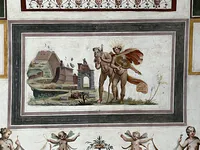
Apollo and Daphne
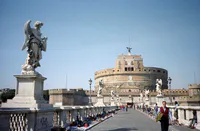
Angel with the Sudarium
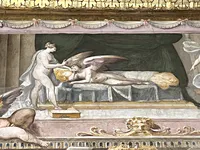
Psyche Awakens Cupid
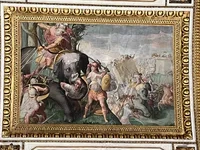
The Battle of Zama
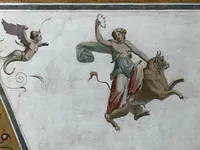
The Abduction of Europa
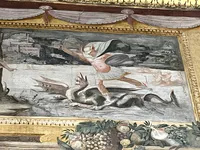
Perseus Beheads the Sea Monster
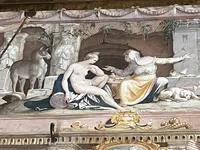
Psyche and the Old Woman
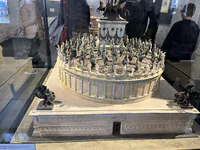
Mausoleum of Hadrian
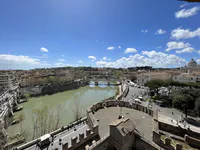
Panoramic View from Castel Sant’Angelo
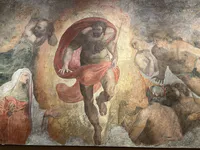
Christ in Limbo
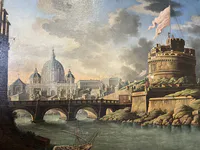
The Miracle of the Angel
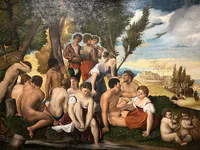
The Bath
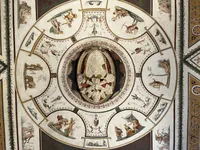
Mythological Ceiling with Stucco Relief
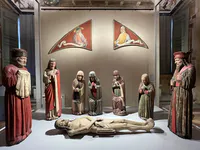
Lamentation over the Dead Christ
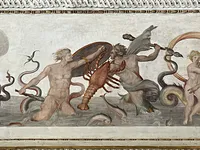
Tritons and Naiads in Combat
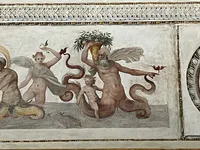
Marine Deity with Cornucopia
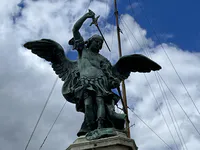
St. Michael the Archangel
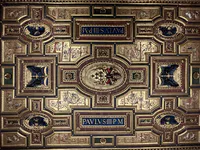
Ceiling of the Sala Paolina
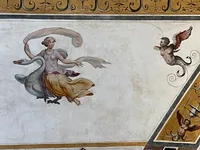
Leda and the Swan
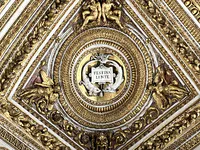
Festina Lente
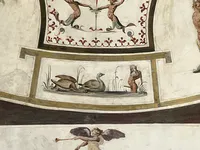
Aquatic Satire with Turtles
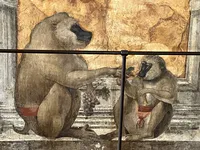
Baboons with Fruit
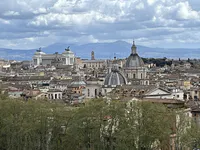
View Toward the Altare della Patria from Castel Sant’Angelo
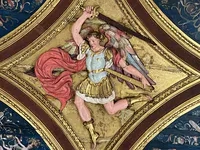
Archangel Michael in Battle
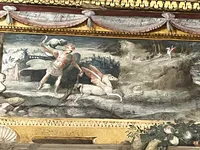
Perseus Slays the Sea Monster
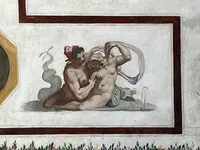
Pan and a Nymph
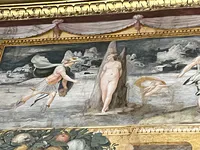
Perseus Approaches Andromeda
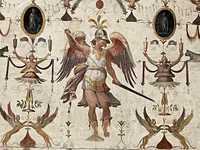
St. Michael and Grotesque Motifs
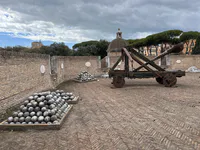
Rooftop Catapult and Ammunition
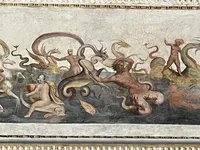
Marine Deities and Serpentine Creatures
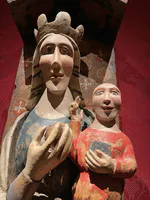
The Virgin and Blessing Child Enthroned
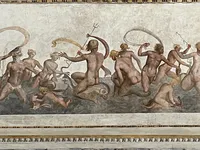
Marine Procession of Tritons and Nereids
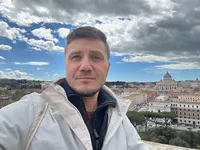
Max at Castel Sant’Angelo Terrace
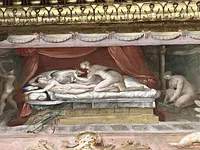
Cupid and Psyche
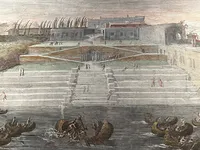
Naumachia in the Belvedere Courtyard
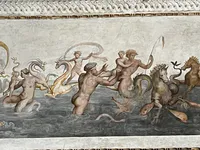
Sea Procession with Tritons and Nereids
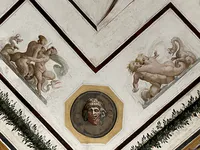
Embracing Tritons
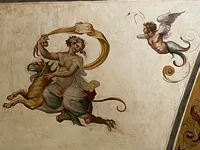
Allegory with Chimera
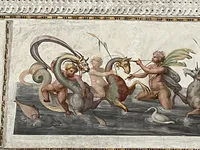
Tritons and Sea Creatures
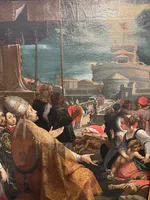
The Miracle of the Angel
Castel Sant'Angelo
Castel Sant'Angelo began as Emperor Hadrian’s mausoleum (AD 123–139), a monumental tomb set beside the Tiber that later hardened into one of Rome’s key defensive bastions. Reworked by medieval and Renaissance popes and linked to the Vatican by the Passetto, it became a fortress, prison, and last refuge in moments of siege. Its name recalls the 590 vision of the Archangel Michael ending a plague, folding imperial memory, papal authority, and sacred protection into a single, enduring skyline form.
Explore by type and place