WelcomeAboutMeet MaxLife as a JourneyAcademic LifeContact
Start Exploring:
AfricaAmericaAsiaEuropeOceania
TermsPrivacyCookiesCopyrightPermissionsAffiliate Disclosure
1993–2026 © Maxim Tabachnik Design by Diagilev
Travel With Max Learn  •  Admire  •  Soar
Europe
AfricaAmericaAsiaEuropeOceania
⇢
Italy
DenmarkFranceGermanyIcelandItalyLatviaNetherlandsPortugalRussiaSpainSwedenUkraineUnited KingdomVatican City
⇢
Rome
BariCagliariGenoaLake MaggioreLuccaMilanNaplesOstiaPisaRomeSicilyTivoliVenice
⇢
Piazza del Popolo
Ara PacisBasilica of Santa Maria in AracoeliBasilica of St John LateranBaths of DiocletianCapitoline MuseumsCastel Sant'AngeloChurch of Sant'Ignazio di LoyolaChurch of the GesùColosseum Archaeological ParkGoethe MuseumNational Etruscan Museum of Villa GiuliaNational Roman Museum – Palazzo MassimoPantheonPiazza del PopoloRoman ForumSanta Maria sopra MinervaSpada GalleryVilla BorgheseVilla Farnesina
English
EnglishEspañolDeutschРусский中文日本語한국어FrançaisPortuguêsالعربية
Support the Project
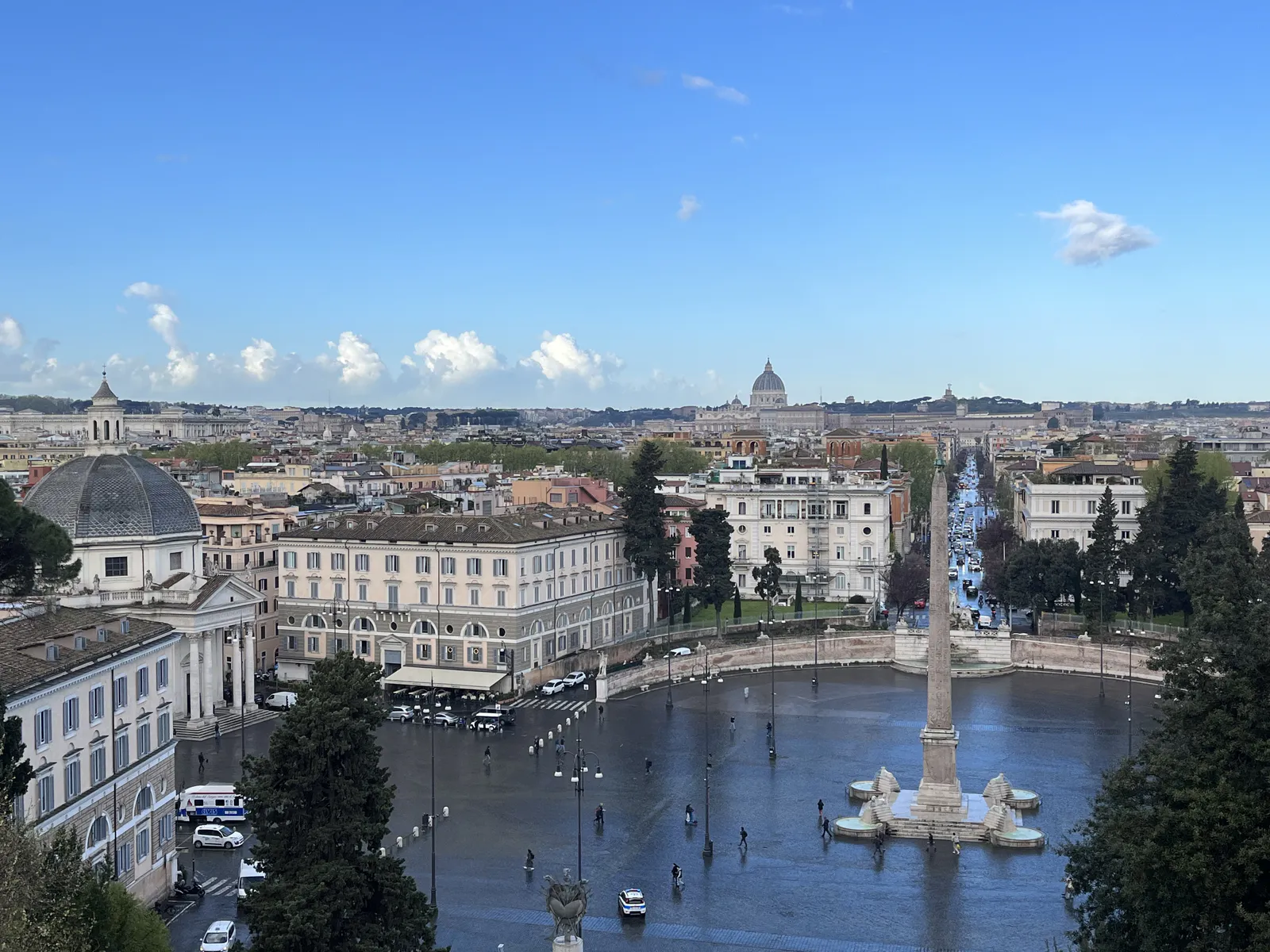
The Egyptian Obelisk and Via del Corso View
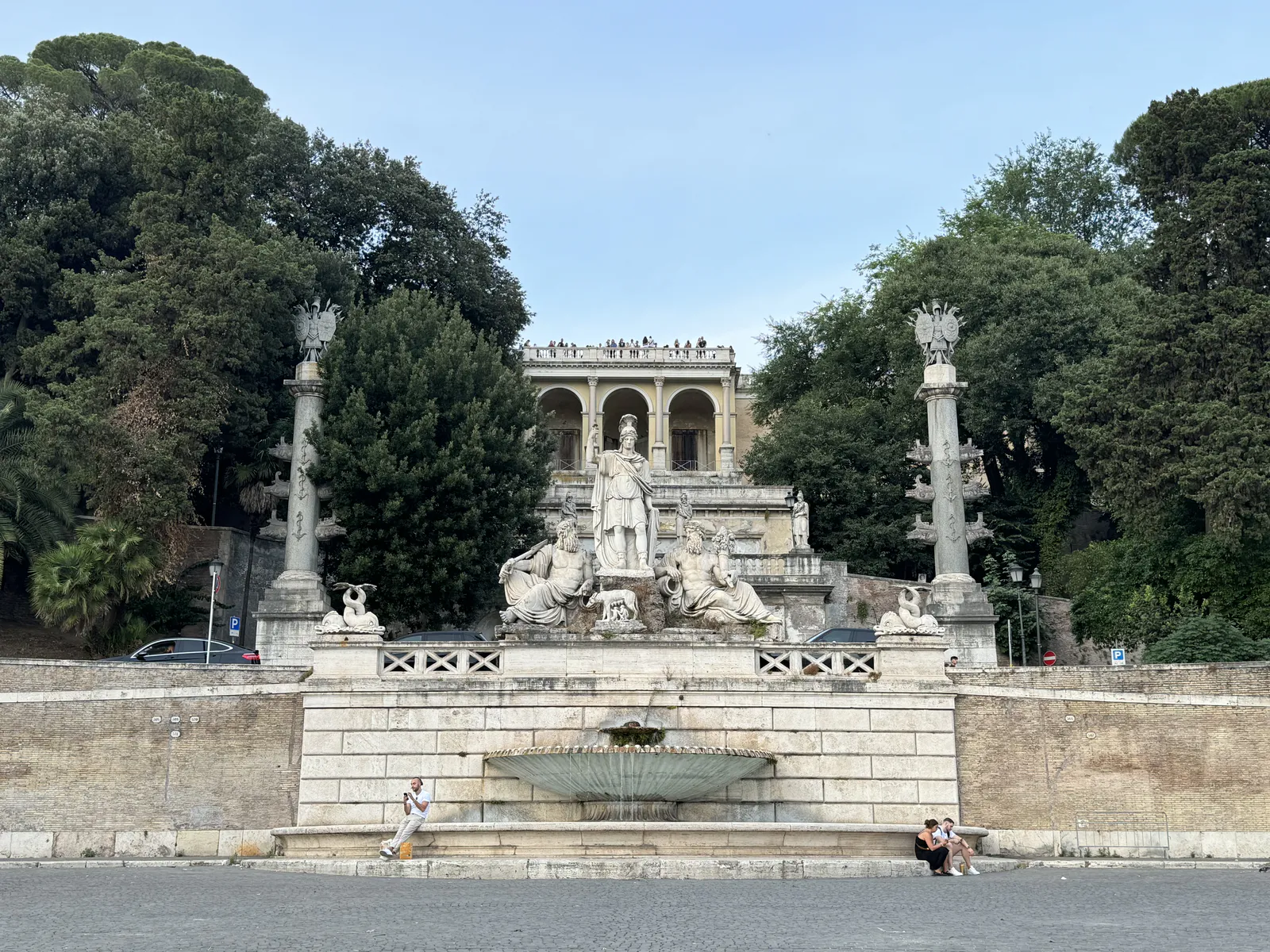
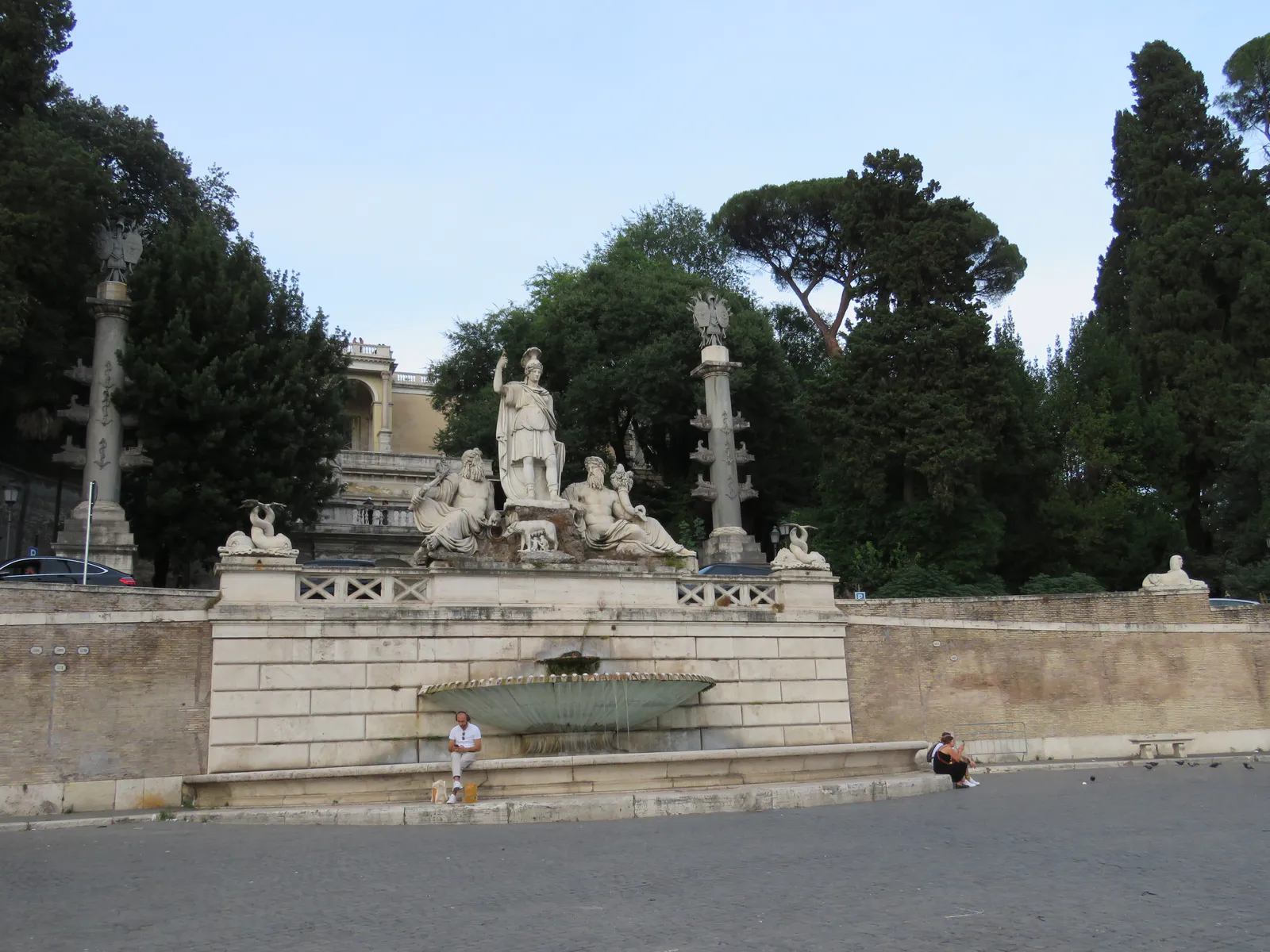
Fountain of the Goddess Roma
Twin Churches and Flaminio Obelisk
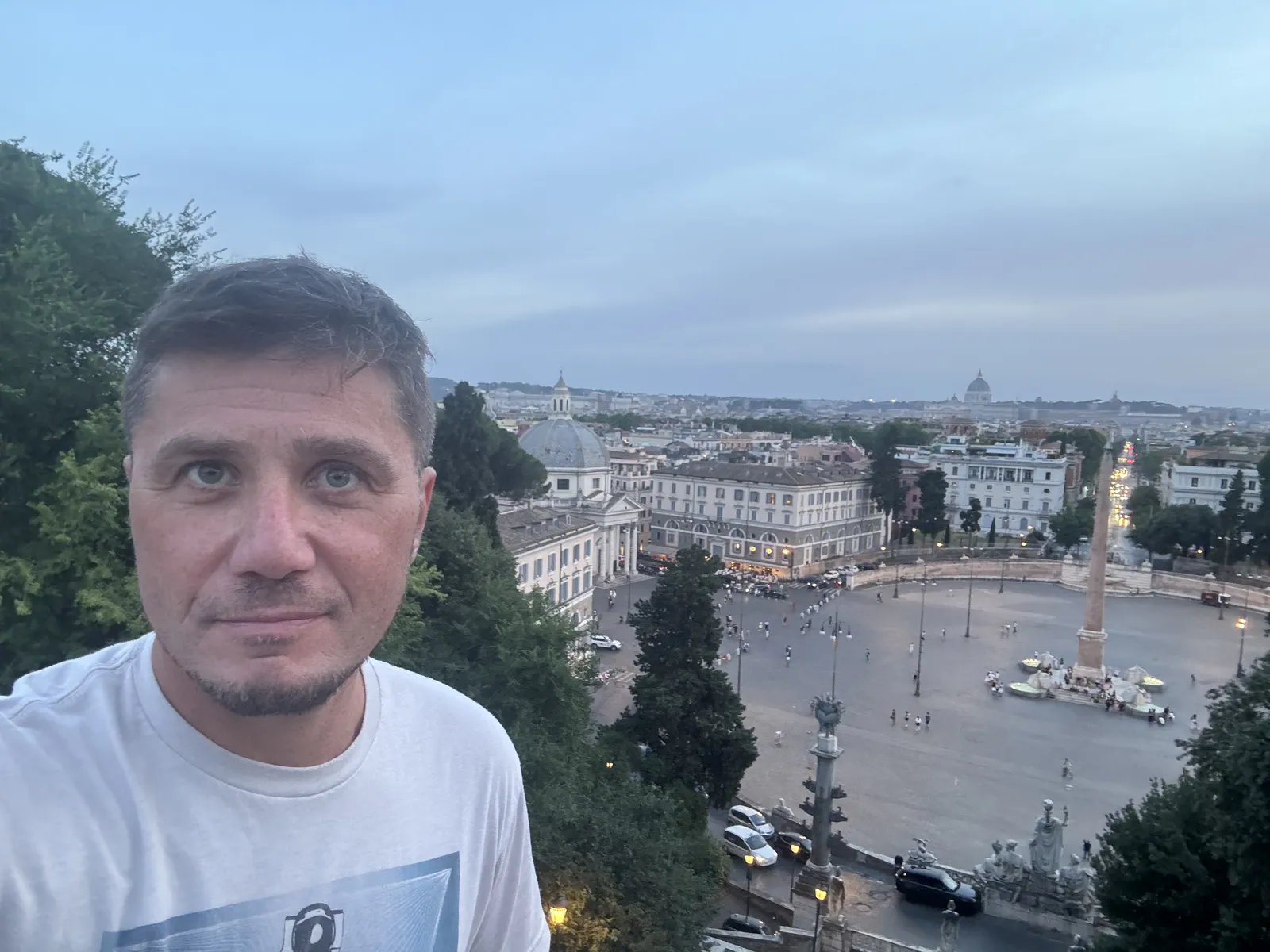
Max overlooking Piazza del Popolo
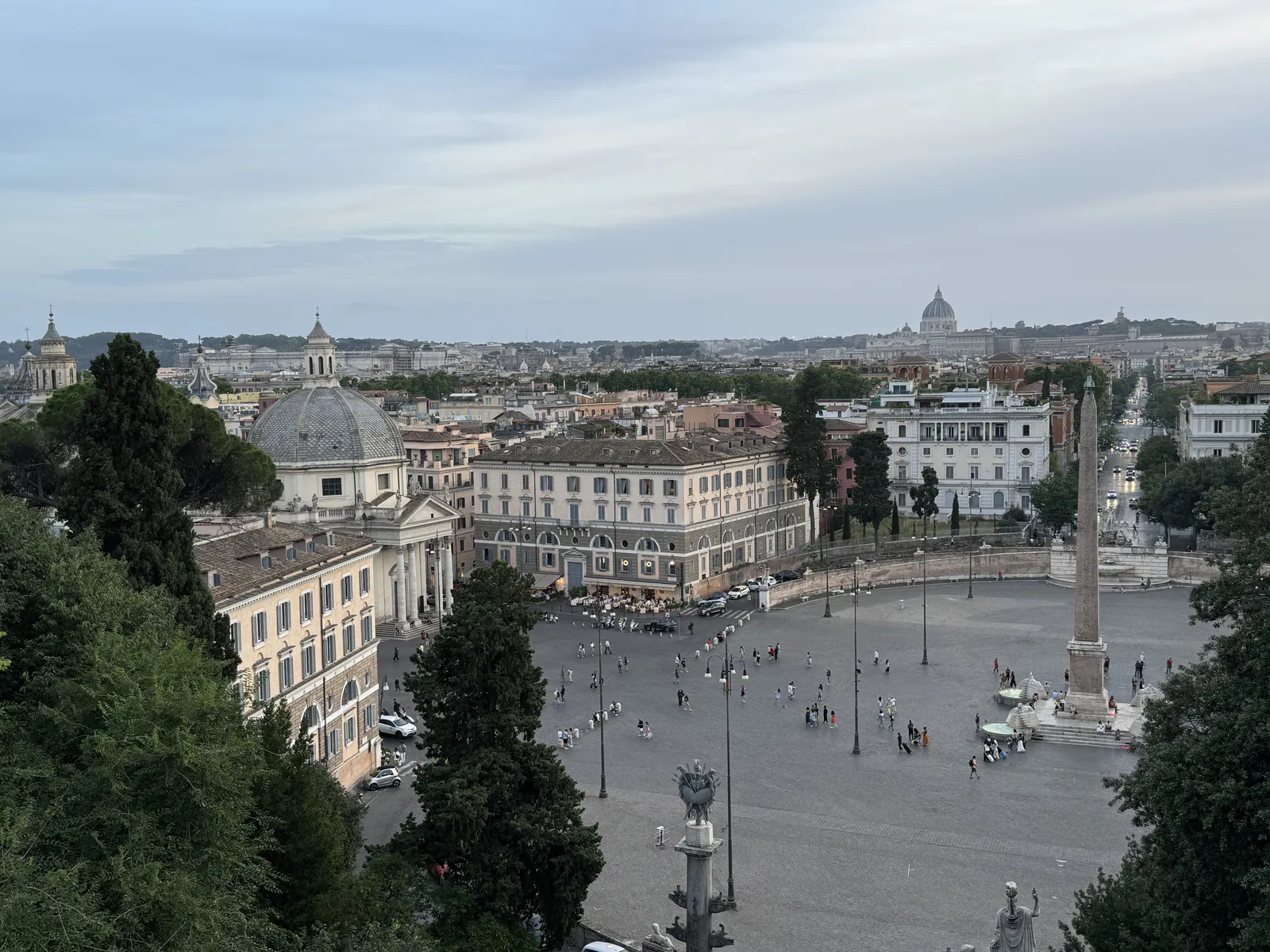
Piazza del Popolo towards Vatican
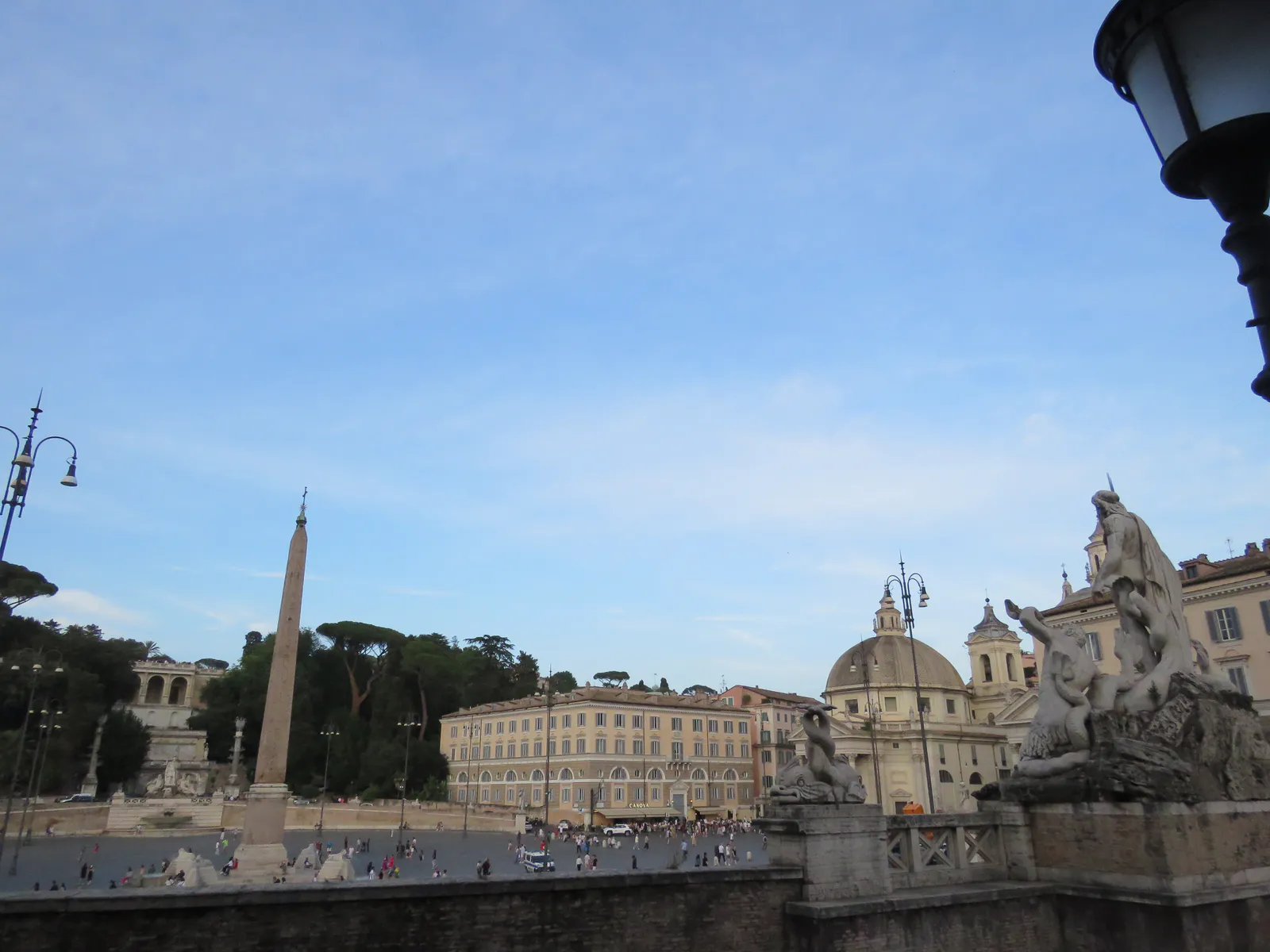
Flaminian Obelisk and Fountain of Goddess Rome
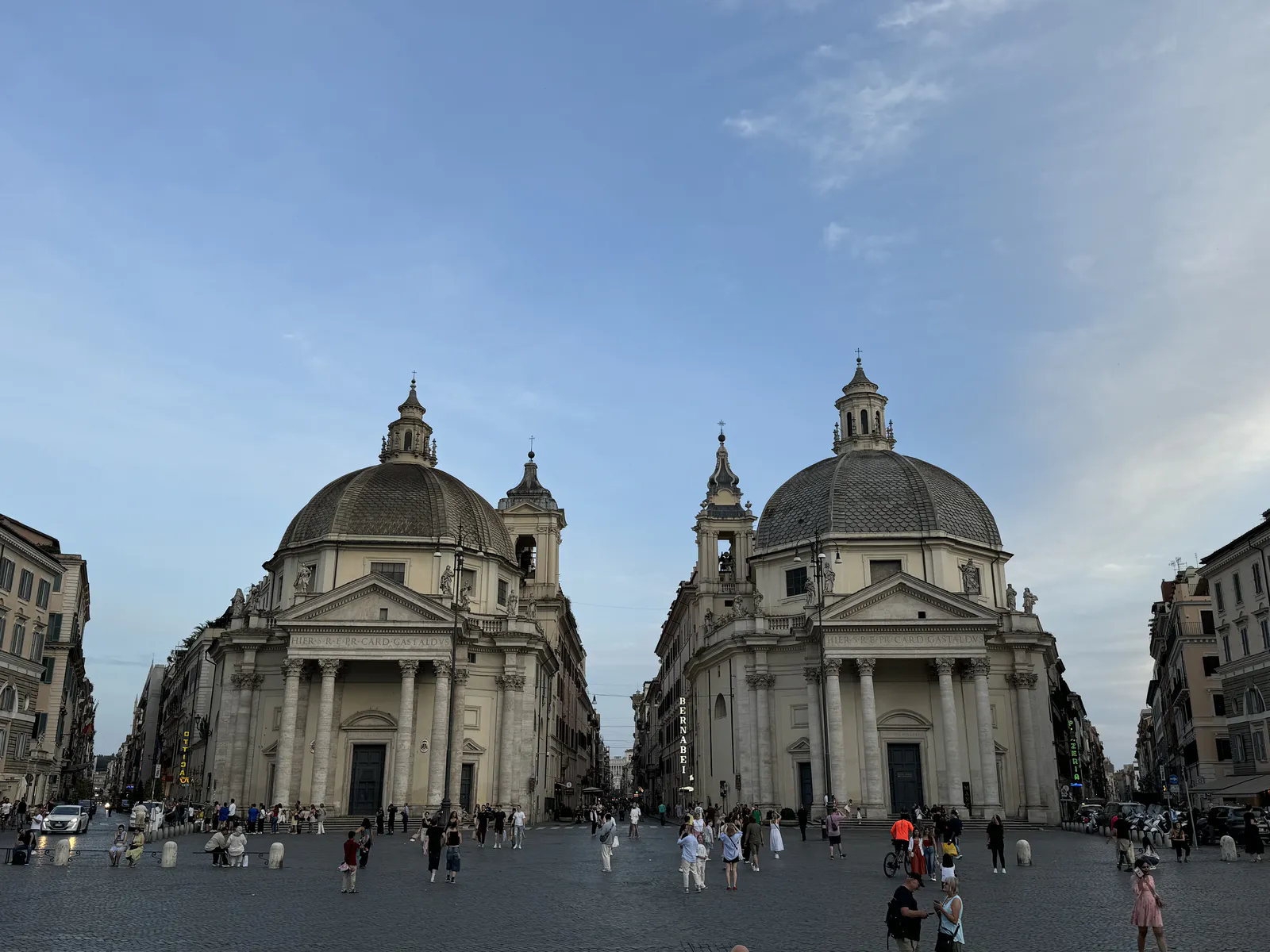
Fountain of the Goddess Roma
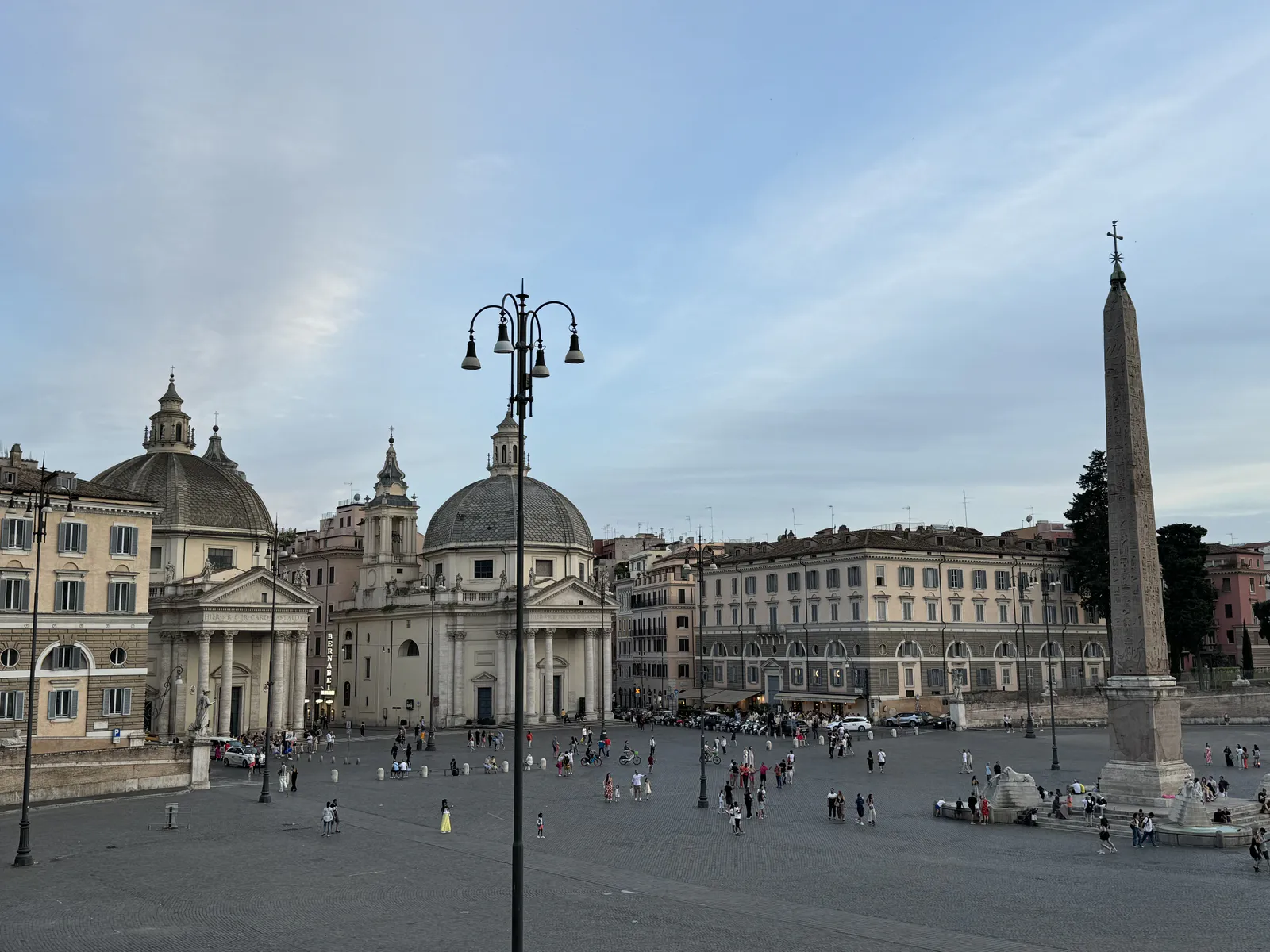
Santa Maria dei Miracoli and Santa Maria in Montesanto
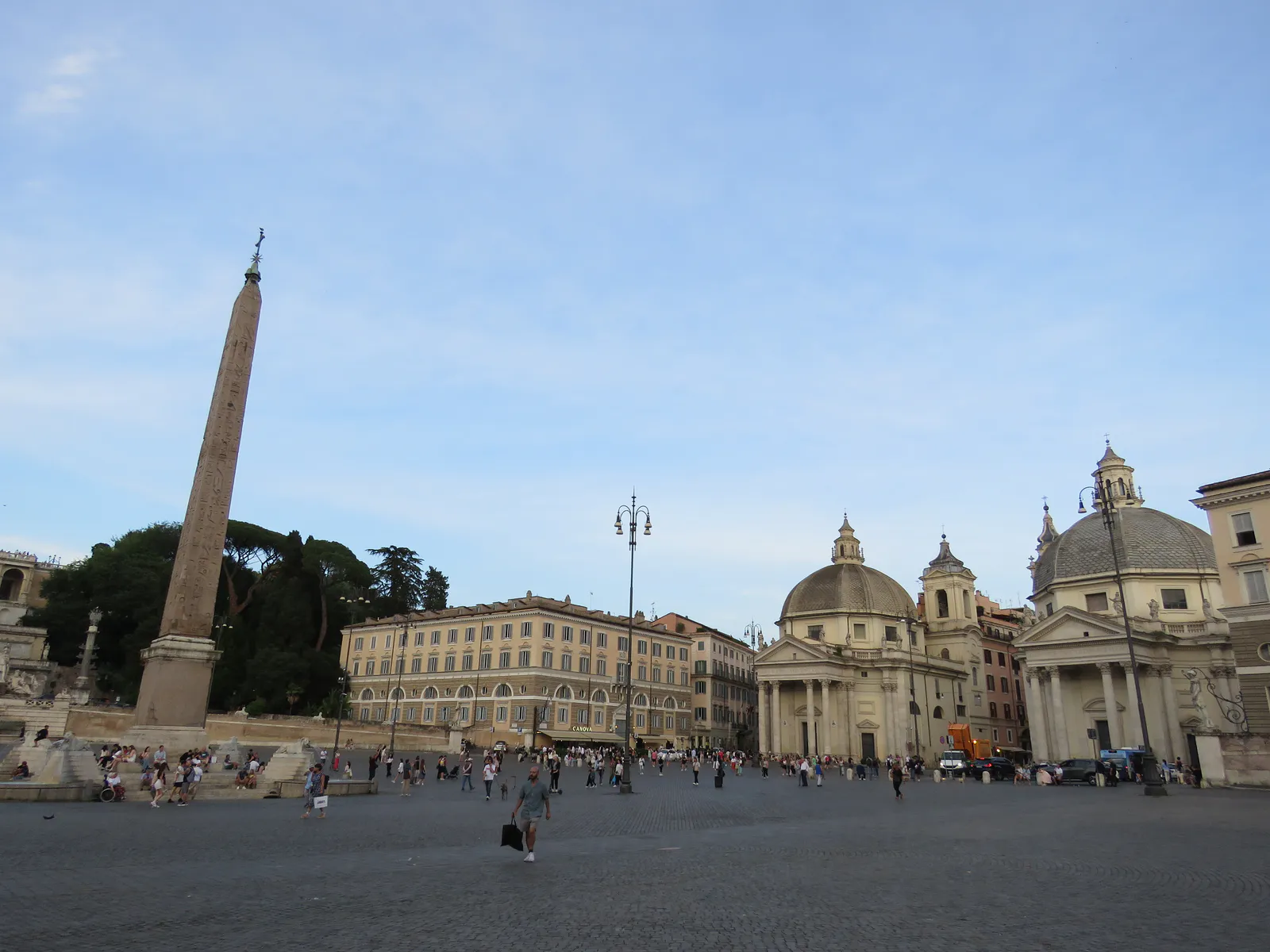
Flaminio Obelisk and Twin Churches
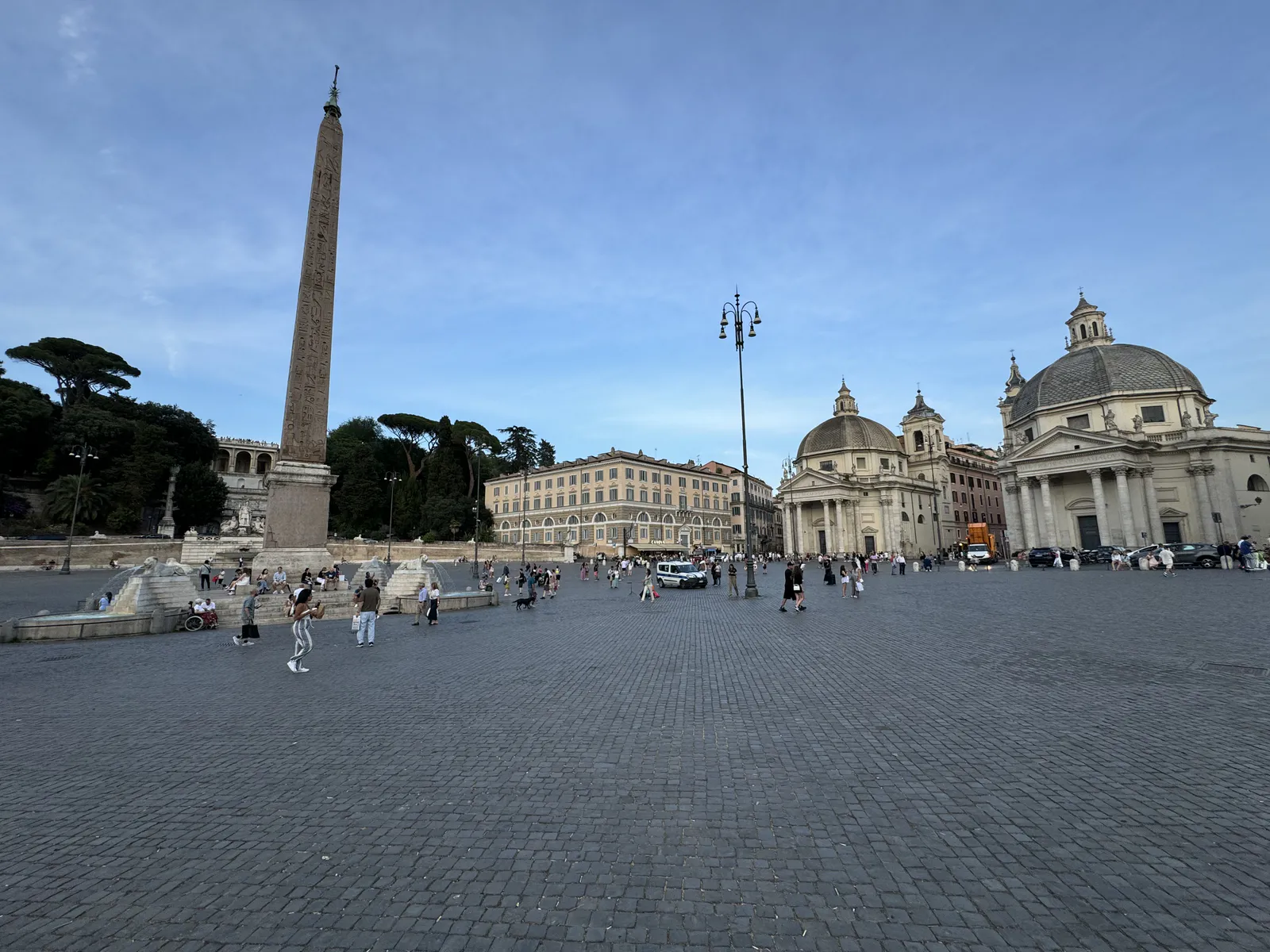
Obelisk, Fountain and Twin Churches

Piazza del Popolo

2964
Piazza del Popolo has long been Rome’s northern threshold, where the Via Flaminia reached the city and processions announced arrival. At its center stands the Flaminio Obelisk, carved in Egypt in the 13th c. BC, brought to Rome by Augustus and raised here in 1589 under Sixtus V, turning an imperial trophy into a Christian signpost. The paired churches of Santa Maria dei Miracoli and Santa Maria in Montesanto (1675–81) and Giuseppe Valadier’s redesign (1811–20) shaped the square into a measured civic stage, framing the start of Via del Corso and a public image of Rome.
Explore by type and place
Rome
Castel Sant'Angelo

Content details

Language

Choose your site language.

Want to reach Max with a question, collaboration idea, academic inquiry, media proposal, or a thoughtful note? Use the form below and your message will go directly to him.

Direct email
connect@travelwithmax.com

Buy the Original

Fill out the form to request the original or high-resolution version of this photo.

AI Search