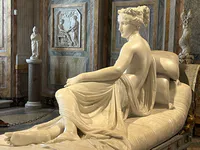
Pauline Bonaparte as Venus Victrix
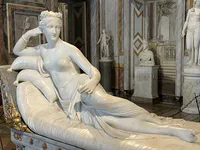
Pauline Bonaparte as Venus Victrix
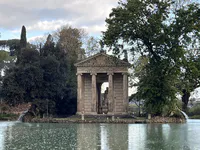
Temple of Aesculapius, Villa Borghese
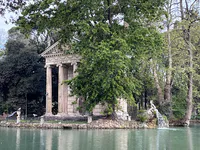
Temple of Aesculapius
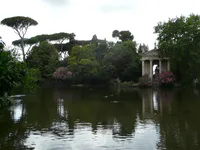
Temple of Aesculapius
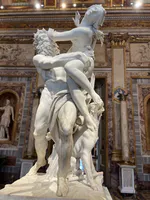
The Rape of Proserpina
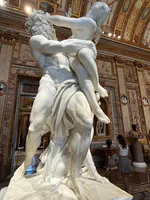
The Rape of Proserpina
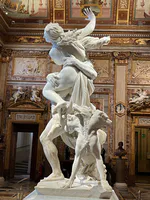
The Rape of Proserpina
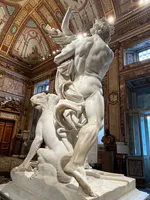
The Rape of Proserpina
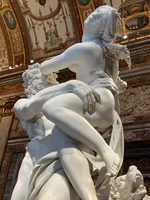
The Rape of Proserpina

The Rape of Proserpina

The Rape of Proserpina
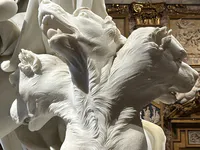
Cerberus
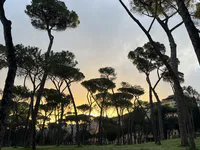
Sunset Among the Stone Pines
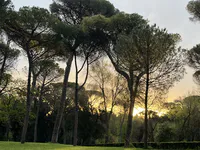
Sunset through the Stone Pines

Adoration of the Child

Adoration of the Child
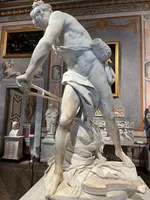
David
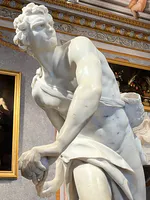
David
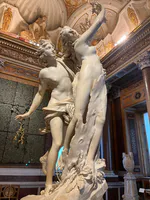
Apollo and Daphne
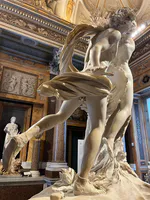
Apollo and Daphne
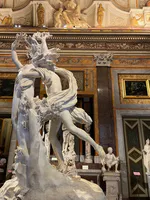
Apollo and Daphne
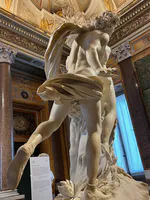
Apollo and Daphne
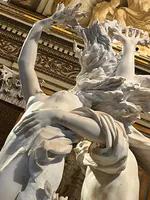
Apollo and Daphne
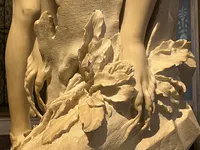
Daphne’s Transformed Feet
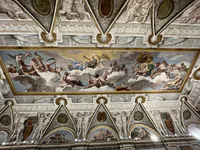
The Council of the Gods

The Council of the Gods

Saint Jerome Writing

Saint Jerome Writing
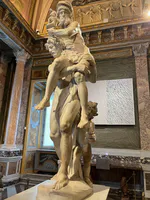
Aeneas, Anchises, and Ascanius
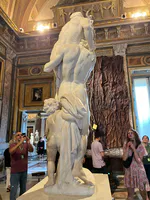
Aeneas, Anchises, and Ascanius

Ascanius
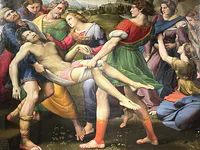
The Entombment
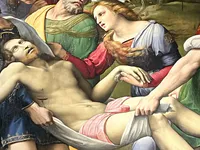
The Entombment

The Entombment
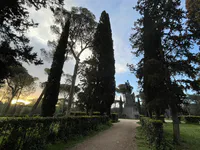
Bronze Statue of King Umberto I
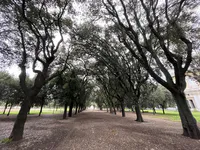
Shaded Promenade of Villa Borghese

Young Sick Bacchus

David with the Head of Goliath
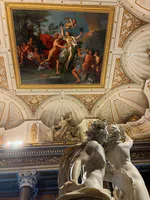
Apollo and Daphne with The Apotheosis of Romulus
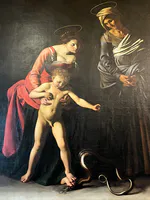
Madonna and Child with St Anne

Roman Civilization and the Heroic Virtue of Honor
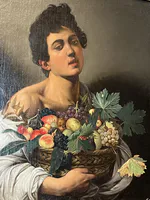
Boy with a Basket of Fruit
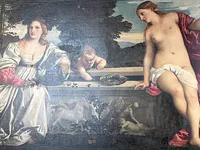
Sacred and Profane Love
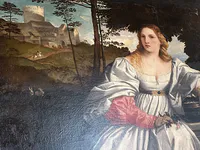
Sacred and Profane Love
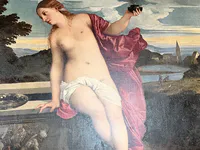
Sacred and Profane Love
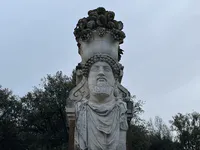
Male Herm with Fruit Basket
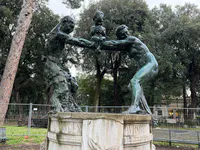
Fountain of the Satyrs
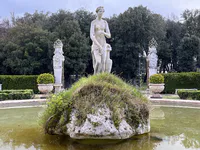
Fountain of Venus
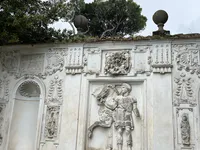
Prospettiva Wall, Parco dei Daini
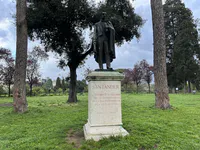
Monument to Francisco de Paula Santander
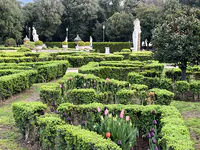
Parterre with Statues and Tulips
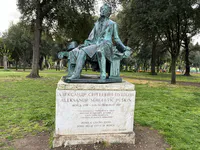
Monument to Alexander Pushkin
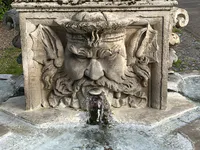
Grotesque Fountain Mask
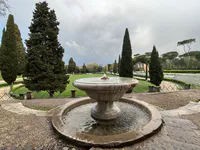
Parterre and Fountain
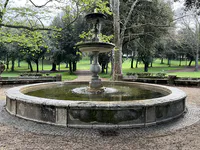
The Quiet Fountain
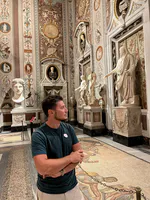
Max Amid Roman Echoes

The Apotheosis of Romulus
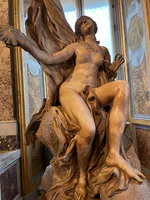
Truth Unveiled by Time
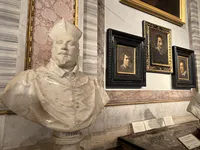
Bust of Cardinal Scipione Borghese
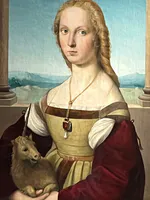
Young Woman with a Unicorn
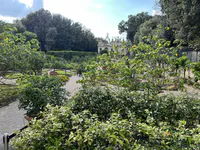
Historic Gardens of Villa Borghese
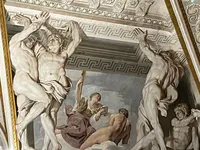
Atlantes and Deities
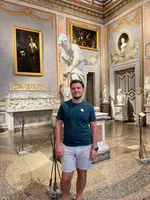
Max aming Berninis and Caravaggios

Pope Paul V Borghese
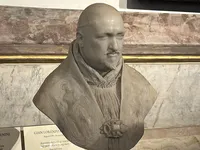
Pope Paul V
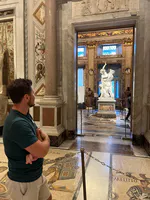
Max Contemplates Bernini’s Pluto and Proserpina

Venus Blindfolding Cupid
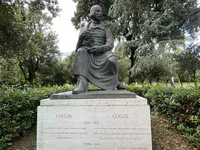
Nikolai Gogol
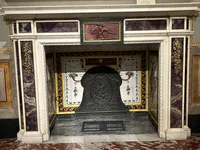
Fireplace
Villa Borghese
Villa Borghese is more than a park; it is a cultivated landscape that reflects centuries of Roman ambition to merge nature, art, and leisure into a single harmonious vision. Originally designed in the early seventeenth century for Cardinal Scipione Borghese, the estate was conceived as a retreat where sculpture, architecture, and gardens would converse with one another, creating an open-air extension of the cultural ideals of its age. The sweeping lawns, shaded avenues, and carefully orchestrated vistas are as much a statement of power and refinement as the villa itself, framing the city while offering respite from its intensity. Over time, Villa Borghese has come to embody the Roman tradition of integrating beauty with public life, serving as both sanctuary and stage for collective memory. It is a space where cultivated nature is not an escape from the city but a mirror of its cultural identity, a reminder that heritage is lived not only in stone and canvas but also in gardens shaped for contemplation and gathering.
Explore by type and place