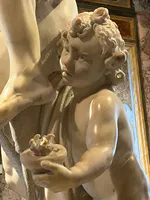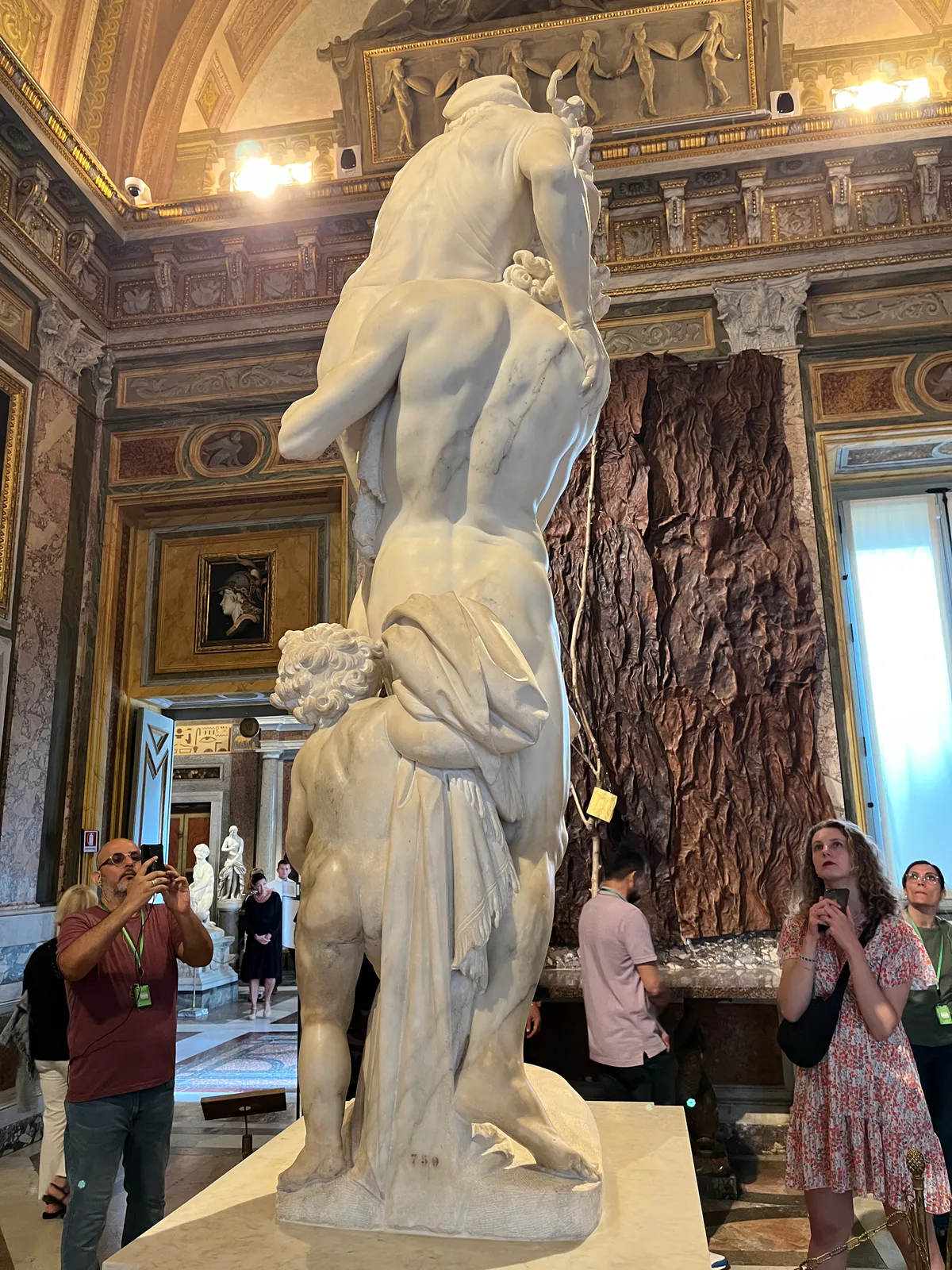
Aeneas, Anchises, and Ascanius
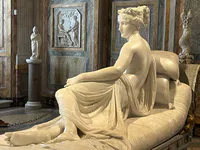
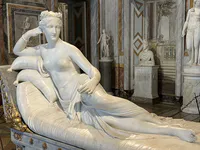
Pauline Bonaparte as Venus VictrixPauline Bonaparte as Venus Victrix
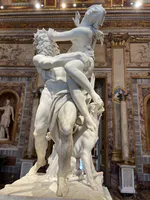
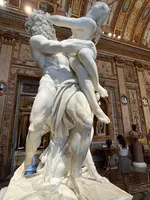
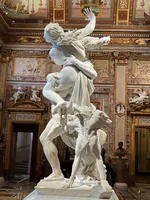
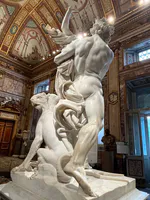
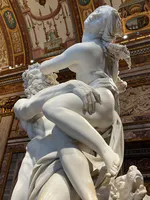
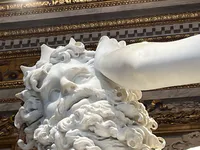
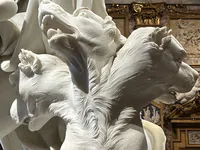
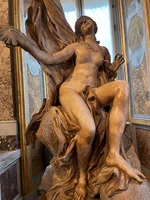
The Rape of ProserpinaThe Rape of ProserpinaThe Rape of ProserpinaThe Rape of ProserpinaThe Rape of ProserpinaThe Rape of ProserpinaThe Rape of ProserpinaCerberus
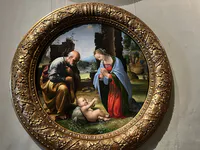
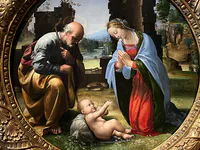
Adoration of the ChildAdoration of the Child
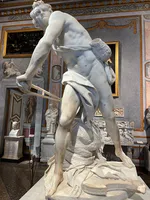
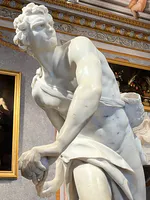
DavidDavid
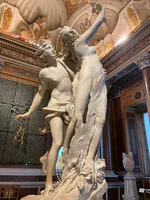
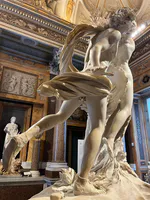
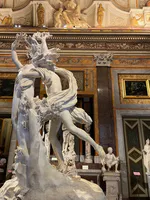
Apollo and DaphneApollo and DaphneApollo and DaphneApollo and DaphneApollo and DaphneDaphne’s Transformed Feet
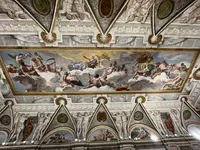
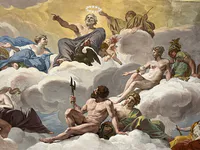
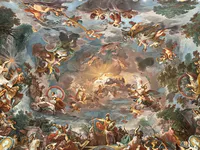
The Council of the GodsThe Council of the Gods
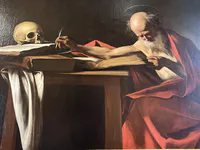
Saint Jerome WritingSaint Jerome Writing
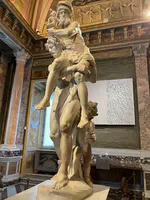
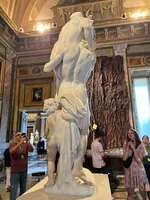
Aeneas, Anchises, and AscaniusAeneas, Anchises, and AscaniusAscanius
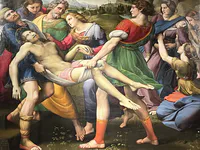
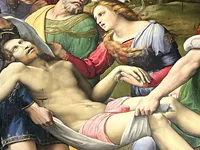
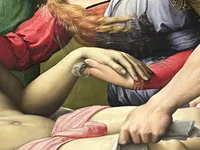
The EntombmentThe EntombmentThe Entombment
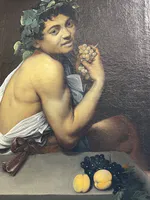
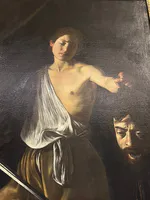
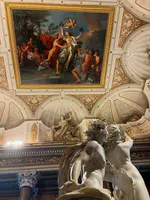
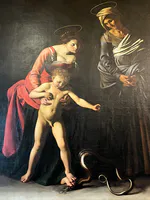
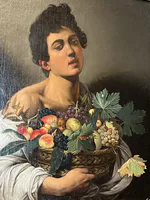
Young Sick BacchusDavid with the Head of GoliathApollo and Daphne with The Apotheosis of RomulusMadonna and Child with St AnneRoman Civilization and the Heroic Virtue of HonorBoy with a Basket of Fruit
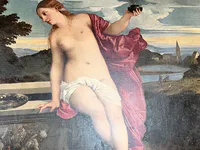
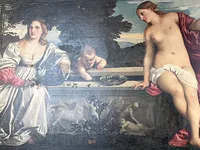
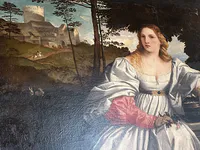
Sacred and Profane LoveSacred and Profane LoveSacred and Profane Love
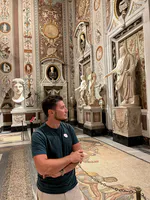
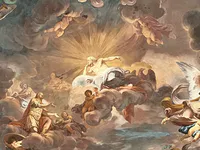
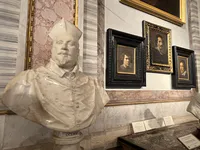
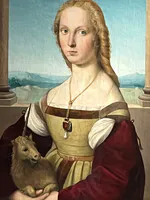
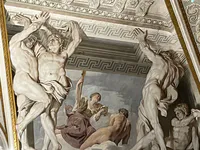
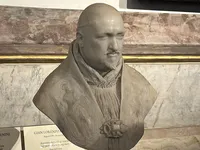
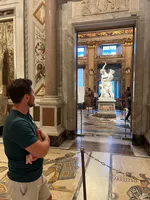
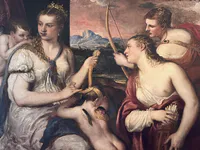
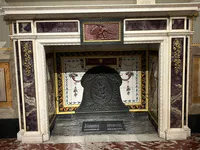
Max Amid Roman EchoesThe Apotheosis of RomulusTruth Unveiled by TimeBust of Cardinal Scipione BorgheseYoung Woman with a UnicornHistoric Gardens of Villa BorgheseAtlantes and DeitiesMax aming Berninis and CaravaggiosPope Paul V BorghesePope Paul VMax Contemplates Bernini’s Pluto and ProserpinaVenus Blindfolding CupidFireplace

Aeneas, Anchises, and AscaniusBernini

1520
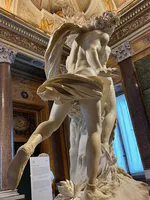
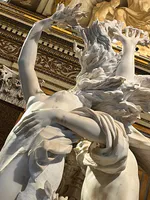
This dynamic trio (1618–19) captures Aeneas fleeing Troy, bearing his father Anchises and guiding his son Ascanius. Each figure embodies a Roman virtue: piety, memory, and hope. One of Bernini’s earliest masterpieces, it blends classical myth with Baroque vitality, inaugurating a new sculptural language of movement, emotion, and legacy.