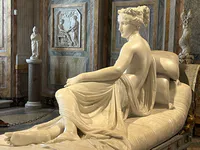
Pauline Bonaparte as Venus Victrix
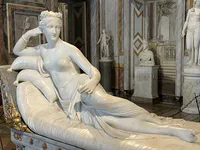
Pauline Bonaparte as Venus Victrix
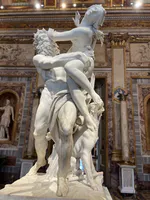
The Rape of Proserpina
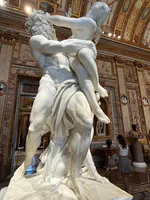
The Rape of Proserpina
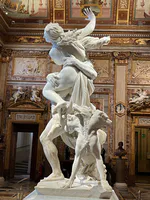
The Rape of Proserpina
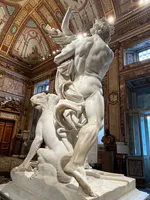
The Rape of Proserpina
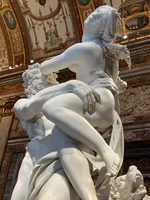
The Rape of Proserpina

The Rape of Proserpina
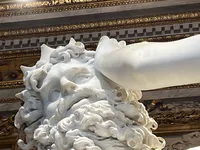
The Rape of Proserpina
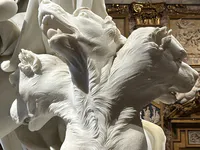
Cerberus
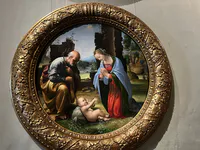
Adoration of the Child

Adoration of the Child
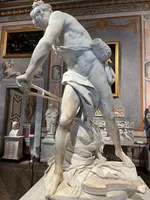
David

David
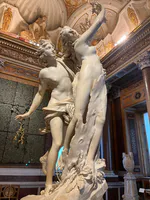
Apollo and Daphne
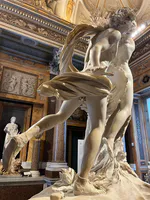
Apollo and Daphne
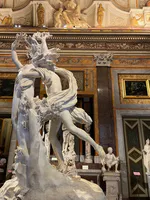
Apollo and Daphne
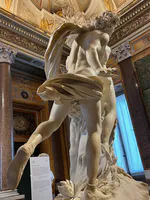
Apollo and Daphne
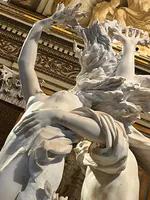
Apollo and Daphne
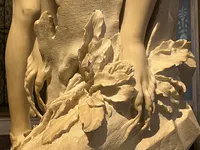
Daphne’s Transformed Feet
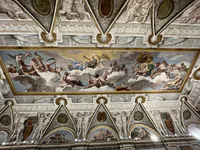
The Council of the Gods

The Council of the Gods

Saint Jerome Writing

Saint Jerome Writing
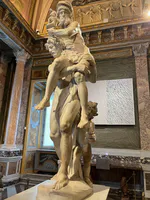
Aeneas, Anchises, and Ascanius
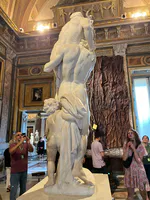
Aeneas, Anchises, and Ascanius

Ascanius

The Entombment

The Entombment

The Entombment

Young Sick Bacchus

David with the Head of Goliath
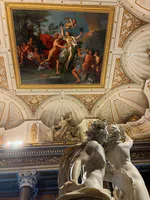
Apollo and Daphne with The Apotheosis of Romulus
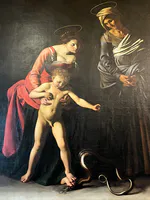
Madonna and Child with St Anne
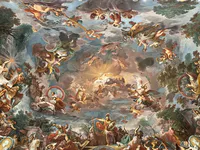
Roman Civilization and the Heroic Virtue of Honor
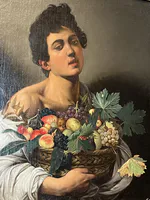
Boy with a Basket of Fruit
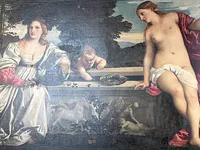
Sacred and Profane Love
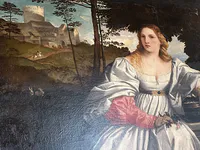
Sacred and Profane Love
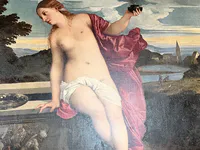
Sacred and Profane Love
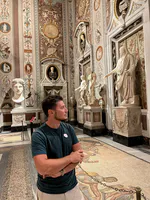
Max Amid Roman Echoes

The Apotheosis of Romulus
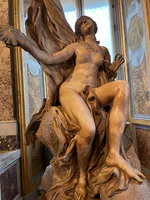
Truth Unveiled by Time
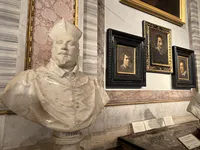
Bust of Cardinal Scipione Borghese

Young Woman with a Unicorn
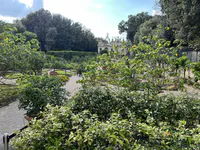
Historic Gardens of Villa Borghese
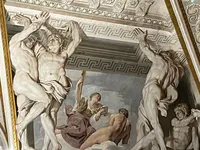
Atlantes and Deities
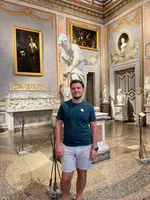
Max aming Berninis and Caravaggios

Pope Paul V Borghese

Pope Paul V
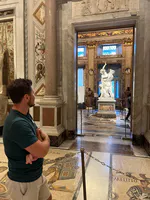
Max Contemplates Bernini’s Pluto and Proserpina

Venus Blindfolding Cupid
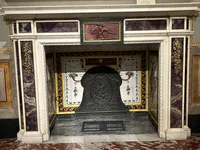
Fireplace
Borghese GalleryGalleria Borghese
The Galleria Borghese, created in the early seventeenth century by Cardinal Scipione Borghese as both a pleasure villa and an art treasury, is a masterpiece of collection and setting. Its importance lies not only in the works it houses—Bernini sculptures that seem to breathe, Caravaggio canvases that hold light and shadow in tension, and paintings by Raphael and Titian that define epochs—but also in how the collection reflects the ambitions and refined taste of a powerful patron in Baroque Rome.
Set amid gardens designed for reflection and display, the villa itself is part of the story, a place where art, landscape, and architecture merge to affirm prestige, spirituality, and cultural vision. Over the centuries, the Galleria Borghese has come to embody the fusion of private desire and public heritage, offering a window into a time when art served as both devotion and declaration, and when creativity and power were closely intertwined.
Set amid gardens designed for reflection and display, the villa itself is part of the story, a place where art, landscape, and architecture merge to affirm prestige, spirituality, and cultural vision. Over the centuries, the Galleria Borghese has come to embody the fusion of private desire and public heritage, offering a window into a time when art served as both devotion and declaration, and when creativity and power were closely intertwined.
Explore by type and place