WelcomeAboutMeet MaxLife as a JourneyAcademic LifeContact
Start Exploring:
AfricaAmericaAsiaEuropeOceania
TermsPrivacyCookiesCopyrightPermissionsAffiliate Disclosure
1993–2026 © Maxim Tabachnik Design by Diagilev
Travel With Max Learn  •  Admire  •  Soar
Europe
AfricaAmericaAsiaEuropeOceania
⇢
Italy
DenmarkFranceGermanyIcelandItalyLatviaNetherlandsPortugalRussiaSpainSwedenUkraineUnited KingdomVatican City
⇢
Rome
BariCagliariGenoaLake MaggioreLuccaMilanNaplesOstiaPisaRomeSicilyTivoliVenice
⇢
Villa Borghese Gardens
Borghese GalleryVilla Borghese Gardens
English
EnglishEspañolDeutschРусский中文日本語한국어FrançaisPortuguêsالعربية
Support the Project
Bronze Statue of King Umberto I
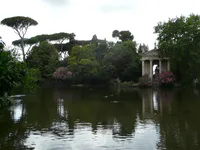
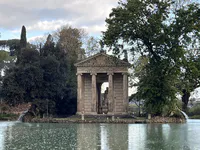
Temple of Aesculapius, Villa Borghese
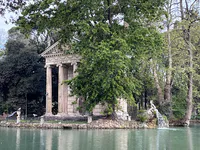
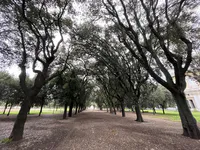
Shaded Promenade of Villa Borghese
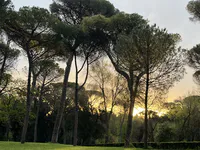
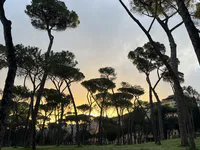
Sunset Among the Stone Pines
Temple of Aesculapius
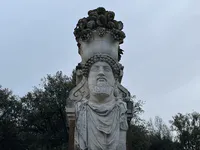
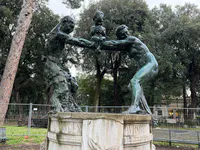
Male Herm with Fruit Basket
Fountain of the Satyrs
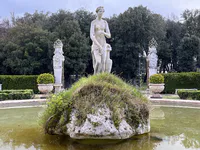
Fountain of Venus
Fountain of Venus
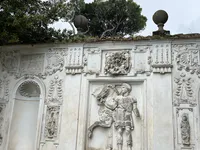
Prospettiva Wall, Parco dei Daini
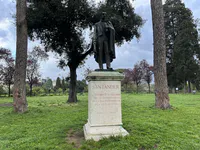
Monument to Francisco de Paula Santander
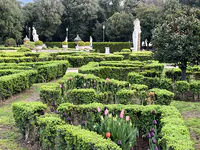
Parterre with Statues and Tulips
Temple of Aesculapius
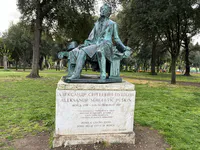
Monument to Alexander Pushkin
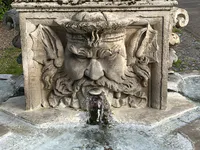
Grotesque Fountain Mask
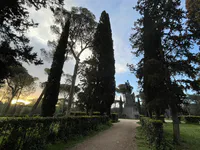
Sunset through the Stone Pines
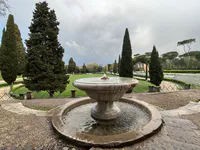
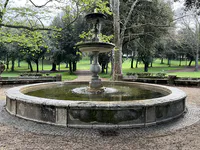
Parterre and Fountain
The Quiet Fountain
The Quiet Fountain
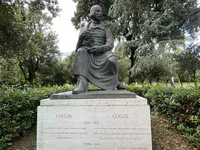
Nikolai Gogol
Nikolai Gogol

Villa Borghese Gardens

7328
Villa Borghese Gardens are the landscaped heart of the Villa Borghese estate, begun in the early 17th c. as Cardinal Scipione Borghese’s private realm of controlled nature, classical display, and theatrical views. Baroque geometry survives in avenues and parterre spaces, later softened by lakes, groves, and features such as the Temple of Aesculapius (1785–92), where Enlightenment ideals linked health, beauty, and ordered scenery. Opened to the public in 1903, the gardens became one of Rome’s most familiar civic refuges, where art and greenery still shape how the city imagines respite.
Explore by type and place
Villa Borghese
Borghese Gallery

Content details

Language

Choose your site language.

Want to reach Max with a question, collaboration idea, academic inquiry, media proposal, or a thoughtful note? Use the form below and your message will go directly to him.

Direct email
connect@travelwithmax.com

Buy the Original

Fill out the form to request the original or high-resolution version of this photo.

AI Search