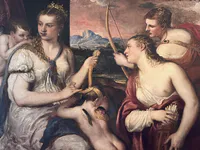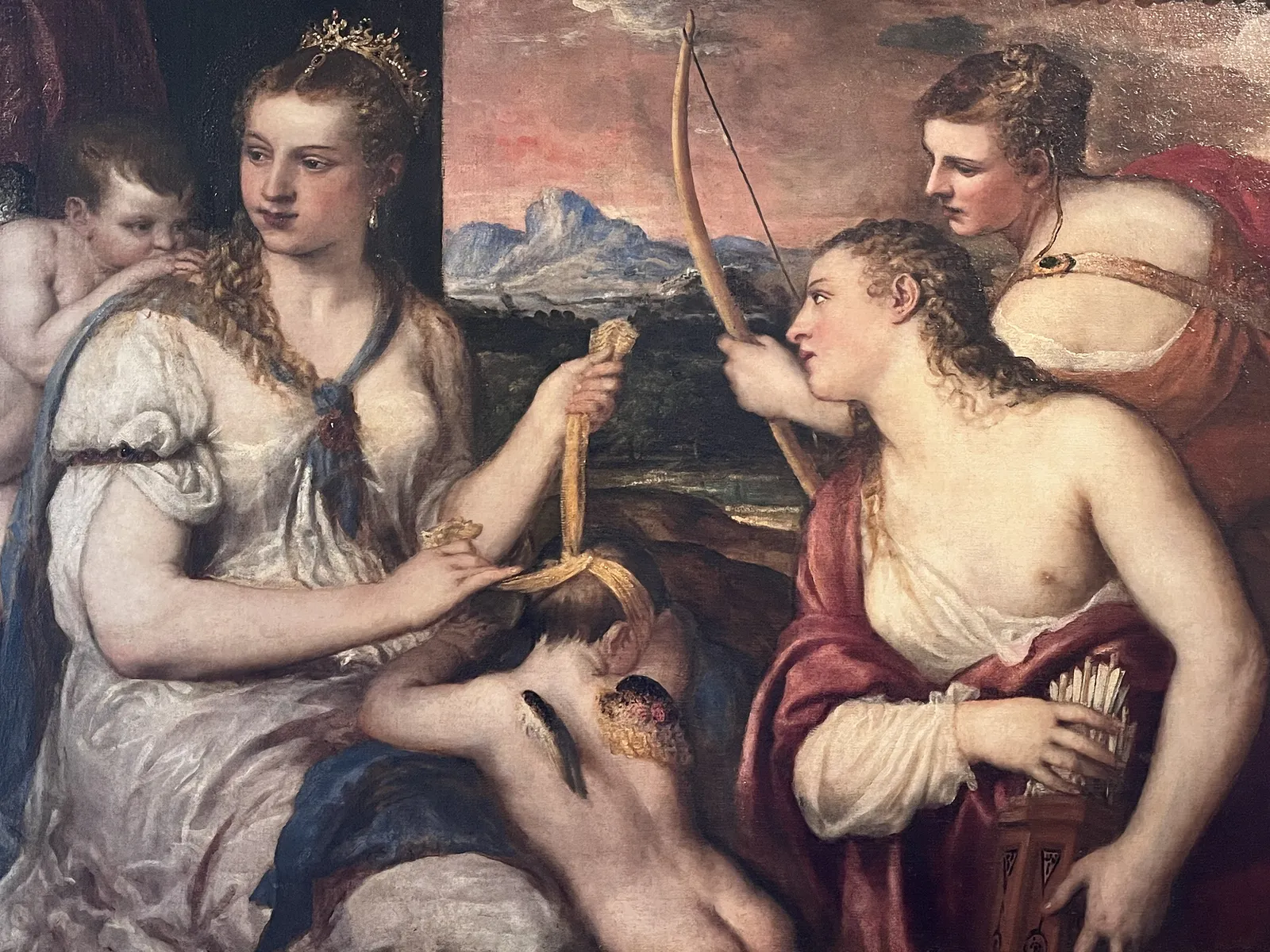
Venus Blindfolding Cupid
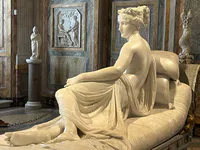
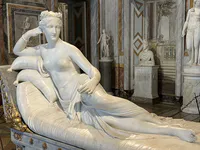
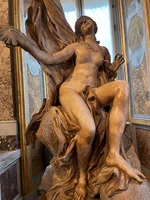
Pauline Bonaparte as Venus VictrixPauline Bonaparte as Venus Victrix
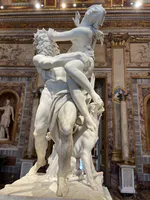
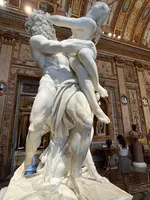
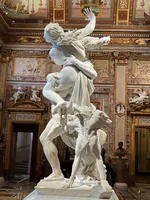
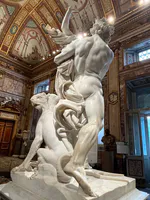
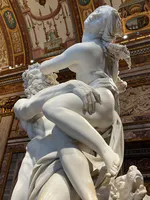
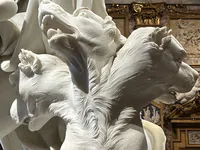
The Rape of ProserpinaThe Rape of ProserpinaThe Rape of ProserpinaThe Rape of ProserpinaThe Rape of ProserpinaThe Rape of ProserpinaThe Rape of ProserpinaCerberus
Adoration of the ChildAdoration of the Child
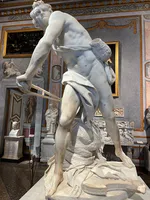
DavidDavid
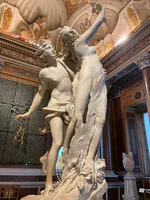
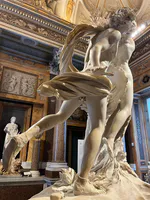
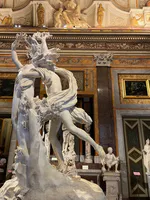
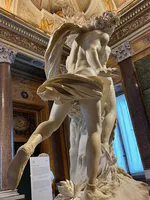
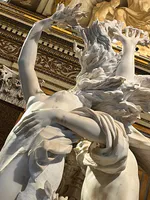
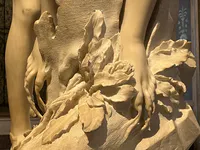
Apollo and DaphneApollo and DaphneApollo and DaphneApollo and DaphneApollo and DaphneDaphne’s Transformed Feet
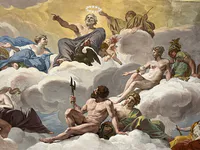
The Council of the GodsThe Council of the Gods
Saint Jerome WritingSaint Jerome Writing
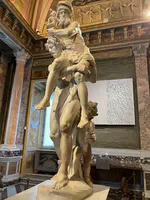
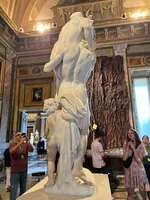
Aeneas, Anchises, and AscaniusAeneas, Anchises, and AscaniusAscanius
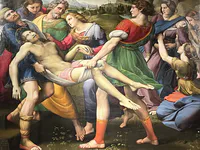
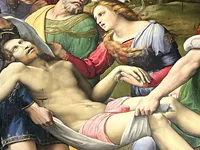
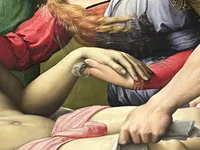
The EntombmentThe EntombmentThe Entombment
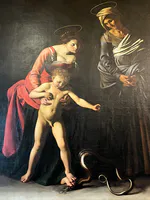
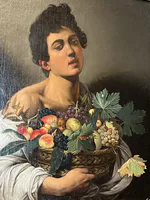
Young Sick BacchusDavid with the Head of GoliathApollo and Daphne with The Apotheosis of RomulusMadonna and Child with St AnneRoman Civilization and the Heroic Virtue of HonorBoy with a Basket of Fruit
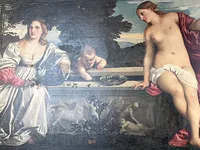
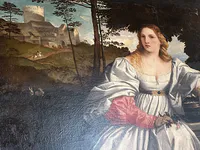
Sacred and Profane LoveSacred and Profane LoveSacred and Profane Love
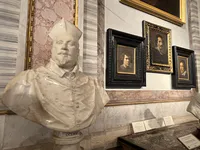
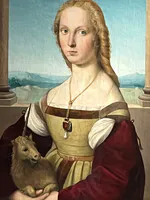
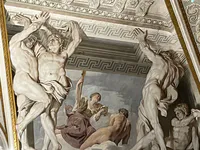
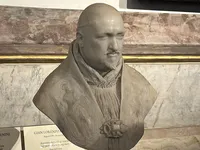
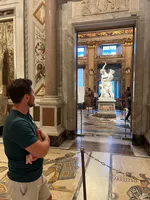
Max Amid Roman EchoesThe Apotheosis of RomulusTruth Unveiled by TimeBust of Cardinal Scipione BorgheseYoung Woman with a UnicornHistoric Gardens of Villa BorgheseAtlantes and DeitiesMax aming Berninis and CaravaggiosPope Paul V BorghesePope Paul VMax Contemplates Bernini’s Pluto and ProserpinaVenus Blindfolding CupidFireplace

Venus Blindfolding CupidTitian

1555
This work (c. 1565) explores love’s tension between reason and instinct. Venus gently ties Cupid’s eyes as two companions—possibly allegories of Prudence and Passion—look on. The act suggests love’s blindness, while the women’s calm presence evokes restraint, virtue, and the power of wisdom over desire.