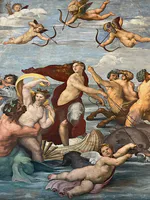
The Triumph of Galatea
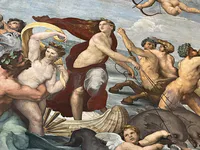
Triumph of Galatea
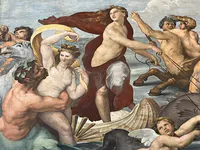
Triumph of Galatea
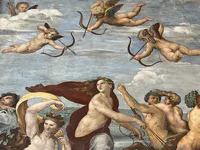
Triumph of Galatea
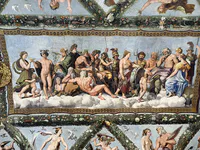
Council of the Gods

The Council of the Gods
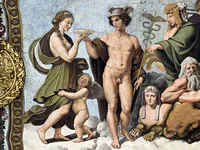
Council of the Gods
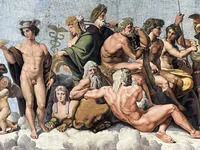
The Council of the Gods
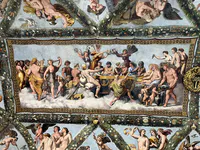
The Wedding Banquet of Cupid and Psyche
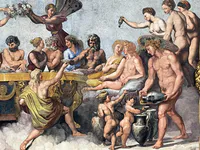
The Wedding Banquet of Cupid and Psyche
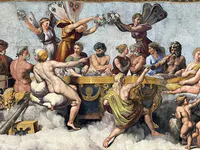
Wedding Banquet of Cupid and Psyche
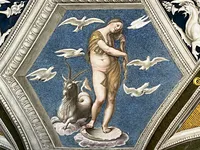
Venus and Capricorn
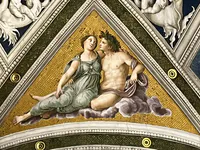
Bacchus and Ariadne
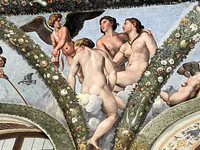
Cupid and the Three Graces

Mercury Brings Psyche up to Olympus
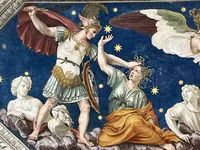
Perseus and Medusa

Cupid Pleads with Jupiter for Psyche

Hercules and the Hydra
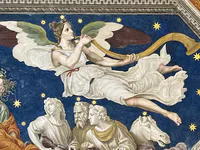
Fame and Medusa's Victims

Venus and the Doves
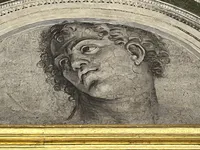
Head of a Youth
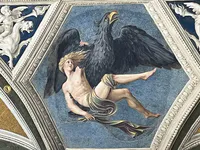
The Rape of Ganymede
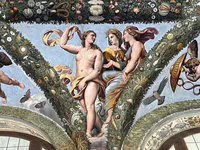
Venus Appeals to Ceres and Juno
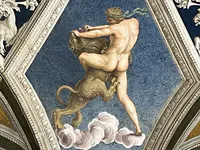
Hercules Defeating the Nemean Lion

The Fall of Phaeton

Dionysian Procession
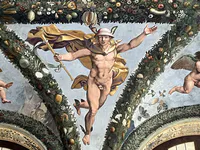
Mercury

Mercury
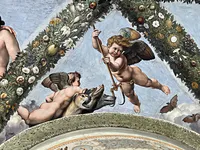
Putti with Cerberus
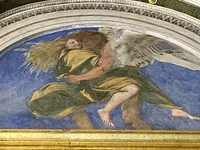
Abduction of Orithyia by Boreas
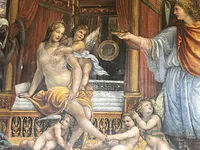
The Wedding of Alexander and Roxane
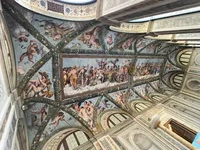
Ceiling of the Hall of Galatea

Venus Presenting Psyche to Cupid
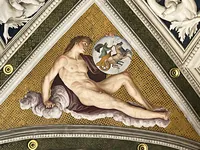
The Charioteer
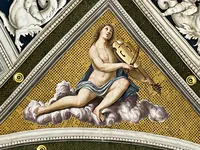
Lyra and Apollo
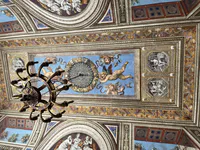
Ceiling with Putti and Garland
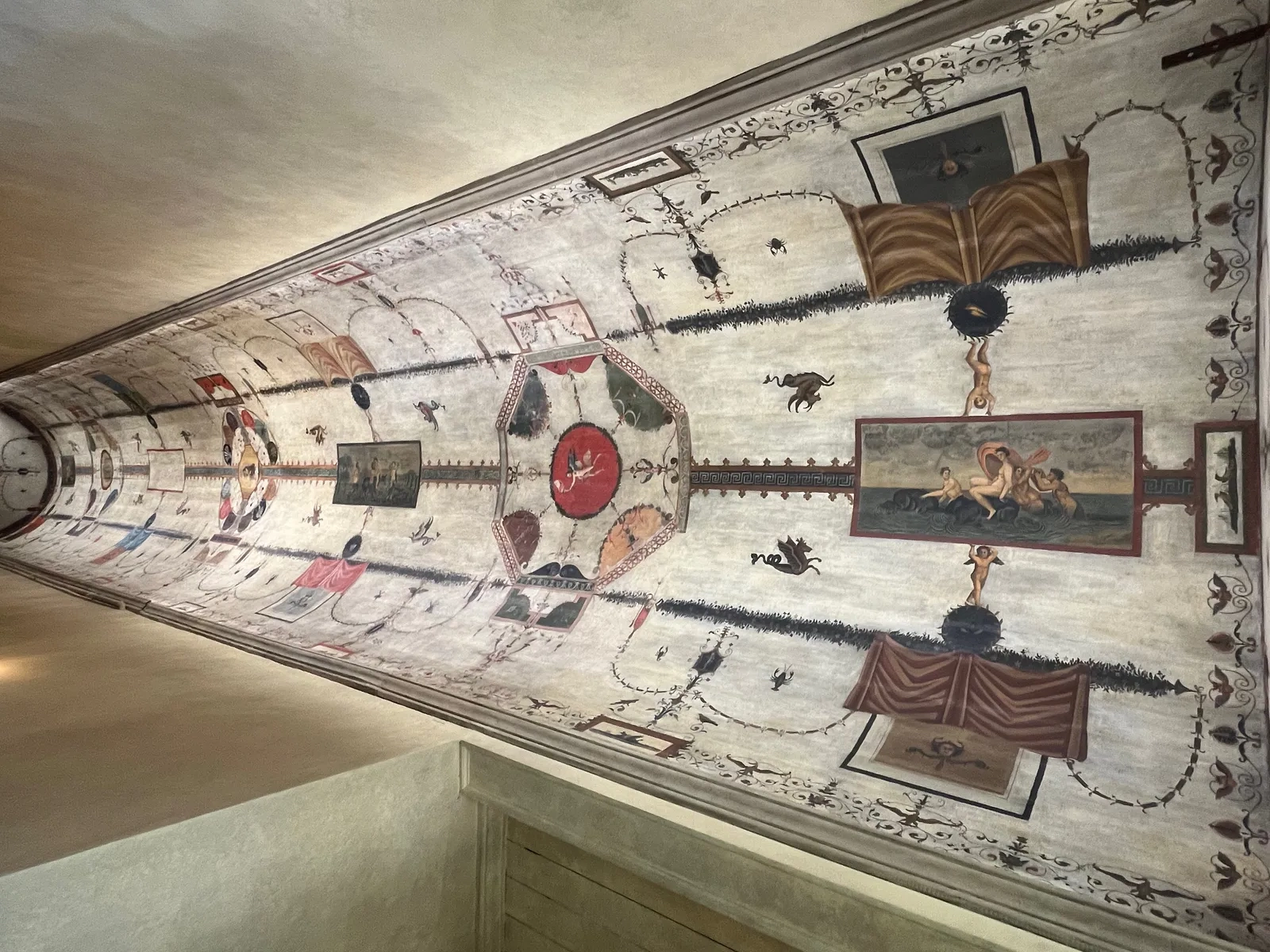
Corridor of the Grotesques
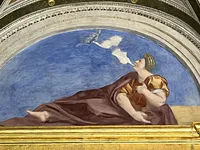
Zephyrus Blowing on Flora
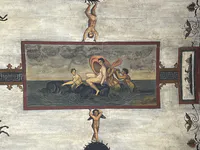
Marine Scene with Nereids

Illusionistic Architecture and Statue
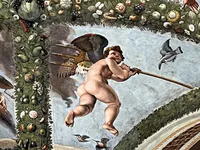
Putto with Trident
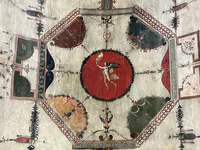
Grotesque Ceiling with Flying Figure
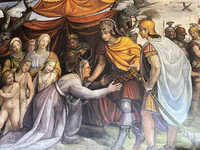
The Family of Darius Before Alexander

Venus and Jupiter

Putto with Thunderbolts
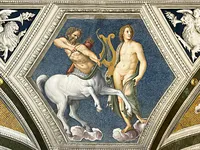
Apollo and the Centaur
Villa Farnesina
Villa Farnesina, set beside the Tiber in Trastevere, was built 1506–11 for the Sienese banker Agostino Chigi as a humanist retreat where ancient myth, astrology, and modern wealth could meet. Its airy architecture by Baldassarre Peruzzi frames fresco cycles by Raphael and others, from Galatea’s sea-borne triumph to the ceiling of Cupid and Psyche, turning reception rooms into learned theatre. Later taken over by the Farnese, the villa endures as one of Rome’s clearest statements of High Renaissance taste and ambition.
Explore by type and place