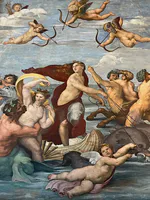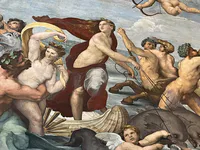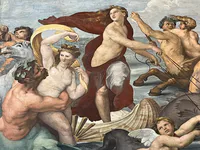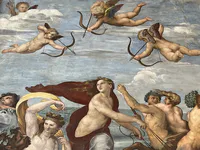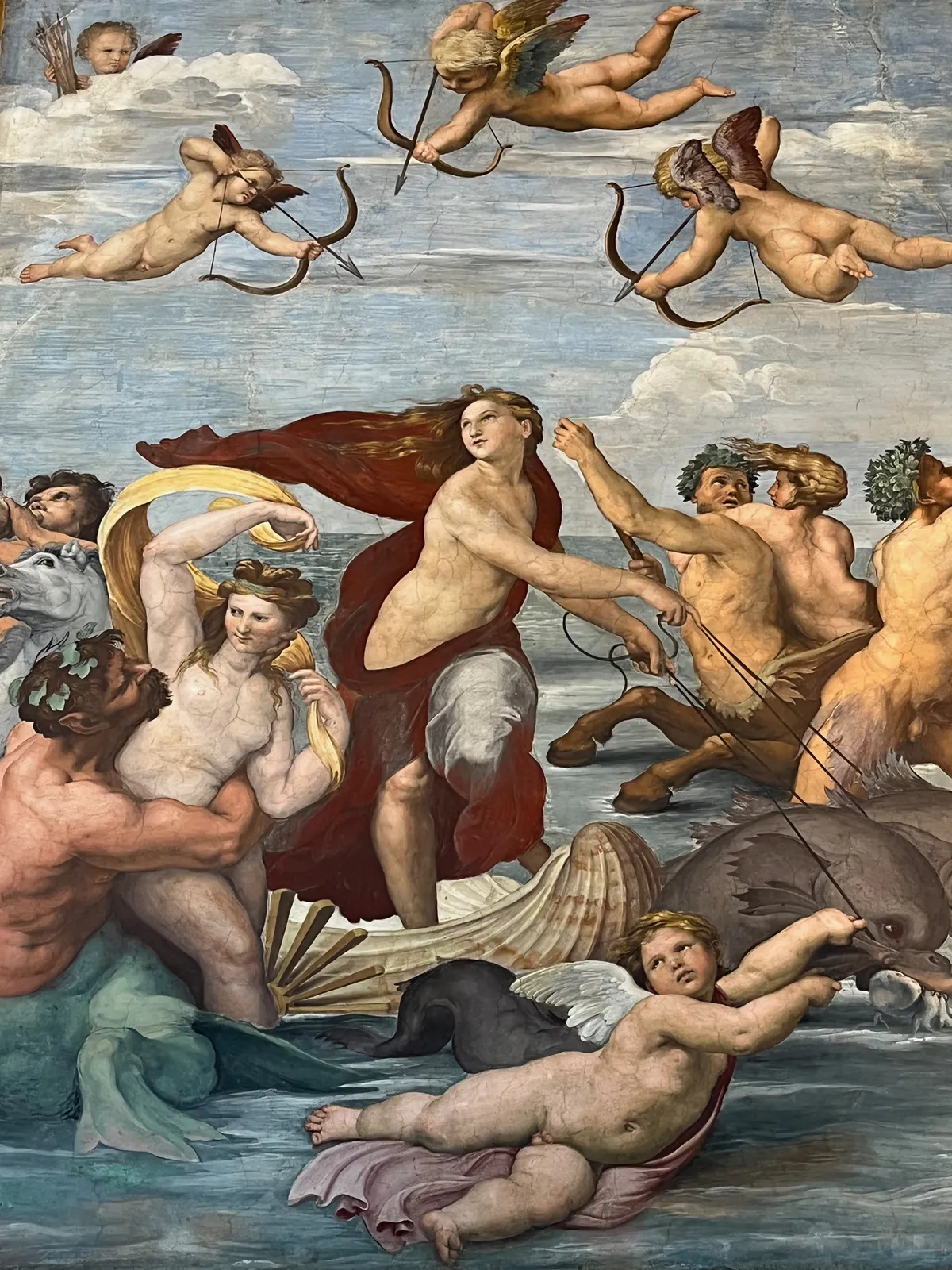
The Triumph of Galatea
The Triumph of GalateaTriumph of GalateaTriumph of GalateaTriumph of Galatea
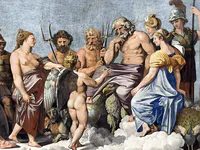
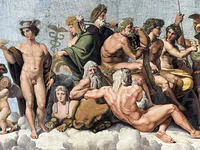
Council of the GodsThe Council of the GodsCouncil of the GodsThe Council of the Gods
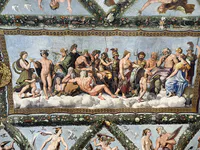
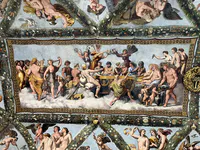
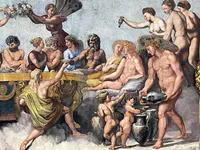
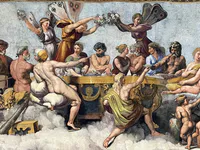
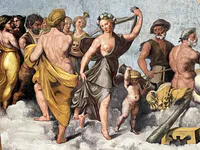
The Wedding Banquet of Cupid and PsycheThe Wedding Banquet of Cupid and PsycheWedding Banquet of Cupid and Psyche
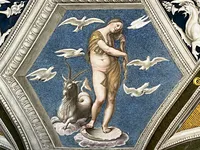
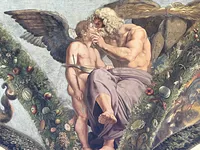
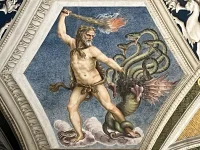
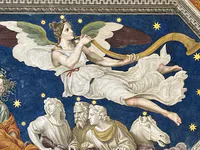
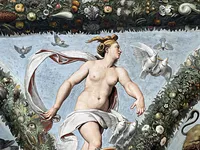
Venus and CapricornBacchus and AriadneCupid and the Three GracesMercury Brings Psyche up to OlympusPerseus and MedusaCupid Pleads with Jupiter for PsycheHercules and the HydraFame and Medusa's VictimsVenus and the DovesHead of a YouthThe Rape of GanymedeVenus Appeals to Ceres and JunoHercules Defeating the Nemean LionThe Fall of PhaetonDionysian Procession
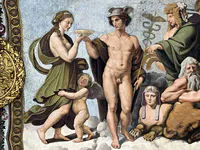
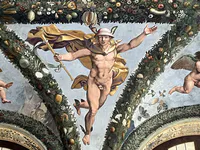
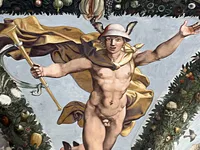
MercuryMercury
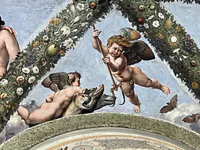
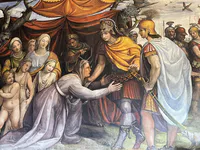
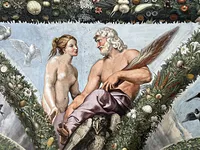
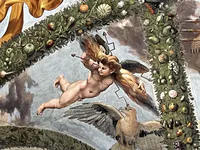
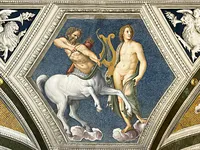
Putti with CerberusAbduction of Orithyia by BoreasThe Wedding of Alexander and RoxaneCeiling of the Hall of GalateaVenus Presenting Psyche to CupidThe CharioteerLyra and ApolloCeiling with Putti and GarlandCorridor of the GrotesquesZephyrus Blowing on FloraMarine Scene with NereidsIllusionistic Architecture and StatuePutto with TridentGrotesque Ceiling with Flying FigureThe Family of Darius Before AlexanderVenus and JupiterPutto with ThunderboltsApollo and the Centaur

The Triumph of GalateaRaphael

1080
In this fresco (c. 1512), Raphael transforms Galatea’s myth into a celebration of divine beauty. The sea nymph rides a shell chariot drawn by dolphins (linked to Venus), while cupids shoot arrows symbolizing love’s universal power. Though the original tale includes jealousy and tragedy, Raphael omits them, presenting an idealized vision of harmony and grace.