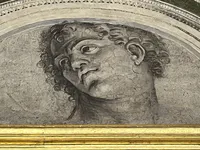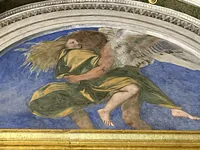
Head of a Youth
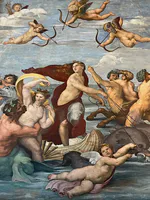
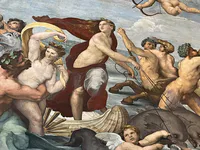
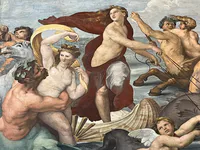
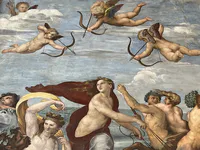
The Triumph of GalateaTriumph of GalateaTriumph of GalateaTriumph of Galatea
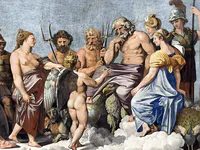
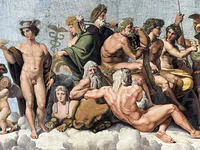
Council of the GodsThe Council of the GodsCouncil of the GodsThe Council of the Gods
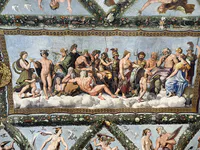
The Wedding Banquet of Cupid and PsycheThe Wedding Banquet of Cupid and PsycheWedding Banquet of Cupid and Psyche
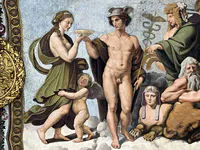
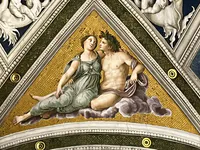
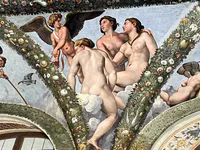
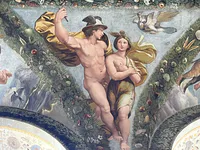
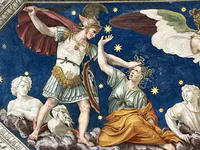
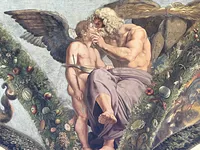
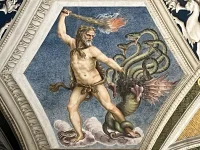
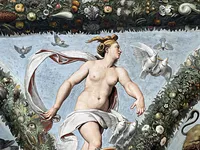
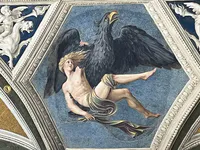
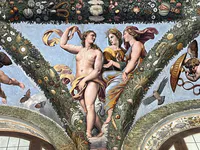
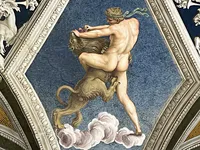
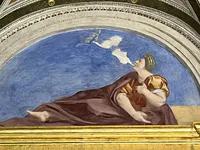
Venus and CapricornBacchus and AriadneCupid and the Three GracesMercury Brings Psyche up to OlympusPerseus and MedusaCupid Pleads with Jupiter for PsycheHercules and the HydraFame and Medusa's VictimsVenus and the DovesHead of a YouthThe Rape of GanymedeVenus Appeals to Ceres and JunoHercules Defeating the Nemean LionThe Fall of PhaetonDionysian Procession
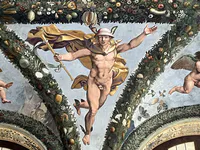
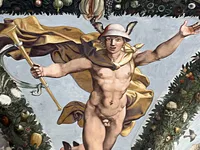
MercuryMercury
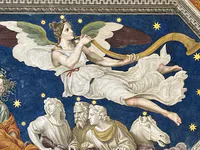
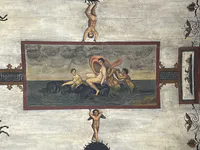
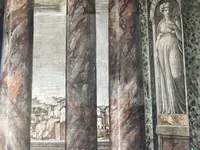
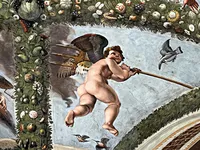
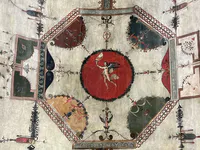
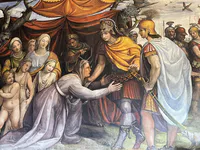
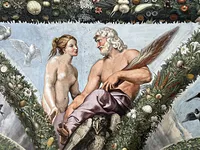
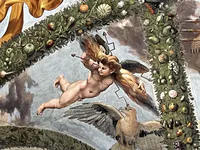
Putti with CerberusAbduction of Orithyia by BoreasThe Wedding of Alexander and RoxaneCeiling of the Hall of GalateaVenus Presenting Psyche to CupidThe CharioteerLyra and ApolloCeiling with Putti and GarlandCorridor of the GrotesquesZephyrus Blowing on FloraMarine Scene with NereidsIllusionistic Architecture and StatuePutto with TridentGrotesque Ceiling with Flying FigureThe Family of Darius Before AlexanderVenus and JupiterPutto with ThunderboltsApollo and the Centaur

Head of a YouthMichelangelo

1077
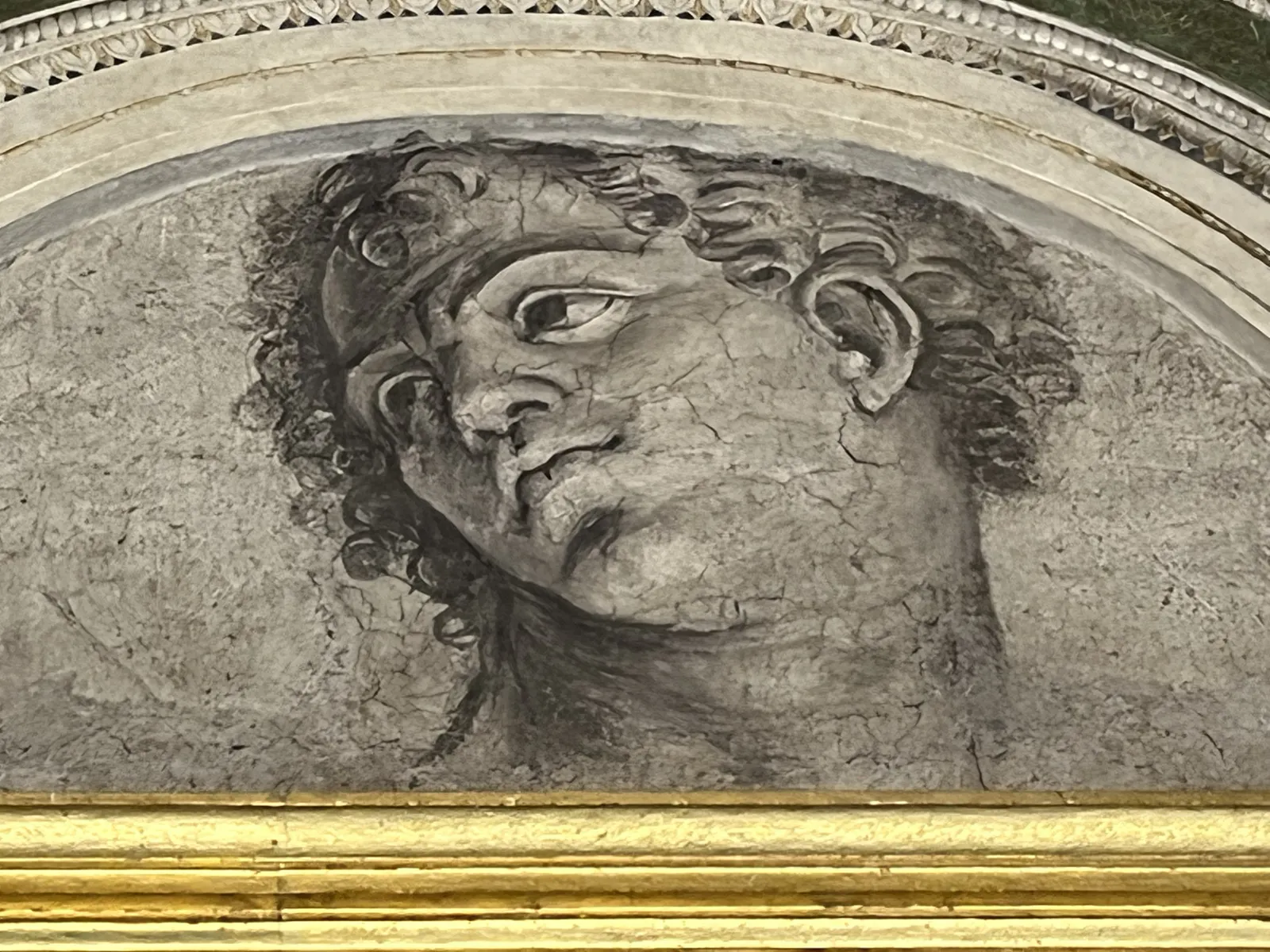
This charcoal head of a youth (1511–12) fills a shallow lunette, the face turned sharply upward and modeled with dense, sculptural shading. Created while Michelangelo worked at Villa Farnesina, it is understood as a visual homage to Raphael’s work in the same setting. The fusion of muscular anatomy with a calm, idealized profile demonstrates how Michelangelo engaged directly with Raphael’s Renaissance style.