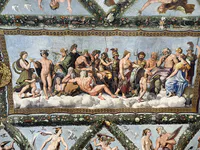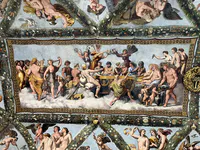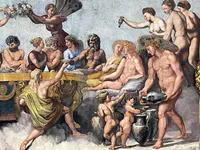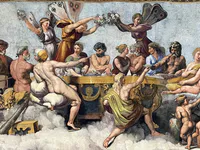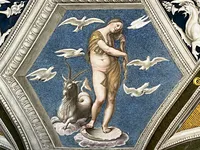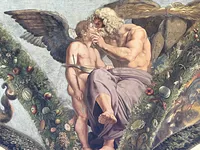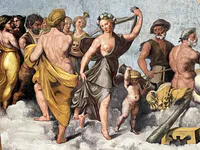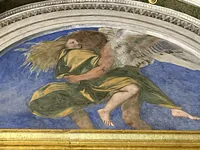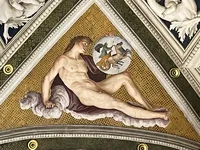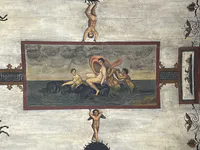
Bacchus and Ariadne
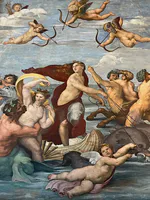
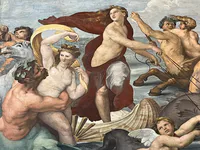
The Triumph of GalateaTriumph of GalateaTriumph of GalateaTriumph of Galatea
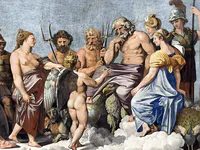
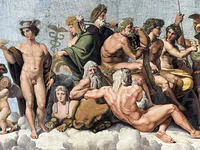
Council of the GodsThe Council of the GodsCouncil of the GodsThe Council of the Gods
The Wedding Banquet of Cupid and PsycheThe Wedding Banquet of Cupid and PsycheWedding Banquet of Cupid and Psyche
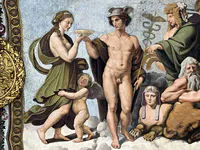
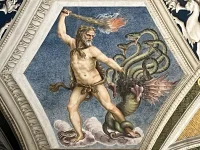
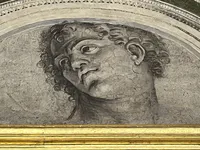
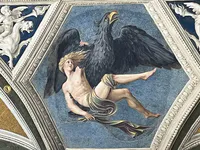
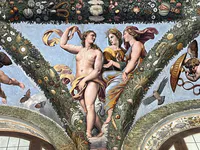
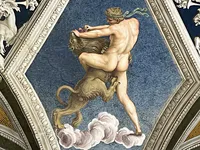
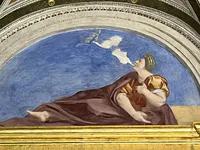
Venus and CapricornBacchus and AriadneCupid and the Three GracesMercury Brings Psyche up to OlympusPerseus and MedusaCupid Pleads with Jupiter for PsycheHercules and the HydraFame and Medusa's VictimsVenus and the DovesHead of a YouthThe Rape of GanymedeVenus Appeals to Ceres and JunoHercules Defeating the Nemean LionThe Fall of PhaetonDionysian Procession
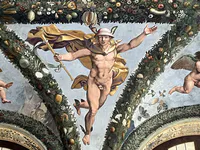
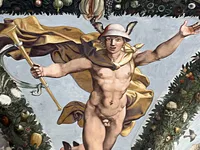
MercuryMercury
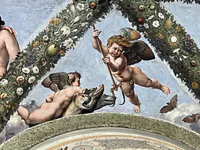
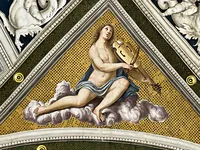
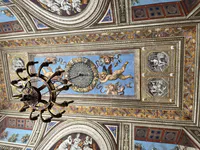
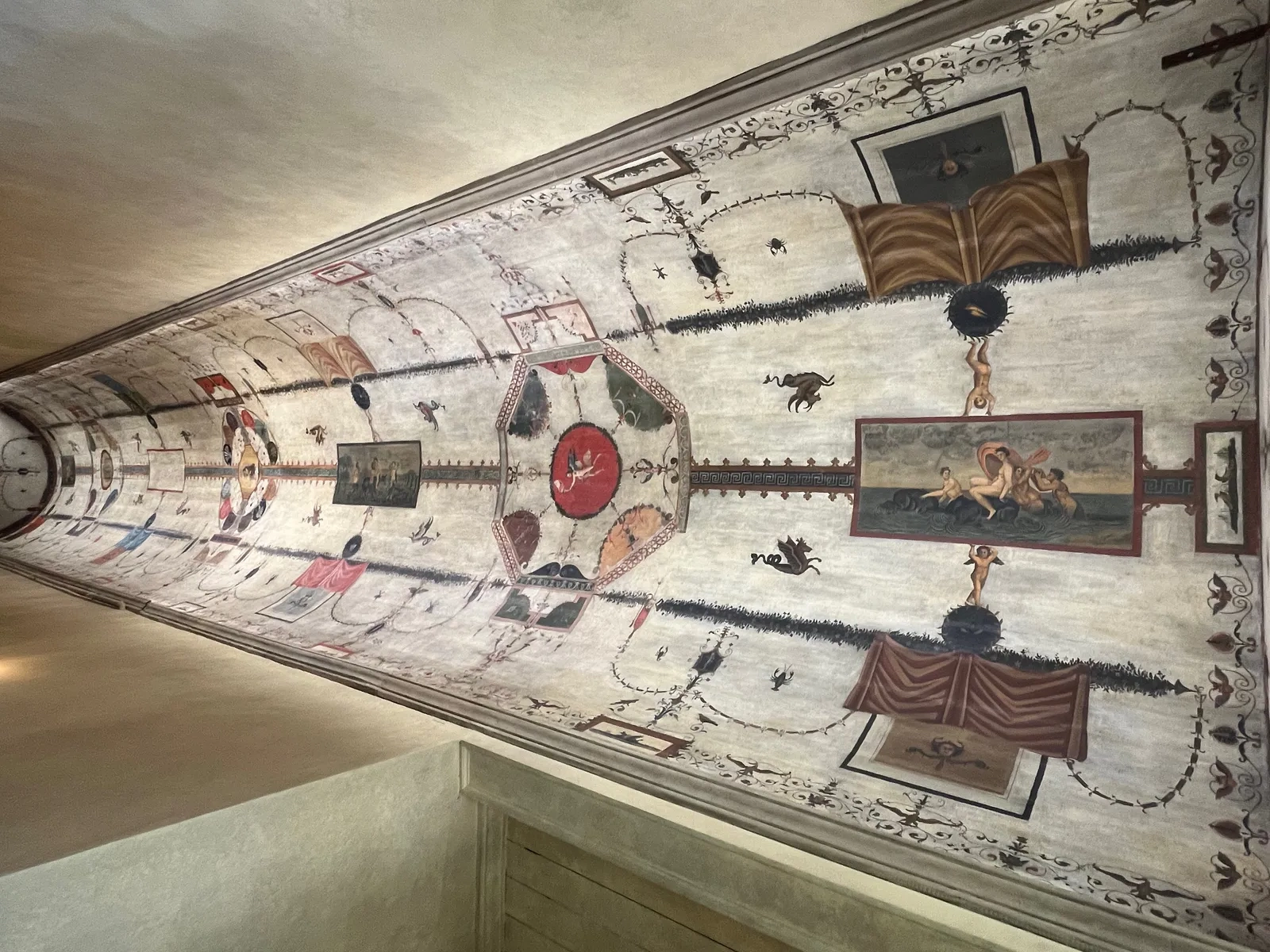
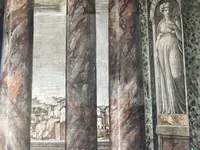
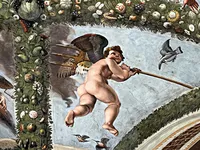
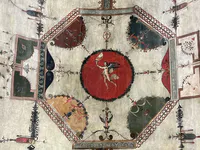
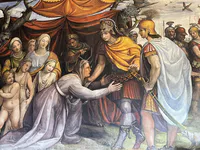
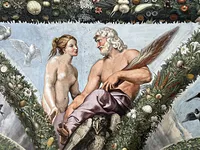
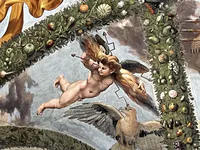
Putti with CerberusAbduction of Orithyia by BoreasThe Wedding of Alexander and RoxaneCeiling of the Hall of GalateaVenus Presenting Psyche to CupidThe CharioteerLyra and ApolloCeiling with Putti and GarlandCorridor of the GrotesquesZephyrus Blowing on FloraMarine Scene with NereidsIllusionistic Architecture and StatuePutto with TridentGrotesque Ceiling with Flying FigureThe Family of Darius Before AlexanderVenus and JupiterPutto with ThunderboltsApollo and the Centaur

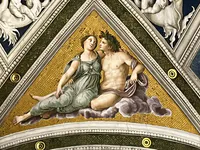
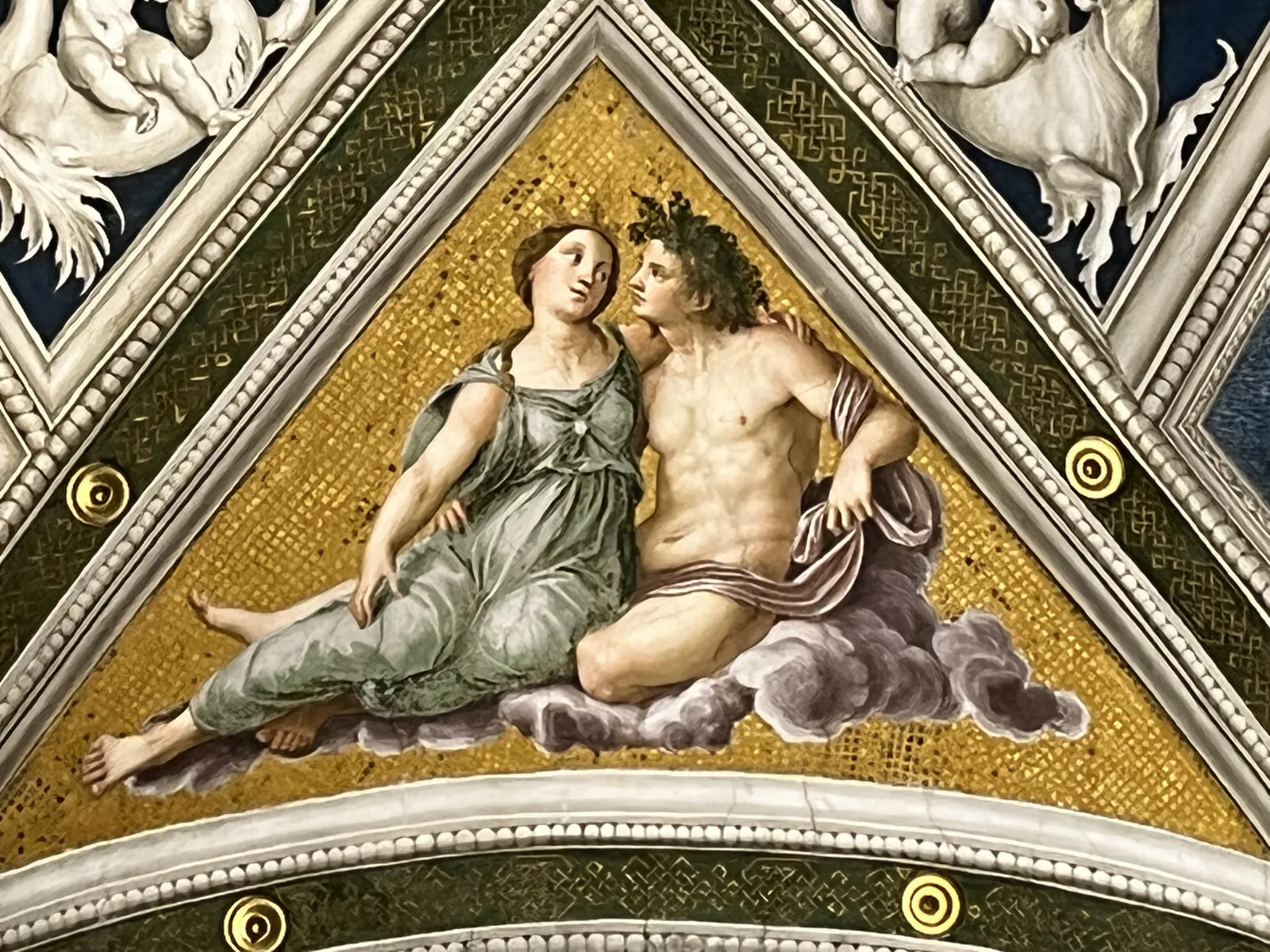
Bacchus and AriadneBaldassare Peruzzi

1058
Painted c. 1511 in the Loggia of Galatea, Villa Farnesina, this scene depicts Bacchus, the god of wine, with Ariadne, whom he marries after her abandonment by Theseus. The golden mosaic-like background evokes classical luxury, while Peruzzi’s composition aligns with the villa’s mythological and astrological themes. This artwork reflects Renaissance fascination with classical mythology and the interplay of fate and divine intervention.