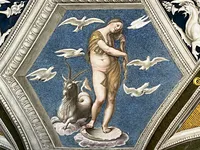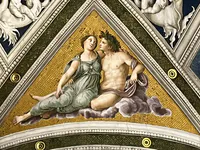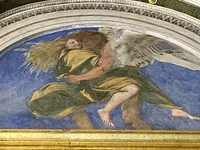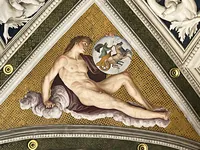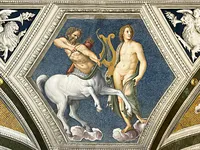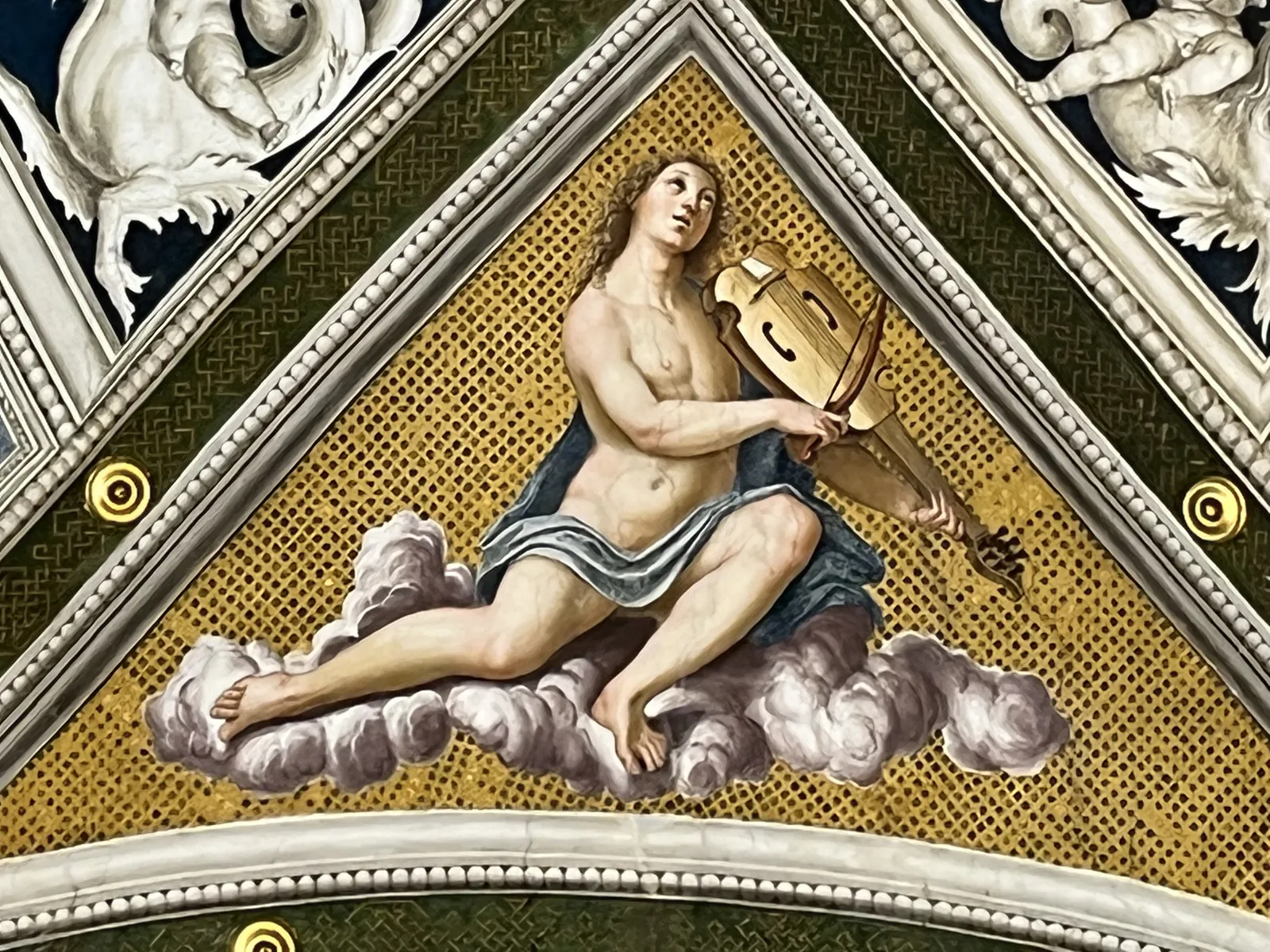
Lyra and Apollo
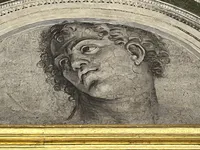
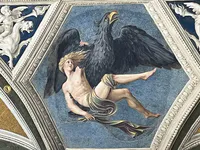
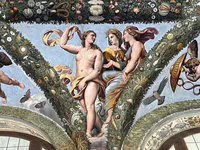
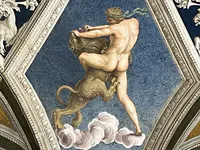
The Triumph of GalateaCouncil of the GodsThe Wedding Banquet of Cupid and PsycheVenus and CapricornBacchus and AriadneCupid and the Three GracesMercury Brings Psyche up to OlympusPerseus and MedusaCupid Pleads with Jupiter for PsycheHercules and the HydraFame and Medusa's VictimsVenus and the DovesHead of a YouthThe Rape of GanymedeVenus Appeals to Ceres and JunoHercules Defeating the Nemean LionThe Fall of PhaetonDionysian ProcessionMercuryPutti with CerberusAbduction of Orithyia by BoreasThe Wedding of Alexander and RoxaneCeiling of the Hall of GalateaVenus Presenting Psyche to CupidThe CharioteerLyra and ApolloCeiling with Putti and GarlandCorridor of the GrotesquesZephyrus Blowing on FloraMarine Scene with NereidsIllusionistic Architecture and StatuePutto with TridentGrotesque Ceiling with Flying FigureThe Family of Darius Before AlexanderVenus and JupiterPutto with ThunderboltsApollo and the Centaur

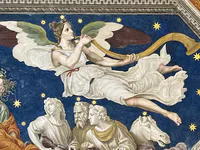
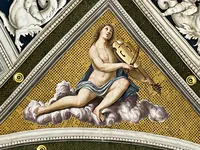
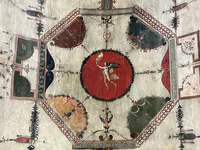
Lyra and ApolloBaldassarre Peruzzi

802
Painted c. 1511 in the Loggia of Galatea, Villa Farnesina, this figure represents the constellation Lyra, linked to Apollo, the god of music. The lyre symbolizes harmony and celestial order, reflecting the Renaissance fascination with the cosmos. Peruzzi integrates classical mythology with the villa’s astrological program, illustrating the era's blend of art and science. This work underscores the Renaissance pursuit of understanding the universe through artistic expression.