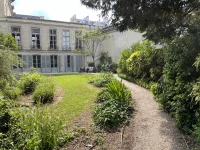
Garden of the Hôtel de Soubise
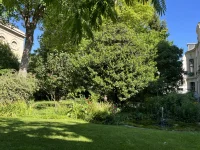
Gardens of the Archives Nationales
Hôtel de Soubise: From Medieval Fortress to Archives
The Hôtel de Soubise stands on the site of the residence of Olivier de Clisson, built in 1371 outside the walls of the medieval enceinte of Philippe-Auguste. From that period it retains a fortified gateway flanked by two towers, still visible from Rue des Archives. In the sixteenth century, its new owners—the powerful Guise family—commissioned the architect Gabriel Soulignac to expand the property. They invited leading Italian artists, including Primaticcio and Niccolò dell’Abate, to decorate the newly built chapel. The Guise established here the headquarters of the Catholic League, and tradition holds that the St. Bartholomew’s Day massacre of 1572 was planned within its walls.
In 1700, François de Rohan, Prince of Soubise, purchased the hôtel and asked the young architect Pierre-Alexis Delamair to modernize it. Delamair reoriented the main façade toward the south and created a majestic cour d’honneur framed by a colonnade opening onto Rue des Francs-Bourgeois. The sculpted decoration of the entrance, with two female figures embodying the Fame and Vigilance of Princes, was executed by Robert Le Lorrain.
Later, after Delamair fell out of favor with his patron, Germain Boffrand took over the project. Boffrand designed the sumptuous interiors of the grand apartments, whose Rococo decorations are now among the most celebrated in Paris.
Confiscated as émigré property during the French Revolution, the hôtel was assigned to the National Archives in 1808 by Napoleon I. From 1867 onward, it housed a museum displaying a selection of some of the most important documents in French history. Today, as the historic heart of the Archives, it serves as a key meeting place between archival heritage and the general public, hosting major themed exhibitions, study days and conferences, educational workshops, concerts, and other events.
Access to the great archival repositories—the Grands dépôts—is provided through the Hôtel de Soubise during regularly organized guided tours, making this former aristocratic residence a gateway to the documentary memory of France.
In 1700, François de Rohan, Prince of Soubise, purchased the hôtel and asked the young architect Pierre-Alexis Delamair to modernize it. Delamair reoriented the main façade toward the south and created a majestic cour d’honneur framed by a colonnade opening onto Rue des Francs-Bourgeois. The sculpted decoration of the entrance, with two female figures embodying the Fame and Vigilance of Princes, was executed by Robert Le Lorrain.
Later, after Delamair fell out of favor with his patron, Germain Boffrand took over the project. Boffrand designed the sumptuous interiors of the grand apartments, whose Rococo decorations are now among the most celebrated in Paris.
Confiscated as émigré property during the French Revolution, the hôtel was assigned to the National Archives in 1808 by Napoleon I. From 1867 onward, it housed a museum displaying a selection of some of the most important documents in French history. Today, as the historic heart of the Archives, it serves as a key meeting place between archival heritage and the general public, hosting major themed exhibitions, study days and conferences, educational workshops, concerts, and other events.
Access to the great archival repositories—the Grands dépôts—is provided through the Hôtel de Soubise during regularly organized guided tours, making this former aristocratic residence a gateway to the documentary memory of France.
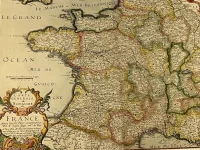
Map of the Kingdom of France
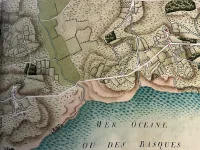
Atlas for the Généralité of Auch
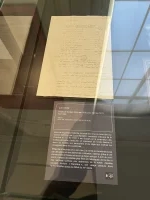
Budget Draft in Ronde Script
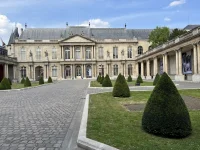
Hôtel de Soubise
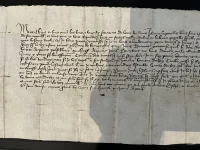
Letter to the Inhabitants of Reims
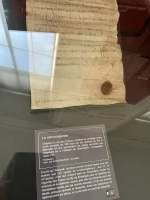
Merovingian-Script Tax Exemption Charter
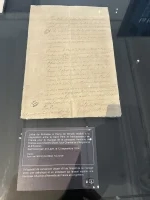
Letter to Pierre de Bérulle
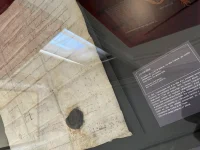
Donation Written in Caroline
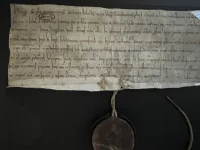
Grant Charter
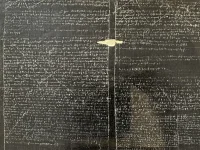
Royal Accounts on a Wax Tablet
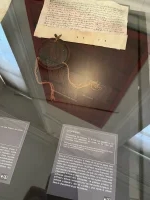
Coinage Ordinance Written in Gothic
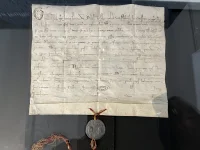
Golden Bull
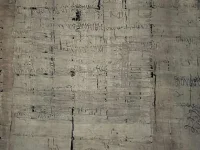
Royal Donation
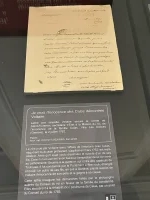
Letter on the Calas Affair
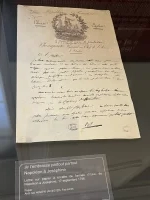
Letter to Joséphine
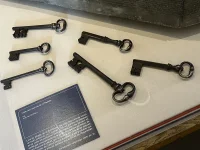
Keys to the Bastille Cells
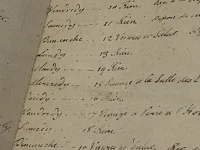
Journal of Louis XVI
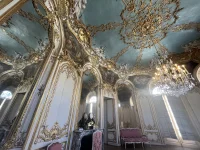
Salon Oval
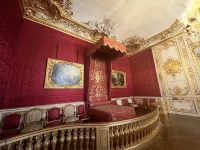
Prince's Chamber
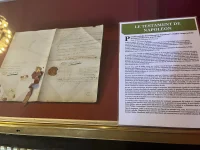
Will of Napoleon I
French National ArchivesArchives nationales
French National Archives preserve the written memory of the French state, created in 1790 as revolutionaries seized and reordered the records of monarchy, church, and republic. Their historic Paris home in the Marais—Hôtel de Soubise, rooted in a 14th c. fortress and refashioned with 18th c. salons—turns an aristocratic residence into a civic treasury, where charters, letters, and maps reveal how authority was built, contested, administered, and remembered.,
Explore by type and place