2022 © Maxim Tabachnik
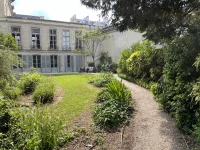
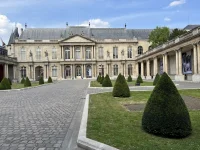
 The Hôtel de Soubise stands on the site of the residence of Olivier de Clisson, built in 1371 outside the walls of the medieval enceinte of Philippe-Auguste. From that period it retains a fortified gateway flanked by two towers, still visible from Rue des Archives. In the sixteenth century, its new owners—the powerful Guise family—commissioned the architect Gabriel Soulignac to expand the property. They invited leading Italian artists, including Primaticcio and Niccolò dell’Abate, to decorate the newly built chapel. The Guise established here the headquarters of the Catholic League, and tradition holds that the St. Bartholomew’s Day massacre of 1572 was planned within its walls.
In 1700, François de Rohan, Prince of Soubise, purchased the hôtel and asked the young architect Pierre-Alexis Delamair to modernize it. Delamair reoriented the main façade toward the south and created a majestic cour d’honneur framed by a colonnade opening onto Rue des Francs-Bourgeois. The sculpted decoration of the entrance, with two female figures embodying the Fame and Vigilance of Princes, was executed by Robert Le Lorrain.
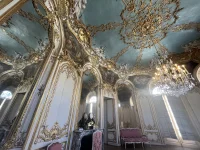
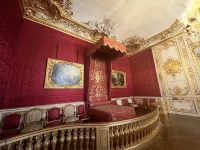
Later, after Delamair fell out of favor with his patron, Germain Boffrand took over the project. Boffrand designed the sumptuous interiors of the grand apartments, whose Rococo decorations are now among the most celebrated in Paris.
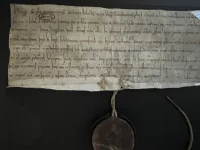
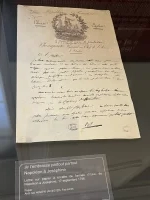
Confiscated as émigré property during the French Revolution, the hôtel was assigned to the National Archives in 1808 by Napoleon I. From 1867 onward, it housed a museum displaying a selection of some of the most important documents in French history. Today, as the historic heart of the Archives, it serves as a key meeting place between archival heritage and the general public, hosting major themed exhibitions, study days and conferences, educational workshops, concerts, and other events.
Access to the great archival repositories—the Grands dépôts—is provided through the Hôtel de Soubise during regularly organized guided tours, making this former aristocratic residence a gateway to the documentary memory of France.
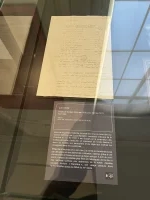
Journal of Louis XVILouis XVI
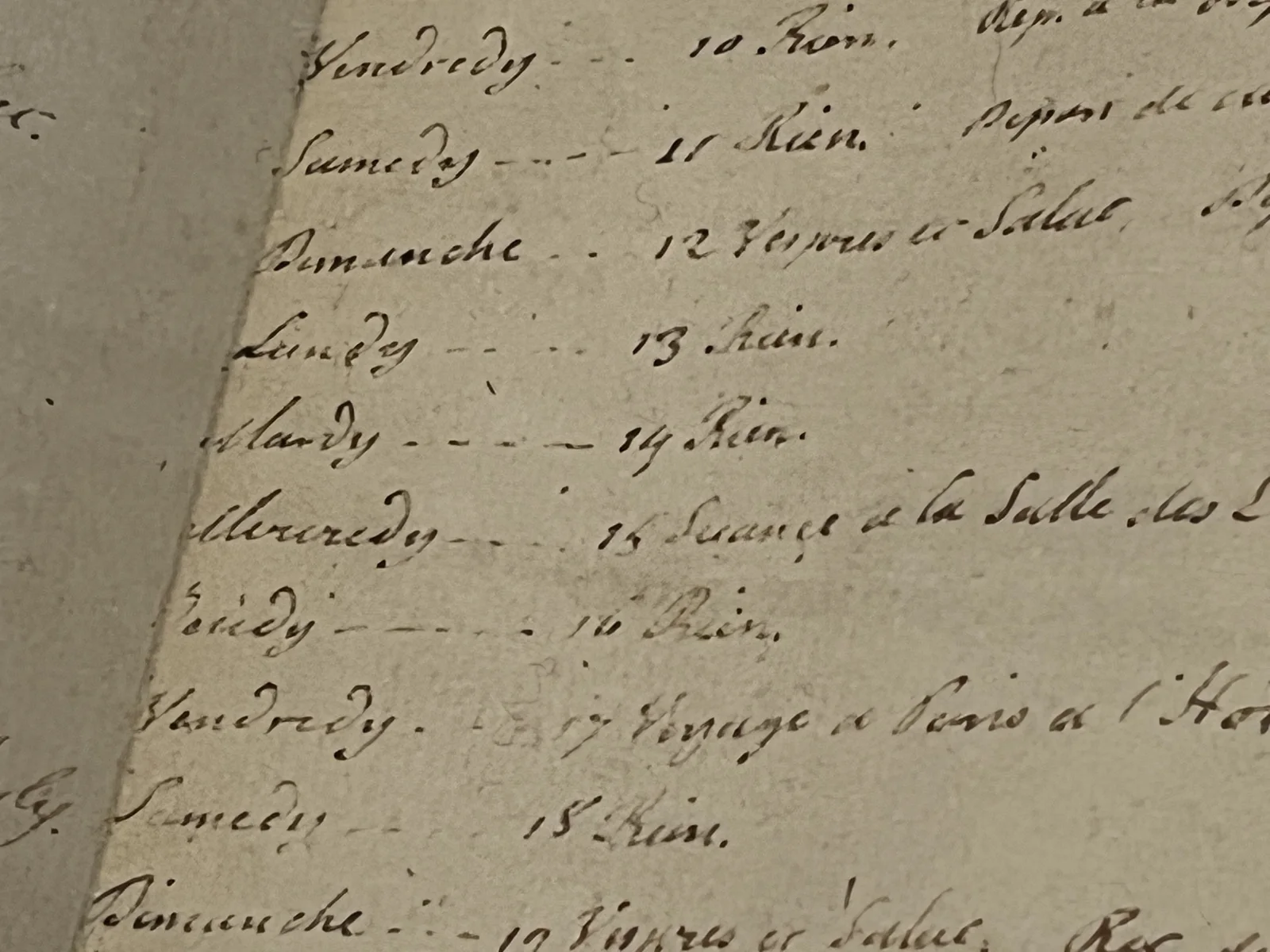
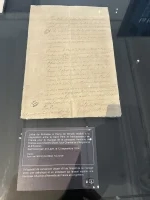
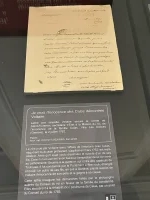
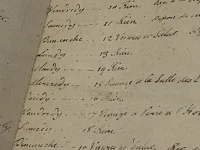
In his private journal, begun as dauphin in 1766, Louis XVI briefly noted hunts, ceremonies, and daily activities. For 14 July 1789, the day of the Bastille’s fall, he recorded only rien. This laconic entry, likely meaning no hunt took place, was later read as a symbol of the king’s blindness to revolution. Preserved at the Archives Nationales, it remains one of the most cited documents of his reign.
Explore by type and place