WelcomeAboutMeet MaxLife as a JourneyAcademic LifeContact
Start Exploring:
AfricaAmericaAsiaEuropeOceania
TermsPrivacyCookiesCopyrightPermissionsAffiliate Disclosure
1993–2026 © Maxim Tabachnik Design by Diagilev
Travel With Max Learn  •  Admire  •  Soar
Europe
AfricaAmericaAsiaEuropeOceania
⇢
France
DenmarkFranceGermanyIcelandItalyLatviaNetherlandsPortugalRussiaSpainSwedenUkraineUnited KingdomVatican City
⇢
Paris Region
BrittanyBurgundyGrenobleLoire ValleyMetzMont BlancNancyNormandyOccitaniaParis RegionReimsSaint-Jean-Pied-de-PortStrasbourg
⇢
Paris
ChantillyFontainebleauParisRueil-MalmaisonVersailles
⇢
Les Invalides
Alexandre III BridgeAtelier des LumièresBourdelle MuseumCarnavalet MuseumFrench National ArchivesLes InvalidesLouis Vuitton FoundationLuxembourg MuseumMusee Jacquemart-AndreOrangerie MuseumParis CatacombsPetit PalaisRodin MuseumRussian Cemetery of Sainte-Geneviève-des-BoisThe ConciergerieTuileries Garden
English
EnglishEspañolDeutschРусский中文日本語한국어FrançaisPortuguêsالعربية
Support the Project
Les Invalides
Les Invalides
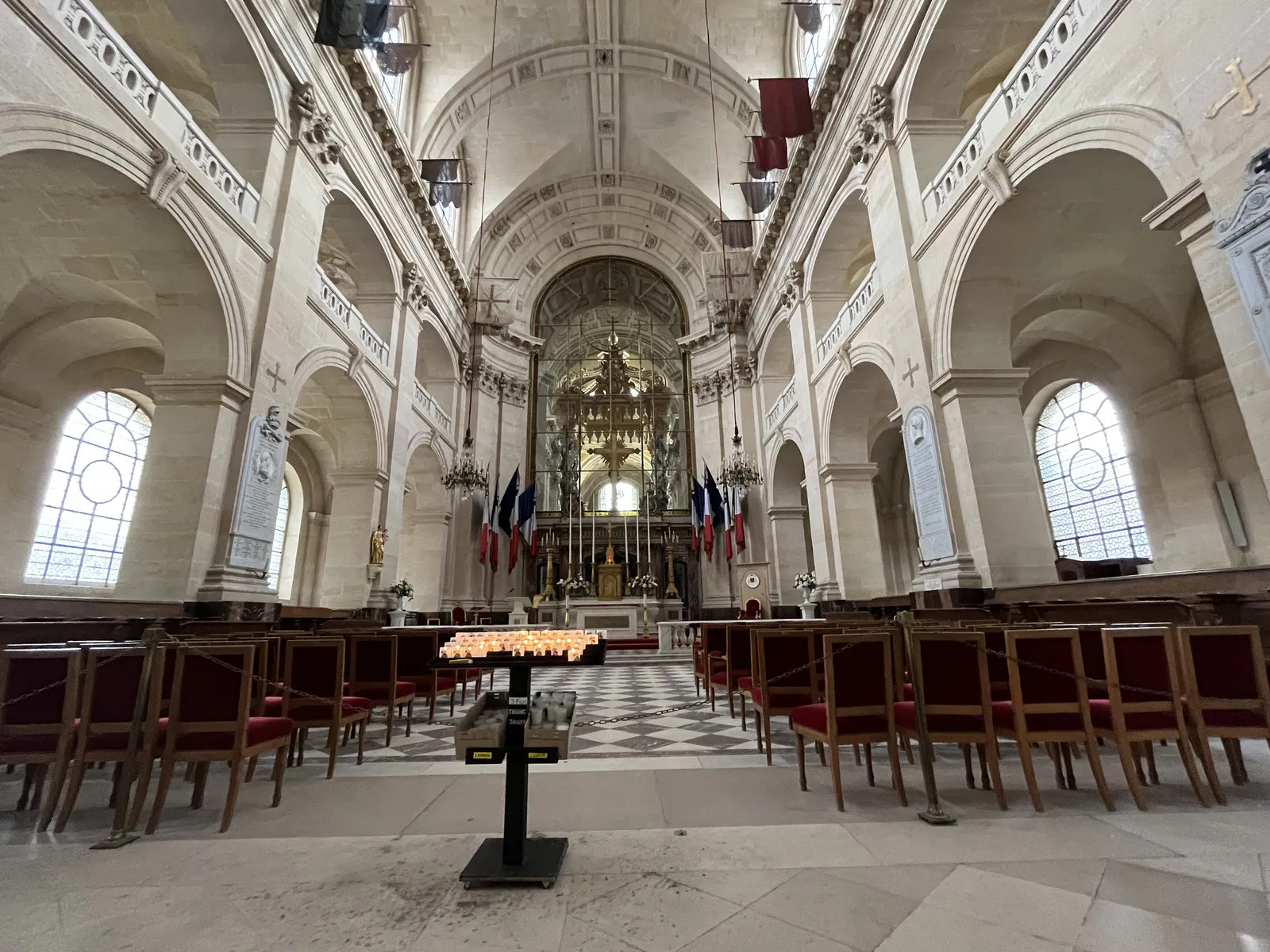
Royal Chapel of Les Invalides
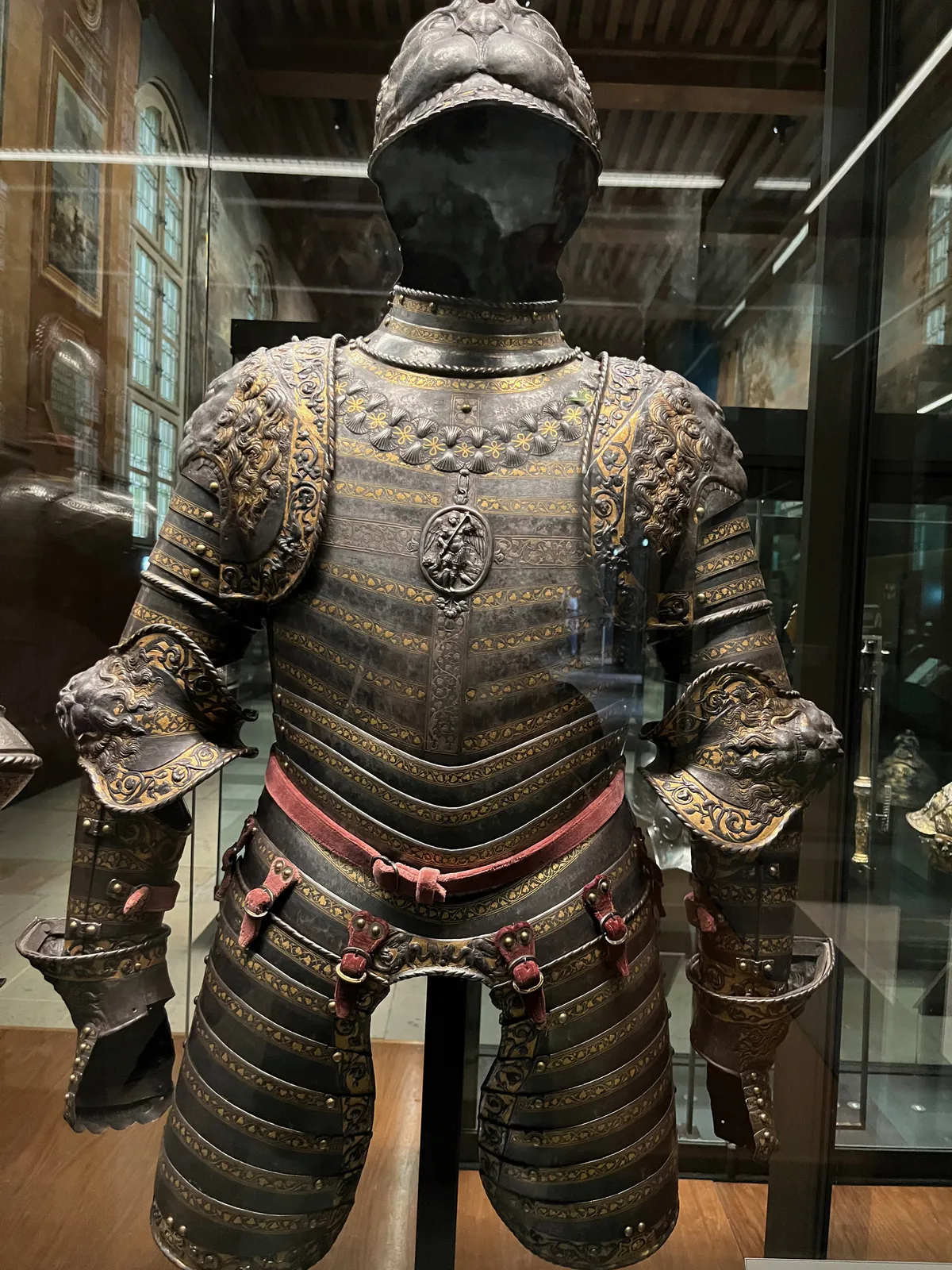
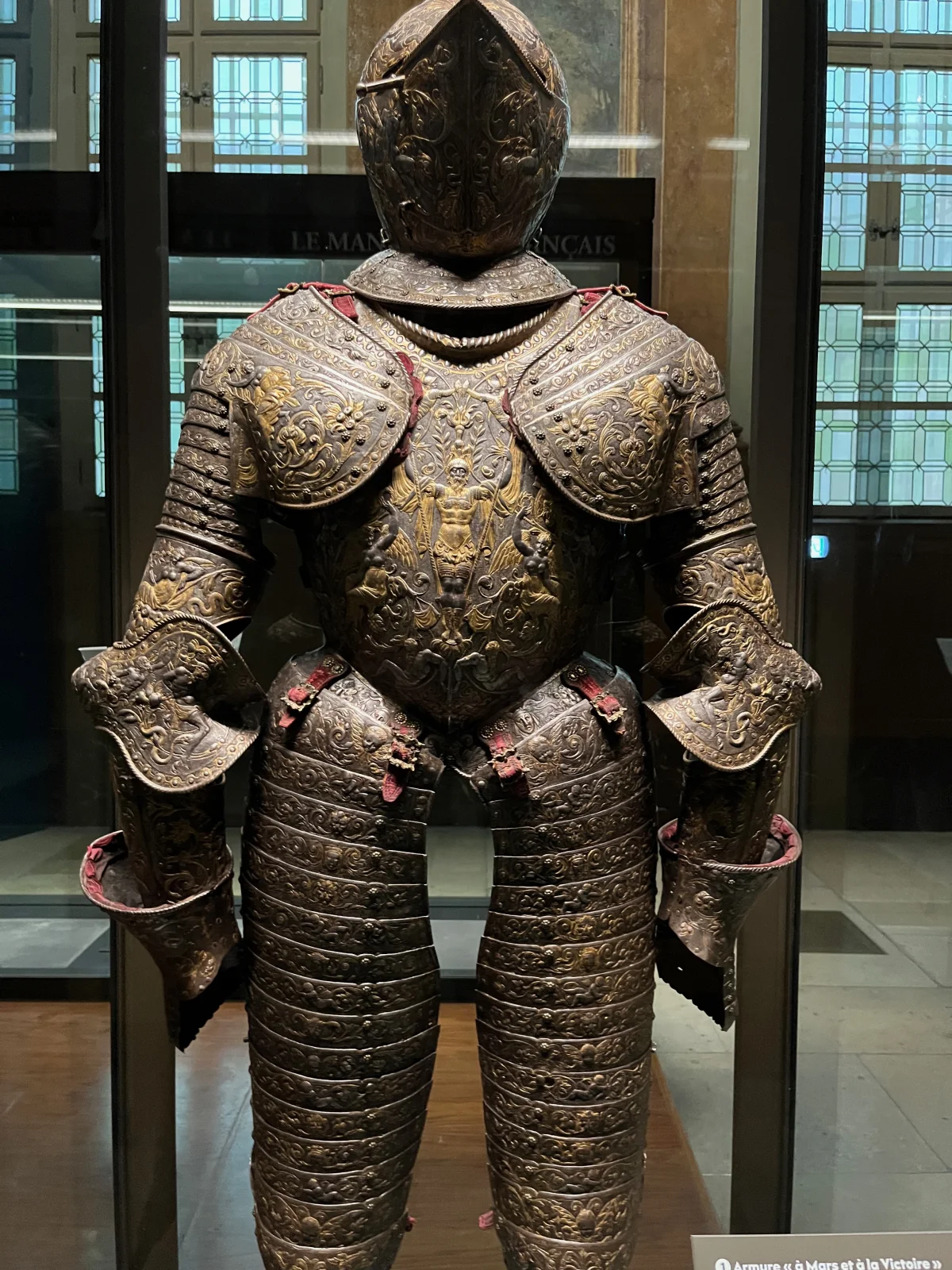
Lion Armour of Francis I
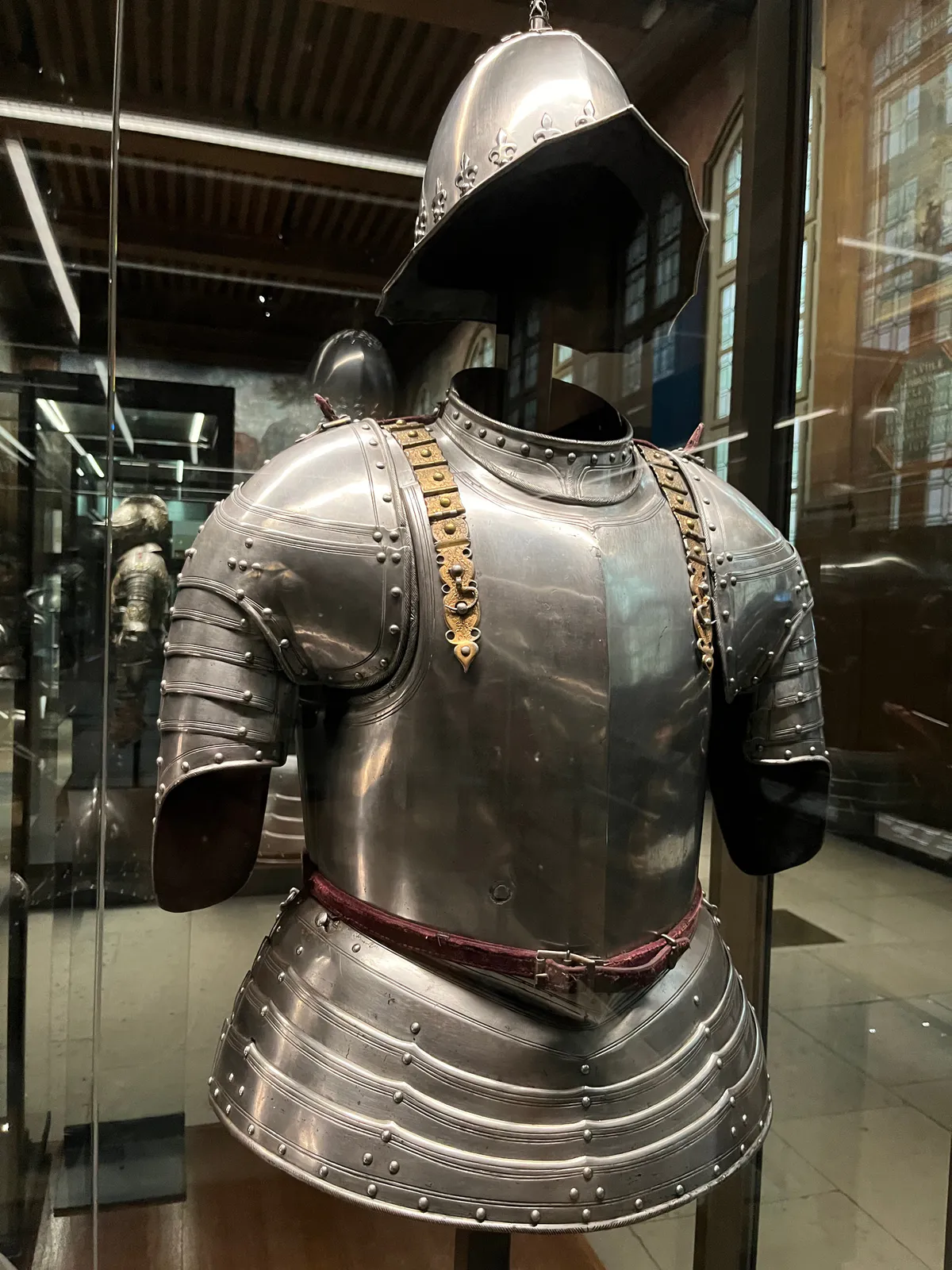
Reinforced Half-Armour of Henry IV
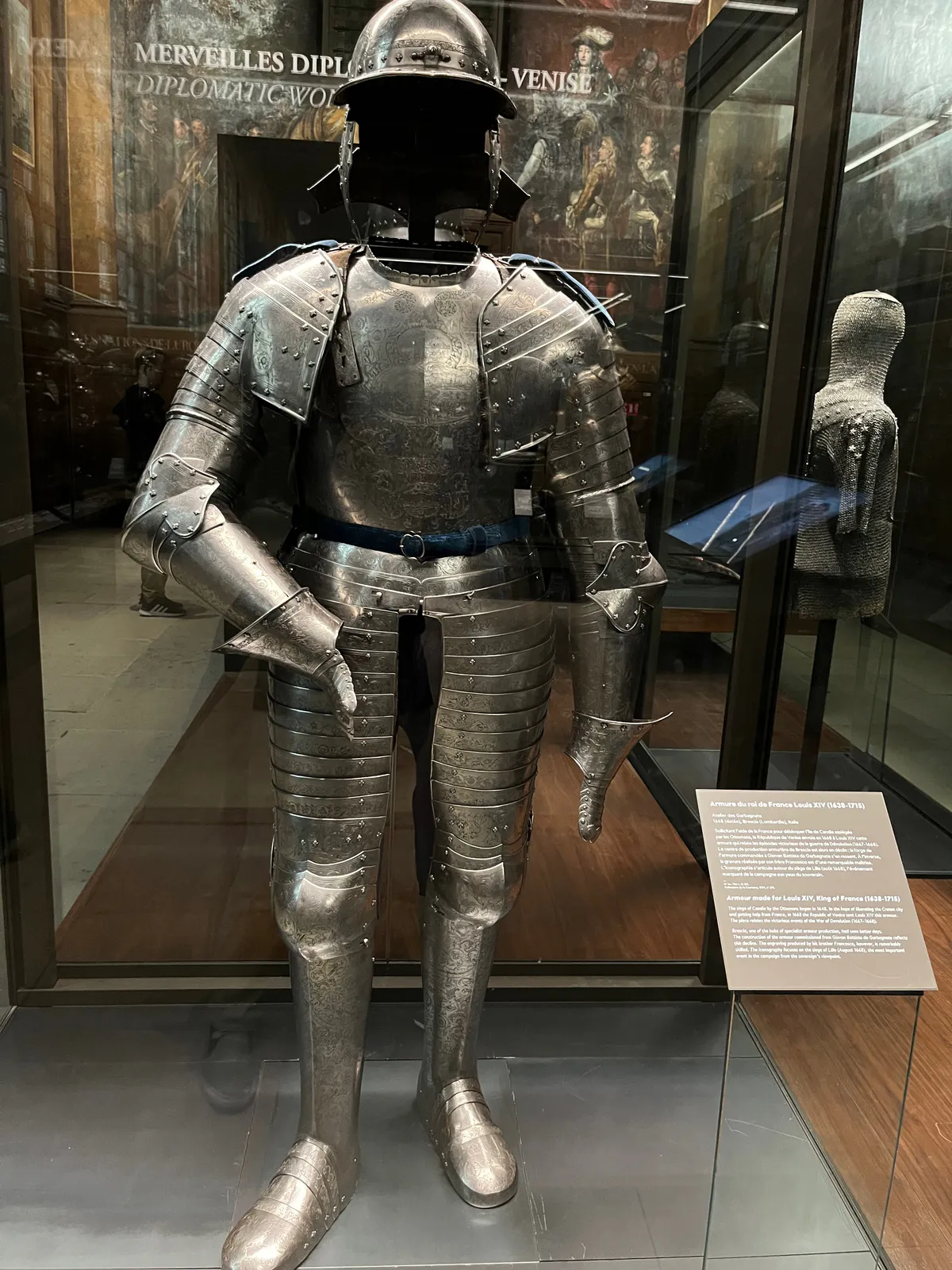
Ceremonial Armour of Louis XIV
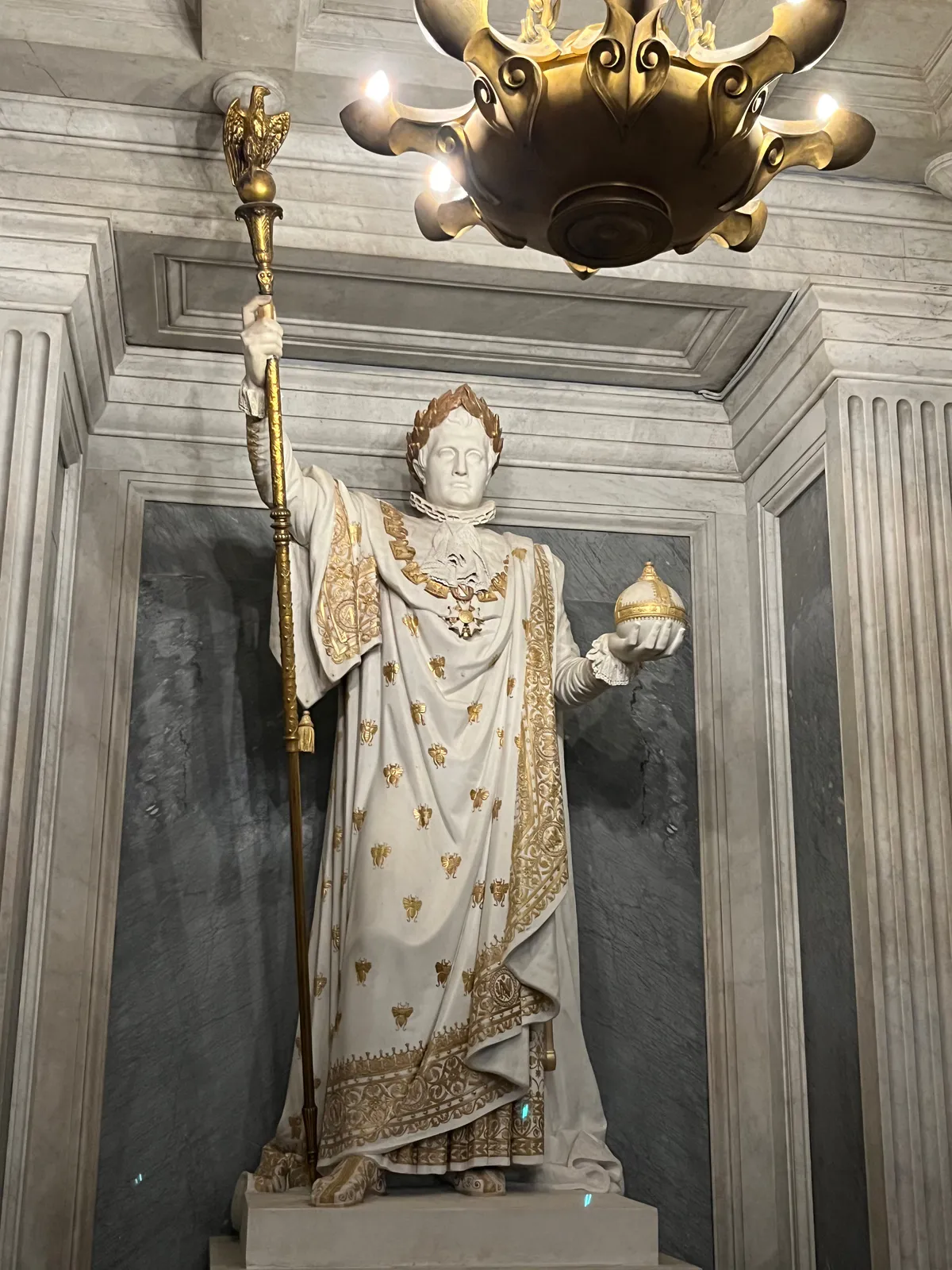
Napoleon in Coronation Robes
Decorated Armour of Cardinal Richelieu
Armour of King Charles IX
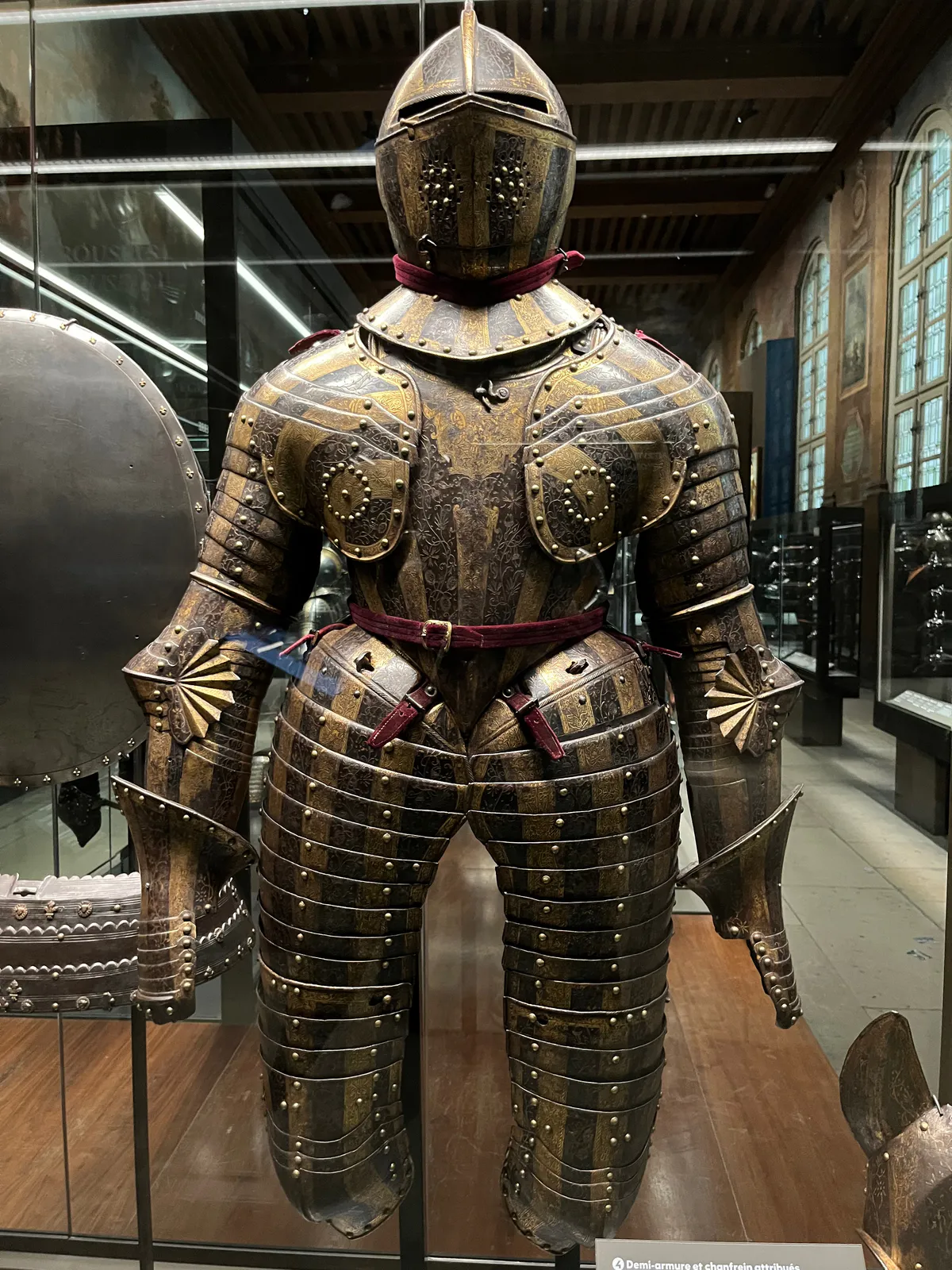
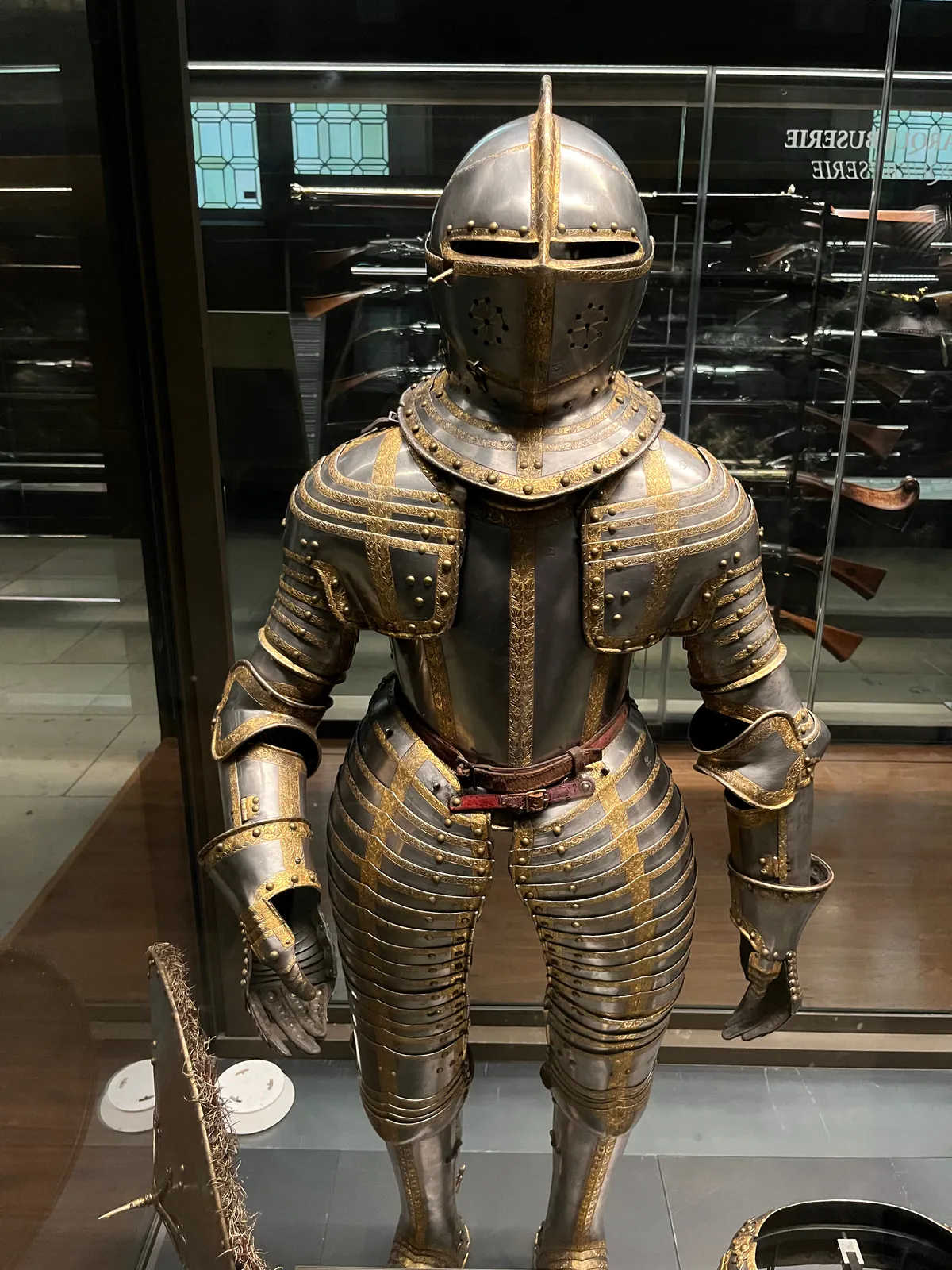
Ornate Childs Armour for Louis XIII
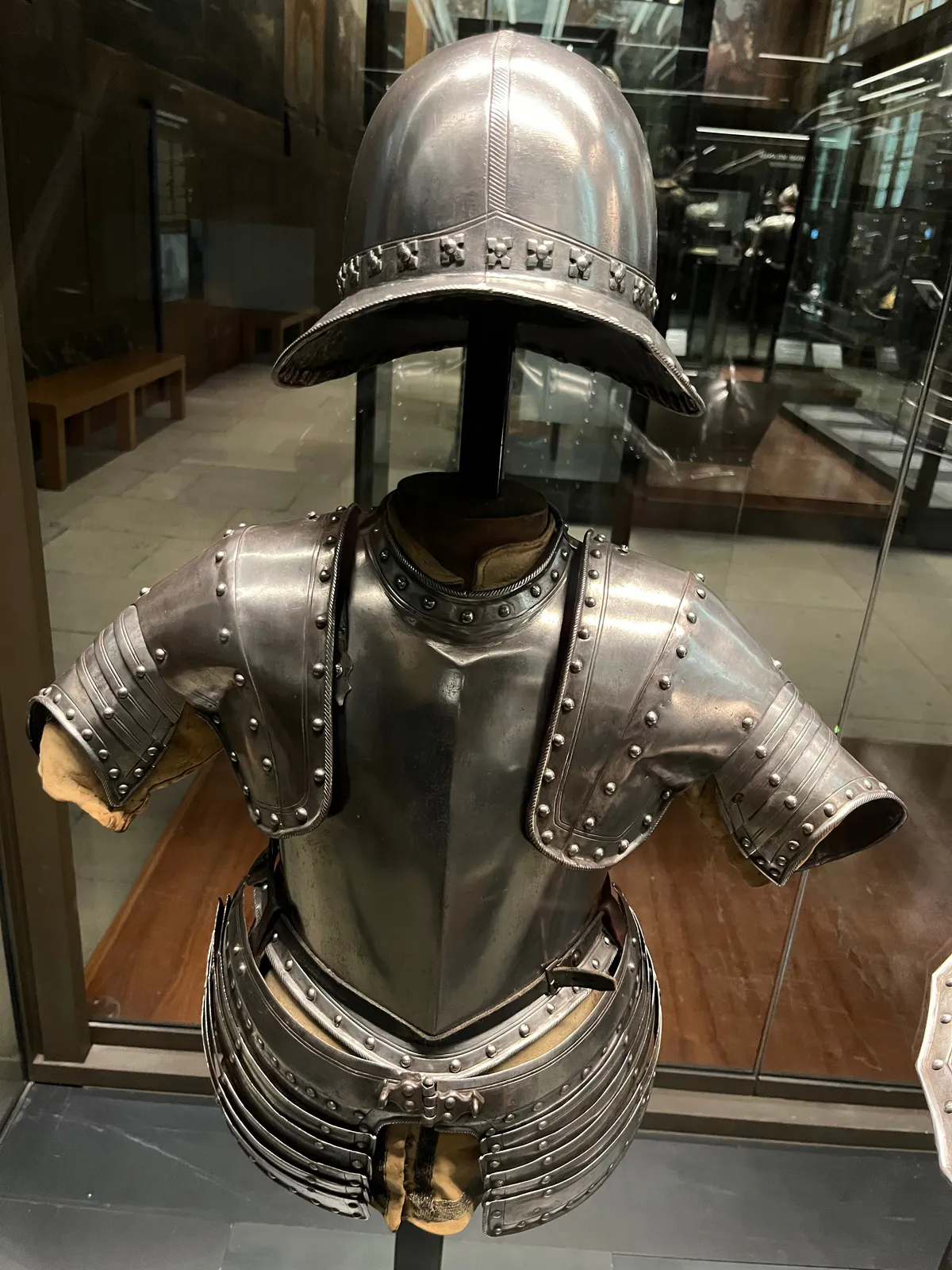
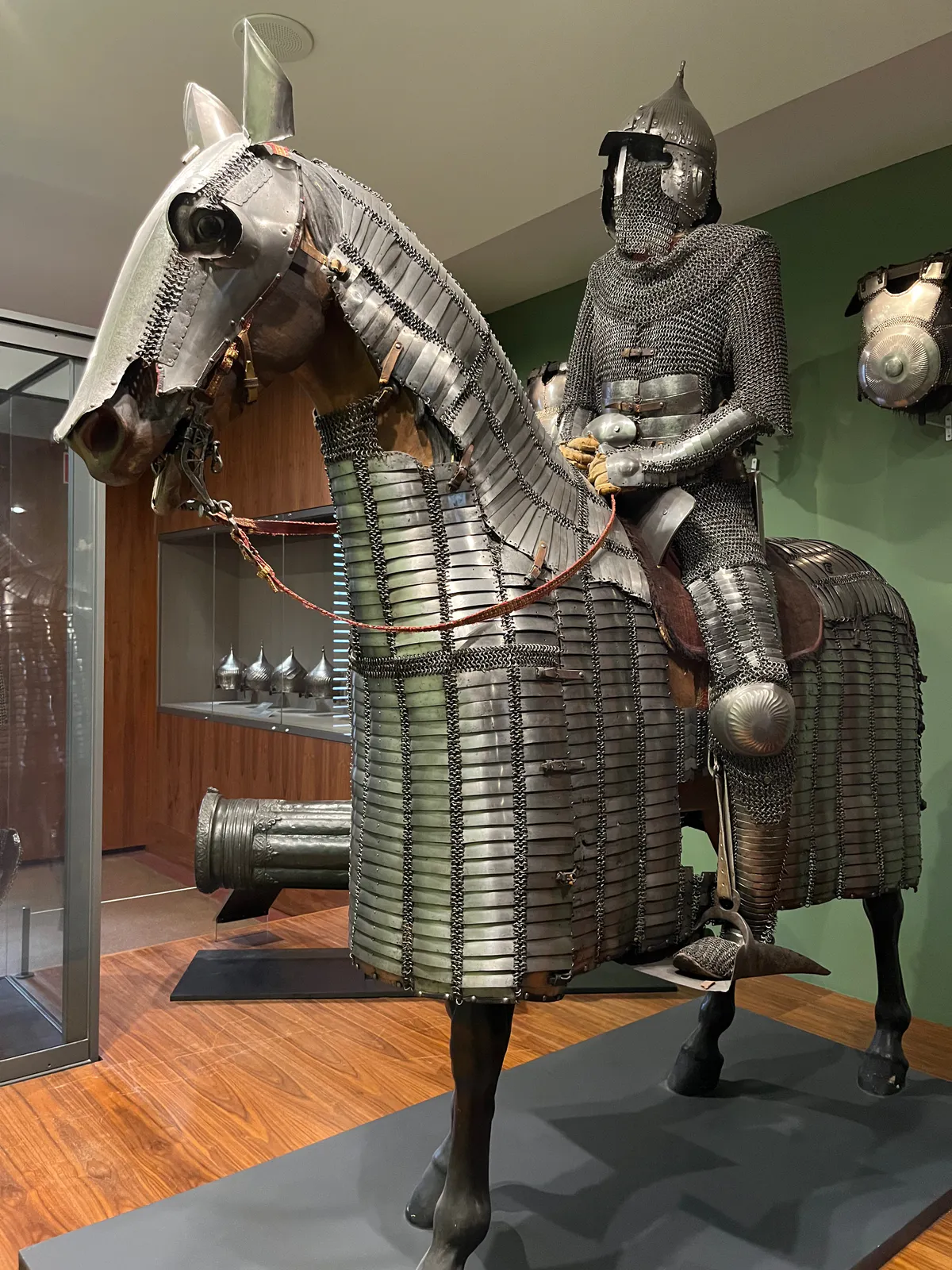
Mamluk Cavalry and Horse Armor
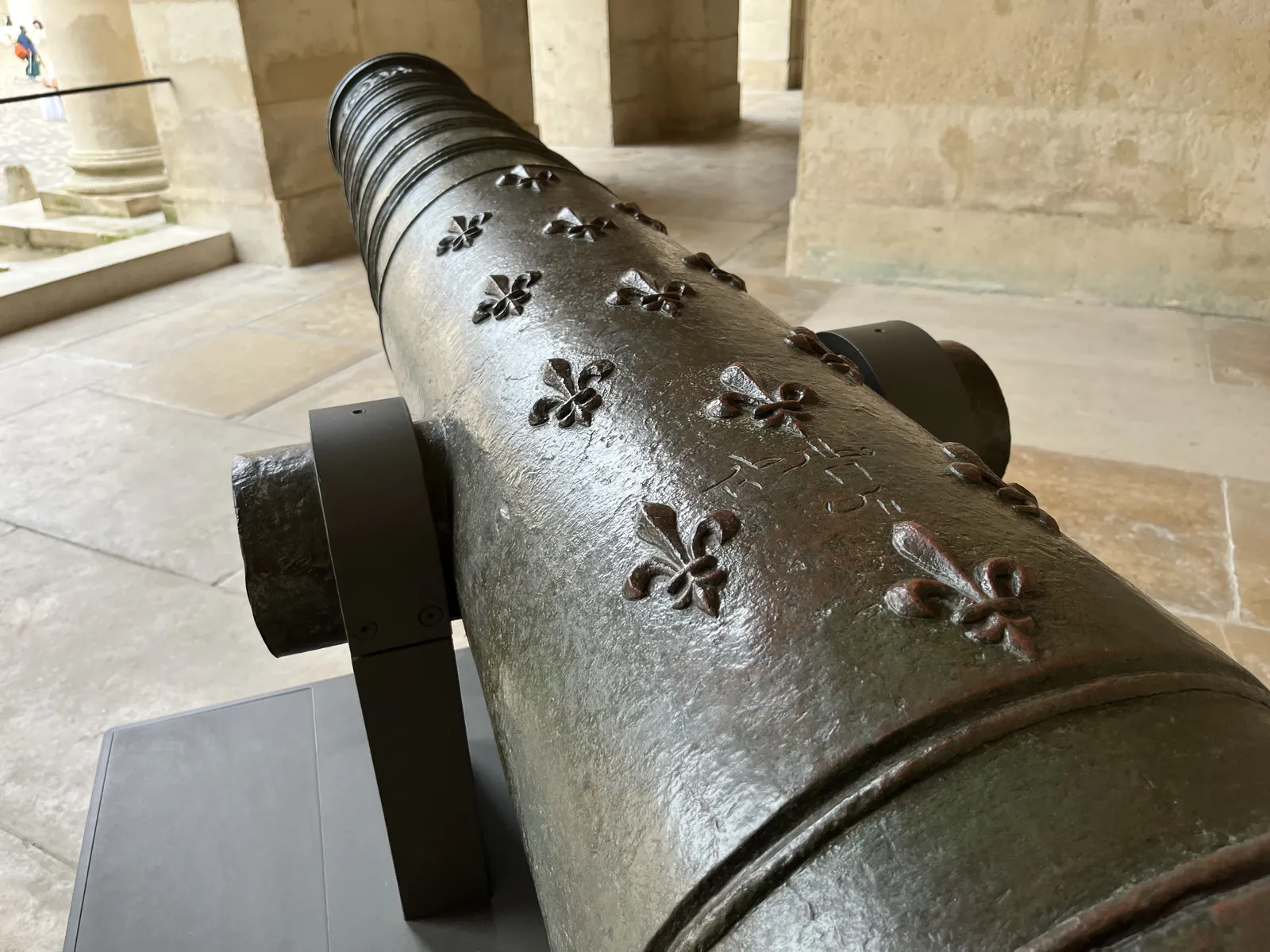
Bronze Cannon with Fleur-de-Lis
Ceremonial Child's Armour of Louis XIII

Les Invalides
3642
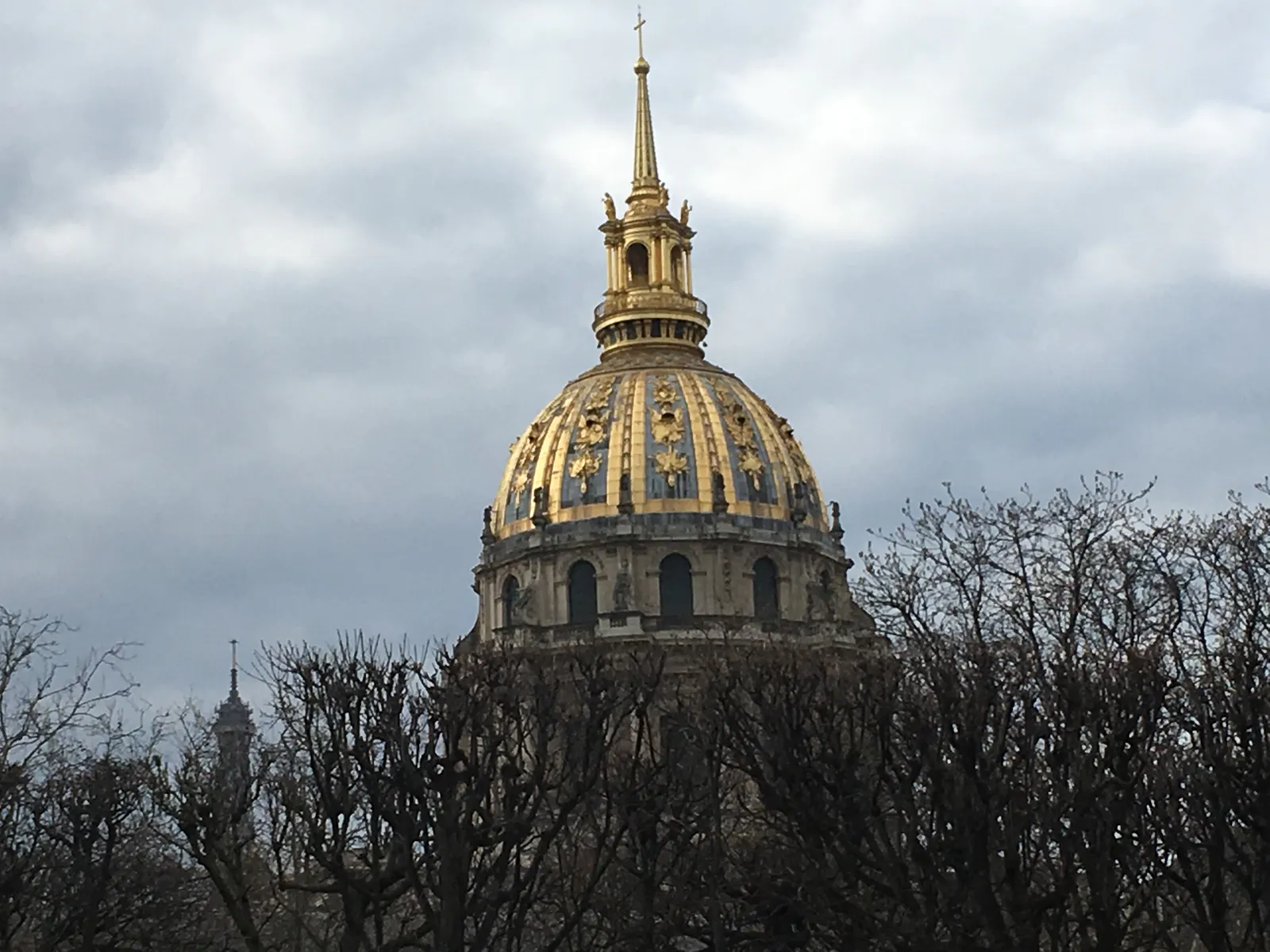
Les Invalides began in 1671 as Louis XIV’s vast hospice and retirement home for wounded soldiers, a statement that royal power carried obligations to those who fought in its wars. Built by Libéral Bruant and later crowned by Jules Hardouin-Mansart’s gilded Dome Church (1677–1706), the complex binds army, faith, and state into a single ceremonial landscape of courtyards and chapels. Since Napoleon’s remains were brought here in 1840, it has also served as a national shrine, while the Army Museum frames France’s military memory across the centuries.
Explore by type and place
Paris
Petit Palais

Content details

Language

Choose your site language.

Want to reach Max with a question, collaboration idea, academic inquiry, media proposal, or a thoughtful note? Use the form below and your message will go directly to him.

Direct email
connect@travelwithmax.com

Buy the Original

Fill out the form to request the original or high-resolution version of this photo.

AI Search