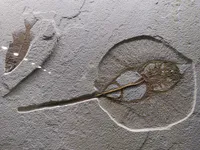
Fossilized Fish and Horseshoe Crab
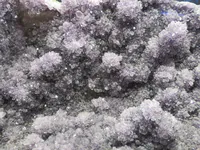
Cluster of Amethyst Crystals
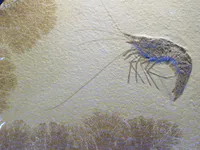
Fossilized Shrimp
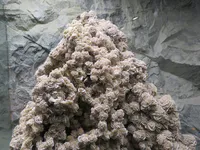
Selenite Desert Rose
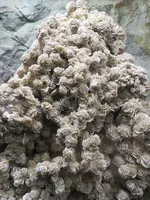
Selenite Desert Rose Crystal Formation
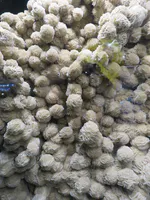
Desert Rose Selenite Crystal Formation
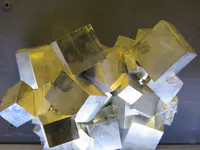
Pyrite Cluster
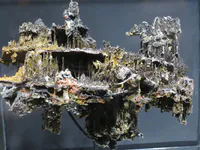
Colorful Mineral Slag Formation
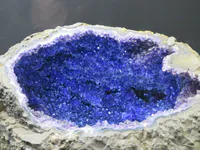
Azurite and Quartz Geode
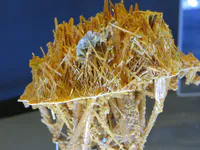
Uses and Properties of Gypsum
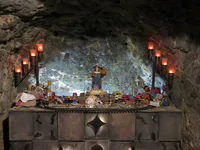
Altar to El Niño de Atocha in a Mine
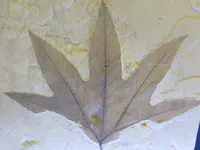
Fossilized Sycamore Leaf
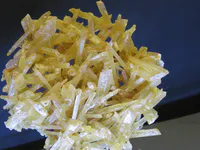
Selenite: Properties and Uses
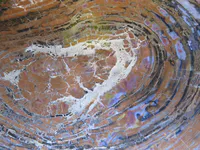
Fossilized Wood Specimen
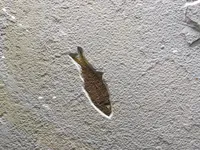
Knightia eocaena Fish Fossil
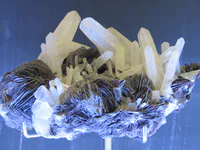
Quartz and Pyrrhotite Minerals
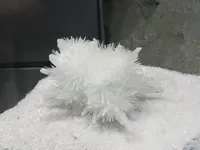
Scolecite: Characteristics and Uses
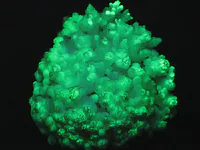
Fluorescent Opal
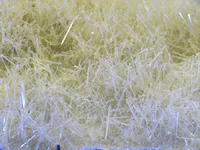
Properties and Uses of Glass Fiber
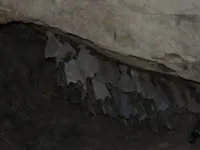
Bats Roosting in a Cave
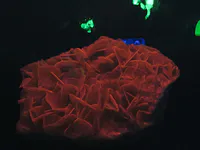
Fluorescent Calcite Mineral
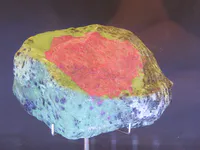
Ruby in Zoisite Mineral Specimen
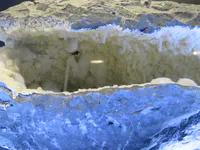
Crystalline Geode
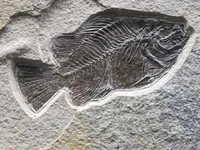
Fossilized Fish on Stone Surface
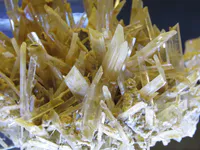
Selenite Gypsum Crystal Formation
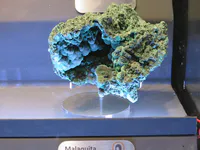
Vibrant Green Malachite Specimen
Zacatecas MinesMinas de Zacatecas
Zacatecas Mines trace back to the Spanish silver strike of the 1540s, when these hills became a hinge point in New Spain’s economy and the bullion circuits that linked Mexico to Europe and Asia. Tunnels, shafts, and waste heaps of pyrite, selenite, and smelting slag form a geological diary of extraction, changing techniques, and constant danger, revealing how underground labor financed the baroque city above. For Zacatecans, the mines remain both an origin story and an uneasy memory of wealth wrested from stone.
Explore by type and place