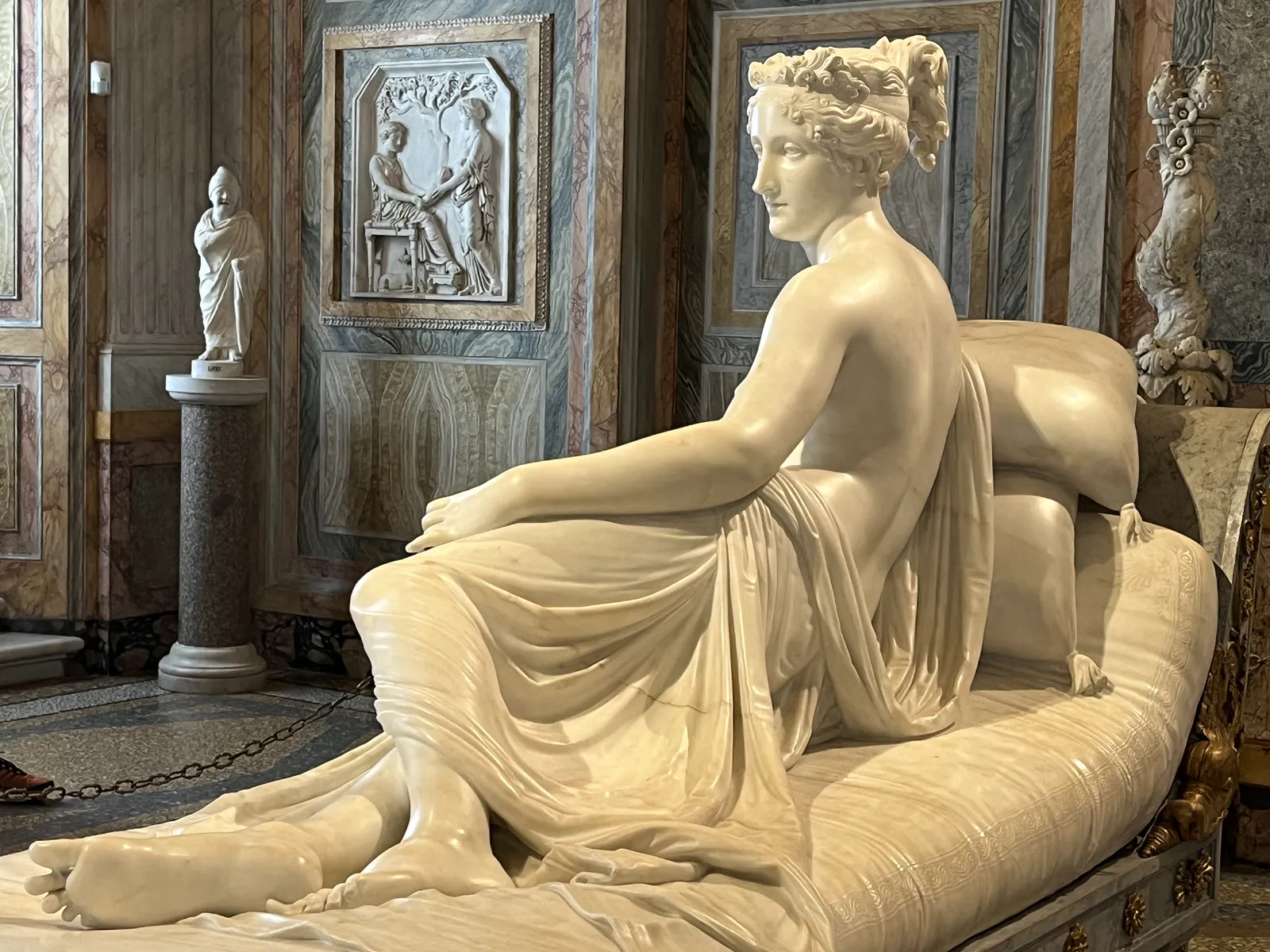
Pauline Bonaparte as Venus Victrix
Antonio Canova
Antonio Canova's marble masterpiece (1805–08) depicts Pauline Bonaparte as Venus Victrix, reclining semi-nude on a couch, holding an apple symbolizing Venus's triumph in the Judgement of Paris. Commissioned by her husband, Camillo Borghese, Pauline insisted on being portrayed as Venus rather than Diana. The sculpture, originally designed to rotate, reflects both personal ambition and classical beauty.
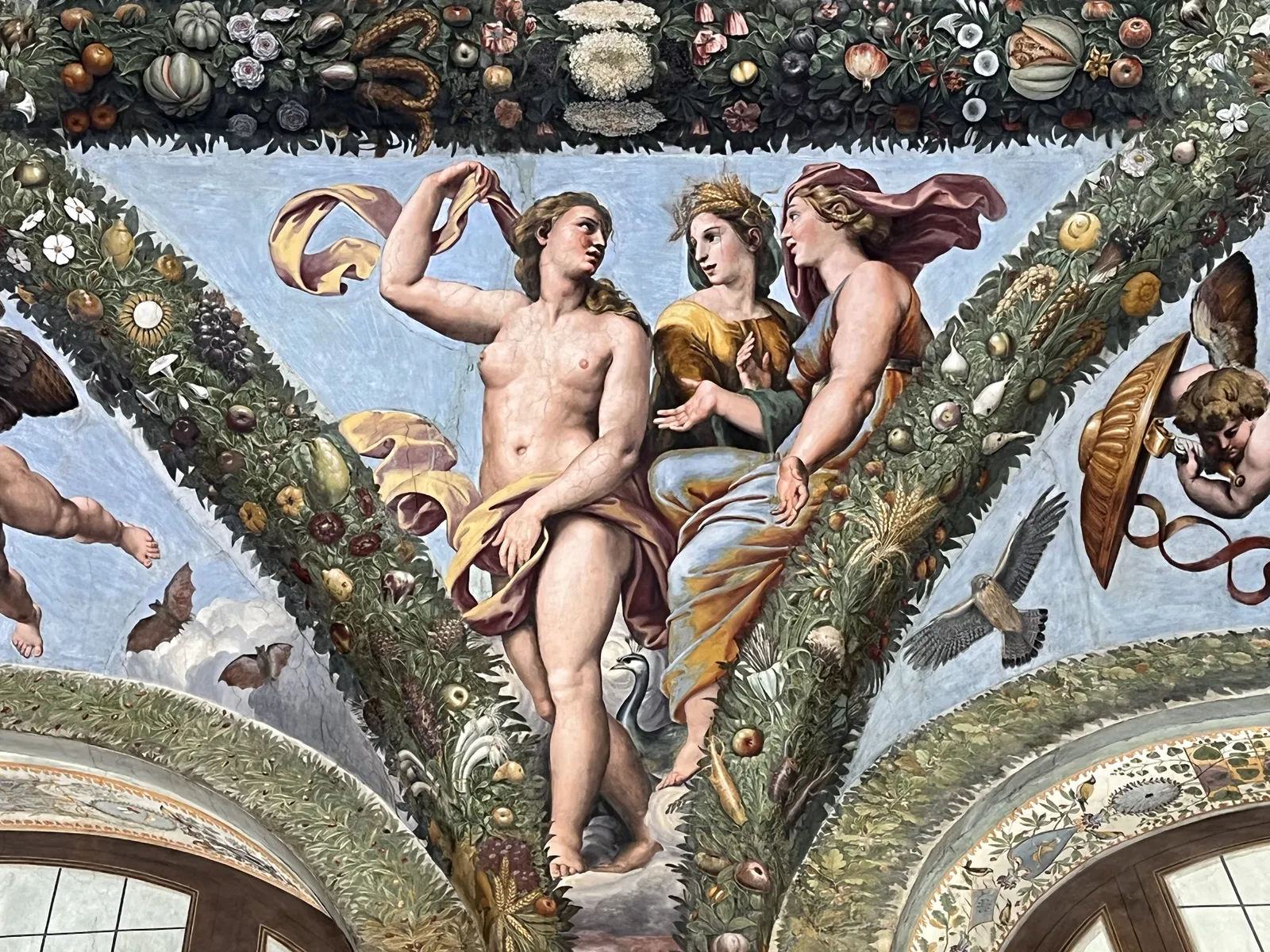
Venus Appeals to Ceres and Juno
Raphael, Giovanni da Udine
In this scene (1518), Raphael depicts Venus appealing to Ceres and Juno for vengeance on Psyche, but both goddesses refuse. The fresco illustrates the tension between divine power and mortal love. Da Udine’s elaborate botanical festoons frame the composition, enhancing its Renaissance richness.
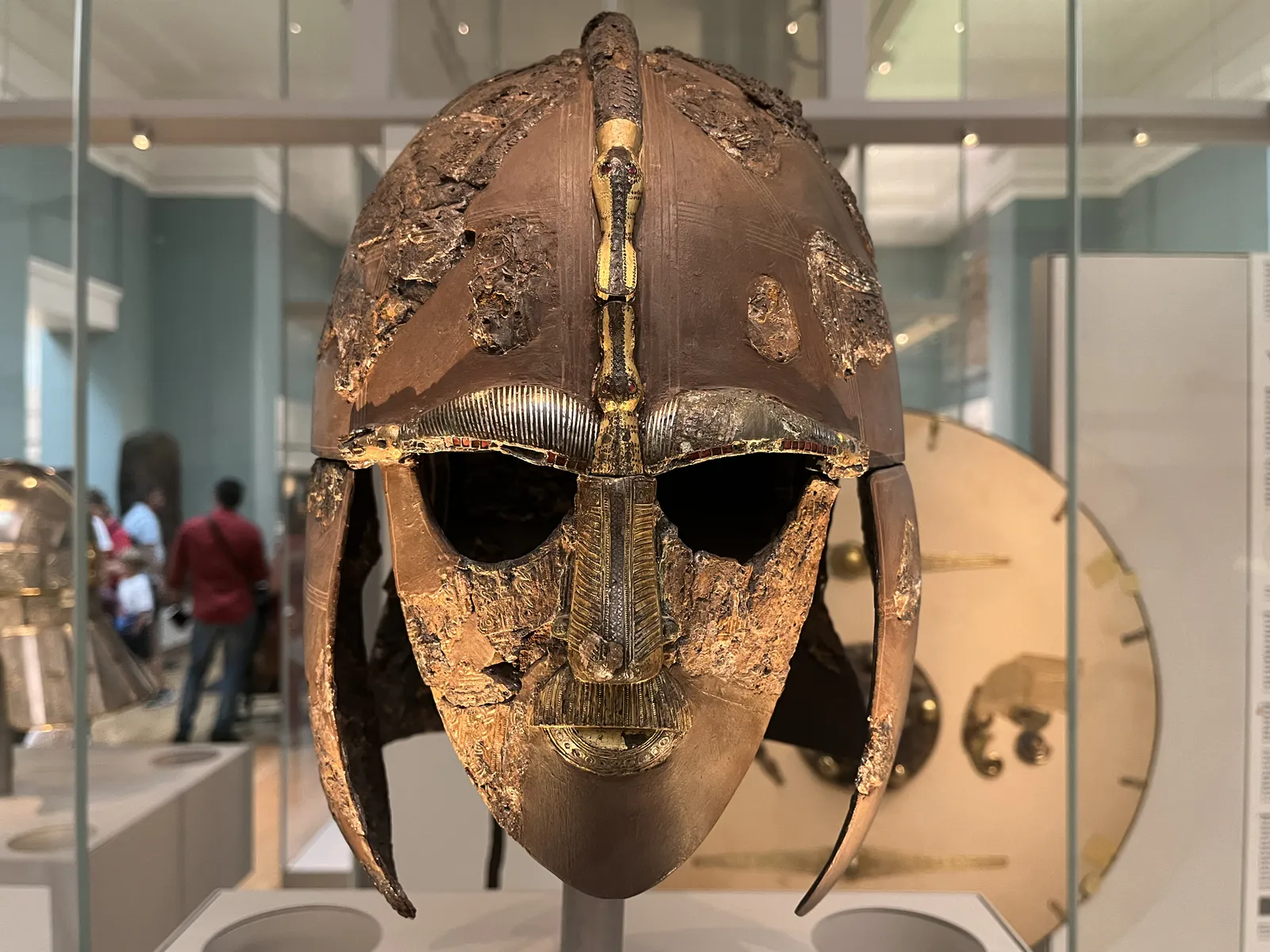
Anglo-Saxon Sutton Hoo Helmet
Crafted from iron and tinned copper, the Sutton Hoo Helmet was buried around 600 AD and likely belonged to an East Anglian king. Reconstructed from fragments, its beast-like face and warrior imagery link it to Woden cults and Eastern Sweden. The helmet symbolizes elite status and early English power, reflecting the cultural and political landscape of its time, and showcases the craftsmanship and beliefs of the Anglo-Saxon elite.
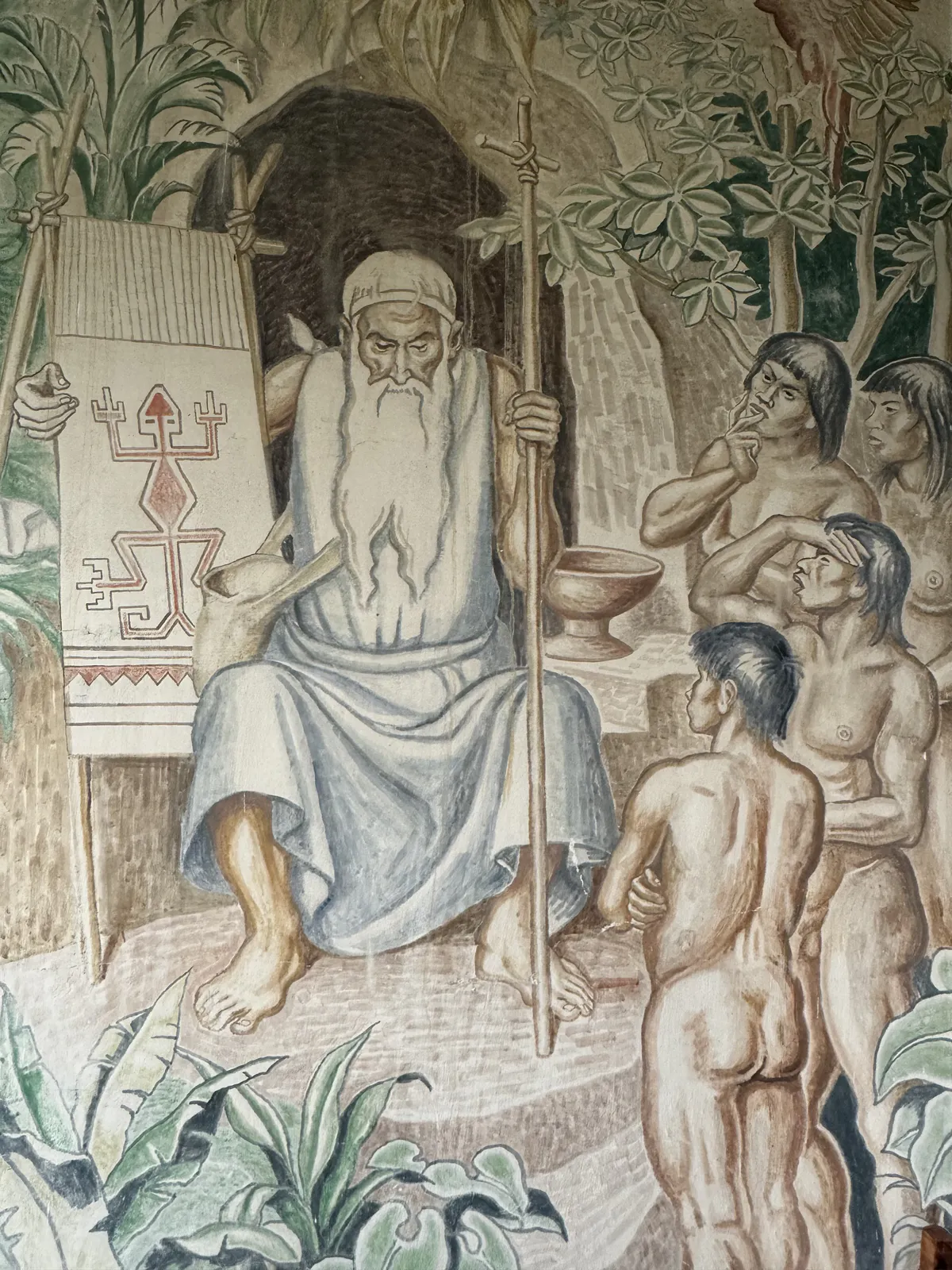
Bochica Teaching the Muisca
Luis Alberto Acuña
This 1960-70s mural depicts Bochica, the bearded sage and civilizing hero of Muisca mythology, imparting moral and spiritual lessons. Seated before young disciples, he holds symbols of power and knowledge, including a woven banner. A revered figure, Bochica was believed to have formed the Tequendama Falls and taught the Muisca how to live harmoniously.
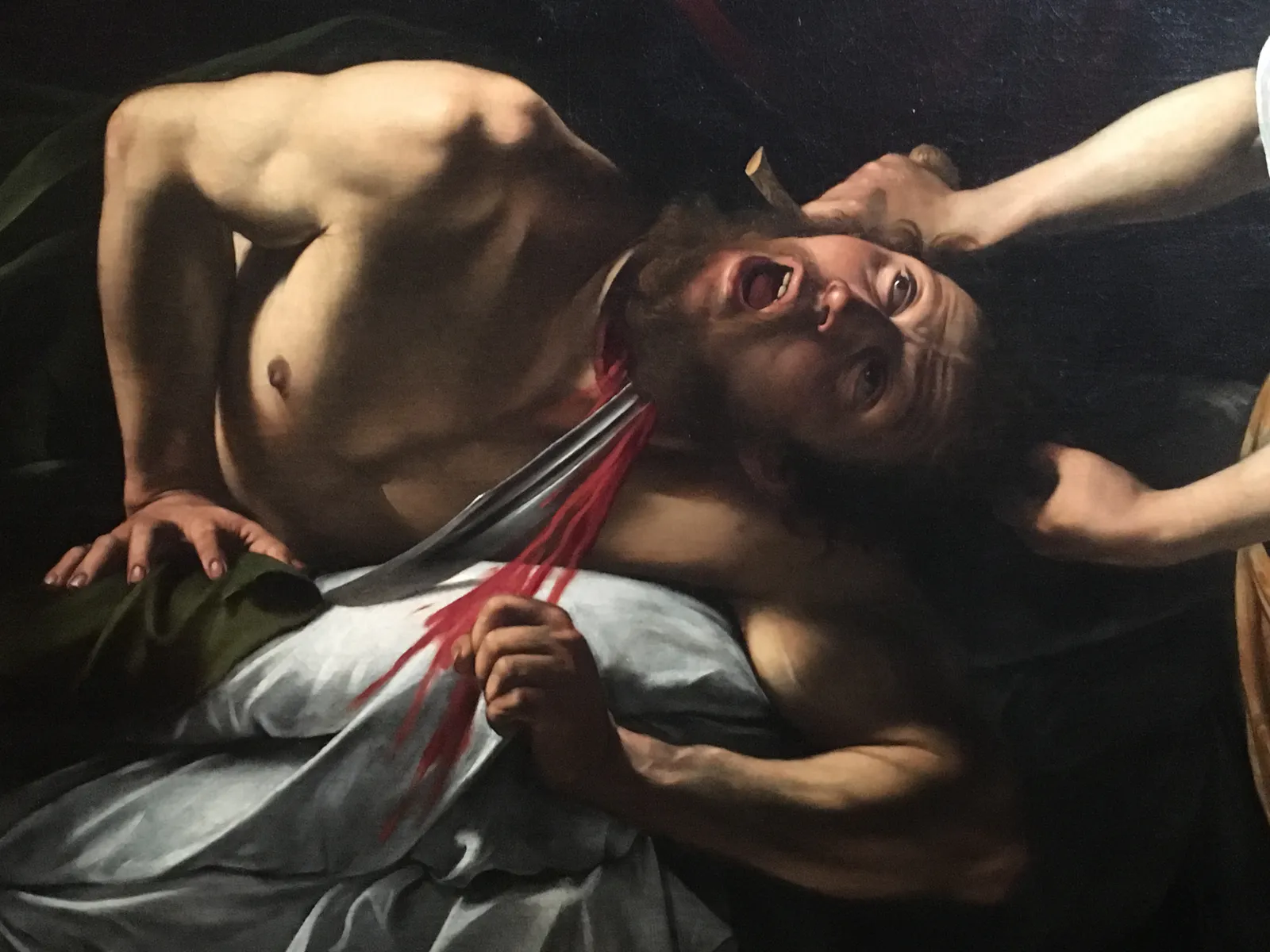
Judith Beheading Holofernes (Detail)
Caravaggio
In this dramatic scene from Judith Beheading Holofernes (c.1598), the Assyrian general Holofernes struggles in his final moments as Judith, the Jewish widow, delivers the fatal blow. Caravaggio captures his terror with a contorted face and blood spurting across the bed, while Judith's hands hold him with determination. This raw depiction distills the narrative to its core: virtue triumphing over tyranny, conveyed with intense immediacy.
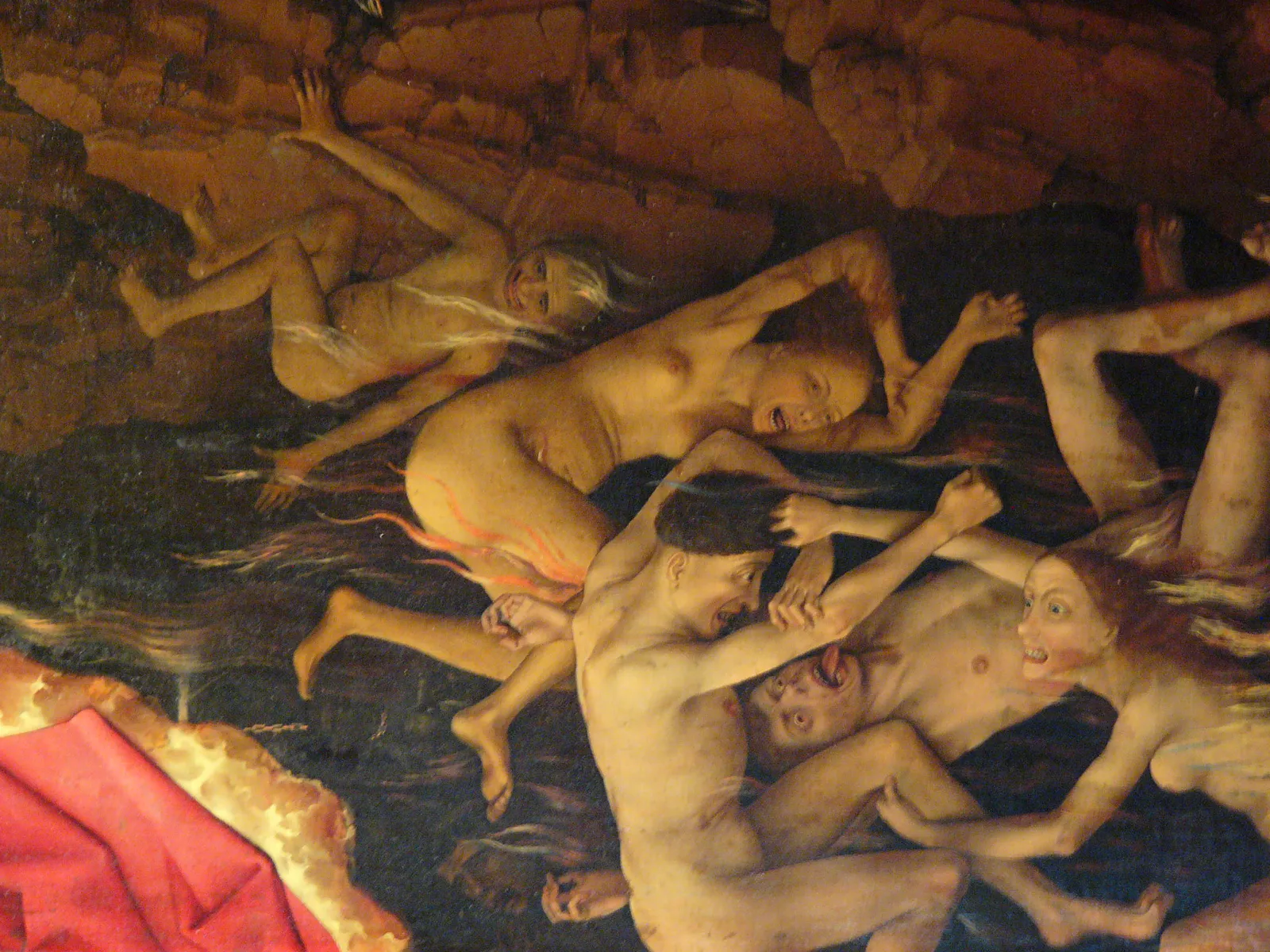
The Damned in Torment
Rogier van der Weyden
This detail from the Last Judgment Altarpiece (1445–50) intensifies the vision of damnation. Naked figures twist and collide as they plunge into dark flames, their limbs tangled in chaotic knots. Strained muscles and distorted faces display a studied range of terror and despair. For patients and caregivers at the Hôtel-Dieu, such visceral imagery sharpened awareness of sin, repentance, and the uncertainty of salvation.

Sandy Alleyway at Dusk
This quiet, sandy alleyway in Yoff captures the peaceful atmosphere of a coastal neighborhood at dusk. The sunlit wall, shuttered windows, and bare electrical wires reflect the modest architecture typical of older homes near the Atlantic. Such scenes evoke daily rhythms shaped by sea breezes, tradition, and simplicity.
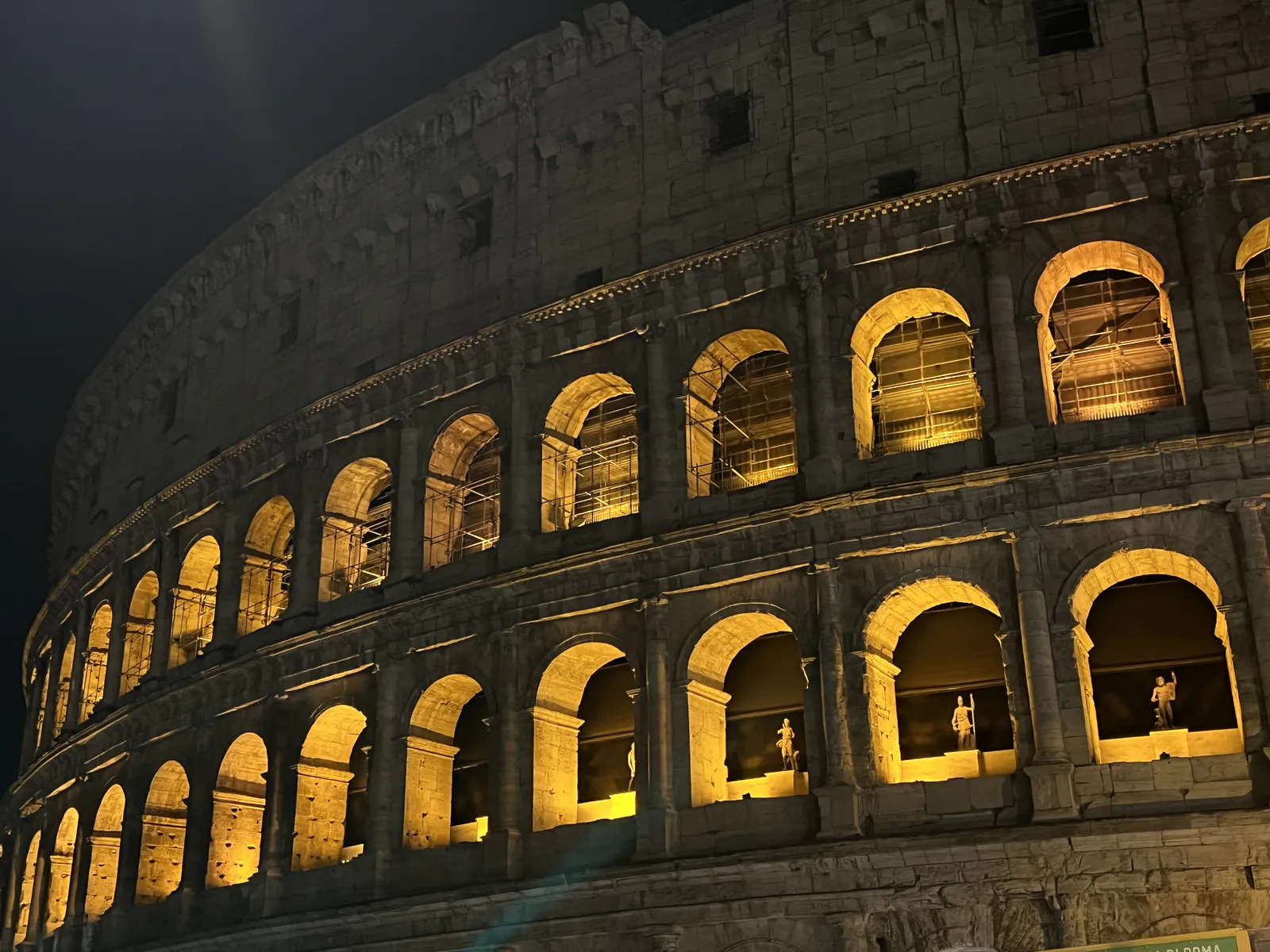
Colosseum Facade
The Colosseum’s outer facade (70–80), with superimposed arches framed by Tuscan, Ionic, and Corinthian orders, reflects Roman architectural mastery. Originally, statues of gods, emperors, and heroes filled many niches, projecting imperial grandeur while harmonizing structure, decoration, and political symbolism.
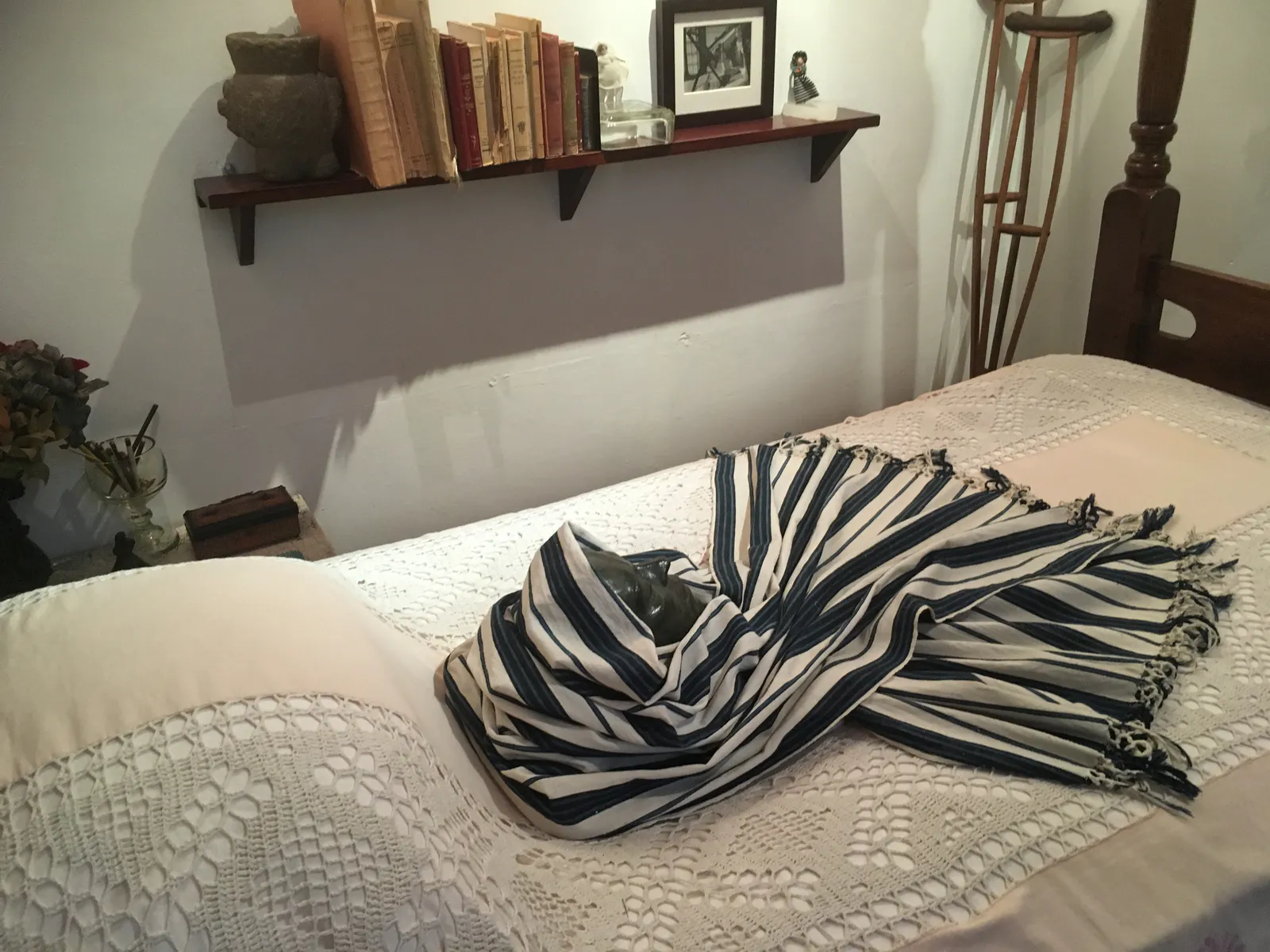
Frida Kahlo’s Deathbed
This lace-covered bed, where Frida Kahlo died on July 13 (1954), is adorned with a torso-shaped death mask wrapped in a rebozo (traditional Mexican shawl). Surrounding books, mementos, and her crutch attest to a life of artistic resilience. The setting demonstrates Kahlo’s enduring defiance amid suffering, preserving her creative spirit within the Frida Kahlo Museum.
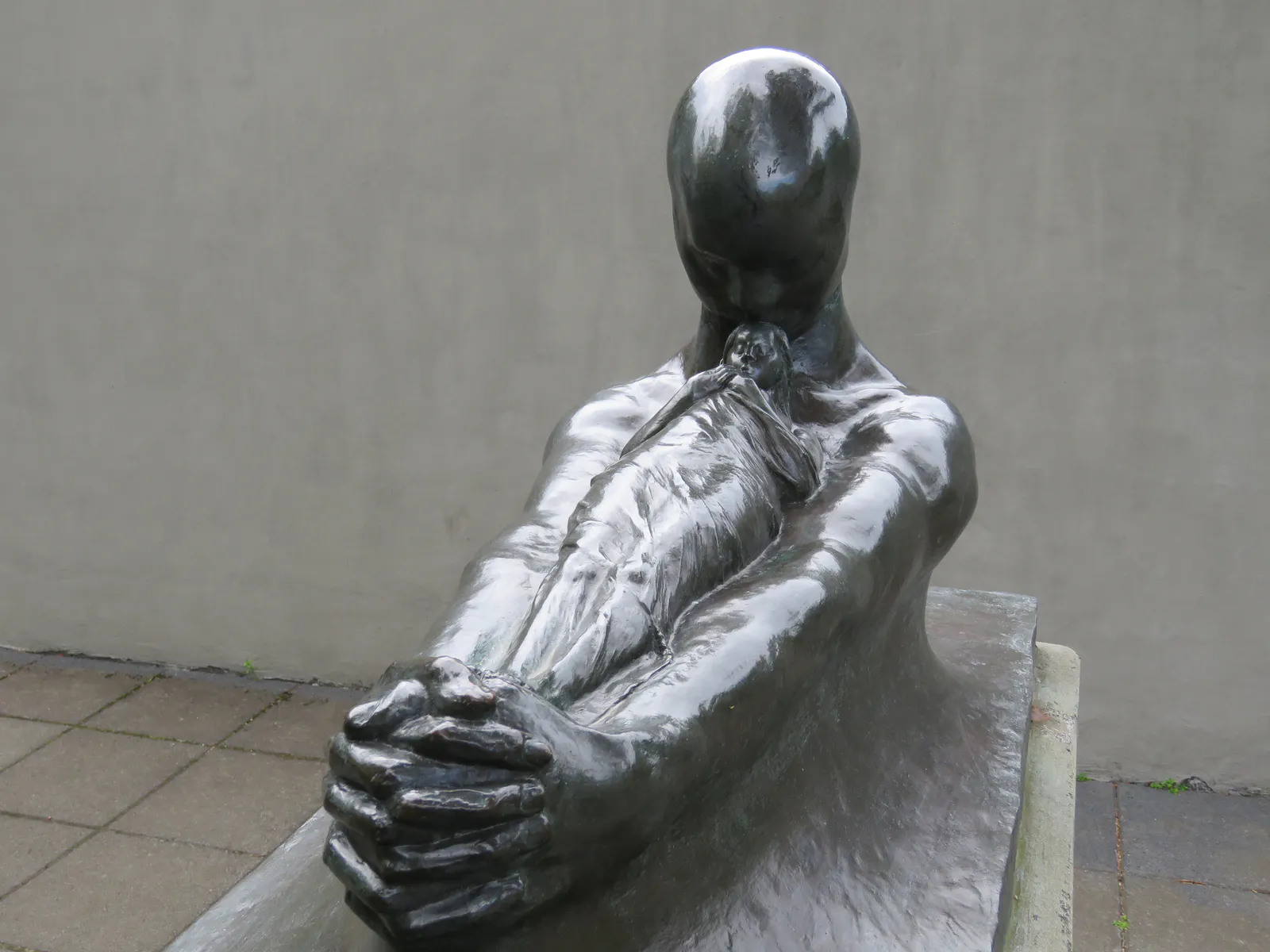
The Earth
Einar Jónsson
This sculpture (1904–08) depicts a human figure cradling a smaller, draped form, symbolizing the Earth or nature. Jónsson, an Icelandic sculptor, is known for his symbolic and allegorical works exploring mythology, spirituality, and the human condition. This piece reflects his exploration of humanity’s connection to the natural world and the spiritual realm.
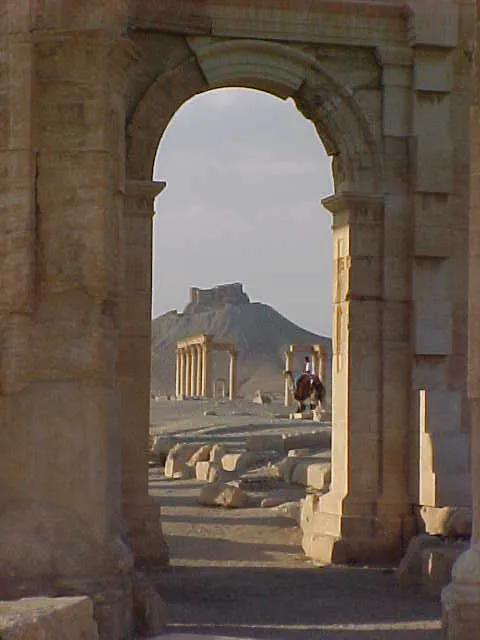
Palmyra Arch and Castle
Through the monumental arch of Palmyra, the Qala’at Ibn Maan Castle rises above the desert. Built by the Mamluks in the 13th c. and later linked to emir Fakhr-al-Din II, it overlooks colonnades that once defined this Silk Road hub. Damaged in recent conflicts, the UNESCO World Heritage site endures as a powerful symbol of Syria’s layered past.
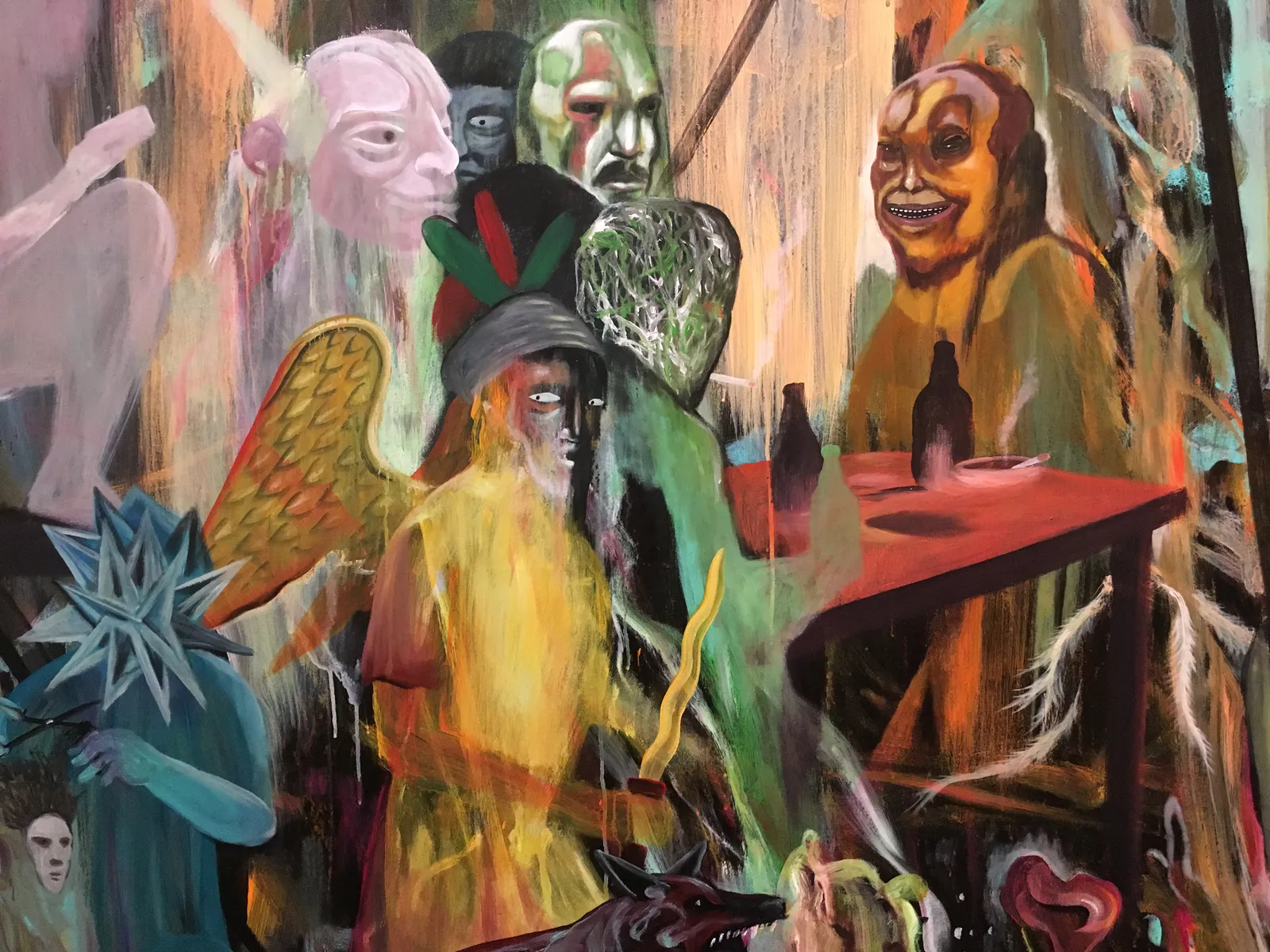
The Comedy, Parody, and Tragedy
Rodel Tapaya
This painting (2018) from Tapaya’s Urban Labyrinth series swirls with hybrid beings, masks, and mythic figures at a chaotic table. Angelic wings, demonic grins, and spectral visages blur folk imagination with urban satire. Tapaya weaves Philippine mythology into contemporary critique, where humor and menace mirror the fractured realities of modern city life.
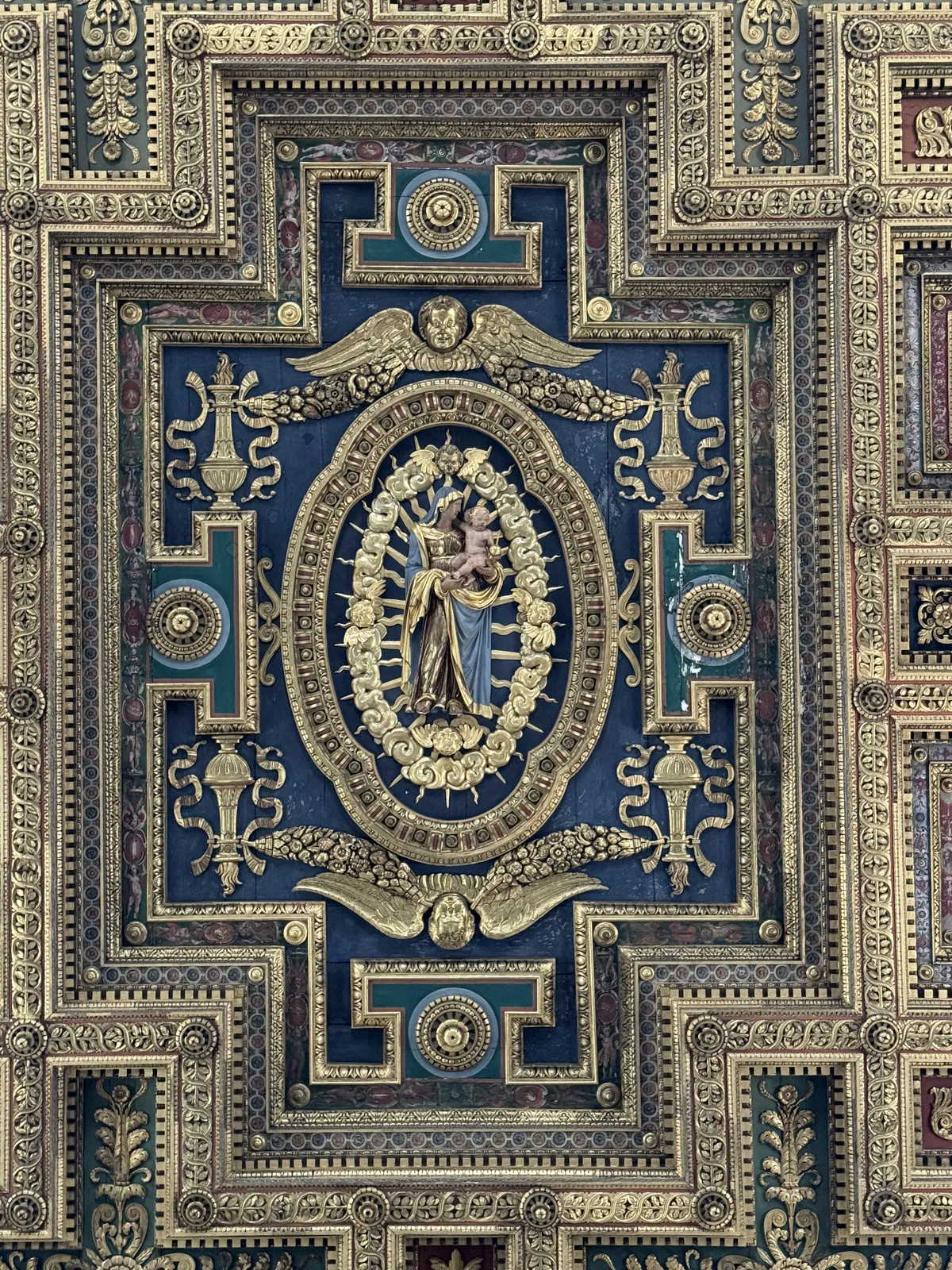
Madonna and Child on the Coffered Ceiling
This close-up of the coffered ceiling (1570s) reveals the gilded Madonna and Child, framed by laurel wreaths, winged cherubs, and intricate Baroque ornament. The richly symbolic centerpiece reflects Marian devotion, civic pride, and gratitude for the Virgin’s protection, particularly following the Christian victory at Lepanto.
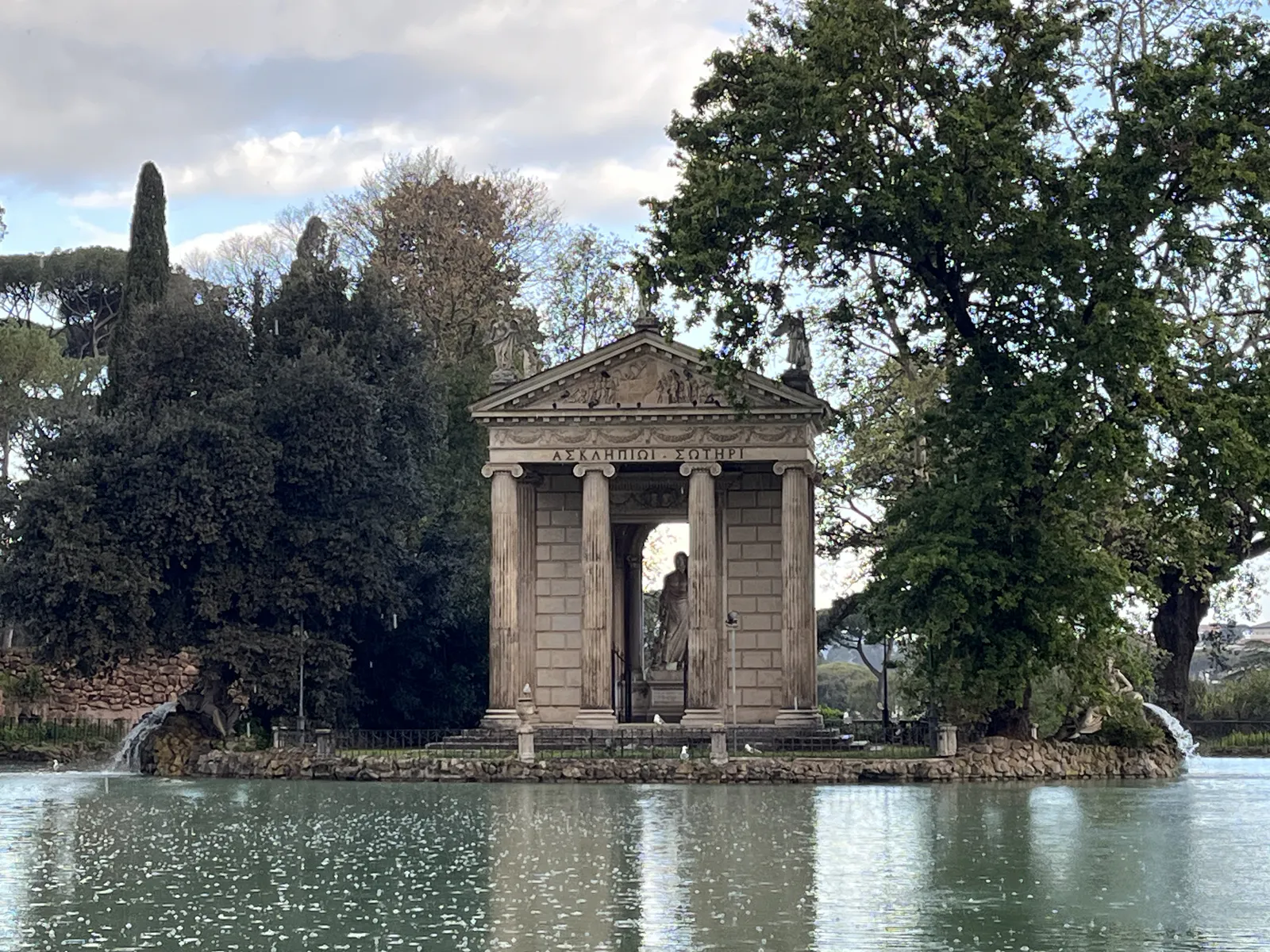
Temple of Aesculapius, Villa Borghese
This neoclassical shrine (1786–92) in Villa Borghese honors Aesculapius, god of healing. The Greek inscription To Aesculapius the Savior evokes ancient votive temples. Its central statue, found in the Mausoleum of Augustus, reinforces Rome’s enduring reverence for classical ideals and restorative power.
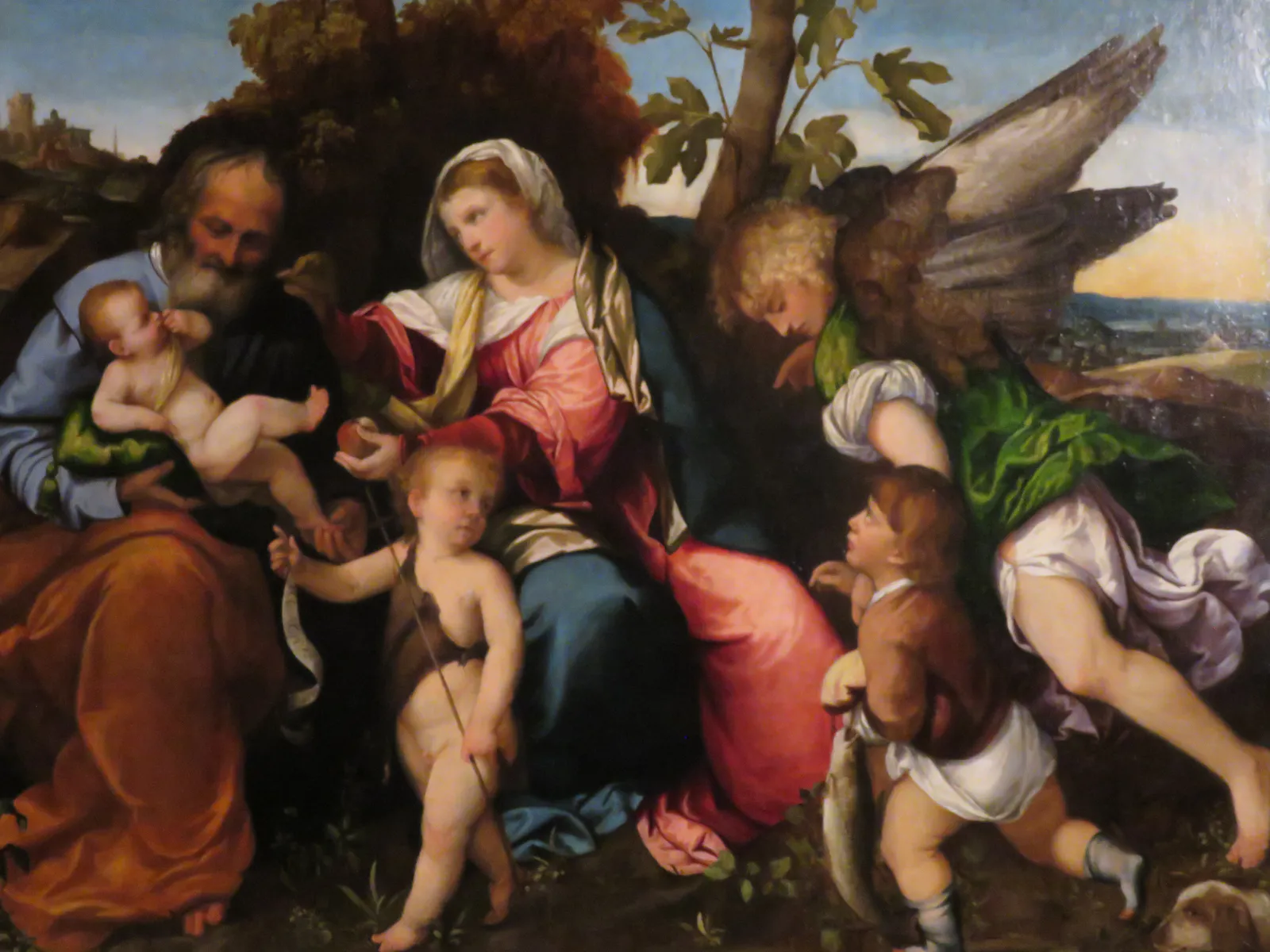
The Holy Family with Sts. Francis, Anthony, Magdalene, John and Elizabeth
Bonifazio Veronese
This oil on canvas (1525–27) shows the Holy Family seated outdoors, with Mary offering fruit to the Christ Child held by Joseph. At their side stand the young Saint John the Baptist and the Archangel Raphael guiding Tobias, who carries a fish. The combination of figures from different episodes may connect to Renaissance interest in linking domestic piety with protective intercession.
Explore the world through my eyes: begin with the image below, the map, the dropdowns above, or the search button. Every photo includes a thoughtful caption.
Explore the world through my eyes: begin with the image below, the map, the dropdowns above, or the search button. Every photo includes a thoughtful caption.
When the path is beautiful, do not ask where it leads.
My travels have always been shaped by two intertwined forms of discovery. One is intellectual: learning why the world is the way it is. History became my guide, drawing me toward museums, old cities, architecture, and the layers of meaning carried by places. The other is emotional: the search for beauty, harmony, and moments of elevation, often found in nature, monasteries, and sacred spaces.
Together, these impulses shape how I travel, what I photograph, and how I interpret what I see. This site is my way of sharing that lifelong learning in visual form—one image at a time, with enough context to deepen curiosity and understanding. I hope these photographs leave you with a sense of wonder and a deeper feeling for the world.
Now let’s explore together.