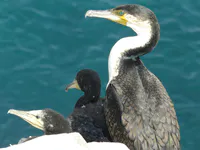
Cape Verde Cormorant Family by the Sea
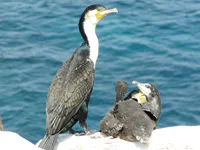
Cape Verde Cormorant with Chicks
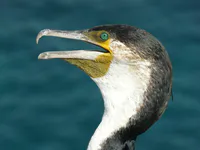
Cape Verde Cormorant
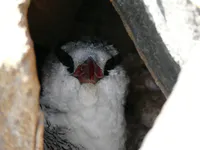
Red-Billed Tropicbird Chick in Nest
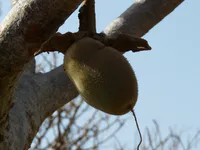
Baobab Fruit
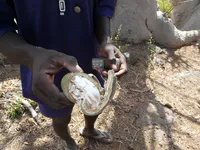
Baobab Fruit Interior

Explorers at the Coastal Lookout
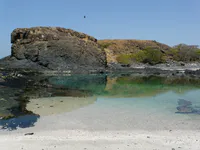
Volcanic Lagoon Reflection
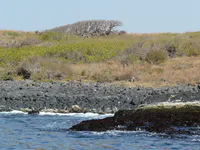
Coastal Vegetation of the Madeleine Islands
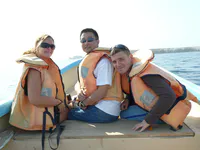
Boat Ride to the Madeleine Islands
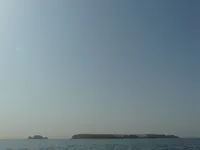
Madeleine Islands from the Sea
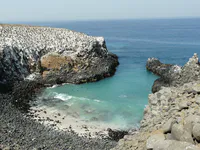
Cormorant Colony Cove
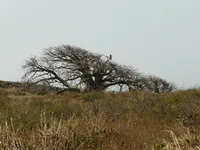
Windswept Baobab with Hawk
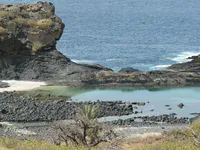
Volcanic Pool and Ocean Bluff
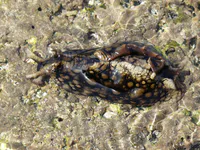
Spotted Sea Hare
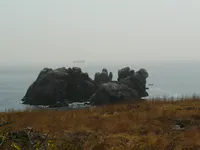
Sea Stack in the Haze
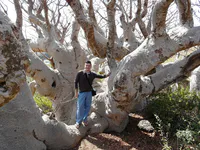
Max Among Baobabs
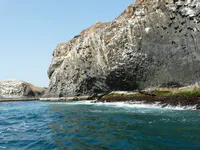
Volcanic Cliffs of the Madeleine Islands
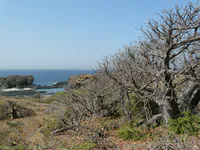
Baobabs Overlooking the Coast
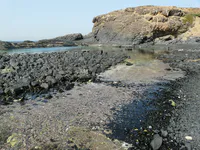
Volcanic Tidal Pools
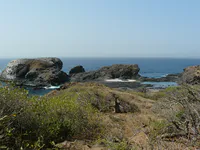
Coastal Vegetation and Lava Shore
Madeleine Islands National ParkParc national des îles de la Madeleine
Madeleine Islands National Park protects two wind-scoured volcanic islets just off Dakar, where black basalt cliffs, sea stacks, and tide pools expose the meeting of ancient lava and the Atlantic. Created in 1976, Senegal’s smallest national park is significant less for scenery than for survival: dense seabird colonies nest on the rock, while fragile intertidal life persists in sheltered inlets. With access tightly controlled, the islands remain a stark silhouette on the city’s horizon—an austere, almost sacred reminder that wild coasts still exist beside an expanding capital.
Explore by type and place