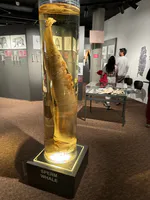
Sperm Whale Penis
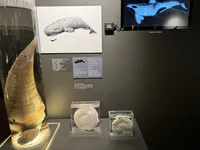
Sperm Whale Penis
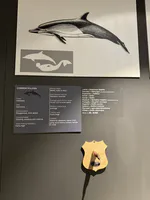
Dolphin Penis
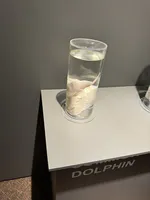
Dolphin Penis
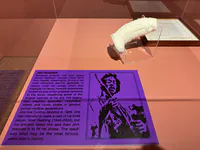
Jimi Hendrix and Cynthia Albritton Encounter
Jimi Hendrix and Cynthia Albritton Encounter
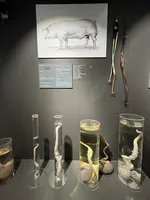
Pig Penises
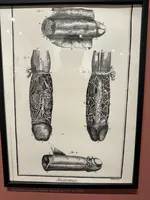
Anatomical Study of the Penis
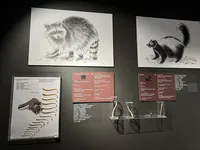
Raccoon Penises
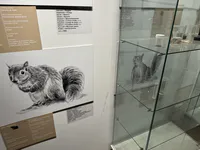
Squirrel Penises
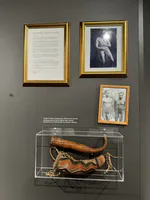
Penis Sheaths from Papua New Guinea
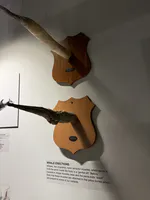
Whale Anatomy and Reproductive System
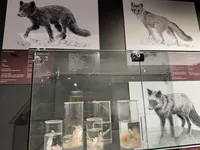
Fox Penises
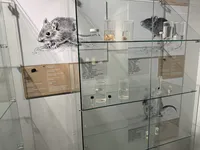
Rodent Penises
Penis Anatomy in Humans and Other Mammals
In many hoofed mammals (ungulates), the penis is mainly fibroelastic and relies less on increased blood flow; it straightens when retractor muscles relax rather than lengthening dramatically. These retractor muscles pull the organ back into the foreskin or a genital slit when not erect and are especially prominent in whales. Some mammals—such as rodents, seals, and most land carnivores—also possess a penis bone (baculum), which helps maintain erections during repeated mating.
In humans, the penis is the male organ for urination and sexual intercourse. It is made up of a base, shaft, glans, and foreskin, with spongy tissues (corpora cavernosa and corpus spongiosum), blood vessels, and nerves surrounding the urethra, which carries both urine and semen. Size, shape, and curvature vary widely and naturally among individuals.
In humans, the penis is the male organ for urination and sexual intercourse. It is made up of a base, shaft, glans, and foreskin, with spongy tissues (corpora cavernosa and corpus spongiosum), blood vessels, and nerves surrounding the urethra, which carries both urine and semen. Size, shape, and curvature vary widely and naturally among individuals.
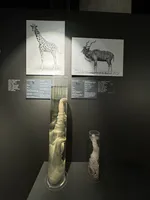
Giraffe and Greater Kudu Penises
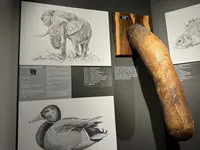
Elephant Penis
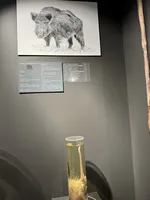
Wild Boar Penis
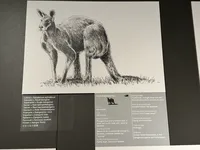
Kangaroo Penis
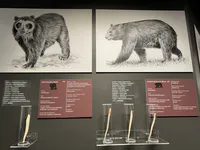
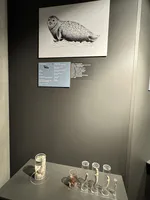
Bear Penises
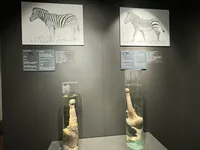
Zebra Penises
Human Penis Anatomy and Its Role in Reproduction
The penis is the male organ for urination and sexual intercourse. It consists of a base, shaft, glans and foreskin, and contains spongy tissue, blood vessels and nerves. Inside, two corpora cavernosa and the corpus spongiosum fill with blood to produce an erection. The urethra runs through the penis, carrying both urine and semen. Variations in size, shape and curvature are normal, and the organ plays a central role in human reproduction and sexual function.
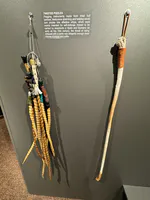
Bull-Penis Flogging Instruments
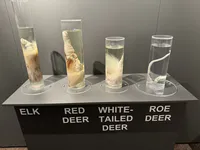
Deer Penises
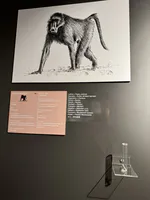
Baboon Penis

First Human Specimen, Icelandic Phallological Museum
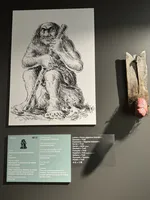
Troll Penis
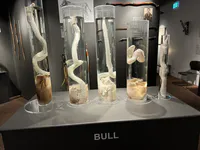
Bull Penises
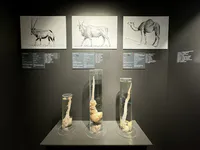
Antelope and Camel Penises

Cat Penises
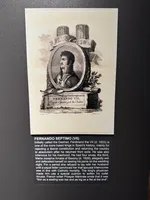
Portrait of King Ferdinand VII of Spain
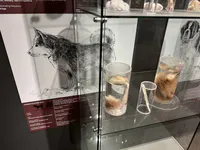
Dog Penises
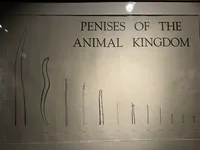
Penises of the Animal Kingdom
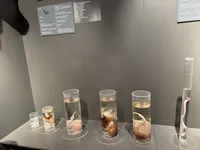
Sheep Penises
Enlightenment-Era Anatomy: The Penis in Scientific Detail
Eighteenth-Century Anatomical Illustration
The 18th-century plate from Diderot and d’Alembert’s Encyclopédie presents the penis in a precise, didactic manner typical of Enlightenment anatomy. It highlights the organ’s internal structure—erectile tissues, vessels, and the course of the urethra—treating male sexuality and reproduction as subjects for systematic scientific observation rather than myth or taboo.
The 18th-century plate from Diderot and d’Alembert’s Encyclopédie presents the penis in a precise, didactic manner typical of Enlightenment anatomy. It highlights the organ’s internal structure—erectile tissues, vessels, and the course of the urethra—treating male sexuality and reproduction as subjects for systematic scientific observation rather than myth or taboo.

Whale Penises
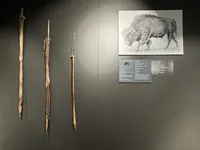
Byson Penises
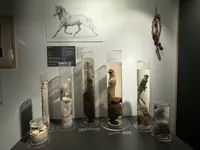
Horse Penises
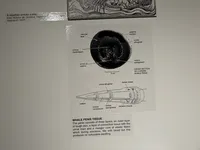
Anatomy of Whale Penis Tissue
Icelandic Phallological MuseumHið Íslenzka Reðasafn
Icelandic Phallological Museum in Reykjavík grew from Sigurður Hjartarson’s private collection, opened to the public in 1997, into a deadpan study of phallology—how the phallus varies across mammals and how cultures have mythologized it. Jars of preserved specimens share space with folklore objects and an 18th c. engraving from Encyclopédie, placing local wit beside Enlightenment anatomy. By framing a taboo as natural history, the museum turns embarrassment into curiosity.
Explore by type and place