2024 © Maxim Tabachnik
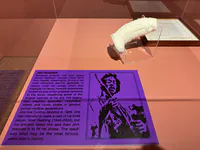
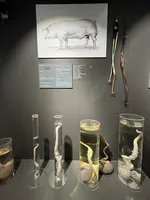
 The penis is the male organ for urination and sexual intercourse. It consists of a base, shaft, glans and foreskin, and contains spongy tissue, blood vessels and nerves. Inside, two corpora cavernosa and the corpus spongiosum fill with blood to produce an erection. The urethra runs through the penis, carrying both urine and semen. Variations in size, shape and curvature are normal, and the organ plays a central role in human reproduction and sexual function.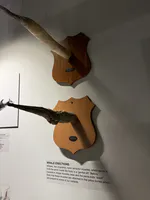
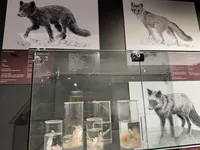
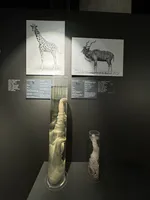
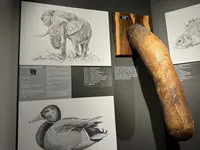
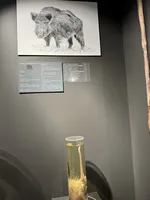
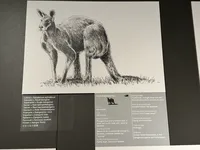
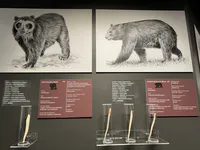
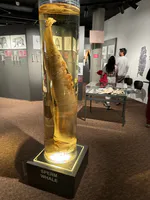
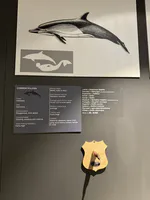
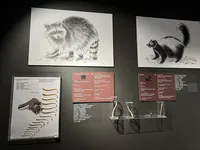
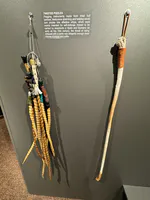
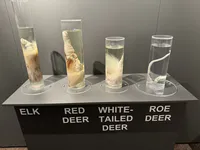
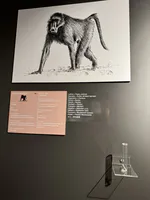
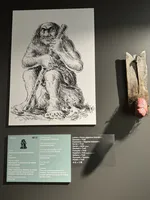
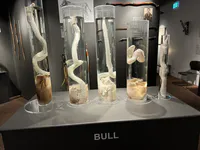
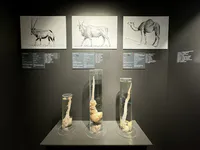
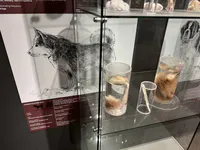
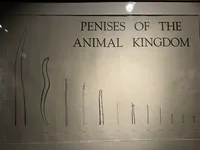
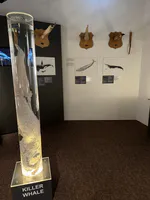
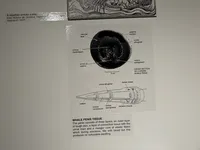
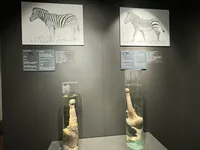 In many hoofed mammals (ungulates), the penis is mainly fibroelastic and relies less on increased blood flow; it straightens when retractor muscles relax rather than lengthening dramatically. These retractor muscles pull the organ back into the foreskin or a genital slit when not erect and are especially prominent in whales. Some mammals—such as rodents, seals, and most land carnivores—also possess a penis bone (baculum), which helps maintain erections during repeated mating.
In humans, the penis is the male organ for urination and sexual intercourse. It is made up of a base, shaft, glans, and foreskin, with spongy tissues (corpora cavernosa and corpus spongiosum), blood vessels, and nerves surrounding the urethra, which carries both urine and semen. Size, shape, and curvature vary widely and naturally among individuals.

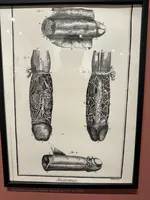
 Eighteenth-Century Anatomical Illustration
The 18th-century plate from Diderot and d’Alembert’s Encyclopédie presents the penis in a precise, didactic manner typical of Enlightenment anatomy. It highlights the organ’s internal structure—erectile tissues, vessels, and the course of the urethra—treating male sexuality and reproduction as subjects for systematic scientific observation rather than myth or taboo.


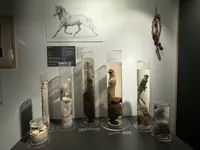
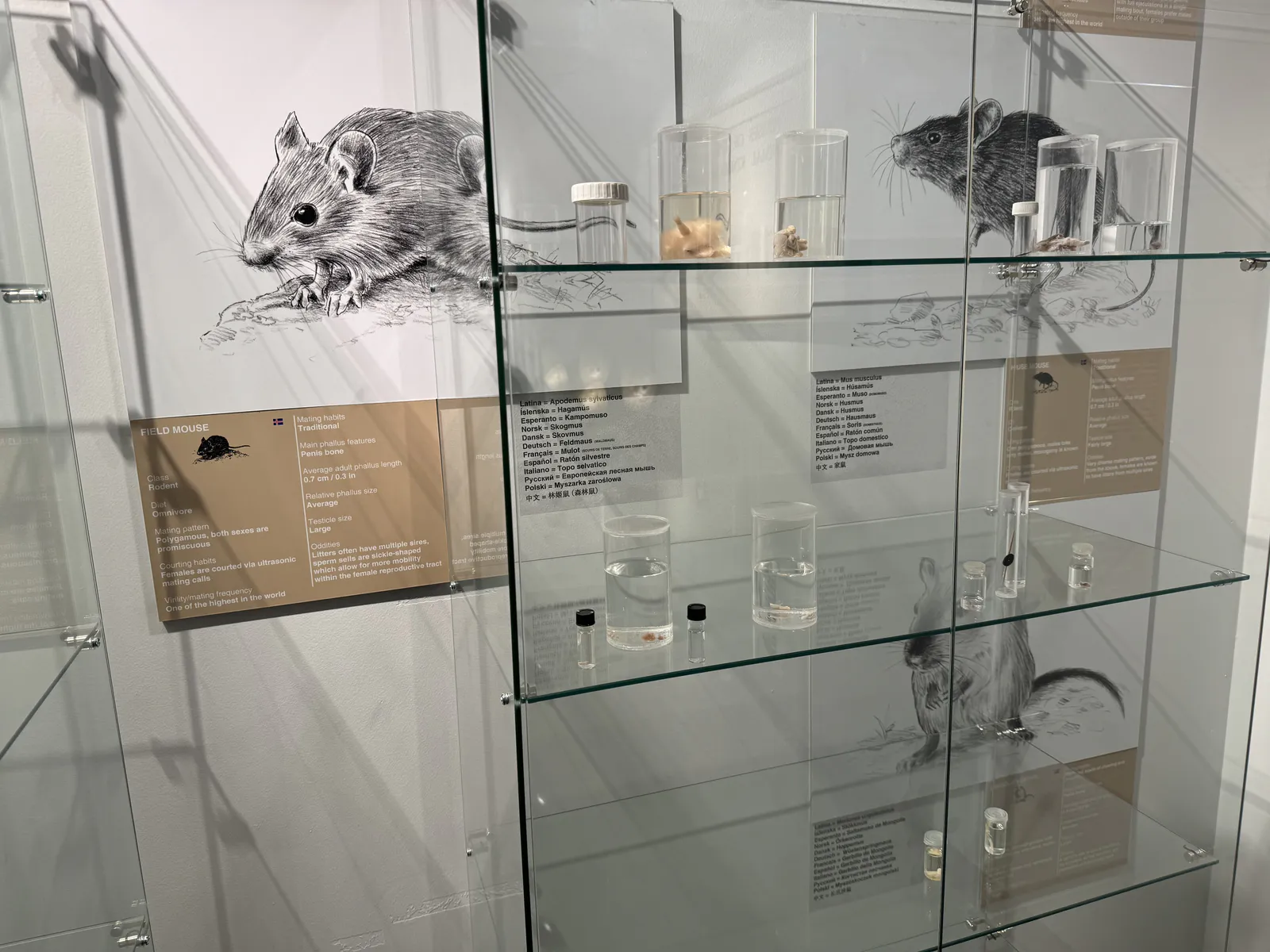
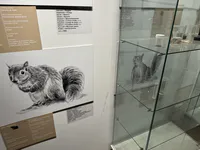
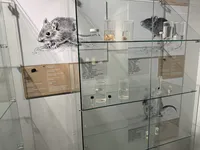
Rodent Penises
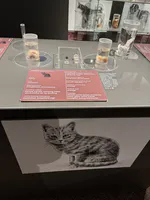
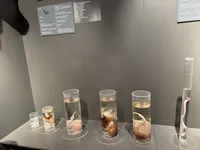
Rodent penises are vital for understanding evolutionary biology and species differentiation. Their morphology varies across species, reflecting adaptations to ecological niches and mating strategies. Studying these structures offers insights into reproductive success and genetic diversity, enhancing our understanding of evolutionary processes and the balance between form, function, and environment.
Explore by type and place