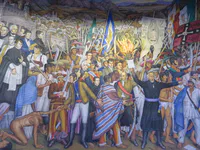
Retablo de la Independencia Mural
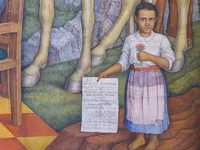
Retablo de la Independencia Mural
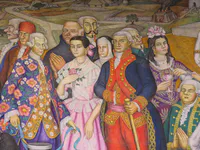
Retablo de la Independencia Mural
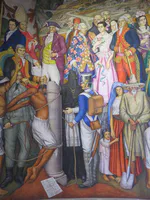
Detail from Retablo de la Independencia
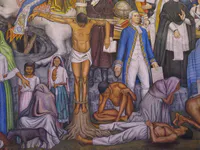
Mexican War of Independence
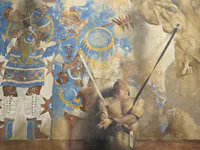
Second Treatise on Error
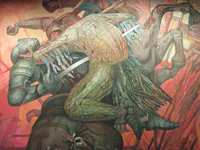
The Fusion of Two Cultures Mural
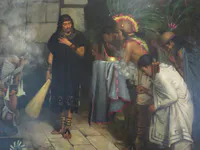
Moctezuma’s Appointment as Monarch
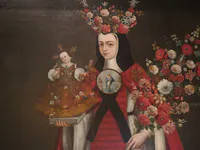
Portrait of María Francisca Josefa de San Felipe Neri
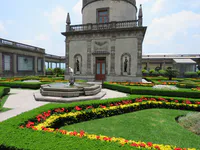
Caballero Alto Tower and Observatory
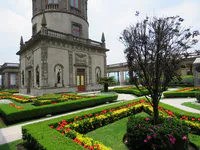
Caballero Alto Tower and Observatory
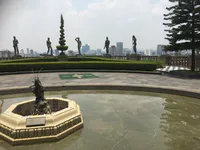
Chapultepec Fountain, Mexico City
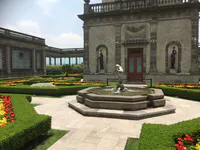
Chapultepec Castle Gardens
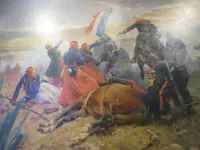
The Battle of Puebla
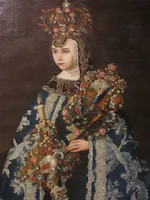
Crowned Nun Portrait of Sor María
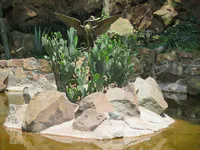
El Aguilita Sculpture
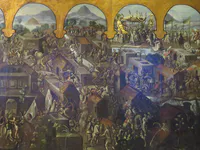
Biombo of the Conquest of Mexico
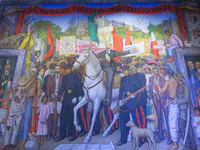
Altarpiece of the Revolution Mural
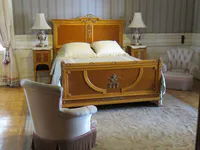
Bedroom of Carmen Romero Rubio
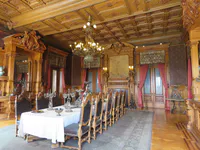
Dining Room Interior
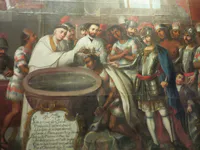
Baptism of Ixtlixóchitl
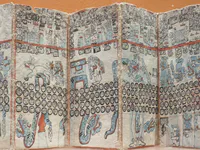
Madrid Codex
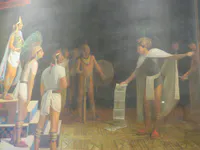
Moctezuma Receives the Messengers
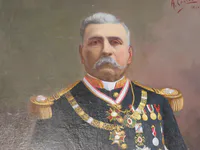
Portrait of Porfirio Díaz
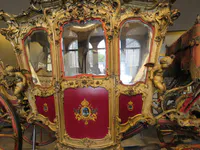
Emperor Maximilian’s State Coach
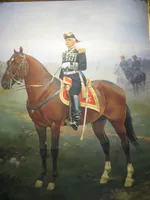
Equestrian Portrait of Porfirio Díaz
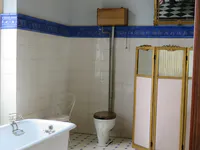
Elegant Bathroom Design
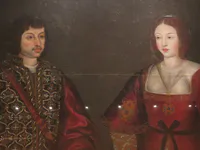
The Catholic Monarchs
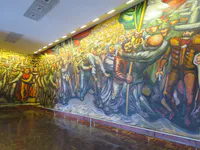
Del Porfirismo a la Revolución Mural
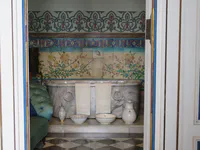
The Empress’s Bath
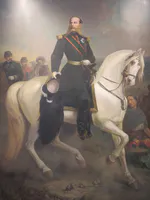
Equestrian Portrait of Maximilian of Habsburg
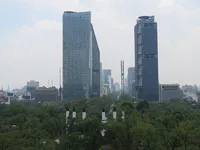
Mexico City Skyline with BBVA Tower

Torre Reforma Skyscraper, Mexico City
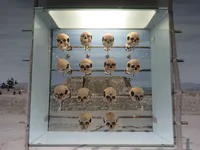
Wall of Skulls from Tecoaque
Chapultepec CastleCastillo de Chapultepec
Chapultepec Castle crowns Chapultepec Hill—its Nahuatl name means grasshopper hill—and condenses Mexico’s changing power into a single skyline. Begun in the 1780s as a viceregal retreat, it became a fortress where military cadets died in the 1847 Mexican–American War, remembered as the Niños Héroes. Refashioned in the 1860s for Emperor Maximilian and Empress Carlota, it later served presidents until 1940; today the National Museum of History uses the former palace to frame Mexico’s past as lived experience and contested memory.
Explore by type and place