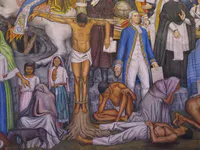
Colonial Oppression
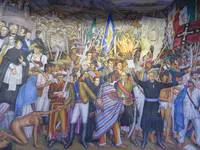
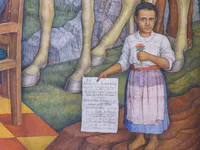
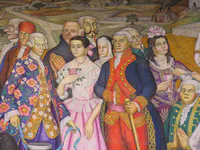
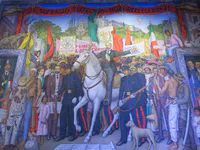
Hidalgo Leads the Insurgent CrowdGirl with a Flower and PlacardThe Colonial EliteColonial OppressionMexican War of Independence
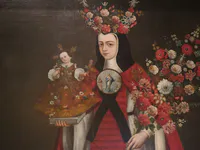
The ConquestEagle Warrior and Conquistador in CombatMoctezuma Receives the CrownMaría Francisca Josefa with the Christ Child and Lambs
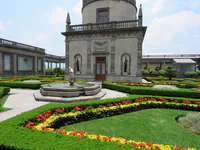
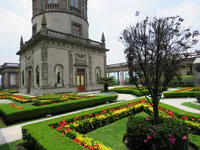
Caballero Alto Tower and ObservatoryCaballero Alto Above the Garden
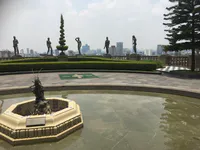
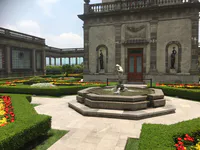
Grasshopper Fountain and Cadet MemorialsFountain and Flower Beds in the Alcázar Garden
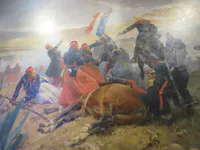
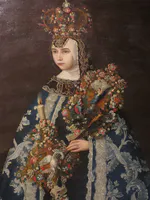
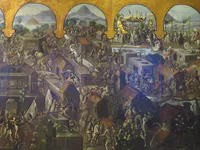
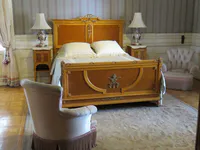
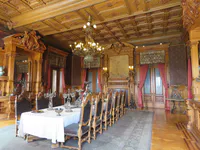
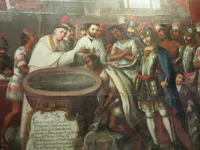
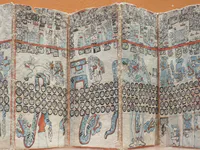
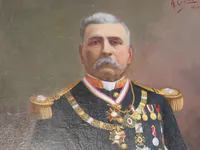
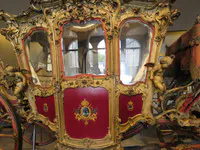
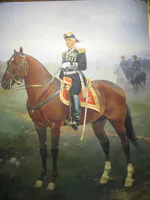
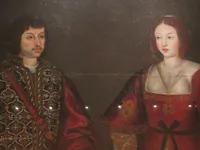
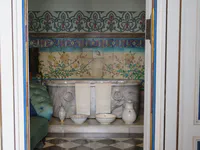
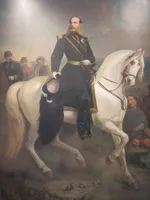
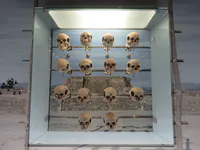
The Battle of May 5, 1862Crowned Nun Portrait of Sor MaríaEl AguilitaEncounters and Battles in TenochtitlanMadero Leads the March of LoyaltyCarmen Romero Rubio's BedroomThe Presidential Dining RoomBaptism of IxtlixóchitlGods and Calendar Signs in the Madrid CodexMoctezuma Receives the MessengersPorfirio Díaz in Military DressEmperor Maximilian and Empress Carlota’s State CoachEquestrian Portrait of Porfirio DíazBathroom at Chapultepec CastleThe Catholic MonarchsThe Struggle for the Mexican Flagress Carlota’s Marble BathMaximilian of Habsburg on HorsebackPaseo de la Reforma from Chapultepec CastleTorre Insignia above Mexico CitySkulls from the Tecoaque Tzompantli

Colonial OppressionJuan O'Gorman

1015
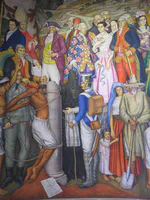
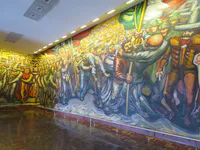
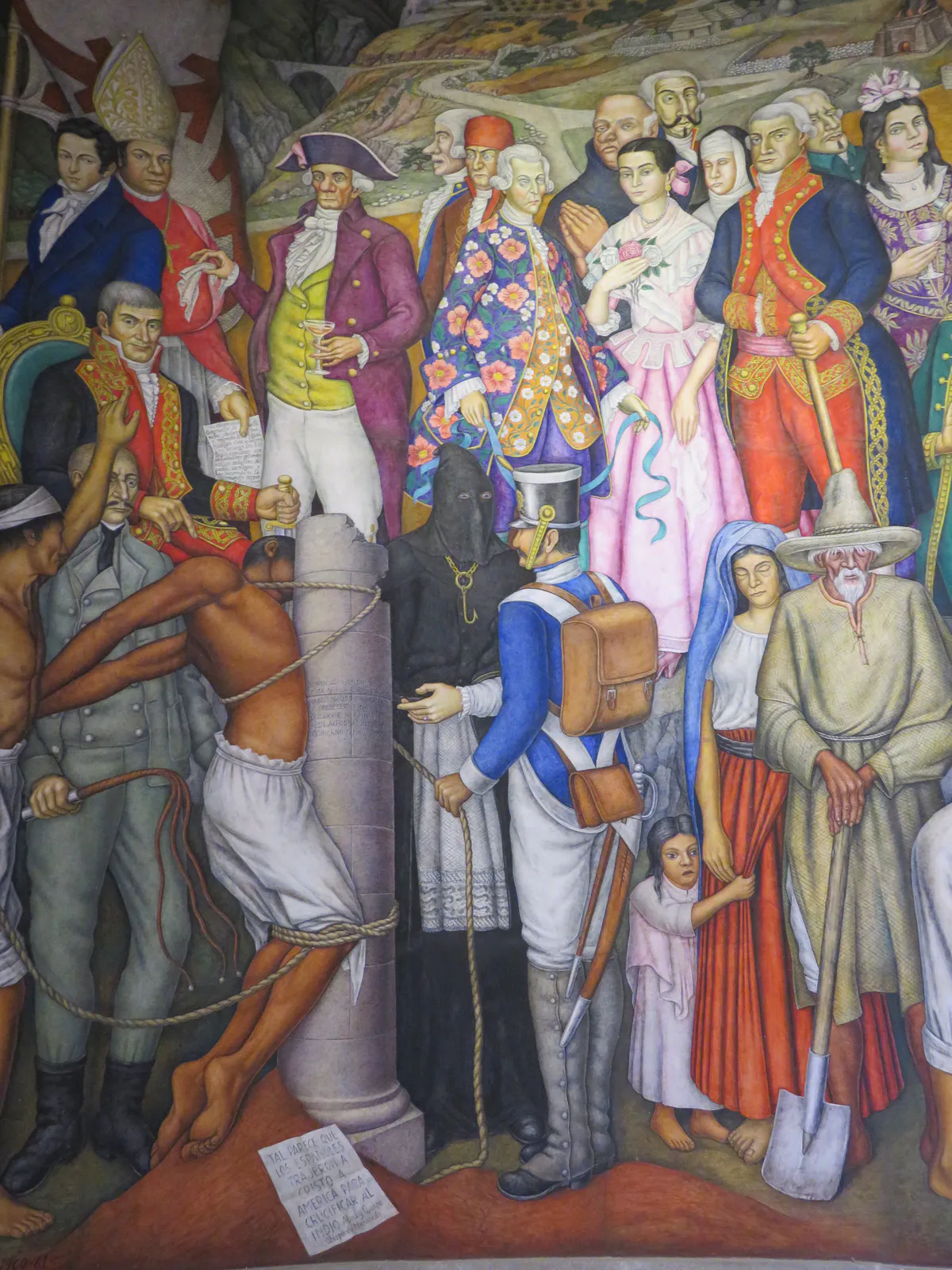
A nearly naked man subjected to torture makes colonial violence explicit in Retablo de la Independencia (1960–61). Around him, soldiers, clergy, and richly dressed figures connect coercion with the institutions and privileges of Spanish rule. O’Gorman sets this brutality against the suffering of ordinary people, presenting independence as a struggle rooted in social injustice as well as a break from Spain.