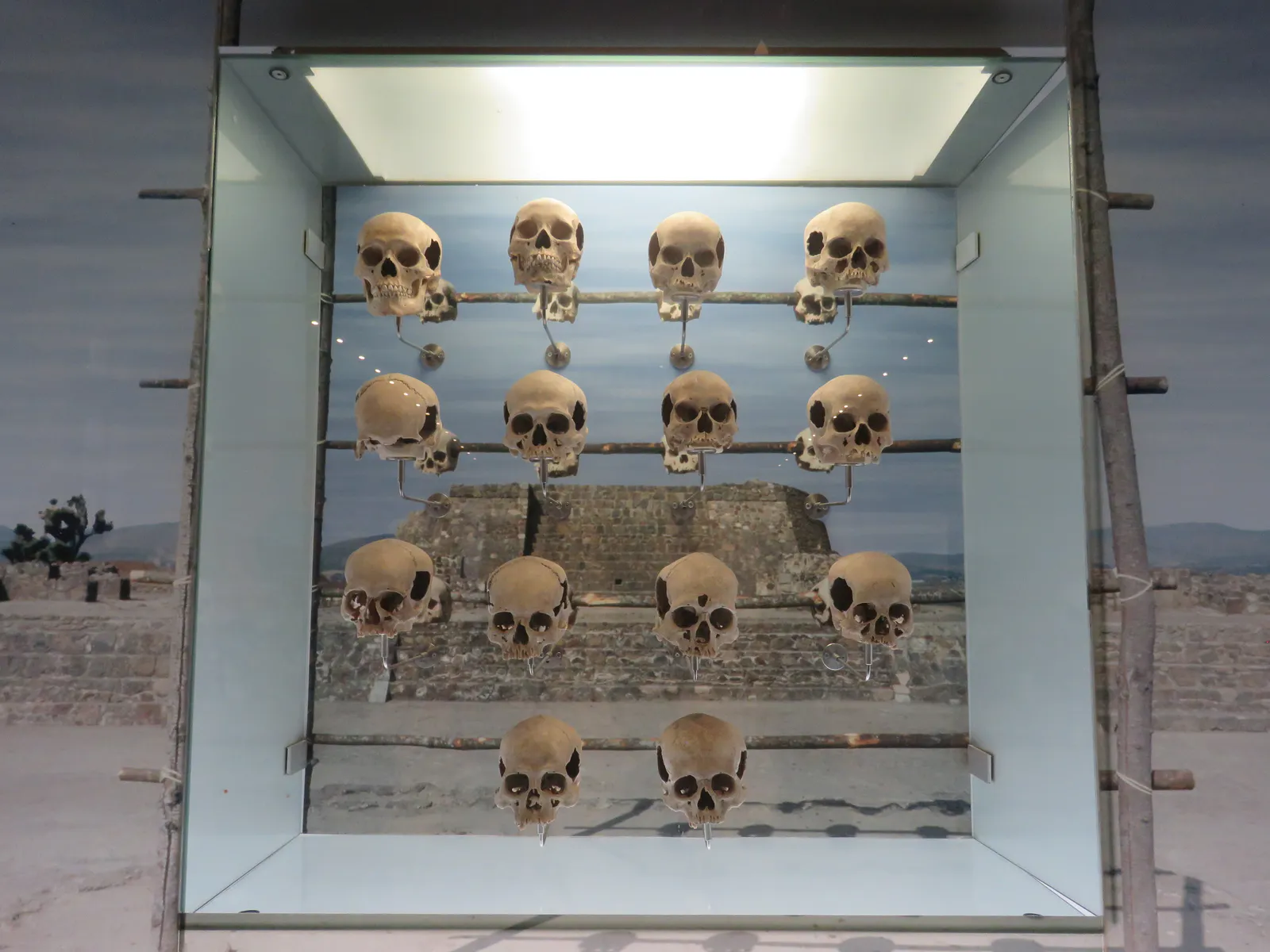
Skulls from the Tecoaque Tzompantli
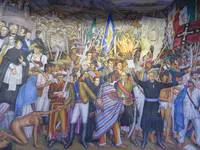
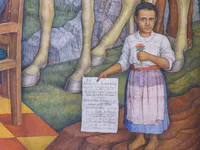
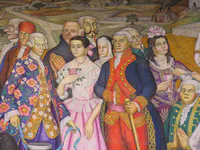
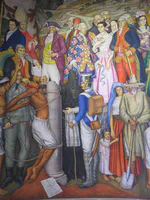
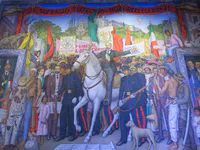
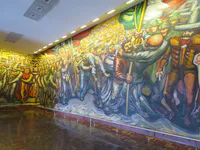
Hidalgo Leads the Insurgent CrowdGirl with a Flower and PlacardThe Colonial EliteColonial OppressionMexican War of Independence
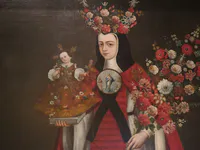
The ConquestEagle Warrior and Conquistador in CombatMoctezuma Receives the CrownMaría Francisca Josefa with the Christ Child and Lambs
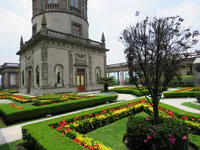
Caballero Alto Tower and ObservatoryCaballero Alto Above the Garden
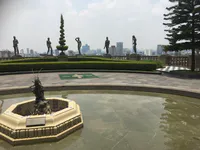
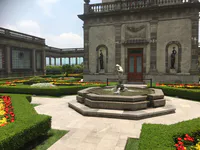
Grasshopper Fountain and Cadet MemorialsFountain and Flower Beds in the Alcázar Garden
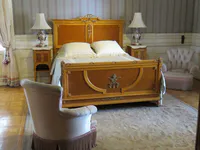
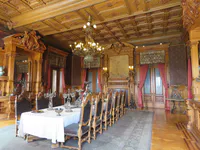
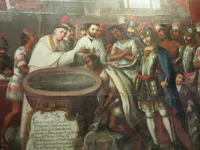
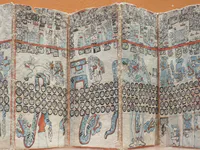
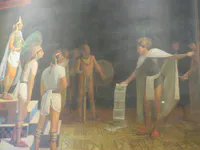
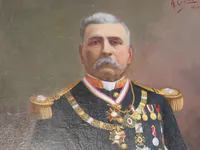
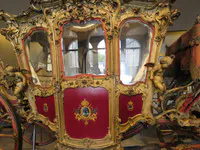
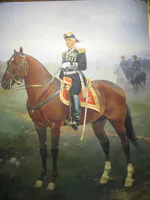
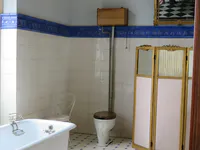
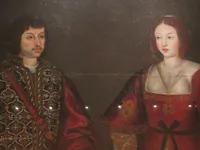
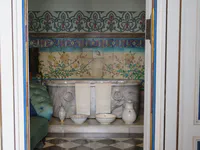
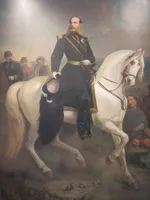
The Battle of May 5, 1862Crowned Nun Portrait of Sor MaríaEl AguilitaEncounters and Battles in TenochtitlanMadero Leads the March of LoyaltyCarmen Romero Rubio's BedroomThe Presidential Dining RoomBaptism of IxtlixóchitlGods and Calendar Signs in the Madrid CodexMoctezuma Receives the MessengersPorfirio Díaz in Military DressEmperor Maximilian and Empress Carlota’s State CoachEquestrian Portrait of Porfirio DíazBathroom at Chapultepec CastleThe Catholic MonarchsThe Struggle for the Mexican Flagress Carlota’s Marble BathMaximilian of Habsburg on HorsebackPaseo de la Reforma from Chapultepec CastleTorre Insignia above Mexico CitySkulls from the Tecoaque Tzompantli

Skulls from the Tecoaque Tzompantli

748
Fourteen human skulls bear traces of display on a tzompantli, a wooden skull rack, at Zultépec-Tecoaque (1520–1521). They belonged to captives from a caravan seized by the town’s Acolhua inhabitants, whose prisoners included Europeans, Africans, and Indigenous people. Sacrificed over several months, the captives reveal the conquest’s human diversity and the ritual violence surrounding resistance to the Spanish advance.