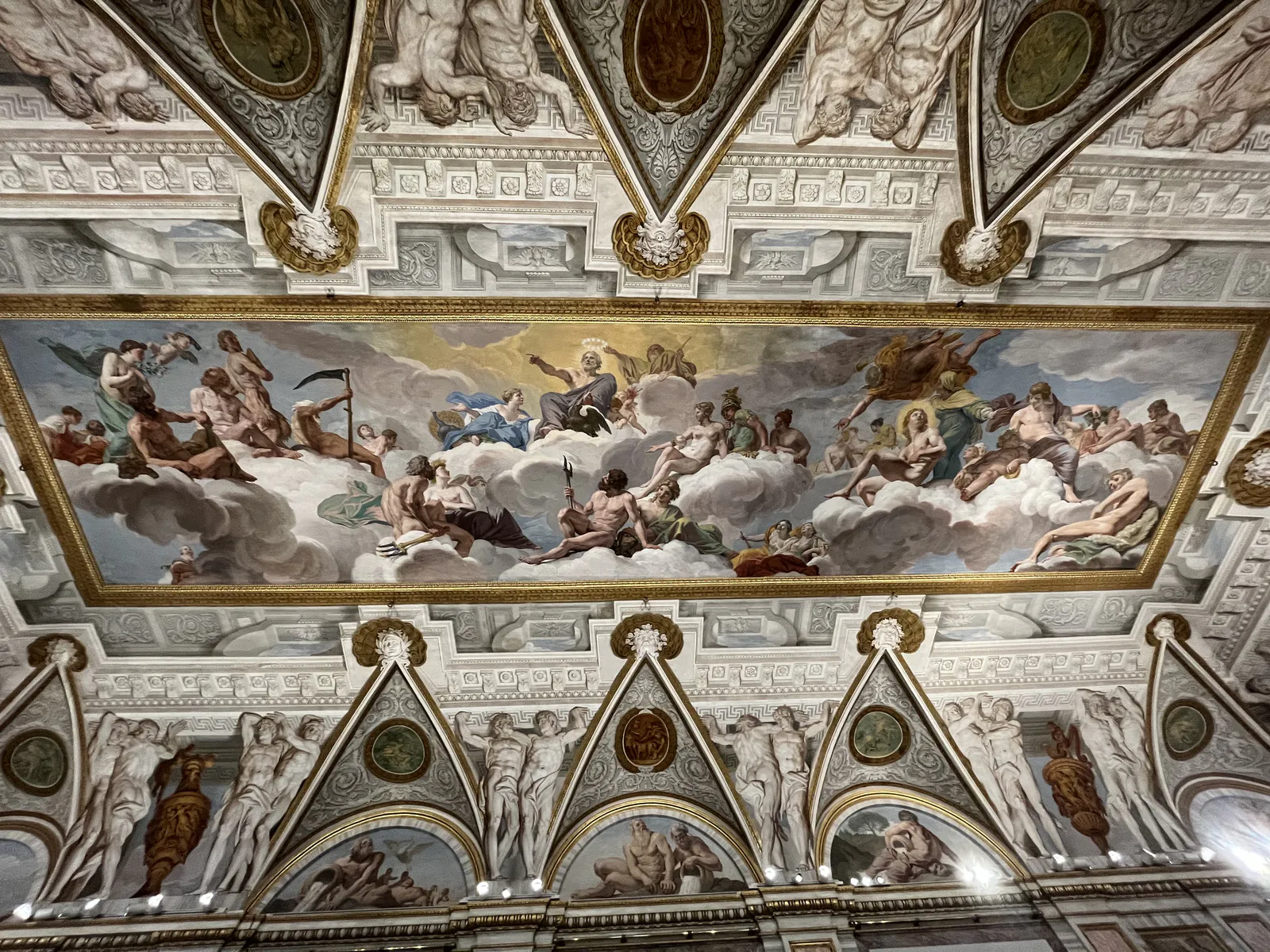
The Council of the Gods
Giovanni Lanfranco
Lanfranco’s grand ceiling fresco (1624–25) fills the Sala della Loggia with divine spectacle. Jupiter reigns at the center, surrounded by Roman deities including Venus, Mars, Pluto, and Juno. Designed to dissolve architectural limits, the illusionistic sky transforms the ceiling into a heavenly theater of Baroque power and myth.
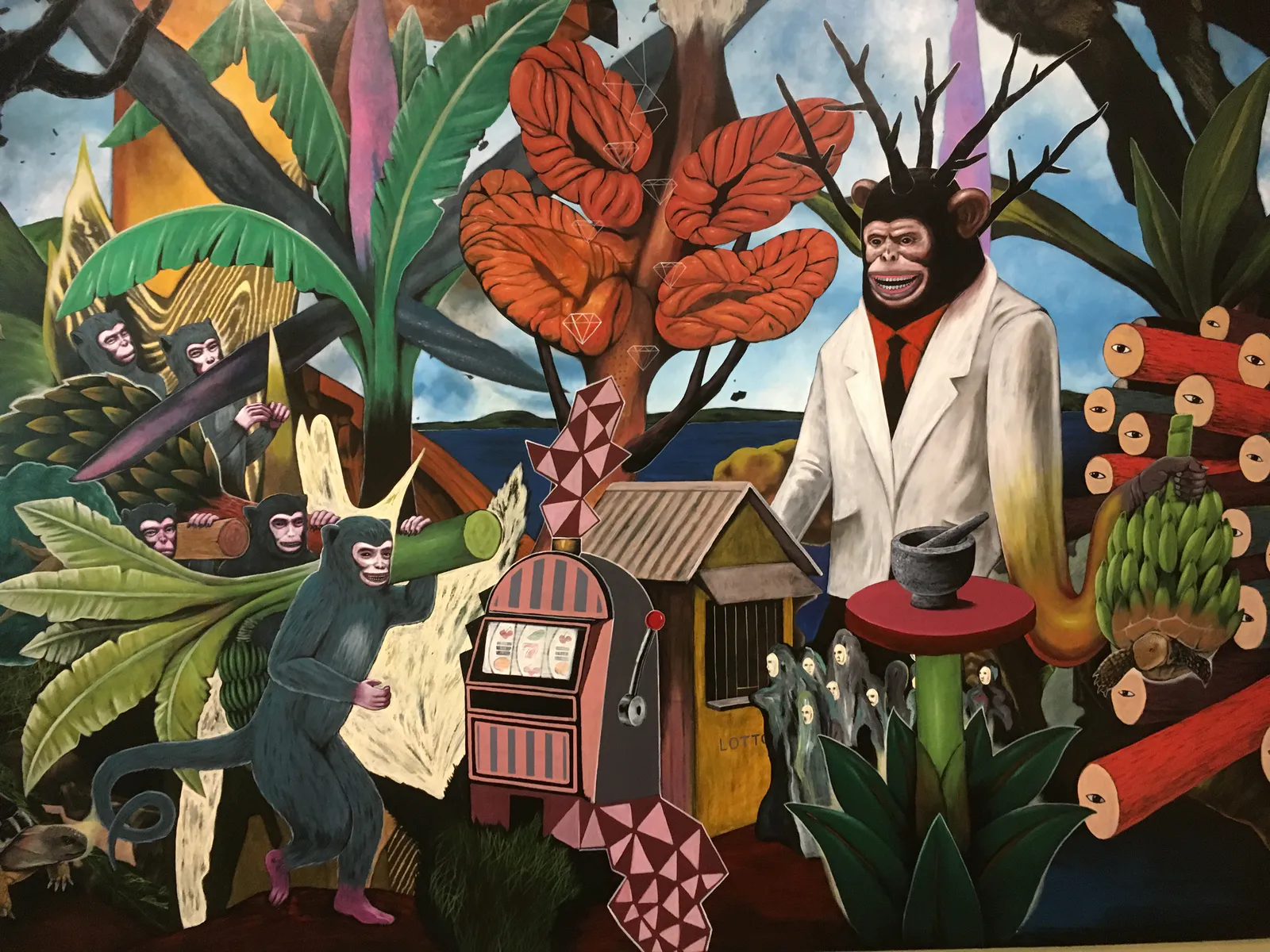
Instant Gratification
Rodel Tapaya
This work (2018) reinterprets the Filipino fable of The Monkey and the Turtle, placing its lesson within a crowded jungle of gambling stalls and restless figures. Monkeys embody the tale’s impatience and hunger for quick gain, while a small turtle-the steady effort outlasts reckless desire. Log piles, patterned trunks, and theatrical foliage frame a world driven by instant gratification and easy profit. Tapaya adapts indigenous storytelling to expose modern cycles of greed.
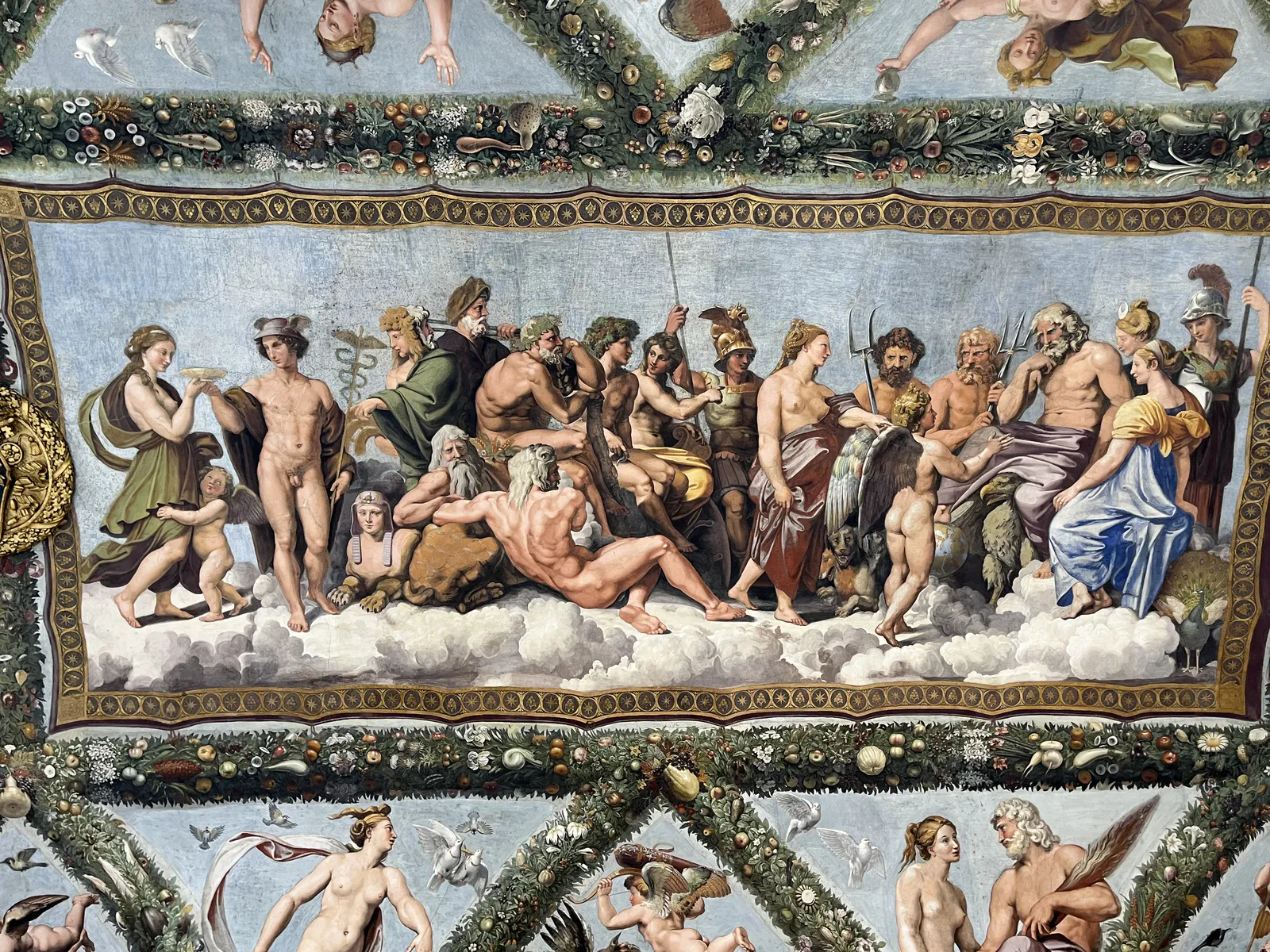
Council of the Gods
Raphael
In this scene (1518), Raphael depicts the gods deciding Psyche’s fate. Right to left: Minerva (helmet), Diana (with crescent moon), Jupiter (eagle below), Juno (blue robe), Neptune (trident), Pluto (bident, dog Cerberus), Venus (semi-nude, pointing), Mars (helmet). On the far left, Mercury (caduceus) leads Psyche to Olympus. Cupid kneels before Jupiter, pleading for Psyche’s immortality. The council embodies divine justice, granting the soul eternal union with love.
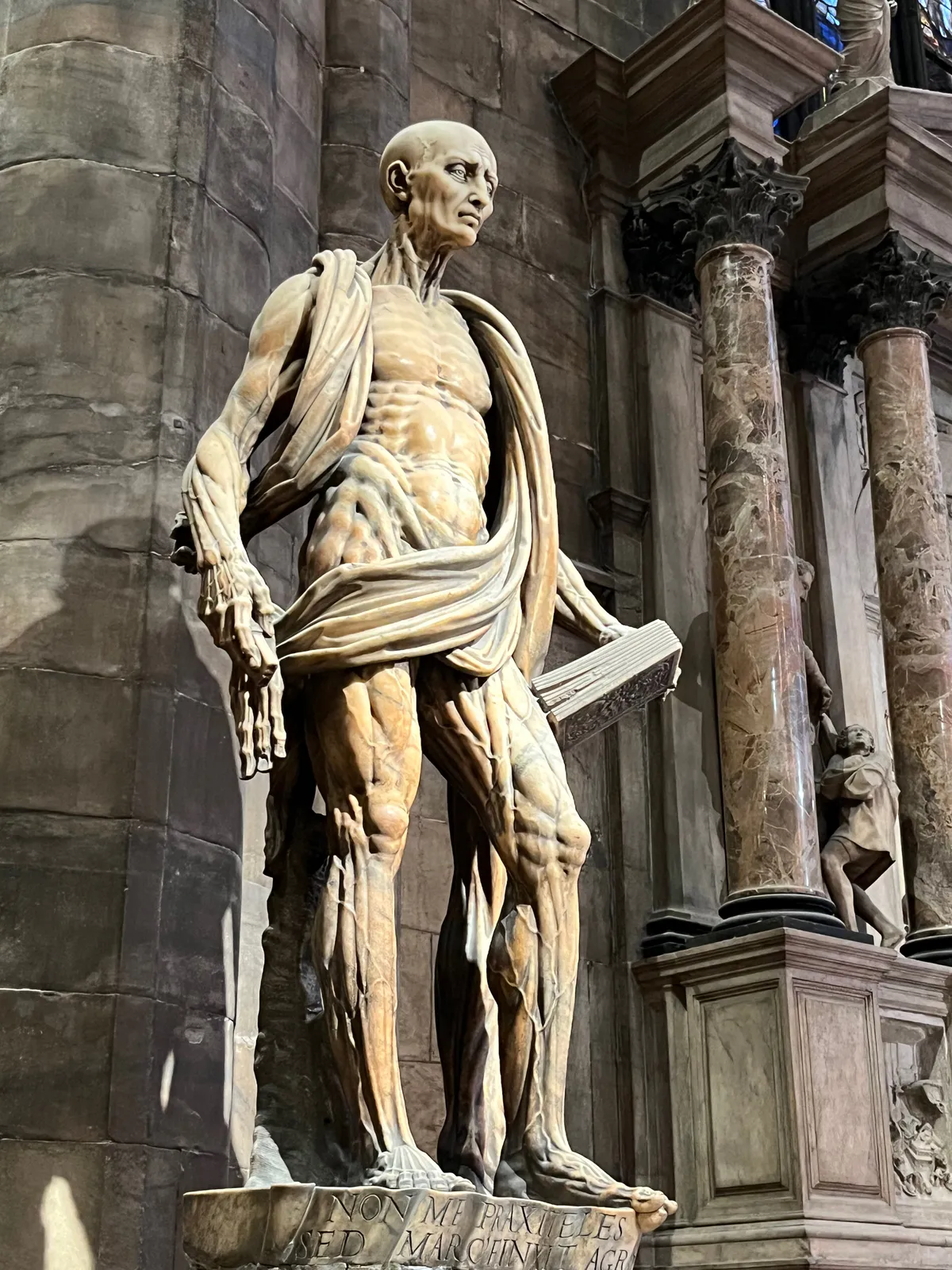
St Bartholomew Flayed
Marco d’Agrate
This marble statue (1562) shows St Bartholomew as a flayed figure, his own skin arranged like a draped garment around an exposed muscular body. Such extreme anatomical precision draws on Renaissance study of dissected cadavers. The saint’s upright stance and calm, frontal gaze demonstrate how martyrdom could be articulated as steadfast faith rather than physical defeat.
St. Andrew's Church
Bartolomeo Rastrelli
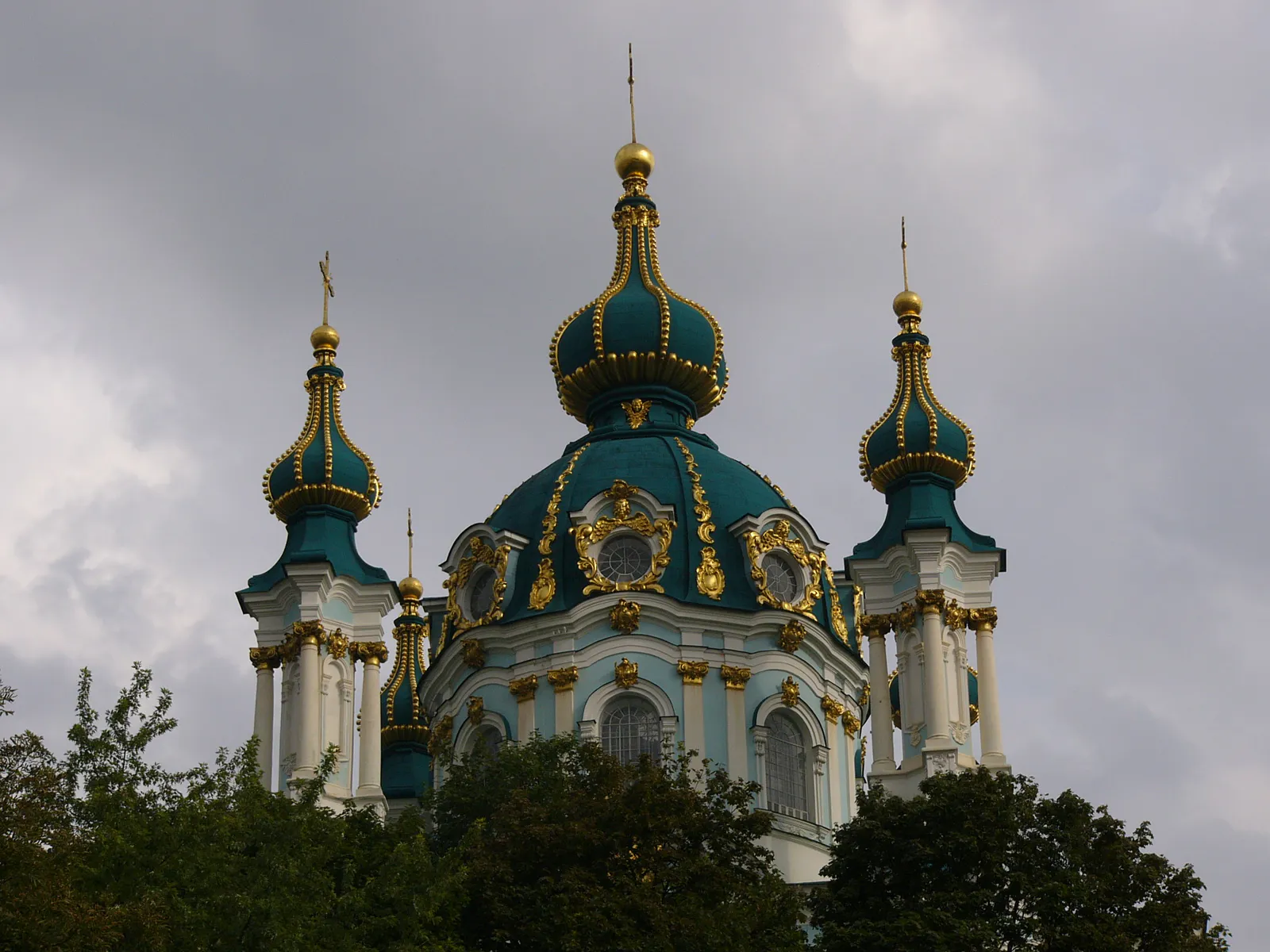
St. Andrew’s Church (1747–54) crowns a Kyiv hill with gilded domes and turquoise ornament typical of late Baroque design introduced by the Italian architect Bartolomeo Rastrelli. Its dynamic composition and elaborate detailing adapt Western forms to Orthodox liturgy. The church stands as a landmark of 18th-c. imperial architecture in Eastern Europe.
Mona Lisa, Age Twelve
Fernando Botero
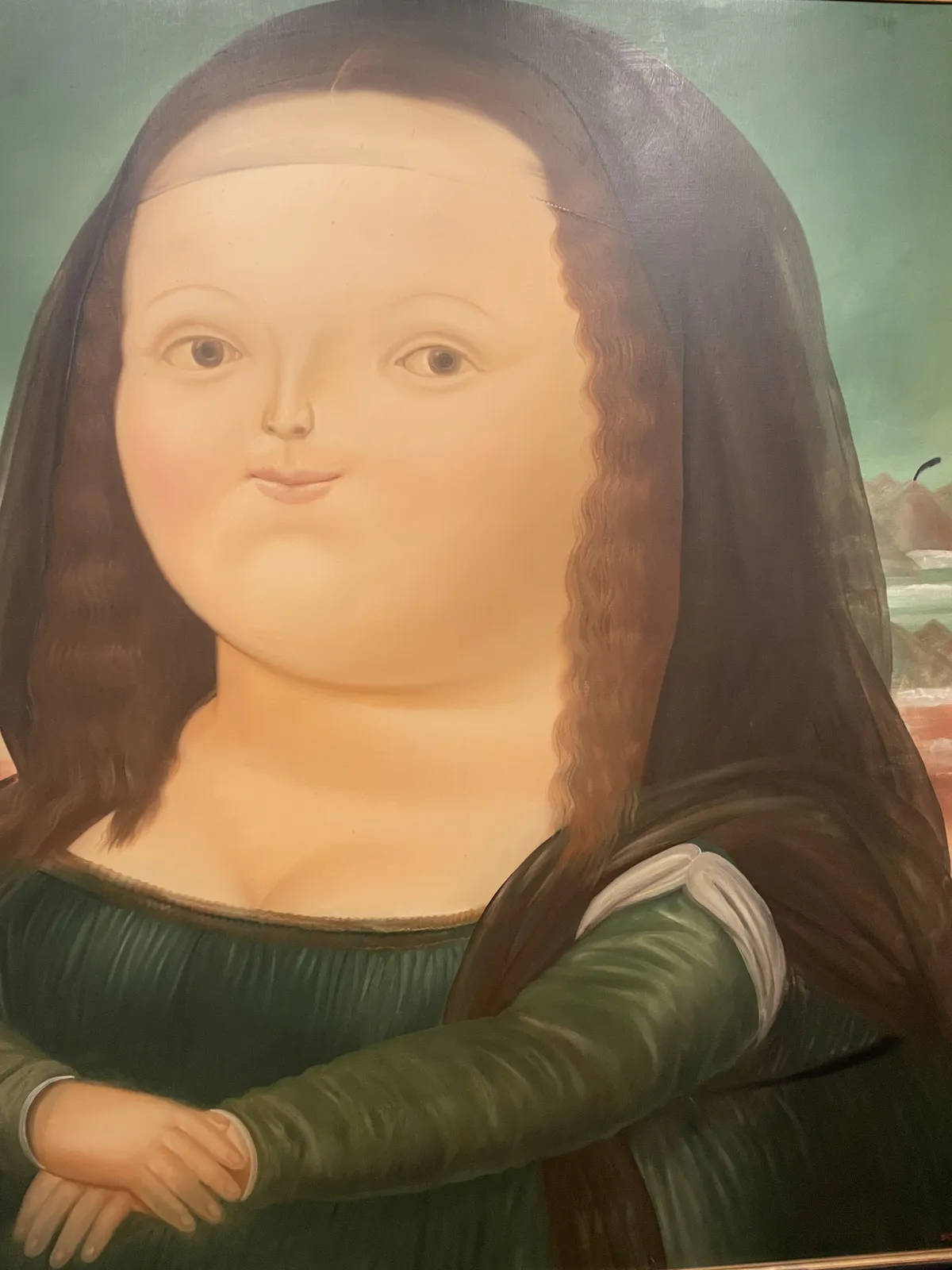
In this whimsical reimagining (1959), Botero transforms da Vinci’s iconic subject into a voluminous child. Created in his signature Boterismo style, the painting blends parody with homage. Born from a cleaning lady’s remark, the work helped launch Botero’s career, celebrating exaggerated form as a tool for both humor and artistic identity.
Pantheon with Macuteo Obelisk and Fountain
Filippo Barigioni
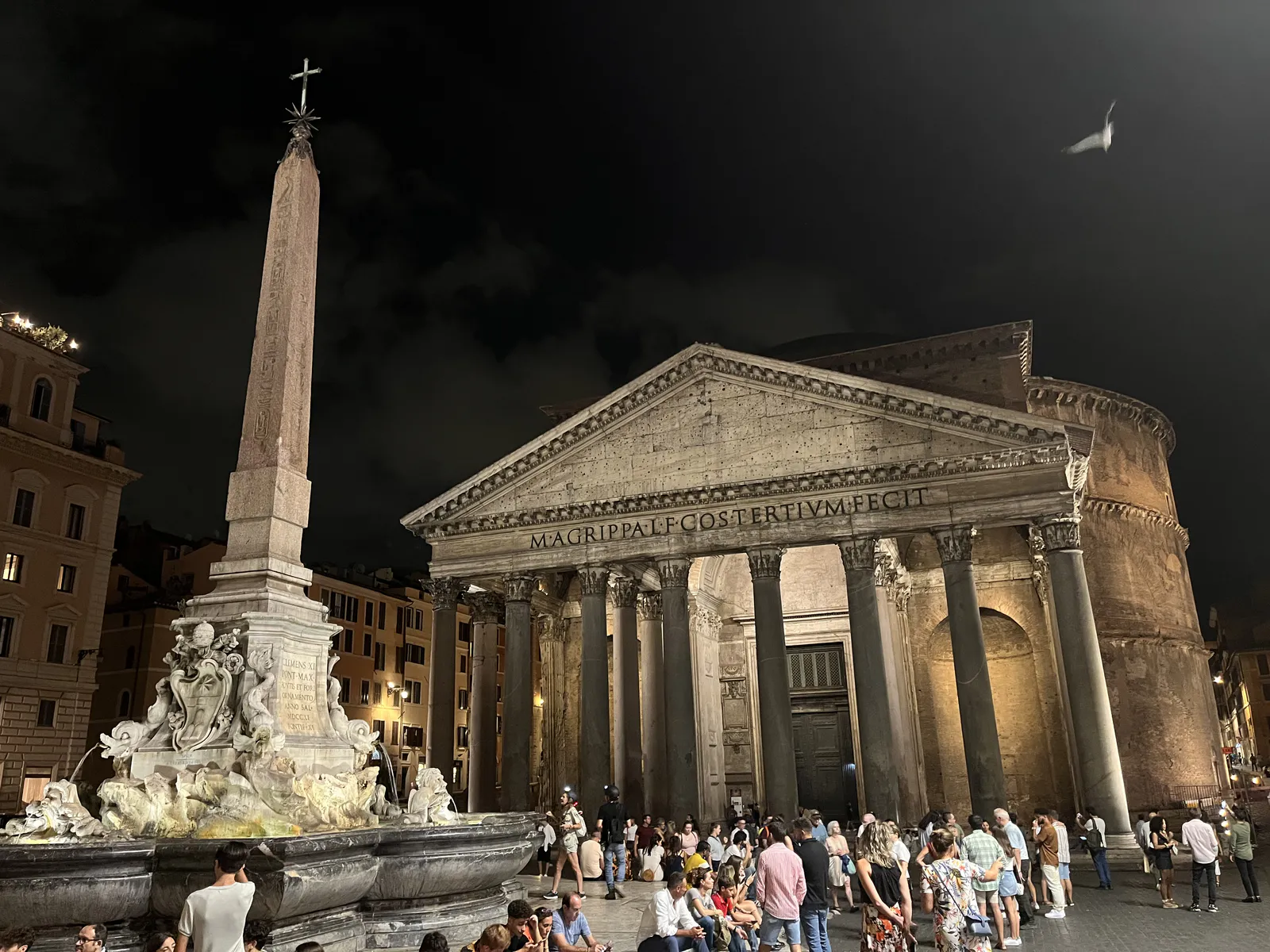
The Pantheon’s façade (118–125 AD), built under Emperor Hadrian, preserves Agrippa’s earlier inscription (M·AGRIPPA·L·F·COS·TERTIVM·FECIT - Marcus Agrippa, son of Lucius, consul for the third time, built this). Before it stands the Macuteo Obelisk from Egypt (rededicated here in 1711) and the Baroque fountain by Filippo Barigioni (1711), blending imperial Rome, Christian Rome, and papal urban renewal into one historic vista.
Cain and Abel
Tintoretto
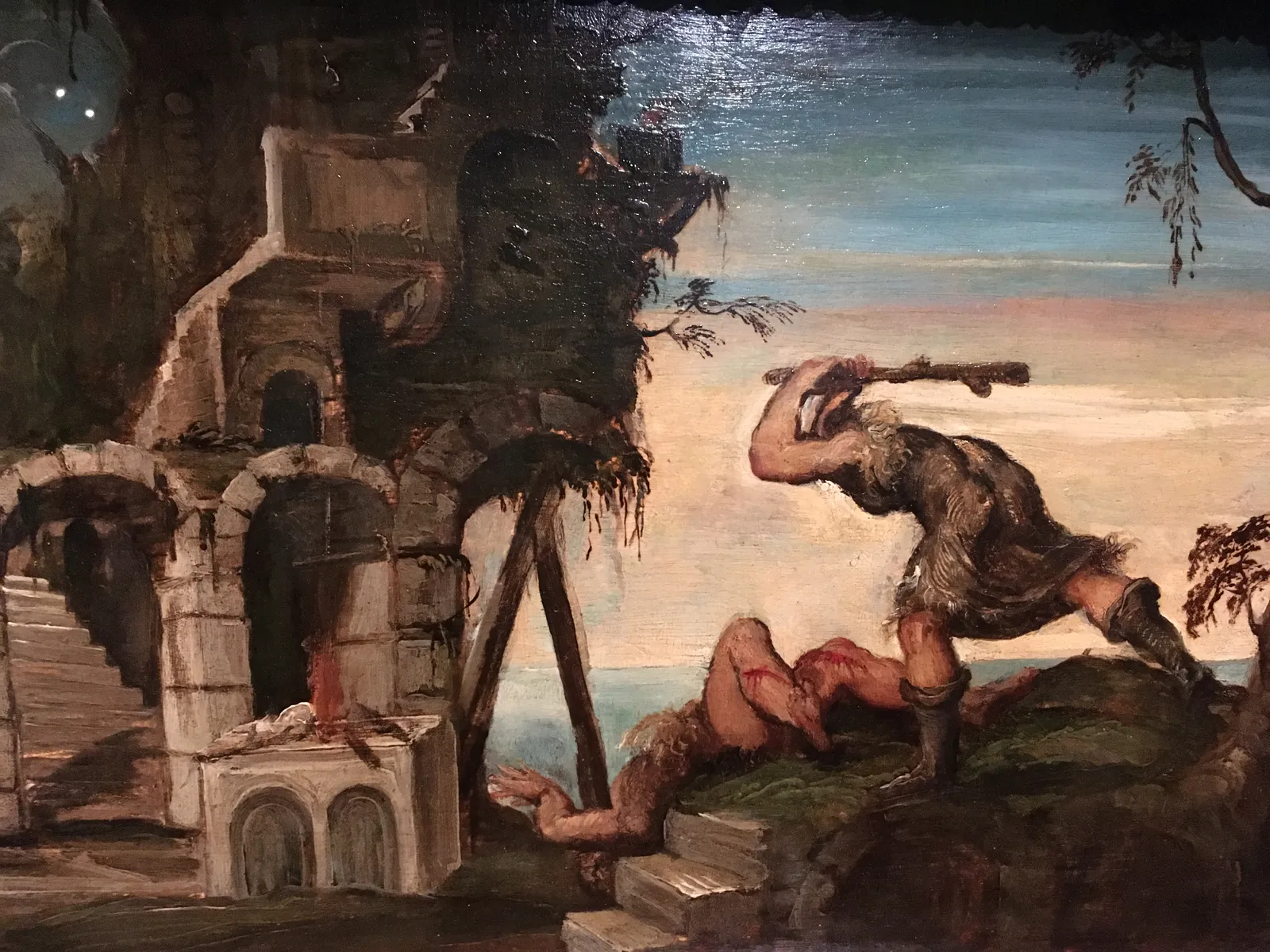
The scene (1550–53) shows the biblical story of Cain’s jealousy and the murder of his brother Abel. The work reflects the Mannerist style through sharp contrasts of light and shadow, twisting poses, and tense, compressed space. Tintoretto’s hallmark energy appears in the sweeping gestures and urgent brushwork that heighten the scene’s violence, underscoring the enduring power of biblical themes in Renaissance art.
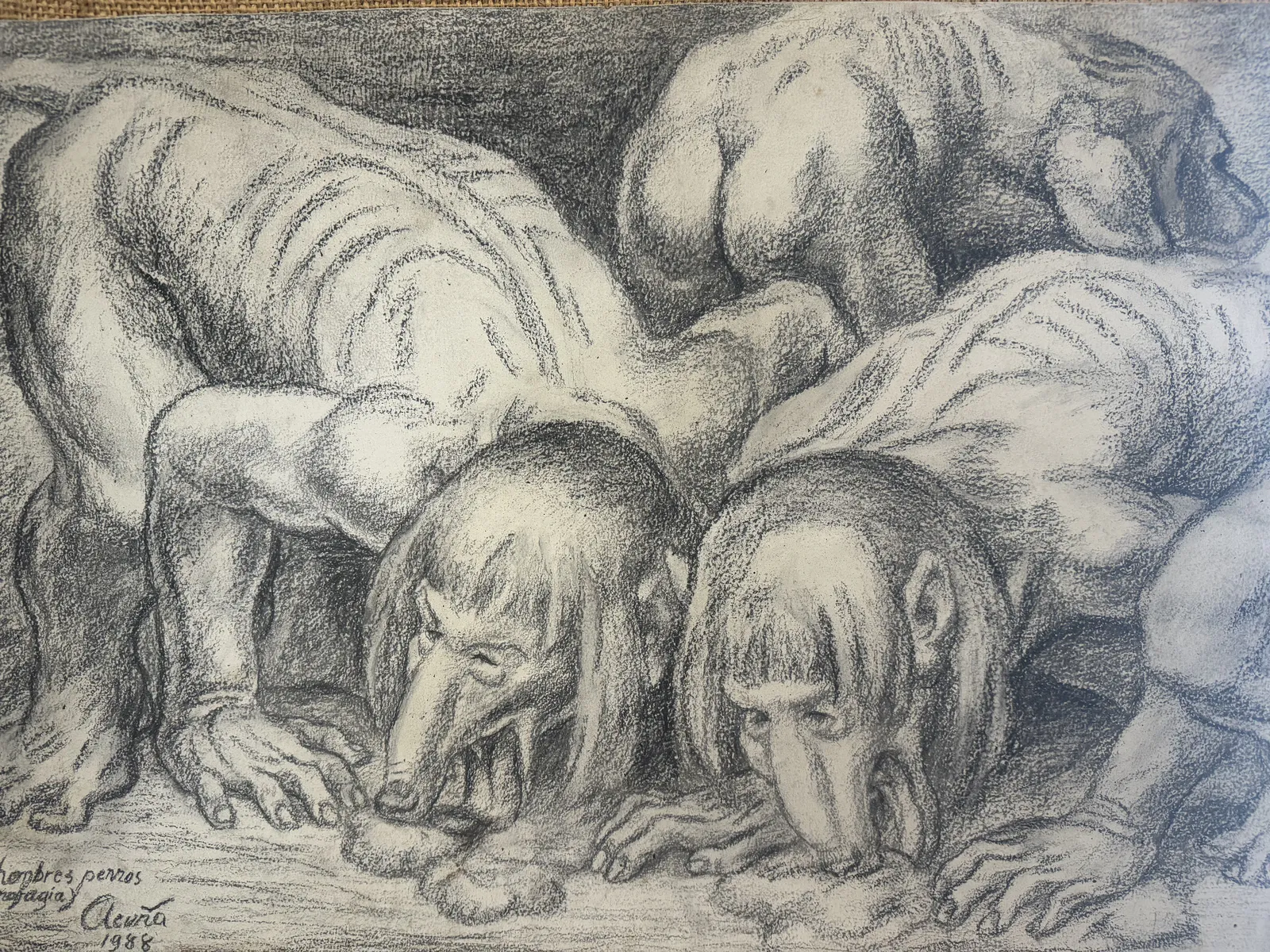
The Dog Men (Coprophagia)
Luis Alberto Acuña
This disturbing drawing (1988) shows three gaunt hybrid figures with human torsos and doglike heads crouched on all fours. Part of Acuña’s late series on distorted bodies, it examines the boundary between human and animal. The title refers to coprophagia (the consumption of excrement), which Acuña uses to articulate a vision of moral collapse and social dehumanization.
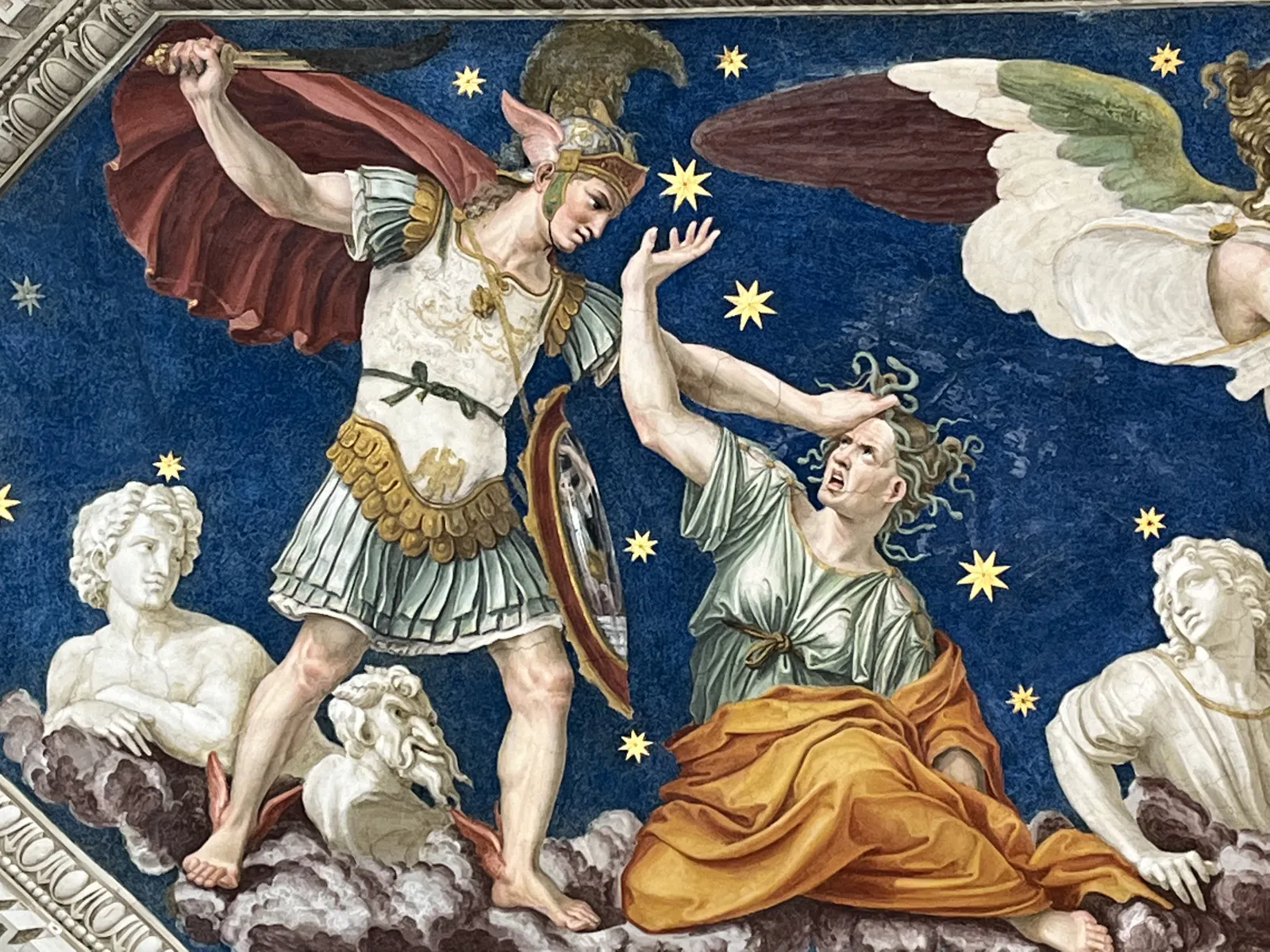
Perseus and Medusa
Baldassarre Peruzzi
In this fresco (c. 1511), Peruzzi depicts Perseus about to behead Medusa. Medusa’s petrifying gaze has already turned victims to stone, visible as pale figures below. Pegasus, born from Medusa’s blood, emerges nearby, symbolizing rebirth. The scene reflects triumph over monstrous chaos.
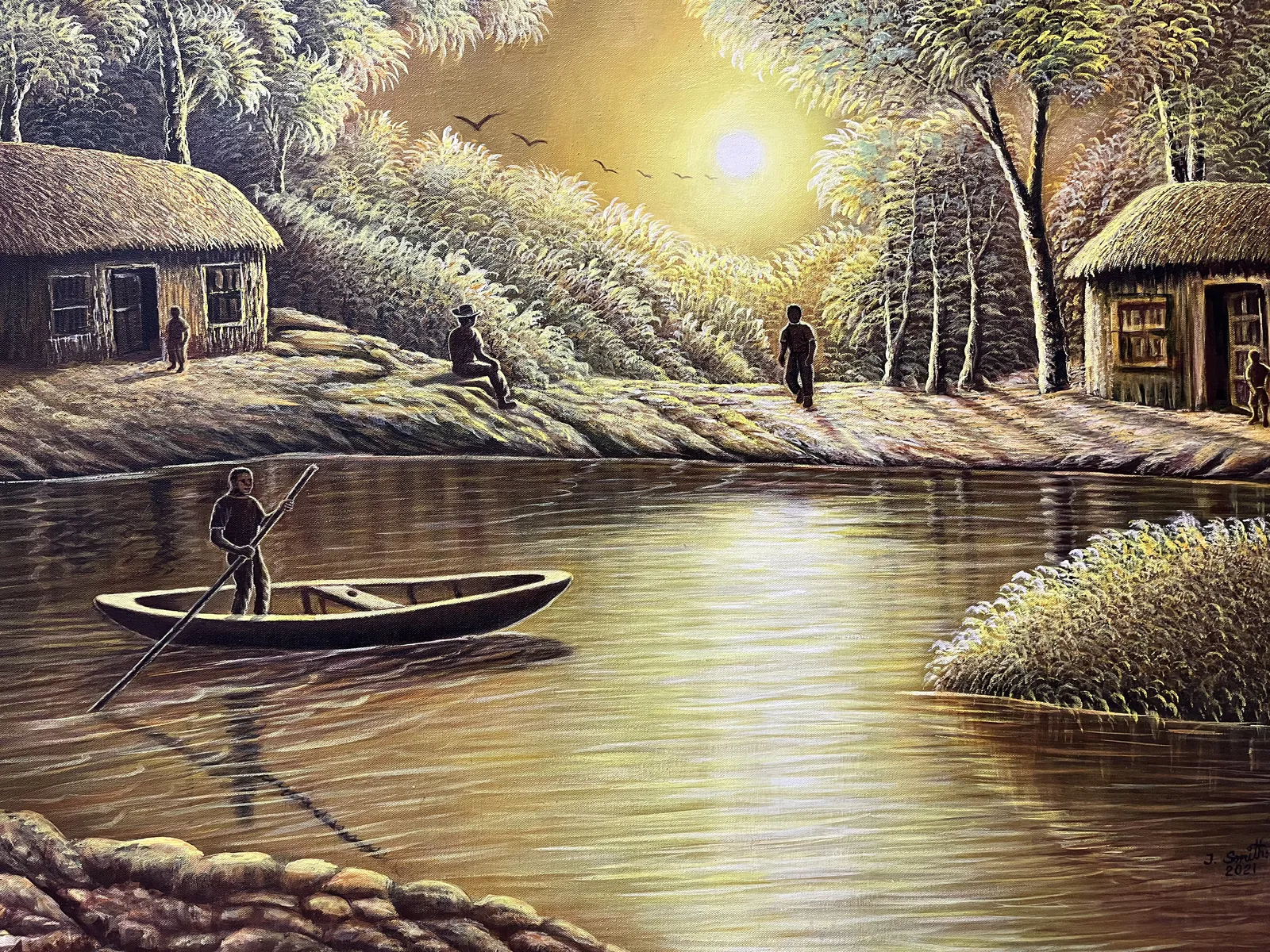
The Lagoon of Peace
Jorge Alberto Smith Ellas
This 2021 oil and acrylic painting evokes serenity and ancestral rhythm. A golden twilight bathes the rural scene, where everyday life unfolds by a calm lagoon. The composition speaks to Colombia’s Pacific and Caribbean heritage, honoring peace through stillness, memory, and connection to the land.
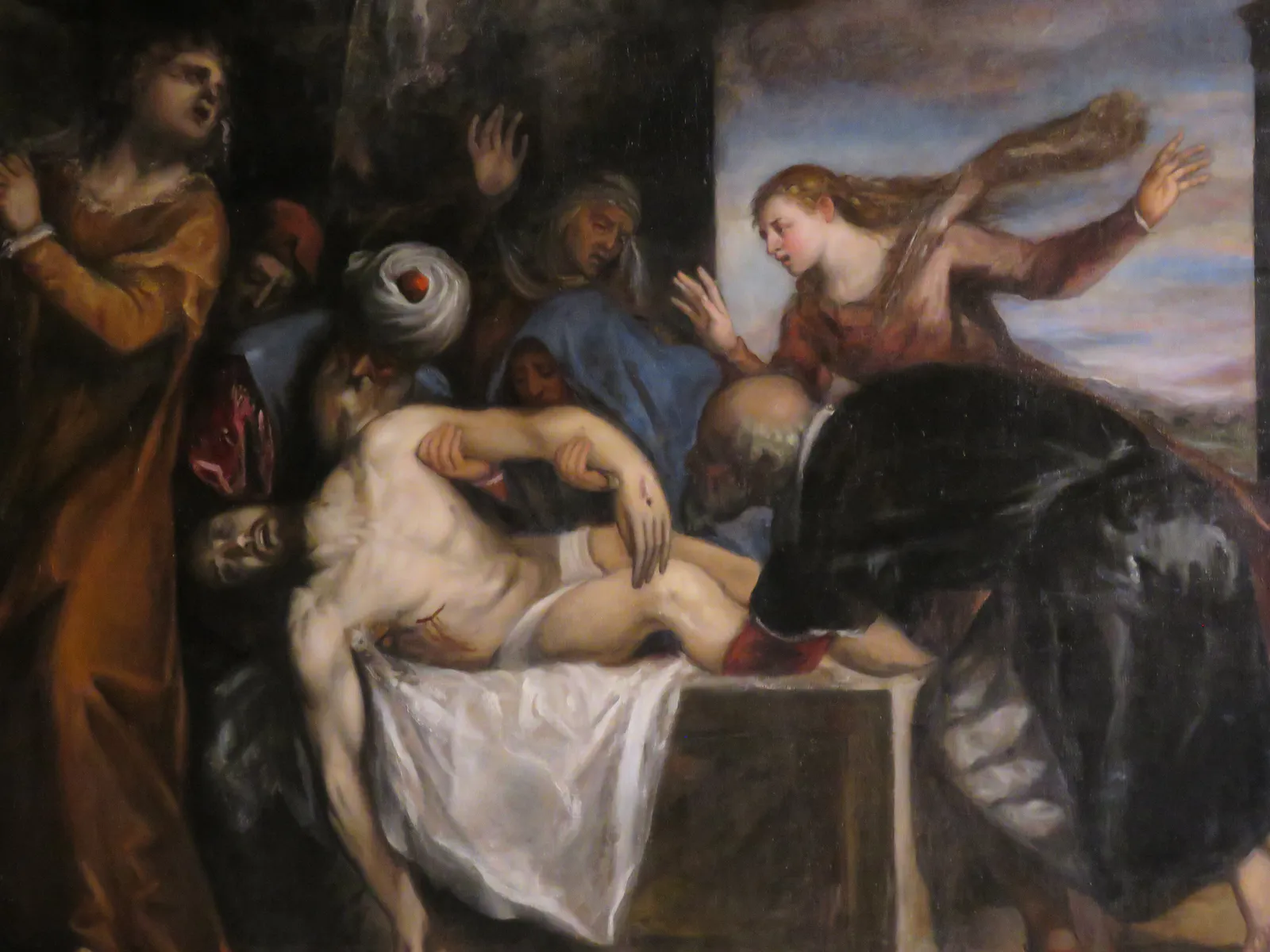
The Entombment of Christ
Titian and Palma the Younger
A poignant rendering of Christ’s burial, this oil on canvas (1618) was begun by Titian and completed by Palma the Younger. The composition captures collective grief, emphasizing the physical weight of death and the emotional weight of loss. The figures’ gestures and expressions mirror Renaissance ideals of pathos and human dignity.
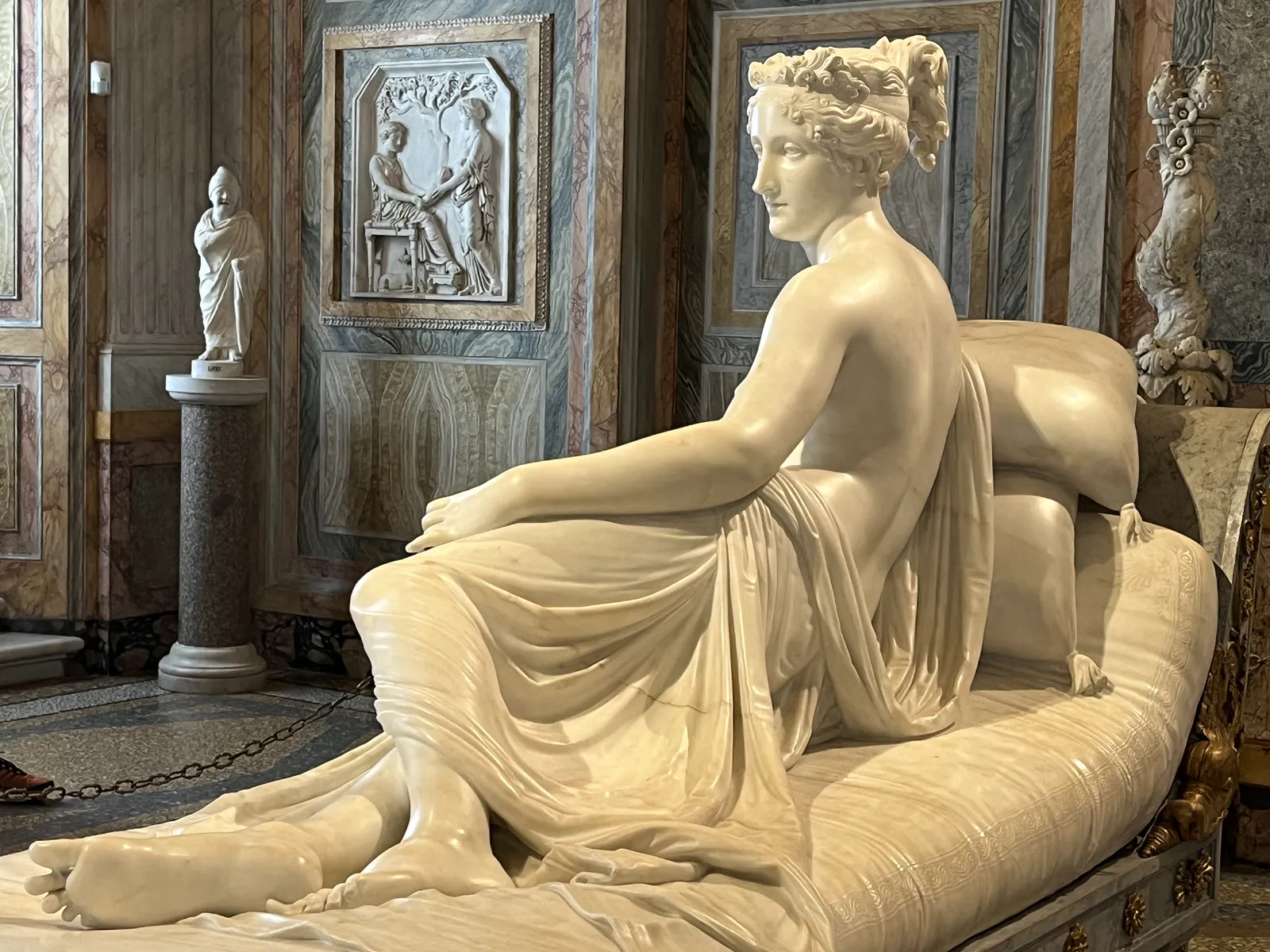
Pauline Bonaparte as Venus Victrix
Antonio Canova
Antonio Canova's marble masterpiece (1805–08) depicts Pauline Bonaparte as Venus Victrix, reclining semi-nude on a couch, holding an apple symbolizing Venus's triumph in the Judgement of Paris. Commissioned by her husband, Camillo Borghese, Pauline insisted on being portrayed as Venus rather than Diana. The sculpture, originally designed to rotate, reflects both personal ambition and classical beauty.
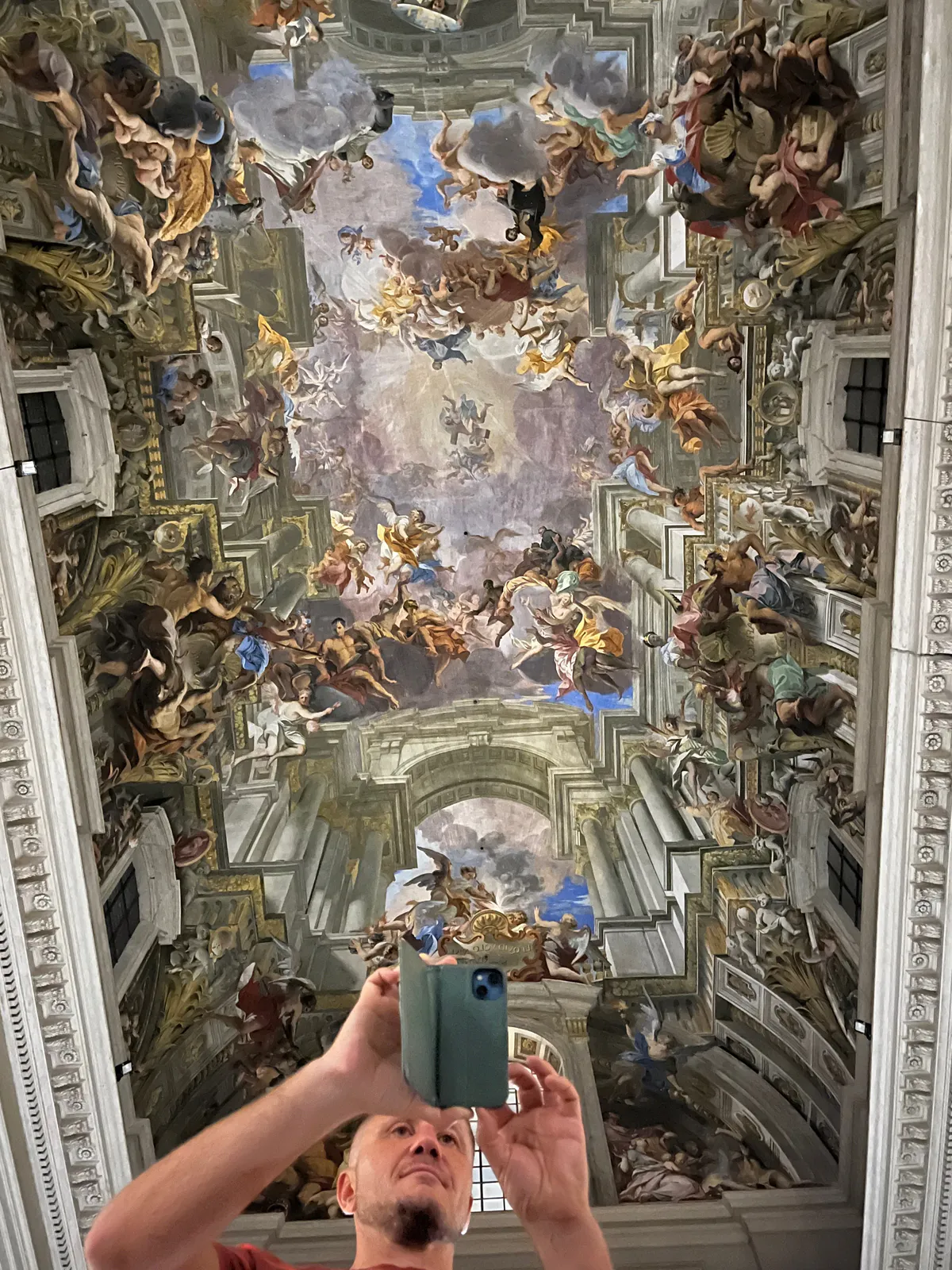
The Apotheosis of St. Ignatius
Andrea Pozzo
Max captures The Apotheosis of St. Ignatius (1685–1694) using a viewing mirror beneath the ceiling, enhancing Pozzo’s Baroque illusionism. This optical device unveils the masterful perspective that transforms the flat vault into a celestial vision, merging art and exemplifying the Baroque fascination with perspective: a dynamic interplay between earthly and divine realms.
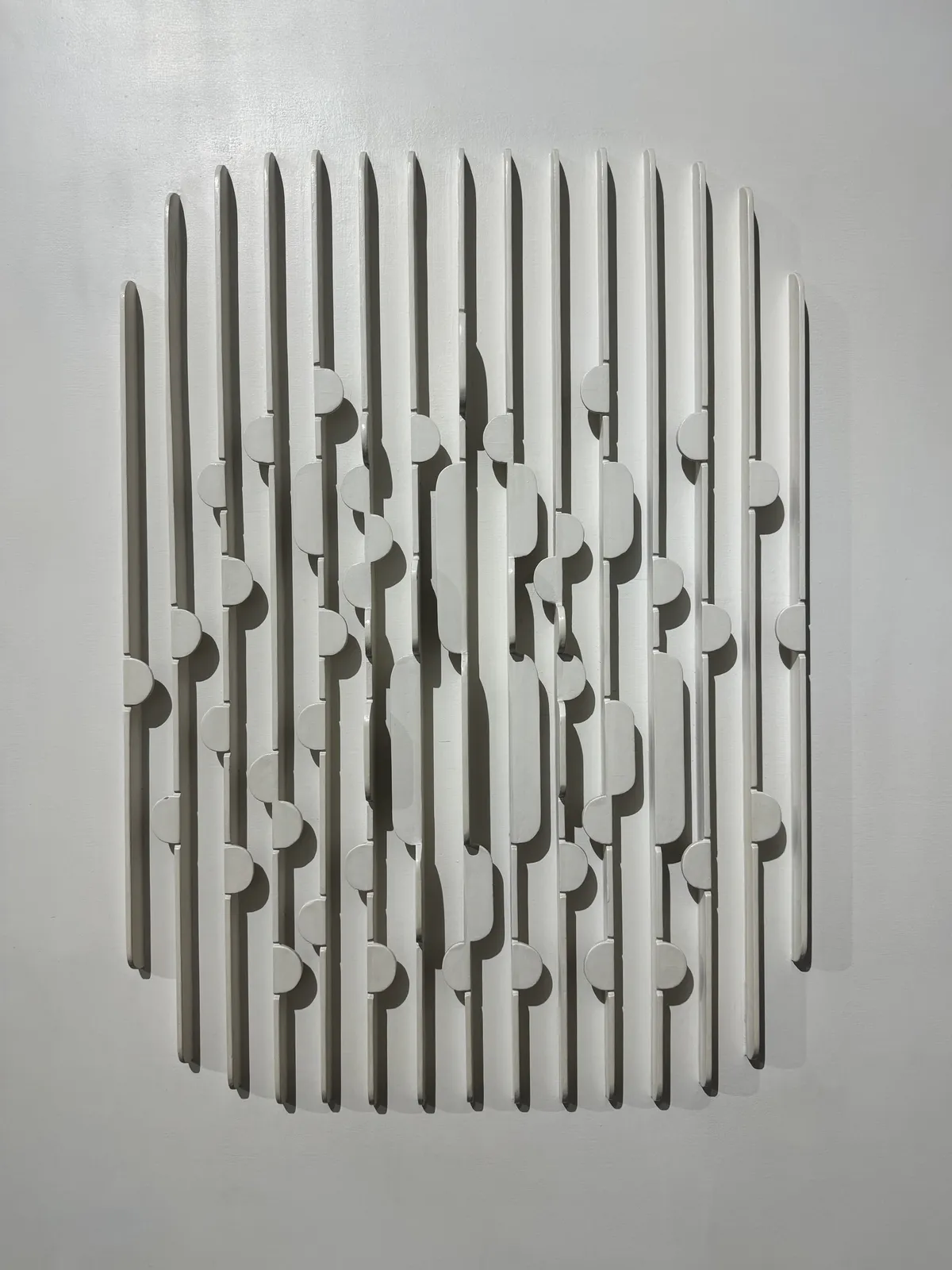
Homage to Vivaldi
Eduardo Ramírez Villamizar
This sculptural relief in painted wood (1963) reflects Villamizar’s fusion of geometric abstraction and musical rhythm. Vertical repetition and modulated forms evoke the structured elegance of Vivaldi’s compositions, transforming sound into visual cadence. It belongs to the museum’s permanent collection.
“When the path is beautiful, do not ask where it leads.” — Zen proverb
Welcome to my travel photography!
“When the path is beautiful, do not ask where it leads.” — Zen proverb
Welcome to my travel photography!
For as long as I can remember, my path has been one of discovery—seeking beauty, timelessness, and connection in every corner of the world. It has also been a journey of deep learning and understanding. I’ve been an avid traveler (or perhaps a travel addict?) for most of my life. My love for travel began long before I ever left home: as a child, I drew a fantasy map of my grandparents’ apartment and “traveled” through it with my cousin Sonya, imagining adventures in every corner. Nearly 90 countries and countless moments of awe later, I’m excited to share this journey with you.
Thanks to the tireless and ingenious programming of Diagilev, we’re now able to present about fifteen percent of the images I’ve accumulated over the years. More will be released in small batches depending on your interest. While the first release leans toward museum photography, later ones will include more nature, architecture, culture, and general travel experiences. If you’d like to receive email notifications about new releases, feel free to reach out—no commercial use, ever.
Throughout my travels, I’ve been drawn to two intertwined kinds of discovery. One is intellectual: learning why the world is the way it is. History became my guide, shaping my perspective and filling my camera roll with museums and old buildings. To me, history is not the past—it is the key to understanding the present and how the world became what it is. The other is emotional: seeking moments of elevation—spirituality, beauty, harmony—often found in nature, monasteries, and ancient sacred spaces. Together, these impulses shape my photography. It invites you to learn, admire, and soar—to rise above the mundane and see the world through a lens of curiosity and wonder.
Much of my later travel became possible thanks to my job with Delta Air Lines, but the wanderlust began years earlier. By the time I joined the industry, I had already visited over 35 countries and lived in several—largely thanks to a backpacking journey around the world with Luis León, whose face appears in many early photos. I grew up in Ufa in the USSR, and since leaving it I have lived, studied, and worked in Latvia, the United States, France, South Korea, Canada, Spain, Italy, Brazil, Japan, and Colombia.
A life of near-constant movement may seem a little crazy, but it has deepened my understanding of the world and produced the photography you are about to see. Over the years, my style has evolved—more intentional, more refined—yet its core remains the same: a search for understanding, timeless beauty, and a connection to those who walked this earth long before us.
I hope these photos stir something in your soul, just as they did in mine. I’d love to hear from you—whether reactions, suggestions, corrections, or a request to be added to the email list for new releases (no commercial use, I promise). You can learn more about my travels here, and my academic life here.
Enjoy our shared journey!