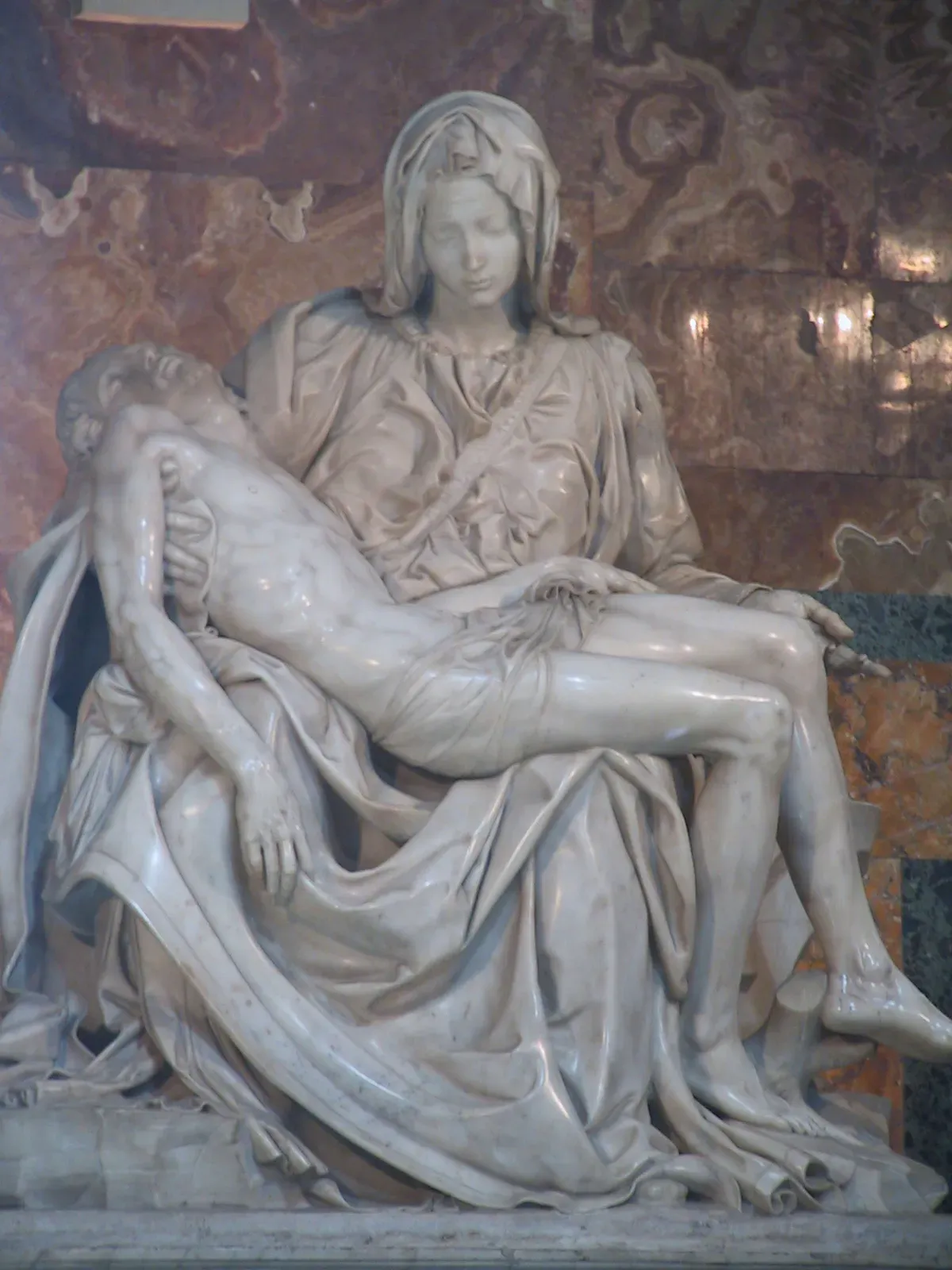
Pietà
Michelangelo
This marble sculpture (1498–99) shows the Virgin Mary holding the body of Christ after the Crucifixion. Carved by Michelangelo at age twenty-four, it unites idealized form and anatomical accuracy with restrained pathos. Commissioned for St. Peter’s Basilica, the Pietà exemplifies High Renaissance harmony between human beauty and divine suffering.

Rider on a Fish
A youthful figure, echoing the antlered god, rides a large fish amid dotted, fluid patterns. This may evoke the Irish tale of Tuan mac Cairill, who transformed through animal forms—stag, boar, fish—before rebirth. Though the fish is not a salmon, this Gundestrup Cauldron panel (150 BC - 1 AD) suggests shamanic metamorphosis and mythic continuity across cc. and geographies.
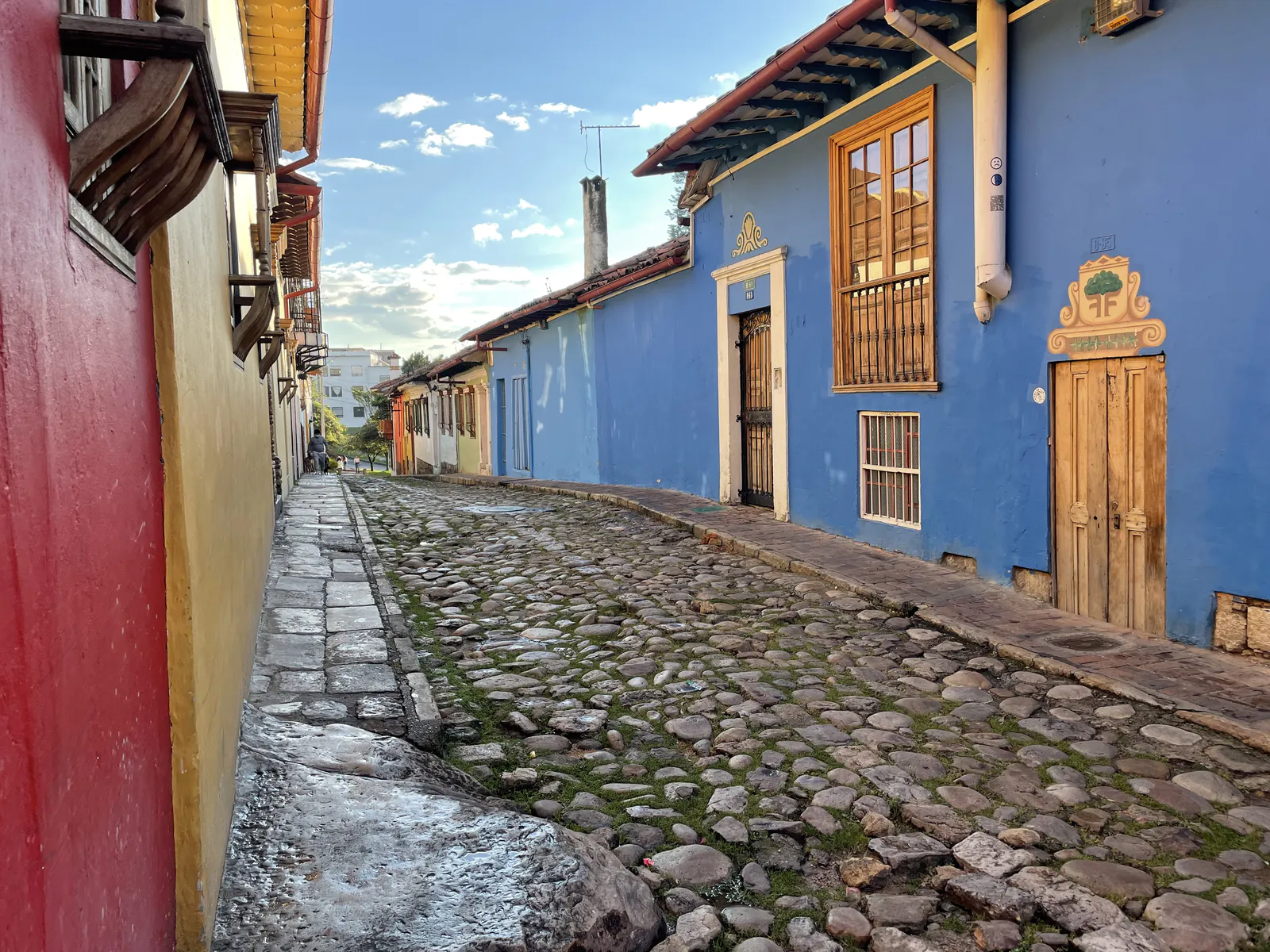
Callejón de los Colores
A cobbled alley lined with red, yellow, and blue façades follows the curve of a colonial street first laid out in the 17th c. Irregular stones form the roadway, while wooden balconies and deep eaves preserve Spanish urban traditions adapted to Andean light and rain. Once housing colonial settlers, these buildings now signal a shift as vivid paint transforms former symbols of control into markers of cultural resilience.

Cape Verde Cormorant Family by the Sea
This adult cormorant, Phalacrocorax carbo lucidus, shelters its young atop whitewashed coastal cliffs. Native to West Africa, the species is a skilled swimmer and hunter, diving to catch fish in clear Atlantic waters. The chicks’ dusky fluff and pale faces reveal their early stage of life, still wholly reliant on the parent’s protection and feeding.
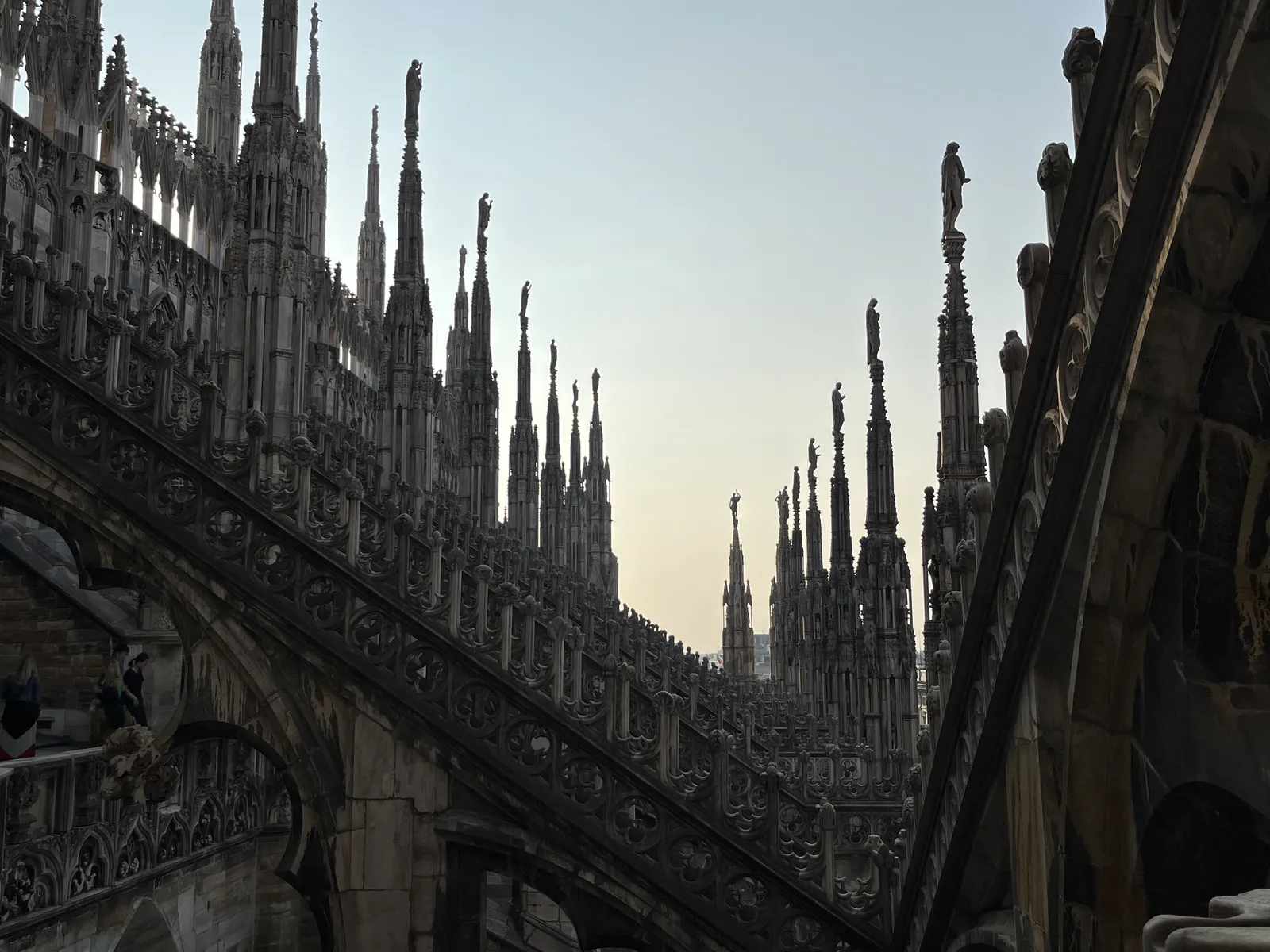
Gothic Spires of the Duomo
The rooftop of Milan’s cathedral (from the late 14th c.) is a marvel of verticality. Forests of spires topped with saints rise above ornate flying buttresses, transforming structural necessity into a sculptural landscape. Here, Gothic architecture becomes an ascension—not just of stone, but of the spirit.
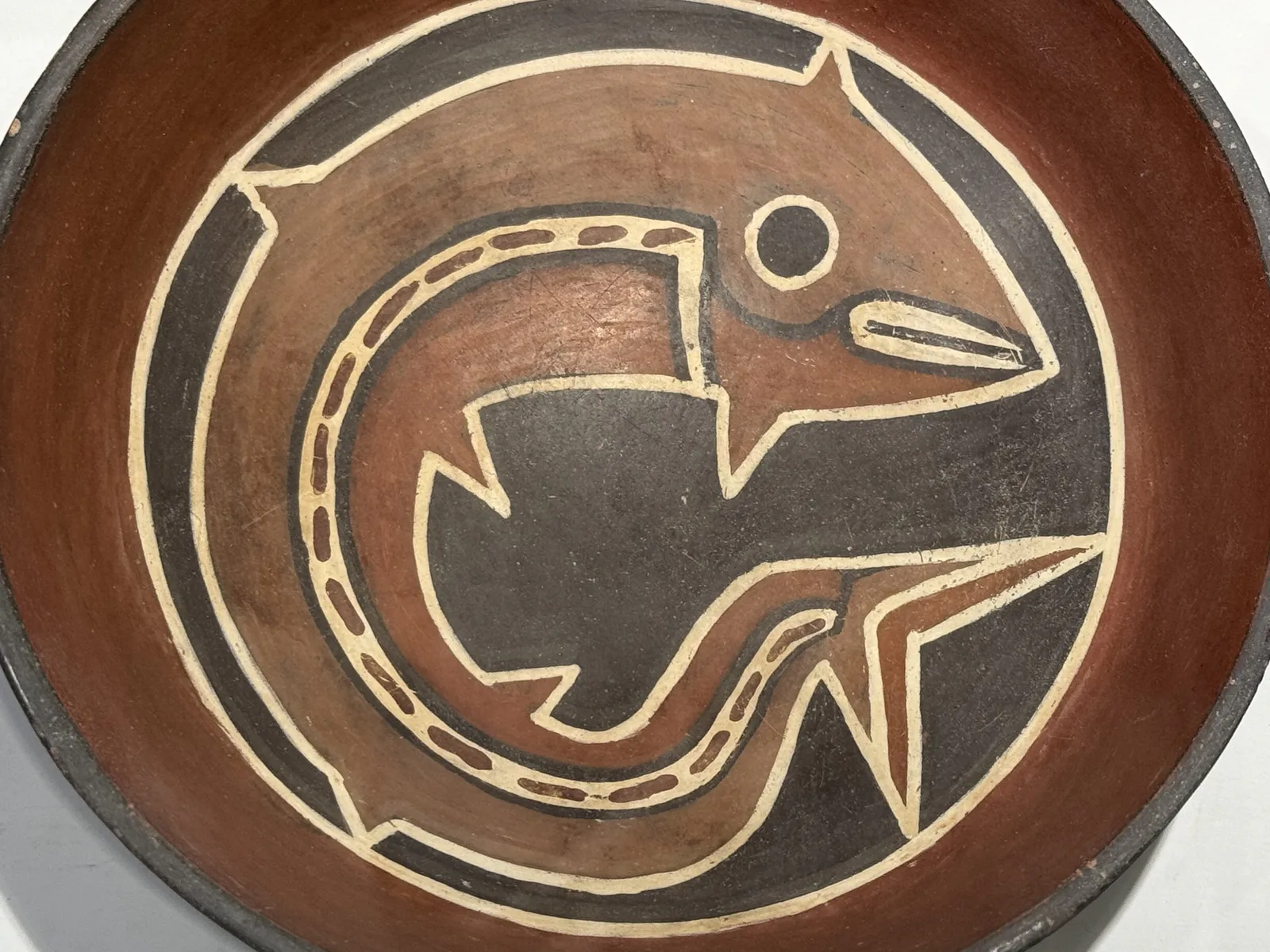
Nasca Plate with Fish
This Nasca plate (200–600) features a stylized fish rendered in bold curvilinear outlines and contrasting red, cream, and black slips. The looping body, dotted spine, and abstracted fins reflect the Nasca artists’ preference for dynamic, symbolic forms rather than naturalistic depiction. Marine imagery was central to Nasca belief and daily life, linking sustenance, fertility, and the spiritual world.
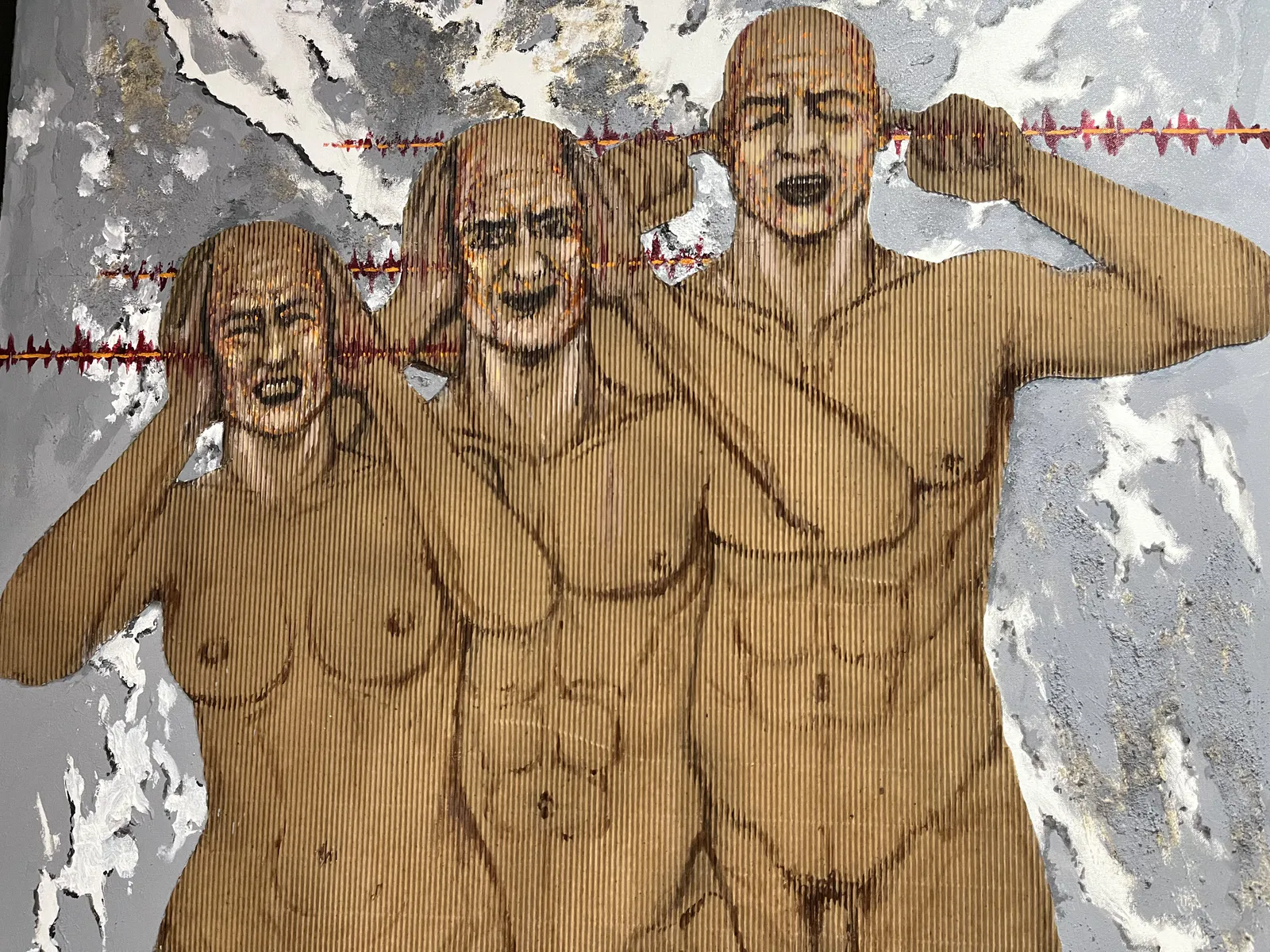
Silenced by Pain
Ángel Haché
This mixed-media work (2014) uses corrugated cardboard to depict three anguished nude figures pierced through the head by jagged red waves, symbols of auditory torture or psychological trauma. Their tense bodies and gestures of covering their ears suggest helplessness before systemic violence. The scene recalls the enforced silence and invisible suffering experienced under Trujillo’s dictatorship in the Dominican Republic.
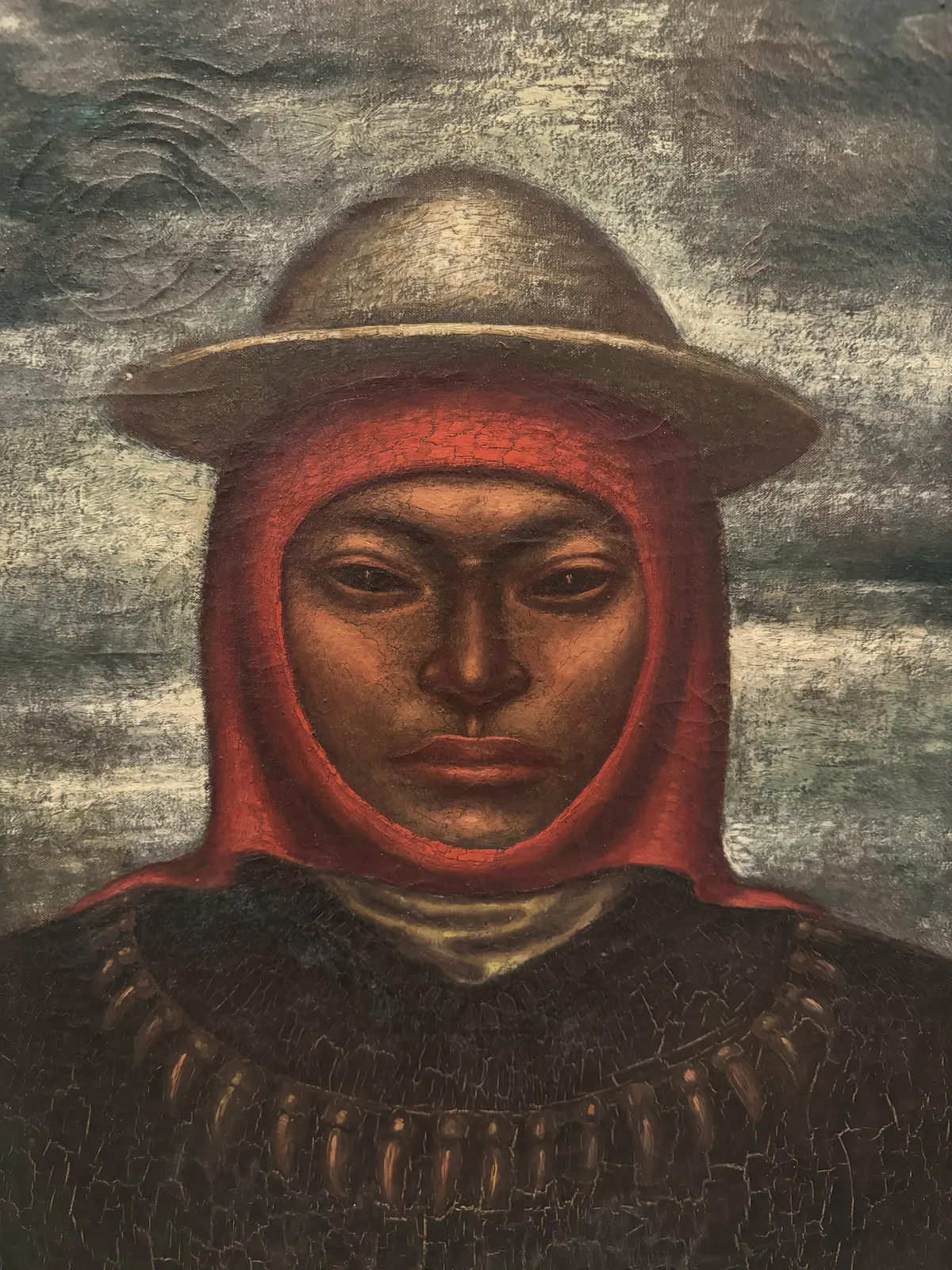
Portrait of an Indigenous Person
Luis Alberto Acuña
This striking 1934 oil painting reflects the artist’s deep engagement with indigenous identity and pre-Columbian heritage. The stoic, symmetrical face, wrapped in a red hood beneath a wide-brimmed hat, evokes dignity and resilience. Acuña, a key figure in Colombian modernism, often highlighted native ancestry as a counter-narrative to Eurocentric ideals.
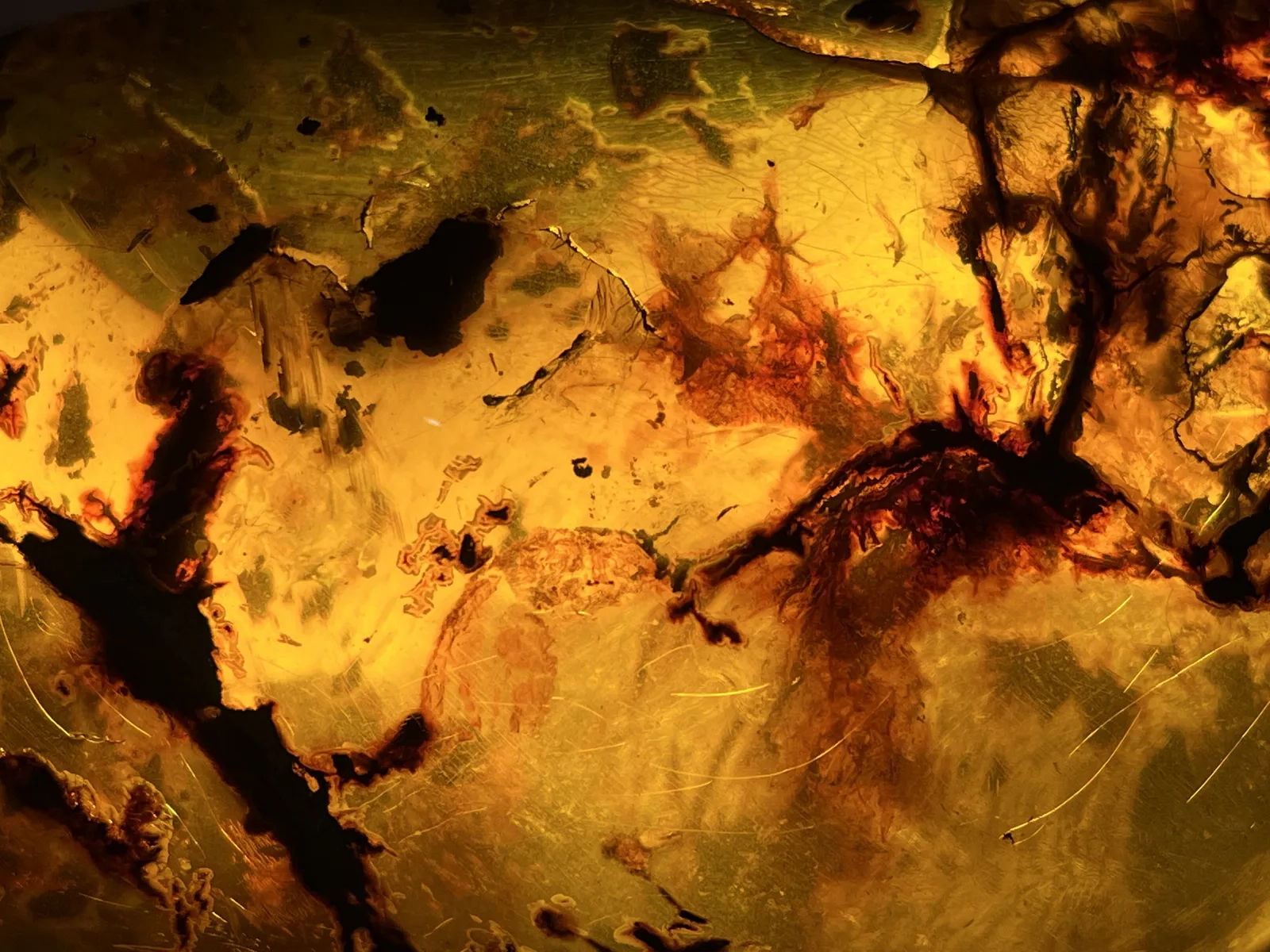
Amber with Botanical Inclusions
This piece of Dominican amber from early to mid-Cenozoic (30–40 million years ago) showcases trapped plant resin flows and botanical fragments, preserving the dynamic patterns of tree sap as it hardened. The reddish and dark inclusions likely indicate organic matter or oxidation zones, offering insight into the tropical ecosystems of prehistoric Hispaniola.
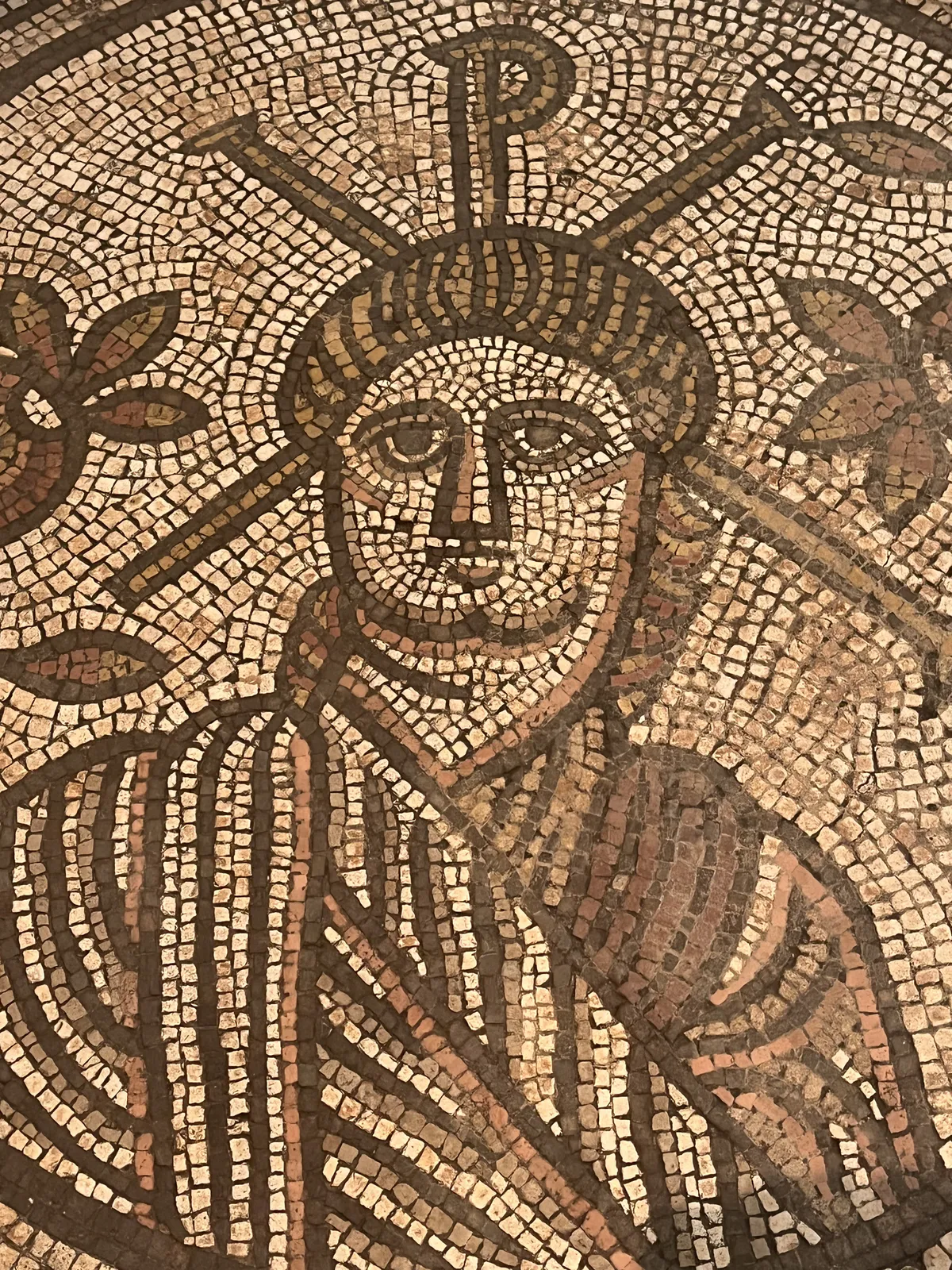
Hinton St Mary Christ Mosaic
This 4th-c. AD mosaic from Hinton St Mary, Dorset, may be the earliest known depiction of Christ in mosaic form. The central roundel shows Christ flanked by pomegranates, symbols of immortality, and adorned with the Greek letters chi and rho, an early Christian emblem. It marks a pivotal transition from pagan to Christian iconography in Roman Britain, reflecting the spread of Christianity and its integration into local artistic traditions.
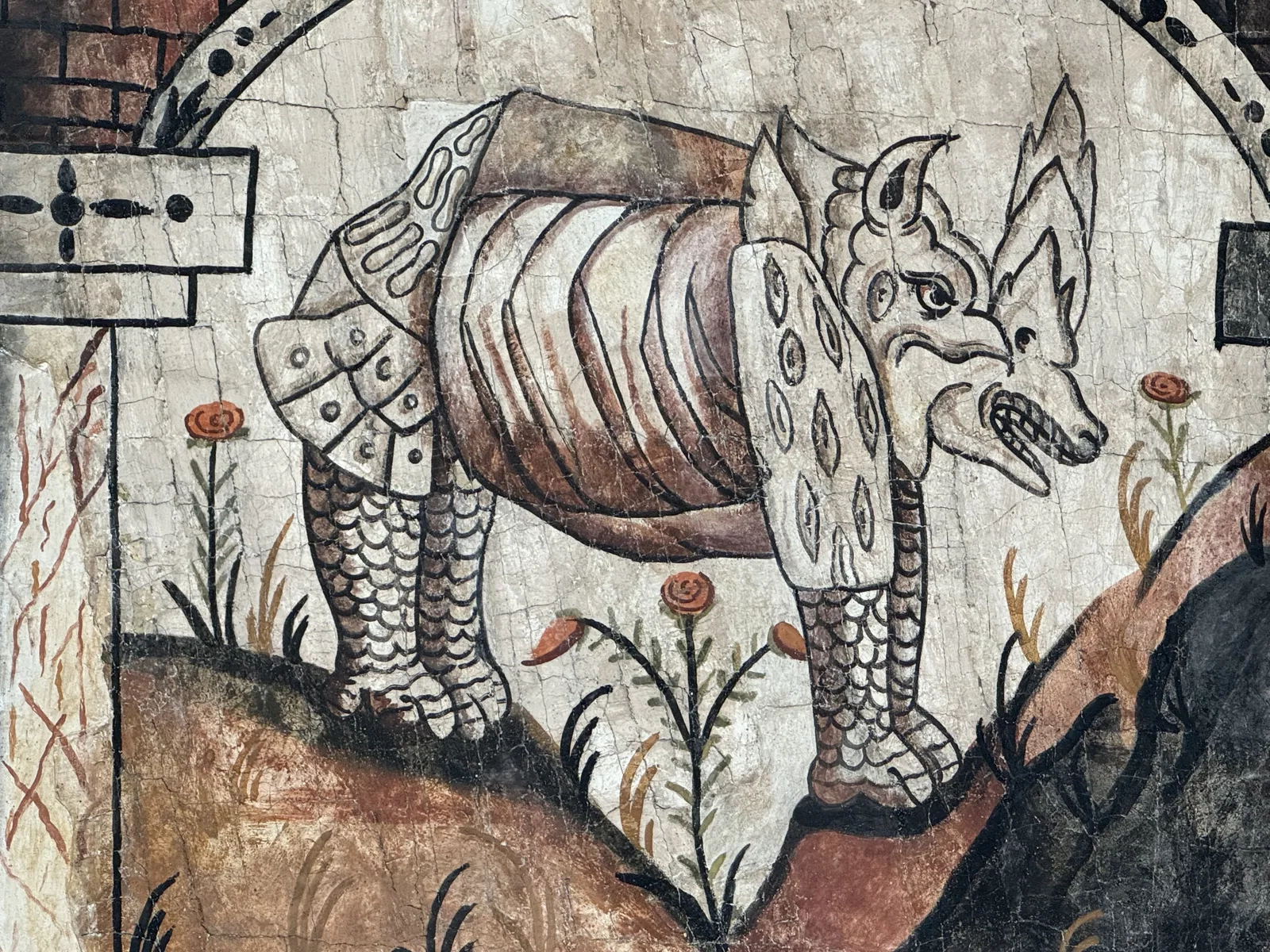
Fantastical Creature with Armored Hide
This fantastical creature (c. 1590), reflects colonial fascination with exotic fauna. Its armor-like plates and scaled legs suggest it was inspired by Albrecht Dürer’s 1515 Rhinoceros woodcut—an iconic but inaccurate image that shaped European and colonial visions of unfamiliar animals.
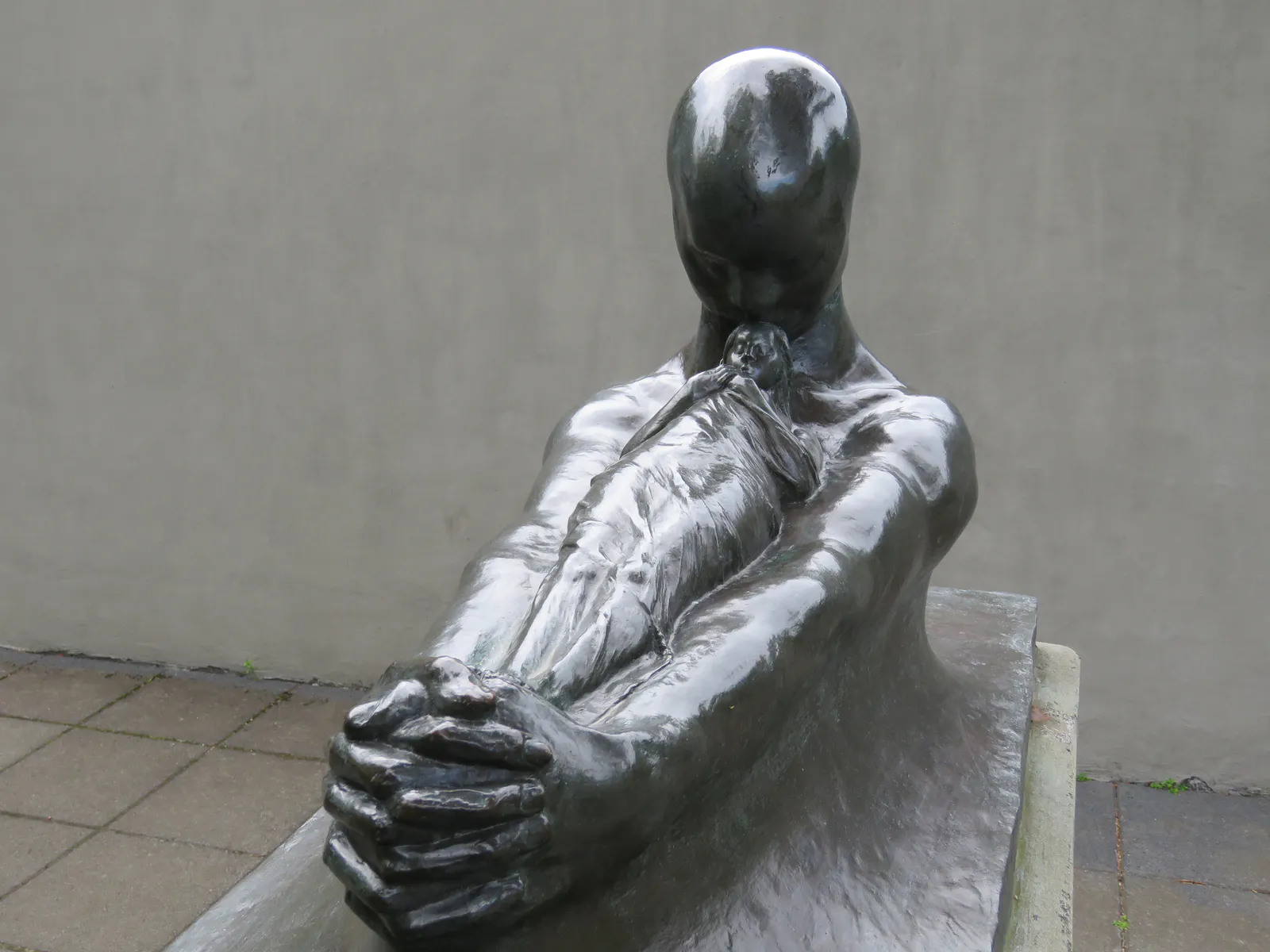
The Earth
Einar Jónsson
This sculpture (1904–08) depicts a human figure cradling a smaller, draped form, symbolizing the Earth or nature. Jónsson, an Icelandic sculptor, is known for his symbolic and allegorical works exploring mythology, spirituality, and the human condition. This piece reflects his exploration of humanity’s connection to the natural world and the spiritual realm.
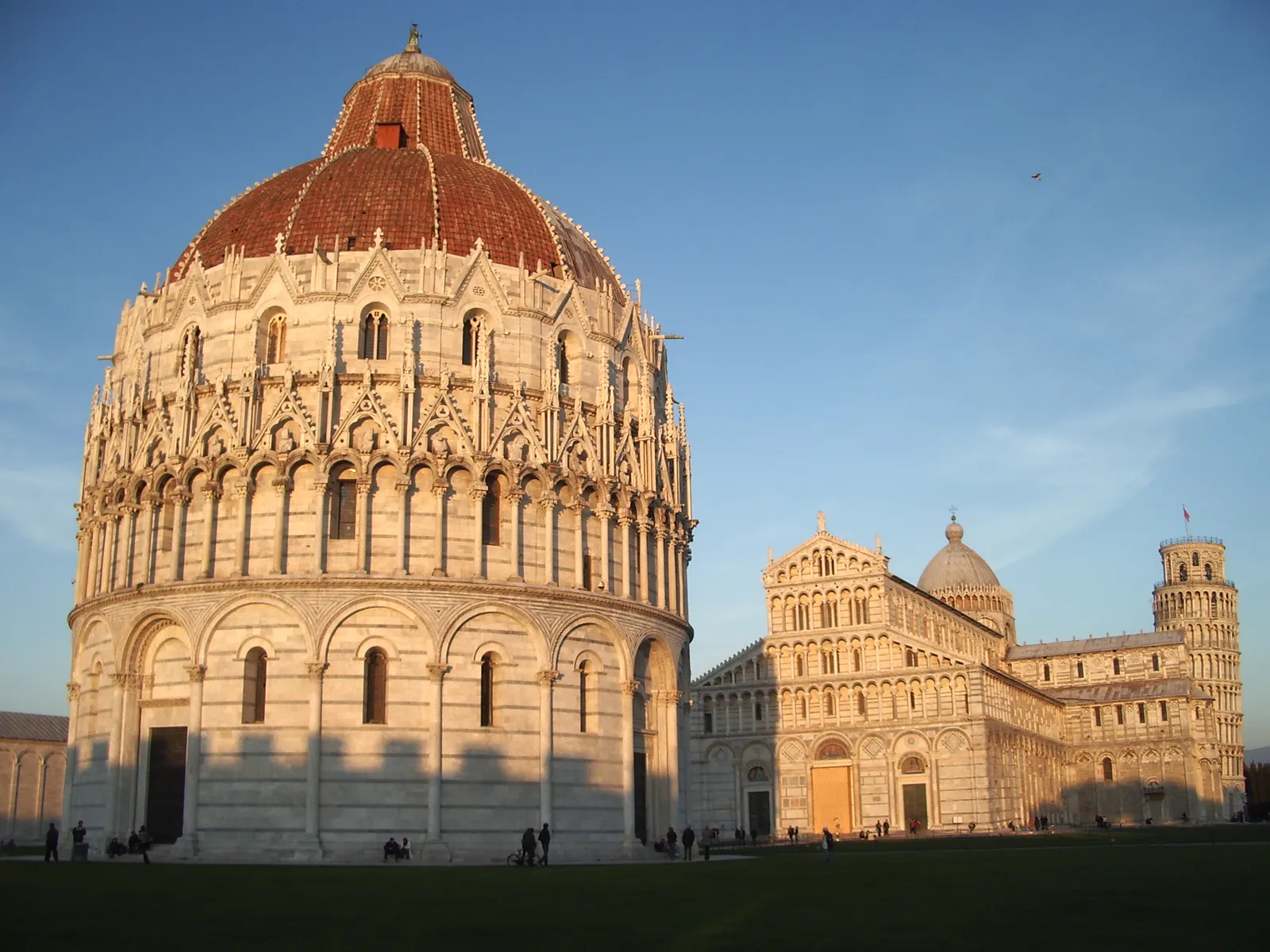
Piazza dei Miracoli at Sunset
The Baptistery, Cathedral, and Leaning Tower of Pisa glow in golden light, highlighting the harmony of Romanesque and Gothic forms. This ensemble (11th-14th-cc.) symbolizes Pisa’s medieval maritime power and artistic brilliance. It remains one of Europe’s most admired architectural achievements, demonstrating the city's historical significance and cultural impact.
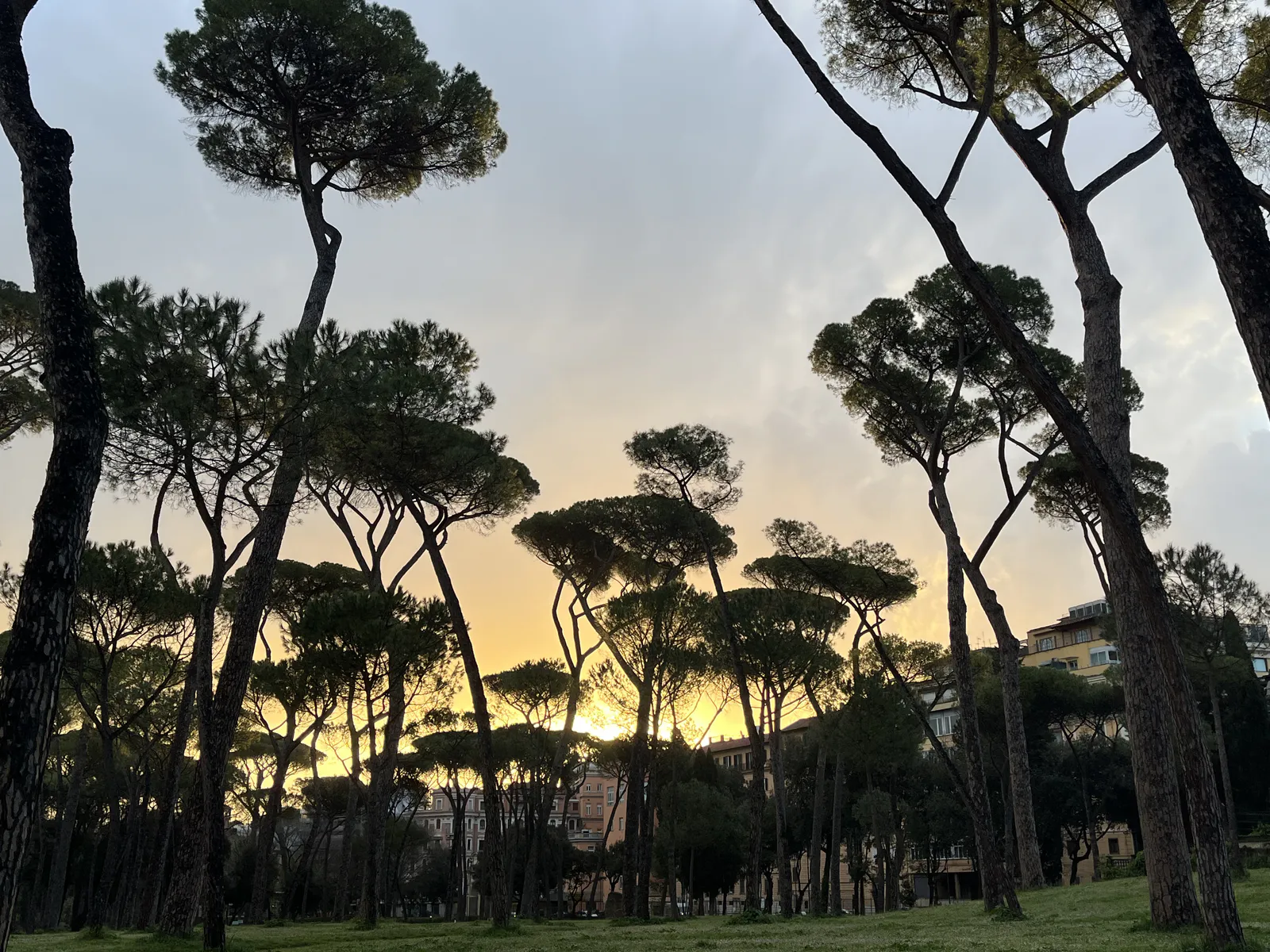
Sunset Among the Stone Pines
At dusk, the iconic umbrella pines of Villa Borghese cast delicate silhouettes across the Roman sky. These Mediterranean trees shape the park’s timeless beauty, blending nature and history. Planted since the 17th c., they symbolize endurance and grace in the Eternal City’s beloved green heart.

Red-Billed Tropicbird Chick in Nest
Tucked safely among volcanic rocks, this downy chick of a red-billed tropicbird peers out from its nest. Its curved crimson bill and dark eye markings hint at the striking adult form to come. Native to tropical oceans, these seabirds nest in coastal crevices, relying on camouflage and seclusion to protect their vulnerable young.
Explore the world through my eyes: begin with the image below, the map, the dropdowns above, or the search button. Every photo includes a thoughtful caption.
Explore the world through my eyes: begin with the image below, the map, the dropdowns above, or the search button. Every photo includes a thoughtful caption.
When the path is beautiful, do not ask where it leads.
My travels have always been shaped by two intertwined forms of discovery. One is intellectual: learning why the world is the way it is. History became my guide, drawing me toward museums, old cities, architecture, and the layers of meaning carried by places. The other is emotional: the search for beauty, harmony, and moments of elevation, often found in nature, monasteries, and sacred spaces.
Together, these impulses shape how I travel, what I photograph, and how I interpret what I see. This site is my way of sharing that lifelong learning in visual form—one image at a time, with enough context to deepen curiosity and understanding. I hope these photographs leave you with a sense of wonder and a deeper feeling for the world.
Now let’s explore together.