
Coca: Ancestral Plant and Contested Symbol
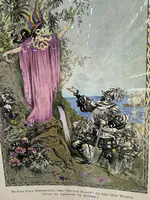
Mamma Coca Presenting the Divine Plant to the Old World

Coca Plant
Cultivated Coca Varieties and South American Landscapes
The Khoka Project groups cultivated coca (Erythroxylum spp.) into four major types, each tied to particular landscapes and traditions. Hayo (E. novogranatense var. novogranatense) was grown in pre-Columbian Colombia, especially in the Magdalena and Cauca valleys and the Sierra Nevada region. Thupa coca (E. novogranatense var. truxillense), noted for its large royal leaves, likely originated on Peru’s northern desert coast and spread into the Andes and the Inca world; it remains common from Ecuador to northern Chile. Mamox coca (E. coca var. coca), associated with the Andean highlands and humid eastern slopes, was cultivated from eastern Ecuador to Bolivia and the Amazonian foothills. Ipadu (E. coca var. ipadu), native to the lowland Amazon, has long been central to daily and ritual life among Indigenous groups in Brazil, Colombia, and Peru. Across South America, coca has been used for millennia for spiritual, medicinal, and social purposes, with each variety adapted to a distinct ecological zone and cultural tradition.
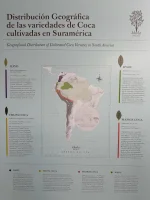
Coca Varieties in South America
Museum of Modern Art of MedellínMuseo de Arte Moderno de Medellín
Founded as a civic insistence that contemporary art belongs in public life, the museum anchors Medellin’s cultural shift through exhibitions, film, and a collection focused on Colombian and Latin American work. Its home in Ciudad del Río, a converted steelworks later expanded in the 2010s, makes adaptive reuse part of its identity. The program foregrounds how experiment, politics, and everyday materials can carry memory across a changing city.
Explore by type and place