Ancient Nasca Geoglyphs Study
Nasca River Valley: A Long History of Cultural Change
Nasca River Valley and Cultural Development
The Nasca River valley, formed by the confluence of the Tierras Blancas and Aja rivers, was a major center of Nasca culture. Pre-agricultural remains from c. 5th millennium BC show early hunter-gatherers exploiting shellfish and wild plants. Later, Paracas groups—especially in their final phases—occupied sites such as La Puntilla, Cahuachi, Usaka, and Estaquería. After Cahuachi was abandoned (c. 400–450 AD), Estaquería became the principal ceremonial center in late Nasca times and during the Middle Horizon (c. 550–1000 AD).
The fertile fan of the Río Grande and its tributaries preserves a long, continuous sequence: late Paracas, the florescence of Nasca at Cahuachi and in the Aja, Tierras Blancas, Atarco, Taruga, Las Trancas, and Usaka valleys, followed by Huari occupation in the Middle Horizon. Later, the Ica–Chincha culture (c. 1000–1400 AD) established major settlements such as Pueblo Viejo and Los Colorados, with some evidence of Inca-period presence, though their impact on the south coast was brief.
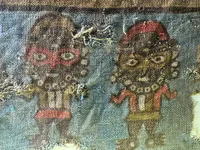
The Nasca River valley, formed by the confluence of the Tierras Blancas and Aja rivers, was a major center of Nasca culture. Pre-agricultural remains from c. 5th millennium BC show early hunter-gatherers exploiting shellfish and wild plants. Later, Paracas groups—especially in their final phases—occupied sites such as La Puntilla, Cahuachi, Usaka, and Estaquería. After Cahuachi was abandoned (c. 400–450 AD), Estaquería became the principal ceremonial center in late Nasca times and during the Middle Horizon (c. 550–1000 AD).
The fertile fan of the Río Grande and its tributaries preserves a long, continuous sequence: late Paracas, the florescence of Nasca at Cahuachi and in the Aja, Tierras Blancas, Atarco, Taruga, Las Trancas, and Usaka valleys, followed by Huari occupation in the Middle Horizon. Later, the Ica–Chincha culture (c. 1000–1400 AD) established major settlements such as Pueblo Viejo and Los Colorados, with some evidence of Inca-period presence, though their impact on the south coast was brief.
Offerings and Sacrifices at Cahuachi’s Ceremonial Center
Offerings at the Ceremonial Center
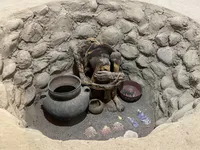
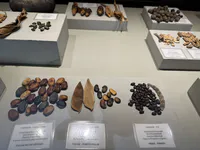
Cahuachi’s religious prestige made it a pilgrimage destination for groups from across the Nasca sphere, where the dominant ideology bound communities in different valleys. Periodic journeys brought pilgrims to collective ceremonies and to deposit offerings for the gods and temple structures. Common gifts included ceremonial ceramics, textiles, wooden and stone objects, and animal and human bone remains. Small paired items—braids of human hair, tied sticks, textile fragments, and camelid phalanges—symbolized duality.
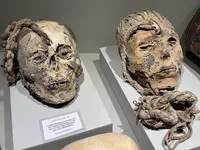
Excavations in 2003 on the Great Pyramid uncovered the sacrificed body of a child placed within a platform between two floors, an offering made before a new construction phase. In the Great Temple, several trophy or offering heads were found buried in pits inside the main platform and sealed with clay; elsewhere, cut heads accompany architectural changes or large camelid sacrifices west of the main temples. Large offering pits in platform floors, coated with clay, contained materials such as a whale rib, probably a ceremonial gift. Another enigmatic class of offering consists of rodent heads placed inside lucuma pits or treated in the same way as human heads. Most frequent, however, were ceremonial ceramic objects intentionally broken at Cahuachi and then buried in massive fill deposits.
Cahuachi’s religious prestige made it a pilgrimage destination for groups from across the Nasca sphere, where the dominant ideology bound communities in different valleys. Periodic journeys brought pilgrims to collective ceremonies and to deposit offerings for the gods and temple structures. Common gifts included ceremonial ceramics, textiles, wooden and stone objects, and animal and human bone remains. Small paired items—braids of human hair, tied sticks, textile fragments, and camelid phalanges—symbolized duality.
Excavations in 2003 on the Great Pyramid uncovered the sacrificed body of a child placed within a platform between two floors, an offering made before a new construction phase. In the Great Temple, several trophy or offering heads were found buried in pits inside the main platform and sealed with clay; elsewhere, cut heads accompany architectural changes or large camelid sacrifices west of the main temples. Large offering pits in platform floors, coated with clay, contained materials such as a whale rib, probably a ceremonial gift. Another enigmatic class of offering consists of rodent heads placed inside lucuma pits or treated in the same way as human heads. Most frequent, however, were ceremonial ceramic objects intentionally broken at Cahuachi and then buried in massive fill deposits.
Nasca Daily Life in an Agricultural, Peaceful Society
Nasca Daily Life
Nasca communities were closely tied to agriculture, cultivating fields near towns and villages along river oases. Houses of adobe and quincha stood on valley slopes to protect them from floods and avoid using farmland; people mainly slept indoors and worked outside. Specialized crafts, especially ceramics and textiles, were organized in sectors and carried a strong ideological charge. Villages stretched linearly along rivers, with large, well-ventilated rooms and no central core, reflecting a productive, generally peaceful society during the Early Nasca period.
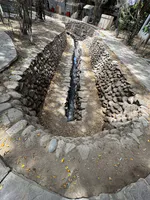
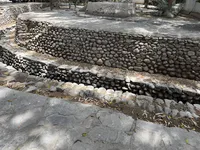
Crops included maize, cassava, sweet potato, beans, gourds, peanuts and cotton. Diets were enriched by mollusks, river shrimp, dried fish and camelid meat (llama, alpaca, guanaco), whose wool and hides were also used. Cooking areas, ceramic kilns and refuse dumps clustered around dwellings; shell and camelid bone remains reveal common foods even far from the coast. The absence of weapons, defensive architecture and trauma-related burials suggests long-lasting stability. Aqueducts and an extensive canal network tapped groundwater, ensuring year-round water distribution across a broad territory.
Nasca communities were closely tied to agriculture, cultivating fields near towns and villages along river oases. Houses of adobe and quincha stood on valley slopes to protect them from floods and avoid using farmland; people mainly slept indoors and worked outside. Specialized crafts, especially ceramics and textiles, were organized in sectors and carried a strong ideological charge. Villages stretched linearly along rivers, with large, well-ventilated rooms and no central core, reflecting a productive, generally peaceful society during the Early Nasca period.
Crops included maize, cassava, sweet potato, beans, gourds, peanuts and cotton. Diets were enriched by mollusks, river shrimp, dried fish and camelid meat (llama, alpaca, guanaco), whose wool and hides were also used. Cooking areas, ceramic kilns and refuse dumps clustered around dwellings; shell and camelid bone remains reveal common foods even far from the coast. The absence of weapons, defensive architecture and trauma-related burials suggests long-lasting stability. Aqueducts and an extensive canal network tapped groundwater, ensuring year-round water distribution across a broad territory.
Tracing the Earliest Nasca Geoglyphs and Their Iconic Motifs
The Earliest Nasca Geoglyphs
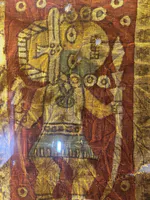
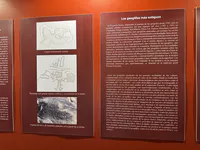
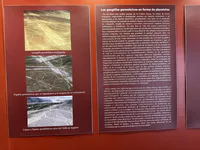
From 1982 onward, the Nasca Project analyzed geoglyphs in parallel with local rock art and Paracas–Nasca ceramics and textiles, using iconographic comparison and the study of superimpositions to build a relative chronology. The earliest geoglyphs appear on hillsides north of the Ingenio River, especially near Palpa. These small, heavily weathered zoomorphic and anthropomorphic figures were carved in low relief into cleaned stone surfaces and seem to draw on Paracas Cavernas textile traditions.
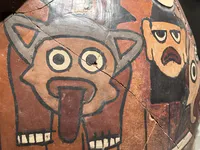
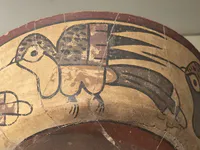
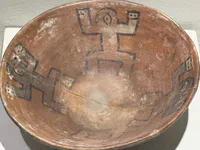
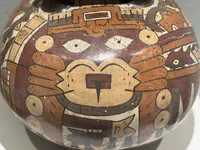
Some hillside geoglyph fields formed true cult areas used for ceremonies and processions, featuring distinctive images such as the “oculate being” and other figures linked to late Paracas phases. Later geoglyphs show bird figures evolving from side views with closed wings to open-winged, flying images, closely echoing Nasca ceramic and textile iconography. Dominant motifs include major divinities (feline, killer whale) and supernatural creatures such as hummingbird, spider, lizard, monkey and certain plants, all shared with Nasca art. Ceramic finds, associated artifacts and surface varnish analyses place this main geoglyph phase roughly between 193 BC and 648 AD.
From 1982 onward, the Nasca Project analyzed geoglyphs in parallel with local rock art and Paracas–Nasca ceramics and textiles, using iconographic comparison and the study of superimpositions to build a relative chronology. The earliest geoglyphs appear on hillsides north of the Ingenio River, especially near Palpa. These small, heavily weathered zoomorphic and anthropomorphic figures were carved in low relief into cleaned stone surfaces and seem to draw on Paracas Cavernas textile traditions.
Some hillside geoglyph fields formed true cult areas used for ceremonies and processions, featuring distinctive images such as the “oculate being” and other figures linked to late Paracas phases. Later geoglyphs show bird figures evolving from side views with closed wings to open-winged, flying images, closely echoing Nasca ceramic and textile iconography. Dominant motifs include major divinities (feline, killer whale) and supernatural creatures such as hummingbird, spider, lizard, monkey and certain plants, all shared with Nasca art. Ceramic finds, associated artifacts and surface varnish analyses place this main geoglyph phase roughly between 193 BC and 648 AD.

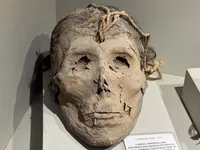
Nasca Offering Heads
Rock Art and Sacred Landscapes in the Nasca Region
Rock Art in the Nasca Region
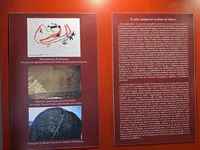
Compared with Asian, European, or African rock art, American rock art forms a more homogeneous symbolic corpus, shaped with little external interference from the earliest human occupations onward. Simple and complex “logos” related to nature, myth, and ritual recur from North America to Tierra del Fuego, expressing local beliefs about ancestors, legendary heroes, and divinities on durable stone surfaces. In Nasca, rock art is part of a broad cultural process and must be studied together with textiles, ceramics, and other media to understand shared iconographic and mythological themes.
One aim of the Nasca Project was to compare geoglyphs, ceramics, and rock art. From 1982 onward, researchers interpreted the earliest hillside macro-incisions as large-scale rock art transforming valley slopes into sacred spaces. In the Palpa valleys, huge figures of mythical heroes and ancestors turn the ravines into ritual landscapes. Dense concentrations of petroglyphs at Chichitara represent one of the region’s most important rock-art complexes. Later studies at Majuelos documented large petroglyphs beneath ancient rock shelters, damaged in recent years by looters, and associated with small paintings and lines of cupules typical of strongly sacred places. Most drawings were carved into very hard rocks—porphyry, granite, diorite, and andesite—while sandstone was used only where no other suitable material existed, as at Pirca and Majuelos.
Compared with Asian, European, or African rock art, American rock art forms a more homogeneous symbolic corpus, shaped with little external interference from the earliest human occupations onward. Simple and complex “logos” related to nature, myth, and ritual recur from North America to Tierra del Fuego, expressing local beliefs about ancestors, legendary heroes, and divinities on durable stone surfaces. In Nasca, rock art is part of a broad cultural process and must be studied together with textiles, ceramics, and other media to understand shared iconographic and mythological themes.
One aim of the Nasca Project was to compare geoglyphs, ceramics, and rock art. From 1982 onward, researchers interpreted the earliest hillside macro-incisions as large-scale rock art transforming valley slopes into sacred spaces. In the Palpa valleys, huge figures of mythical heroes and ancestors turn the ravines into ritual landscapes. Dense concentrations of petroglyphs at Chichitara represent one of the region’s most important rock-art complexes. Later studies at Majuelos documented large petroglyphs beneath ancient rock shelters, damaged in recent years by looters, and associated with small paintings and lines of cupules typical of strongly sacred places. Most drawings were carved into very hard rocks—porphyry, granite, diorite, and andesite—while sandstone was used only where no other suitable material existed, as at Pirca and Majuelos.
Huari Domination and Transformation of the Nasca Valley
The Middle Horizon in the Nasca Valley
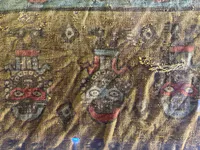
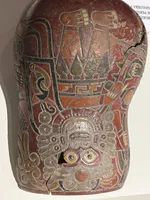
During the Middle Horizon, the entire Rio Grande de Nasca basin underwent profound transformations in religion, architecture, agriculture and daily life. From the later 6th c. AD onward, Nasca society fragmented politically and attempted an economic reorganization that was ultimately overtaken by the stronger Huari power from the Ayacucho highlands. Ancestral Nasca deities were replaced by Huari cosmology, and ways of eating, building, weaving and making pottery changed so radically that the Nasca world was almost erased. Ceramics adopted new shapes, iconography, clays, pigments and firing methods. Estaquería, whose origins go back to early valley occupation (with nearby preceramic dates in the 4th millennium BC), became the principal ceremonial center, replacing Cahuachi. Over time, it expanded with major temples, pyramids and high-status cemeteries, and in the Middle Horizon the “Temple of the Posts” became the key Huari-era sanctuary.
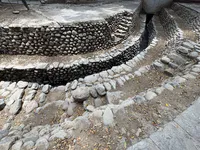
Domestic life also shifted. Terraced houses now had cobble walls and cane-and-mud quincha, with smaller rooms and more close contact with animals. Life expectancy dropped and diseases linked to protein-poor diets increased, as seen in higher rates of dental caries and bone pathologies. Adobe production changed to large gray paralelepiped blocks with little kaolin. Textiles, weaving systems and burial customs were transformed: tombs became collective, bodies were reoriented mainly westward and wrapped in bundles with cotton layers. The aqueduct network was likely extended to expand farmland, concentrating population in the valley. Overall, Huari domination imposed harsh religious, political and social changes; the material culture that survives is the clearest trace of this highland power in Nasca lands.
During the Middle Horizon, the entire Rio Grande de Nasca basin underwent profound transformations in religion, architecture, agriculture and daily life. From the later 6th c. AD onward, Nasca society fragmented politically and attempted an economic reorganization that was ultimately overtaken by the stronger Huari power from the Ayacucho highlands. Ancestral Nasca deities were replaced by Huari cosmology, and ways of eating, building, weaving and making pottery changed so radically that the Nasca world was almost erased. Ceramics adopted new shapes, iconography, clays, pigments and firing methods. Estaquería, whose origins go back to early valley occupation (with nearby preceramic dates in the 4th millennium BC), became the principal ceremonial center, replacing Cahuachi. Over time, it expanded with major temples, pyramids and high-status cemeteries, and in the Middle Horizon the “Temple of the Posts” became the key Huari-era sanctuary.
Domestic life also shifted. Terraced houses now had cobble walls and cane-and-mud quincha, with smaller rooms and more close contact with animals. Life expectancy dropped and diseases linked to protein-poor diets increased, as seen in higher rates of dental caries and bone pathologies. Adobe production changed to large gray paralelepiped blocks with little kaolin. Textiles, weaving systems and burial customs were transformed: tombs became collective, bodies were reoriented mainly westward and wrapped in bundles with cotton layers. The aqueduct network was likely extended to expand farmland, concentrating population in the valley. Overall, Huari domination imposed harsh religious, political and social changes; the material culture that survives is the clearest trace of this highland power in Nasca lands.
Huari Domination and Transformation of the Nasca Valley
The Middle Horizon in the Nasca Valley
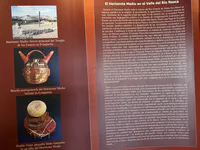
During the Middle Horizon, the Río Grande de Nasca basin underwent profound changes in religion, architecture, agriculture, and daily life. By the later 6th c., Nasca society showed signs of political fragmentation and failed economic reorganization, overtaken by the stronger Huari power from the Ayacucho highlands. Ancestral Nasca deities were replaced by Huari cosmology, and ways of eating, building, weaving, and making ceramics changed so drastically that the Nasca world was largely erased.
Estaquería became the main ceremonial center, with origins possibly in the earliest occupations of the valley. Nearby Preceramic contexts date back to the 4th millennium BC. Western Cahuachi was used over a long period, expanding on modified natural terraces in late Paracas and Early Nasca times with large temples, pyramids, and elite cemeteries. In the Middle Horizon the “Temple of the Posts” at Estaquería replaced Nasca ritual presence in the valley; its remaining forked posts still hint at its former scale. Housing continued on terraces but now used river cobbles and cane quincha walls coated on both sides. Rooms shrank, humans and animals lived more closely together, and health declined, with more caries and bone problems linked to diets richer in cereals and carbohydrates and poorer in animal protein.
Adobe production changed to a grey clay with little kaolin, and large parallelepiped adobes became standard. Ceramics, textiles, and weaving methods all shifted, as did funerary practices: bodies were reoriented mainly westward, wrapped in cotton layers within collective tombs rather than individual burials. The aqueduct network likely expanded, increasing cultivated land and population density. Huari domination in the Nasca valleys was harsh, dismantling religious and social traditions; only material culture traces clearly remain as evidence of this highland rule.
During the Middle Horizon, the Río Grande de Nasca basin underwent profound changes in religion, architecture, agriculture, and daily life. By the later 6th c., Nasca society showed signs of political fragmentation and failed economic reorganization, overtaken by the stronger Huari power from the Ayacucho highlands. Ancestral Nasca deities were replaced by Huari cosmology, and ways of eating, building, weaving, and making ceramics changed so drastically that the Nasca world was largely erased.
Estaquería became the main ceremonial center, with origins possibly in the earliest occupations of the valley. Nearby Preceramic contexts date back to the 4th millennium BC. Western Cahuachi was used over a long period, expanding on modified natural terraces in late Paracas and Early Nasca times with large temples, pyramids, and elite cemeteries. In the Middle Horizon the “Temple of the Posts” at Estaquería replaced Nasca ritual presence in the valley; its remaining forked posts still hint at its former scale. Housing continued on terraces but now used river cobbles and cane quincha walls coated on both sides. Rooms shrank, humans and animals lived more closely together, and health declined, with more caries and bone problems linked to diets richer in cereals and carbohydrates and poorer in animal protein.
Adobe production changed to a grey clay with little kaolin, and large parallelepiped adobes became standard. Ceramics, textiles, and weaving methods all shifted, as did funerary practices: bodies were reoriented mainly westward, wrapped in cotton layers within collective tombs rather than individual burials. The aqueduct network likely expanded, increasing cultivated land and population density. Huari domination in the Nasca valleys was harsh, dismantling religious and social traditions; only material culture traces clearly remain as evidence of this highland rule.
Rock Art and Sacred Landscapes in the Nasca Region
Rock Art in the Nasca Region
Compared with Asian, European and African traditions, American rock art forms a relatively homogeneous symbolic corpus, shaped without major external influences. Its themes spread from North America to Tierra del Fuego, built from simple and complex “logos” rooted in early population movements and later developed into local variants. While nature-related motifs and graphic techniques evolved in broadly similar ways, regional details reflect specific beliefs, rituals and legendary figures linked to ancestor and deity cults. Rock art thus belongs to a long-lived system of communication that complements, but differs from, imagery on textiles and ceramics. Archaeological research must therefore integrate rock art into broader comparisons of iconographic, symbolic and mythological elements.
One goal of the Nasca Project was to analyze geoglyphs alongside ceramics and rock art. Since 1982, large hillside macro-incisions in the valleys of Palpa have been studied as monumental rock art depicting mythical heroes and ancestors, turning the valleys into sacred spaces where these great figures framed ritual activity. Major concentrations of petroglyphs at Chichitara and, later, the large engraved panels and small paintings at Majuelos exemplify this tradition, even though some shelters have been damaged by looting. The engravings occur mostly on hard rocks such as porphyry, granite, diorite and andesite; sandstone was used only where no other material was available, as seen in areas like Pirca and Majuelos.
Compared with Asian, European and African traditions, American rock art forms a relatively homogeneous symbolic corpus, shaped without major external influences. Its themes spread from North America to Tierra del Fuego, built from simple and complex “logos” rooted in early population movements and later developed into local variants. While nature-related motifs and graphic techniques evolved in broadly similar ways, regional details reflect specific beliefs, rituals and legendary figures linked to ancestor and deity cults. Rock art thus belongs to a long-lived system of communication that complements, but differs from, imagery on textiles and ceramics. Archaeological research must therefore integrate rock art into broader comparisons of iconographic, symbolic and mythological elements.
One goal of the Nasca Project was to analyze geoglyphs alongside ceramics and rock art. Since 1982, large hillside macro-incisions in the valleys of Palpa have been studied as monumental rock art depicting mythical heroes and ancestors, turning the valleys into sacred spaces where these great figures framed ritual activity. Major concentrations of petroglyphs at Chichitara and, later, the large engraved panels and small paintings at Majuelos exemplify this tradition, even though some shelters have been damaged by looting. The engravings occur mostly on hard rocks such as porphyry, granite, diorite and andesite; sandstone was used only where no other material was available, as seen in areas like Pirca and Majuelos.

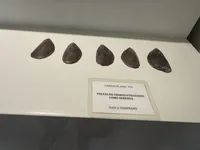
Nasca Ovoid-Shaped Pendants
Offerings and Sacrifice at the Nasca Ceremonial Center
Offerings to the Nasca Ceremonial Center
Because of its religious prestige, Cahuachi attracted pilgrims from across the Nasca cultural sphere. Groups from many valleys made periodic journeys to participate in collective ceremonies and bring offerings to the gods and temple structures. Common deposits include ceremonial ceramics, textiles, wooden and stone objects, and animal and human bones, as well as small paired items symbolizing duality, such as intertwined human hair, bound sticks, textile fragments and camelid phalanges.
Excavations in the Great Pyramid uncovered the sacrificed body of a child placed within a platform between construction phases, an offering marking the start of a new building stage. In the Great Temple, “trophy” or offering heads were buried in sealed pits inside the main platform. Elsewhere, cut human heads appear in contexts of architectural renovation or sacrifice, sometimes associated with mass camelid slaughter west of the main temples. Large offering containers built into platform floors contained diverse materials, including a whale rib likely used as a ceremonial gift and rodent heads prepared similarly to human ones. Above all, ritual ceramics broken on site and then buried in massive fill layers are the most frequent offerings, materializing the community’s devotion to the ceremonial center.
Because of its religious prestige, Cahuachi attracted pilgrims from across the Nasca cultural sphere. Groups from many valleys made periodic journeys to participate in collective ceremonies and bring offerings to the gods and temple structures. Common deposits include ceremonial ceramics, textiles, wooden and stone objects, and animal and human bones, as well as small paired items symbolizing duality, such as intertwined human hair, bound sticks, textile fragments and camelid phalanges.
Excavations in the Great Pyramid uncovered the sacrificed body of a child placed within a platform between construction phases, an offering marking the start of a new building stage. In the Great Temple, “trophy” or offering heads were buried in sealed pits inside the main platform. Elsewhere, cut human heads appear in contexts of architectural renovation or sacrifice, sometimes associated with mass camelid slaughter west of the main temples. Large offering containers built into platform floors contained diverse materials, including a whale rib likely used as a ceremonial gift and rodent heads prepared similarly to human ones. Above all, ritual ceramics broken on site and then buried in massive fill layers are the most frequent offerings, materializing the community’s devotion to the ceremonial center.
Nasca River Valley: An Oasis of Continuous Cultural Change
Nasca River Valley and Cultural Development
The Nasca River Valley, an oasis created by the confluence of the Tierras Blancas and Aja rivers, was one of the main centers of Nasca culture. The earliest pre-agricultural evidence comes from 5th-millennium BC hunter-gatherers who collected shellfish and wild plants. In later phases, Paracas groups occupied sites such as La Puntilla, Cahuachi, Usaka, and Estaquería. After the abandonment of Cahuachi around 400–450 AD, Estaquería became the principal ceremonial center in the final Nasca phase and during the Middle Horizon (550–1000 AD). The Ica-Chincha culture (1000–1400 AD) also left important traces in the Nasca region, both before Inca expansion and into the Colonial period.
Across the fertile fan formed by the Río Grande and its tributaries, the cultural sequence is complex and continuous. Late Paracas and especially Nasca occupations are well documented at Cahuachi and in the valleys of the Aja, Tierras Blancas, and other nearby drainages. The Nasca Valley was densely settled from the first Paracas villages, with peak evidence in the Early Intermediate Period (Nasca) and the Middle Horizon (Huari presence). Later, major agricultural centers such as Pueblo Viejo and Los Colorados were heavily occupied during the Ica-Chincha period. At Pueblo Viejo, finds linked typologically to Inca culture attest to a long, continuous occupation, although Inca remains on the south coast are relatively limited due to the brief duration of their rule.
The Nasca River Valley, an oasis created by the confluence of the Tierras Blancas and Aja rivers, was one of the main centers of Nasca culture. The earliest pre-agricultural evidence comes from 5th-millennium BC hunter-gatherers who collected shellfish and wild plants. In later phases, Paracas groups occupied sites such as La Puntilla, Cahuachi, Usaka, and Estaquería. After the abandonment of Cahuachi around 400–450 AD, Estaquería became the principal ceremonial center in the final Nasca phase and during the Middle Horizon (550–1000 AD). The Ica-Chincha culture (1000–1400 AD) also left important traces in the Nasca region, both before Inca expansion and into the Colonial period.
Across the fertile fan formed by the Río Grande and its tributaries, the cultural sequence is complex and continuous. Late Paracas and especially Nasca occupations are well documented at Cahuachi and in the valleys of the Aja, Tierras Blancas, and other nearby drainages. The Nasca Valley was densely settled from the first Paracas villages, with peak evidence in the Early Intermediate Period (Nasca) and the Middle Horizon (Huari presence). Later, major agricultural centers such as Pueblo Viejo and Los Colorados were heavily occupied during the Ica-Chincha period. At Pueblo Viejo, finds linked typologically to Inca culture attest to a long, continuous occupation, although Inca remains on the south coast are relatively limited due to the brief duration of their rule.
The Earliest Nasca Geoglyphs and Their Sacred Hillsides
The Earliest Geoglyphs
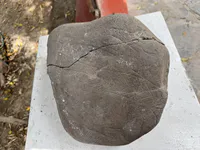
Since 1982 the Nasca Project has analyzed geoglyphs alongside rock art at sites such as Chichitara, Pongo Grande, San Marcos, Pirca, Las Trancas, and Huayhua, comparing their motifs with Paracas and Nasca ceramics and textiles and studying superimpositions to establish a sequence. These investigations show that the oldest geoglyphs are the small, strongly weathered zoomorphic and anthropomorphic figures carved in low relief on hillsides north of the Ingenio River, especially around Palpa. Their forms, standing out against carefully cleared stone surfaces, appear closely related to Paracas Cavernas textile traditions.
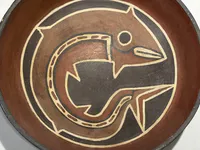
These hillside geoglyphs formed true cult areas where processions and ceremonies took place. Prominent figures include the “big-eyed being” and other images linked to late Paracas phases. Later bird figures show a shift from profile views with closed wings to birds in flight with open wings, mirroring changes in Nasca ceramic iconography. This geoglyph phase emphasizes major deities (feline, killer whale) and supernatural beings such as the hummingbird, spider, lizard, monkey, and certain plants. Ceramic and artifact associations, together with early radiocarbon dates and varnish analyses on the stones, place these designs roughly between 193 BC and AD 648, within Early Nasca times.
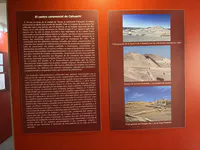
Since 1982 the Nasca Project has analyzed geoglyphs alongside rock art at sites such as Chichitara, Pongo Grande, San Marcos, Pirca, Las Trancas, and Huayhua, comparing their motifs with Paracas and Nasca ceramics and textiles and studying superimpositions to establish a sequence. These investigations show that the oldest geoglyphs are the small, strongly weathered zoomorphic and anthropomorphic figures carved in low relief on hillsides north of the Ingenio River, especially around Palpa. Their forms, standing out against carefully cleared stone surfaces, appear closely related to Paracas Cavernas textile traditions.
These hillside geoglyphs formed true cult areas where processions and ceremonies took place. Prominent figures include the “big-eyed being” and other images linked to late Paracas phases. Later bird figures show a shift from profile views with closed wings to birds in flight with open wings, mirroring changes in Nasca ceramic iconography. This geoglyph phase emphasizes major deities (feline, killer whale) and supernatural beings such as the hummingbird, spider, lizard, monkey, and certain plants. Ceramic and artifact associations, together with early radiocarbon dates and varnish analyses on the stones, place these designs roughly between 193 BC and AD 648, within Early Nasca times.

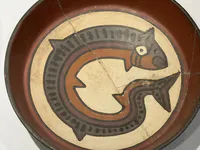
Plate with Fish

Nazca Plate with Fish
Daily Life and Agriculture in Early Nasca Society
Daily Life of the Nasca
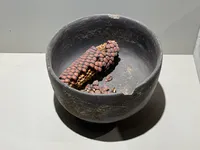
Nasca communities were closely tied to agriculture in river oases, cultivating fields near villages and hamlets. Houses, built of adobe and quincha on valley slopes to avoid floods and preserve farmland, served mainly for night rest; most work took place outdoors. Craft activities—especially ceramics and textiles—were specialized and ideologically marked. Dwellings were large and well ventilated, villages stretched linearly along rivers without a central core, and diet was varied, reflecting a productive and well-organized society. Main crops included maize, yuca, sweet potato, beans, lima beans, squash, peanuts, and cotton, complemented by mollusks, crustaceans, dried fish, and meat, wool, and hides from llamas, alpacas, and guanacos.
Cooking areas, ceramic kilns, and rubbish heaps clustered around houses. Middens rich in shell, camelid bones, and other remains reveal common consumption of marine foods even far from the coast and frequent boiling or roasting of meat. The absence of weapons, defensive structures, and trauma-related burials suggests a long period of peace in Early Nasca times, supported by an extensive aqueduct and canal system that distributed groundwater year-round across a wide territory.
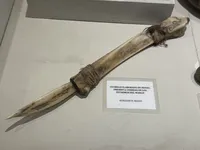
Nasca communities were closely tied to agriculture in river oases, cultivating fields near villages and hamlets. Houses, built of adobe and quincha on valley slopes to avoid floods and preserve farmland, served mainly for night rest; most work took place outdoors. Craft activities—especially ceramics and textiles—were specialized and ideologically marked. Dwellings were large and well ventilated, villages stretched linearly along rivers without a central core, and diet was varied, reflecting a productive and well-organized society. Main crops included maize, yuca, sweet potato, beans, lima beans, squash, peanuts, and cotton, complemented by mollusks, crustaceans, dried fish, and meat, wool, and hides from llamas, alpacas, and guanacos.
Cooking areas, ceramic kilns, and rubbish heaps clustered around houses. Middens rich in shell, camelid bones, and other remains reveal common consumption of marine foods even far from the coast and frequent boiling or roasting of meat. The absence of weapons, defensive structures, and trauma-related burials suggests a long period of peace in Early Nasca times, supported by an extensive aqueduct and canal system that distributed groundwater year-round across a wide territory.

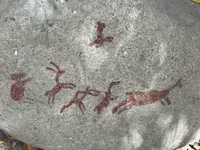
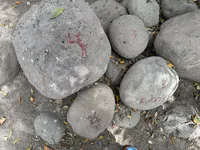
Ancient Rock Painting of Huayhua
Museo Antonini
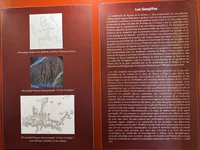
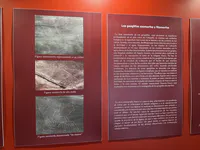
Museo Antonini in Nasca offers a vivid introduction to the ancient cultures of the Ica region, from early hunter-gatherers to the rise and transformation of the Nasca civilization. Through ceramics, textiles, architectural remains and everyday objects, visitors see how communities adapted to an arid landscape, developed sophisticated irrigation systems and created prosperous agricultural settlements along the Rio Grande and its tributaries.
The museum also explores the spiritual world that shaped this desert society, from the great ceremonial center of Cahuachi to enigmatic geoglyphs and rock art that turned valleys and hillsides into sacred spaces. Carefully curated displays explain changing beliefs under Huari influence, the meaning of ritual offerings and trophy heads, and the powerful symbols of animals and mythic beings in pottery, textiles and the famous Nasca Lines, offering a concise yet rich overview before visiting nearby archaeological sites.
Popular categories
Advertising space