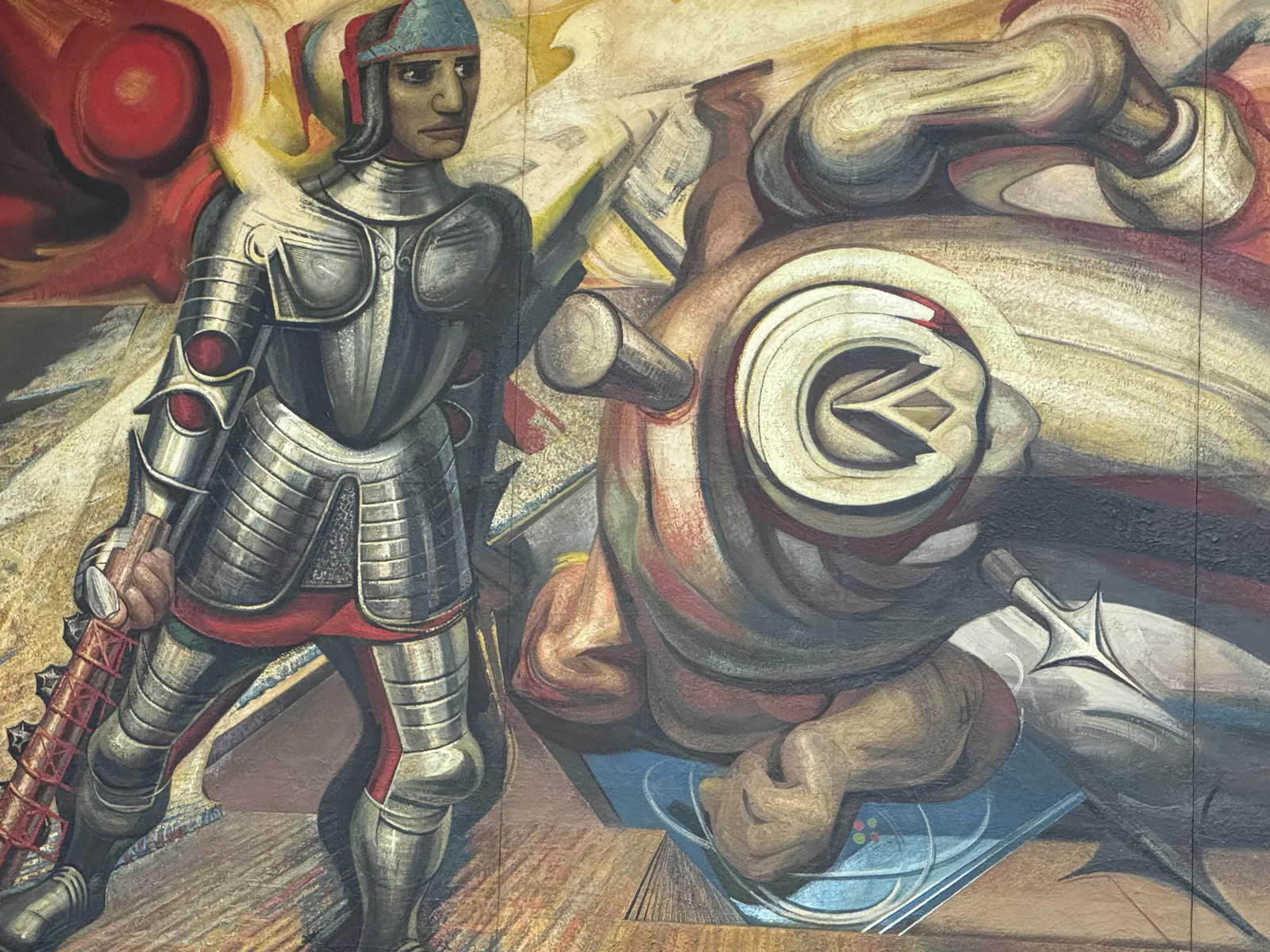
Apoteosis de Cuauhtémoc (detail)
David Alfaro Siqueiros
In this dynamic panel from Apoteosis de Cuauhtémoc (1950–51), Siqueiros reimagines the last Aztec emperor as a defiant figure armored against colonial violence. The clash of Indigenous resistance and mechanized conquest evokes Mexico’s historical trauma and the enduring spirit of revolution. Bold forms and forceful lines heighten the scene’s urgency.
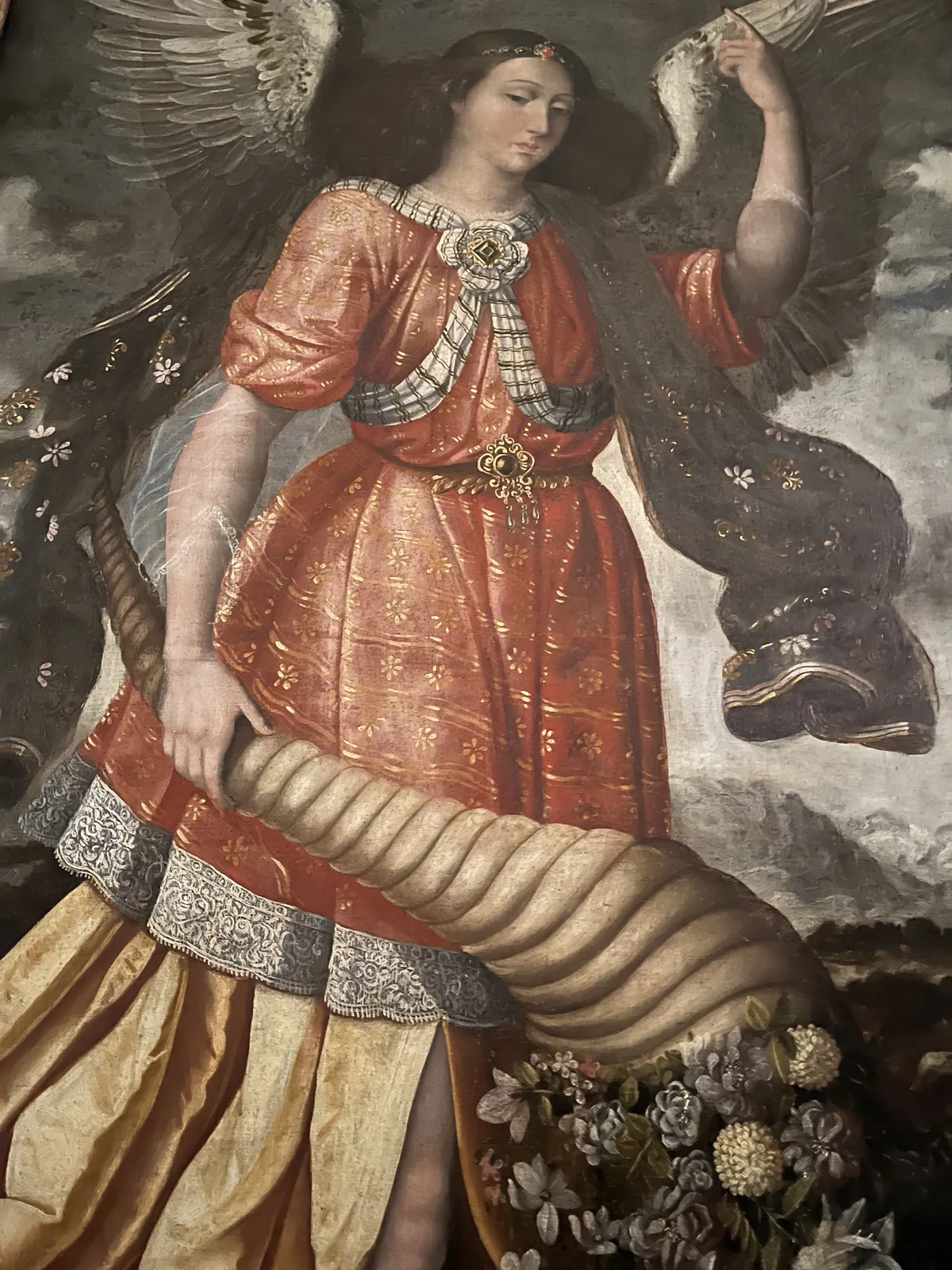
Archangel Gabriel (Isabel de Santiago)
Isabel de Santiago
This early 18th-c. work by Isabel de Santiago—a rare female artist of the Quito School—portrays Gabriel as a celestial messenger of abundance. Draped in luminous textiles, the archangel holds a cornucopia, blending classical fertility symbols with baroque angelology in a uniquely Andean devotional image.
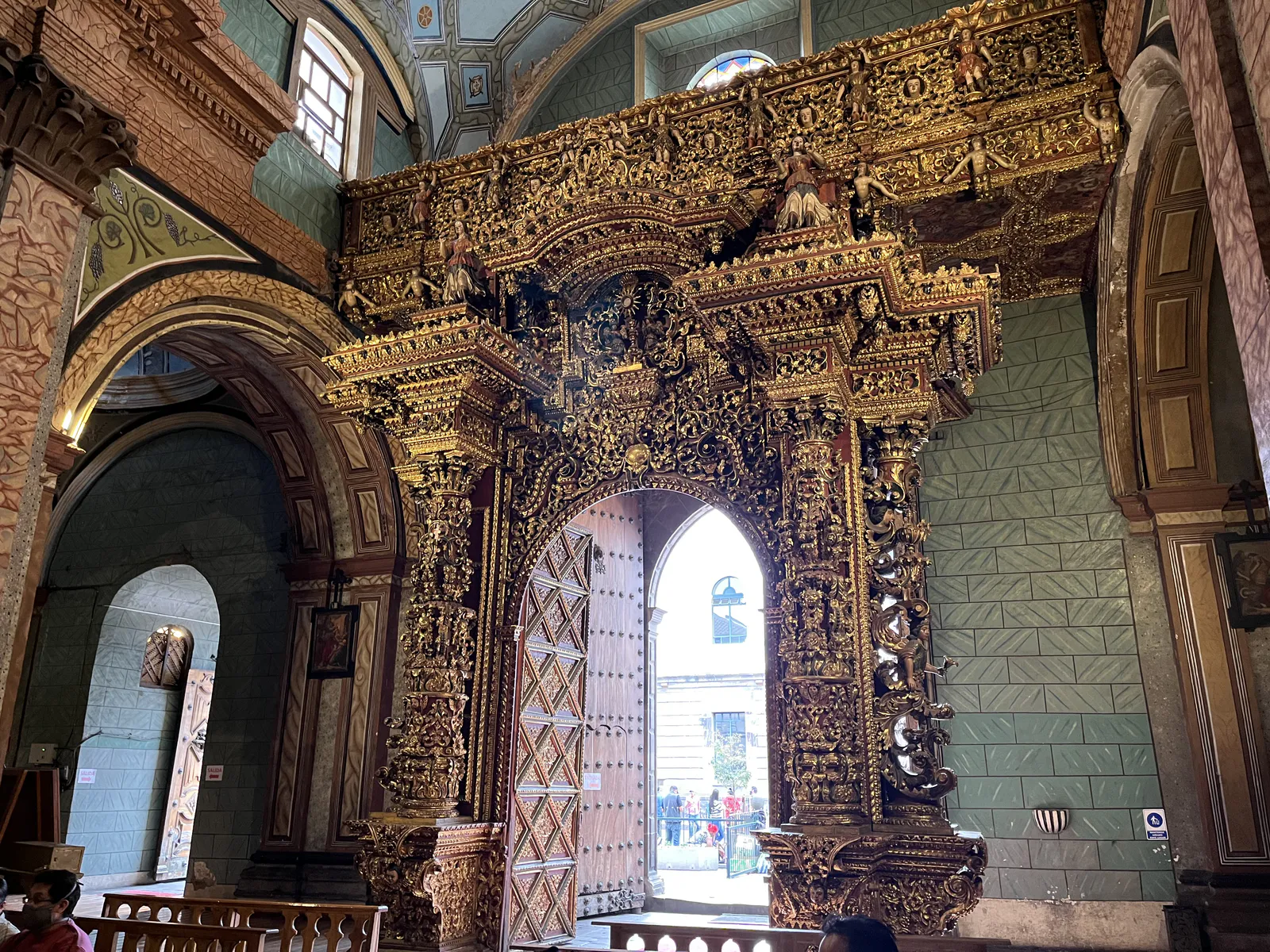
Baroque Portal of El Sagrario
This monumental baroque portal marks the threshold of El Sagrario, the auxiliary chapel of Quito’s Metropolitan Cathedral. Crafted in the 18th c., its swirling vegetal forms, gilded angels, and sculpted saints exemplify the Quito School’s fusion of Spanish baroque with local aesthetics. The overwhelming visual density evokes a mystical transition from the profane to the divine, guiding the faithful into sacred space.
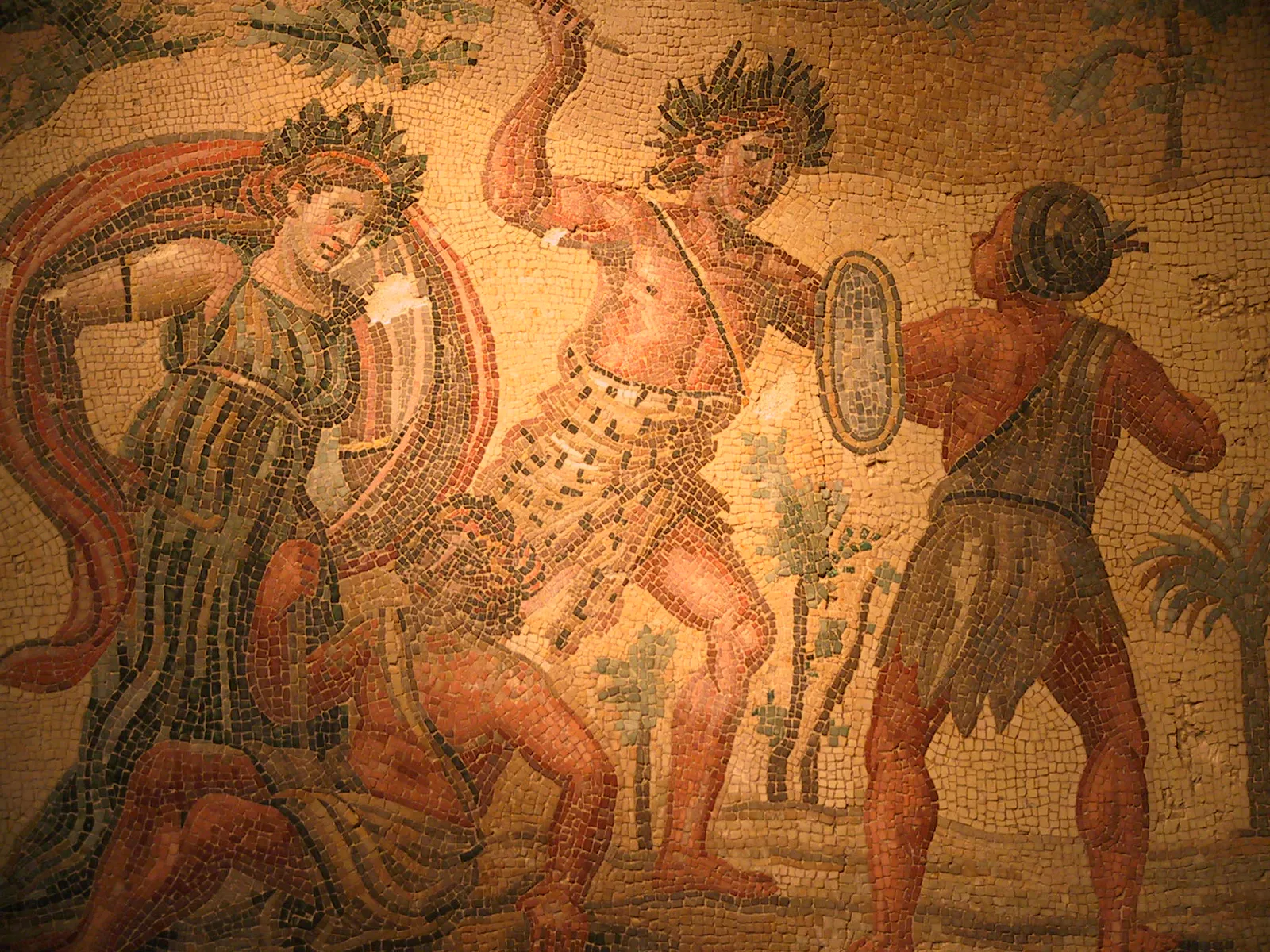
Dionysus
This Roman mosaic (2nd–3rd cc.), made in opus vermiculatum—tiny tesserae arranged in fine, flowing lines—depicts Dionysus in his legendary campaign against the Indians, a myth that symbolized the god’s power to civilize distant lands. Dionysus strides forward with raised weapon and leopard skin, facing an Indian warrior who resists his advance. In Greek tradition, Dionysus was not only the god of wine but also a bringer of ecstasy, theater, and cultural transformation; his conquest of India represented the spread of culture over wilderness. Such scenes decorated elite villas, where myth signaled education, refinement, and status.
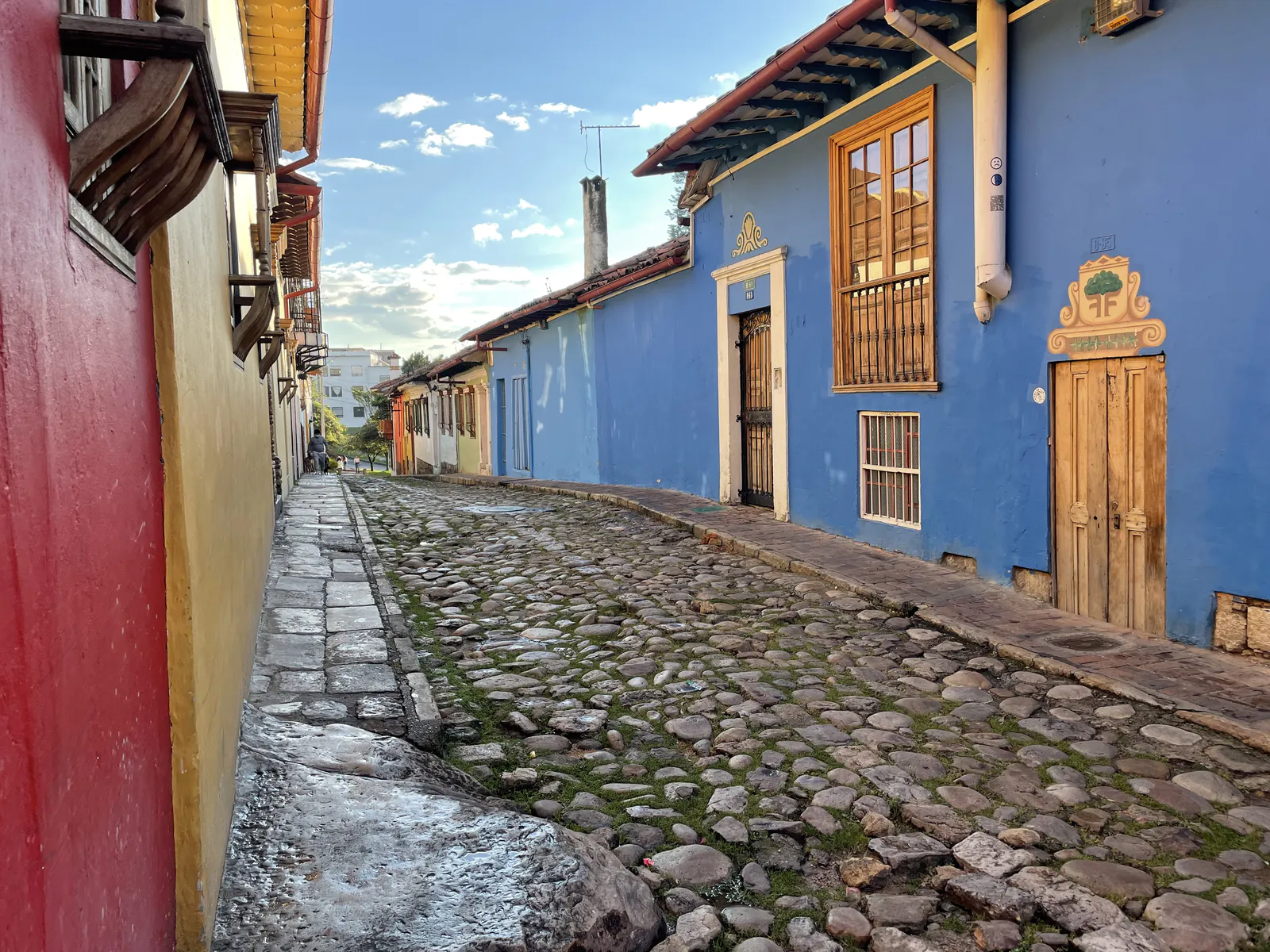
Callejón de los Colores
A cobbled alley lined with red, yellow, and blue façades follows the curve of a colonial street first laid out in the 17th c. Irregular stones form the roadway, while wooden balconies and deep eaves preserve Spanish urban traditions adapted to Andean light and rain. Once housing colonial settlers, these buildings now signal a shift as vivid paint transforms former symbols of control into markers of cultural resilience.
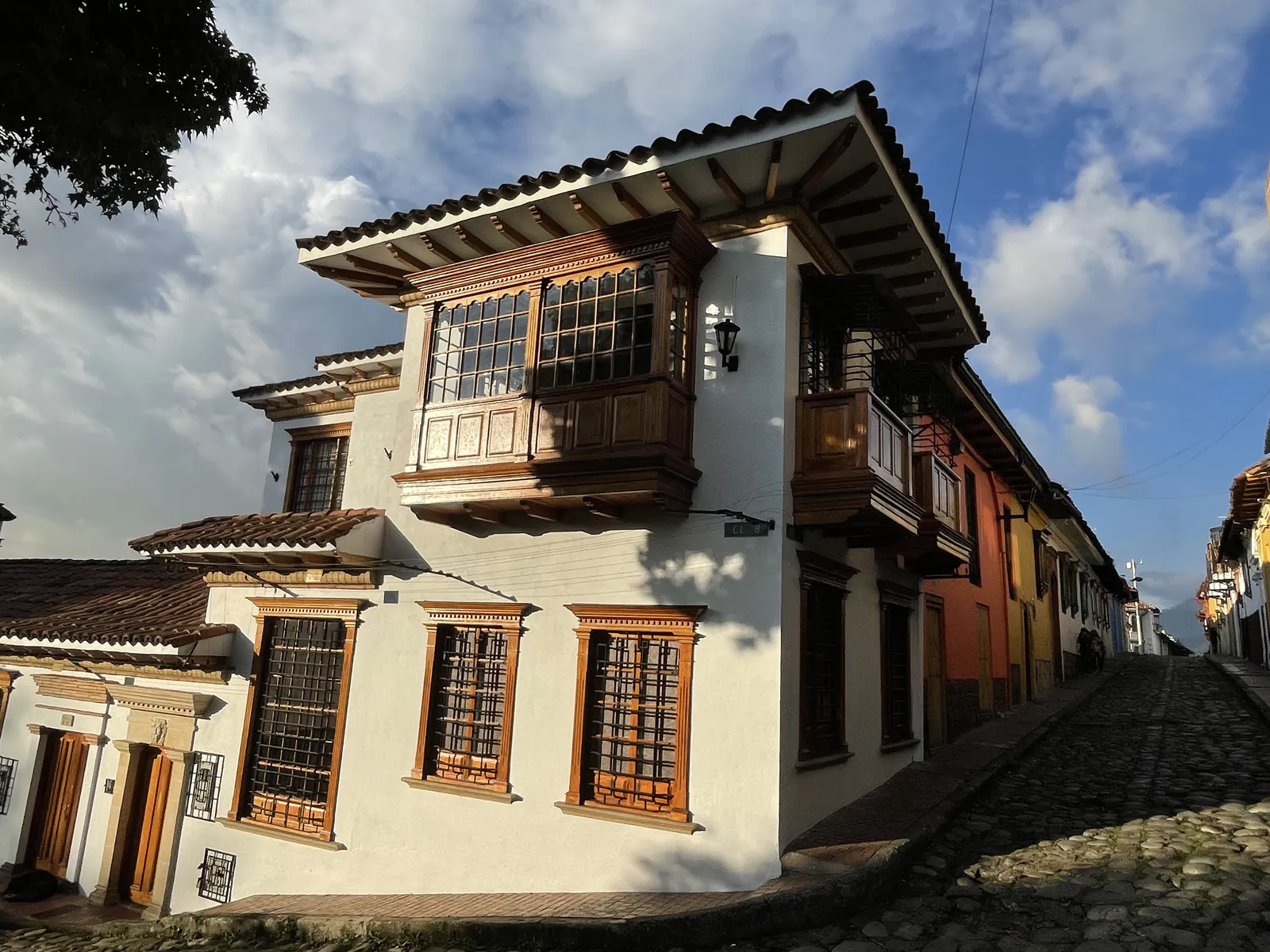
Corner House with Balcony in La Candelaria
This striking corner home in La Candelaria features projecting wooden balconies, barred windows, and deep eaves—hallmarks of elite colonial residences (18th c.). These enclosed balconies (known as miradores) offered privacy and views of the street below. Set on a cobbled rise, the house stands as a sculptural relic of Bogotá’s aristocratic past.

Taranis with Wheel
This silver Gundestrup Cauldron relief panel (2nd–1st cc.) shows a striding figure holding a large spoked wheel amid animals and human heads. The figure is often identified with Taranis, a Celtic thunder god whose name derives from Gaulish taran (thunder). Linked to sky and storm, Taranis parallels Norse Thor, and the wheel here functions as a cosmic attribute connecting divine power with celestial cycles.
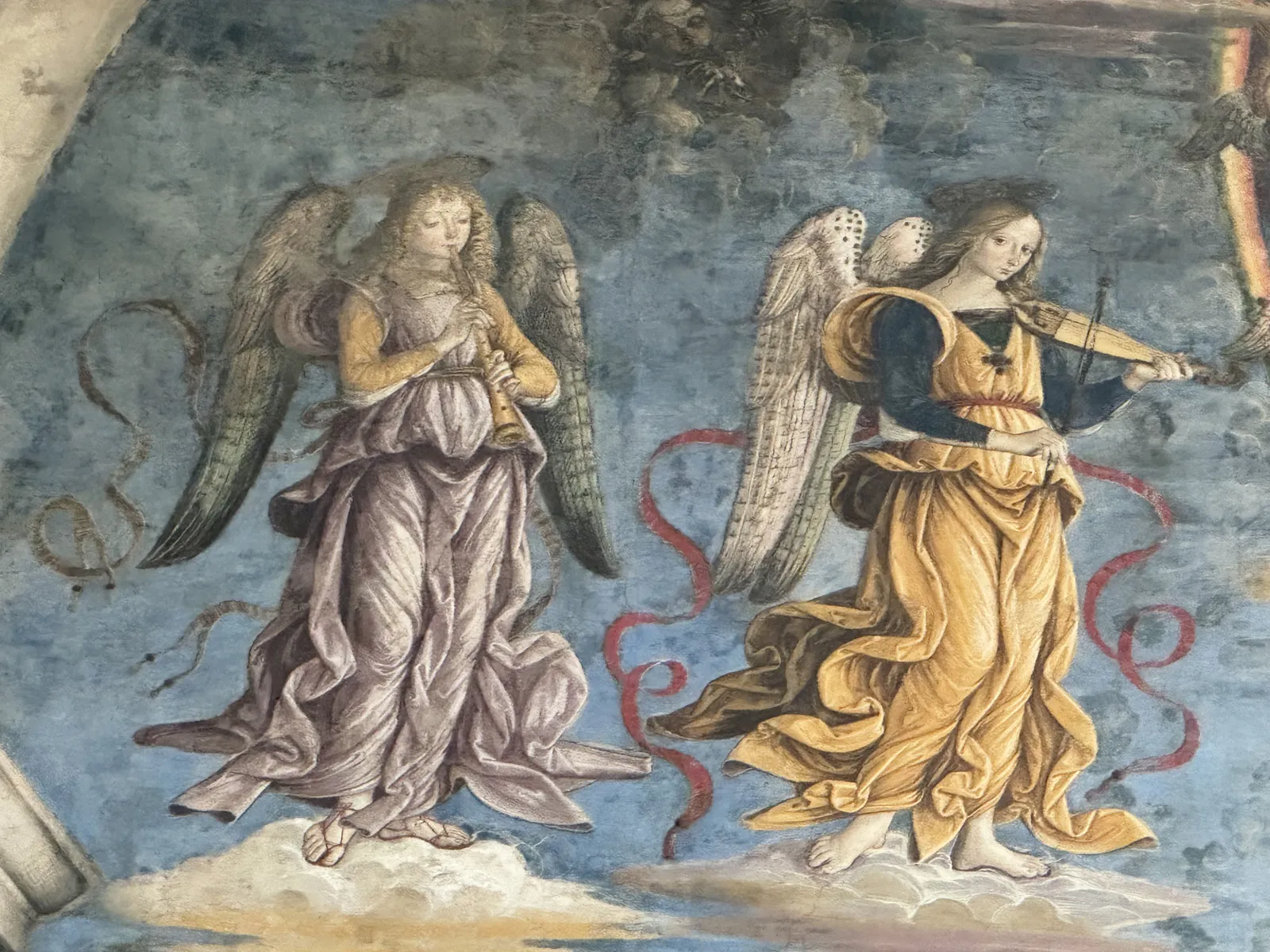
Musical Angels (detail)
Pinturicchio
In this detail (1484–86), Pinturicchio paints two angelic musicians, one playing a violin and the other a wind instrument. Floating on clouds, they contribute to the celestial harmony surrounding Christ in Majesty. The graceful movement of their garments reflects Pinturicchio’s refined sense of rhythm, light, and divine celebration.
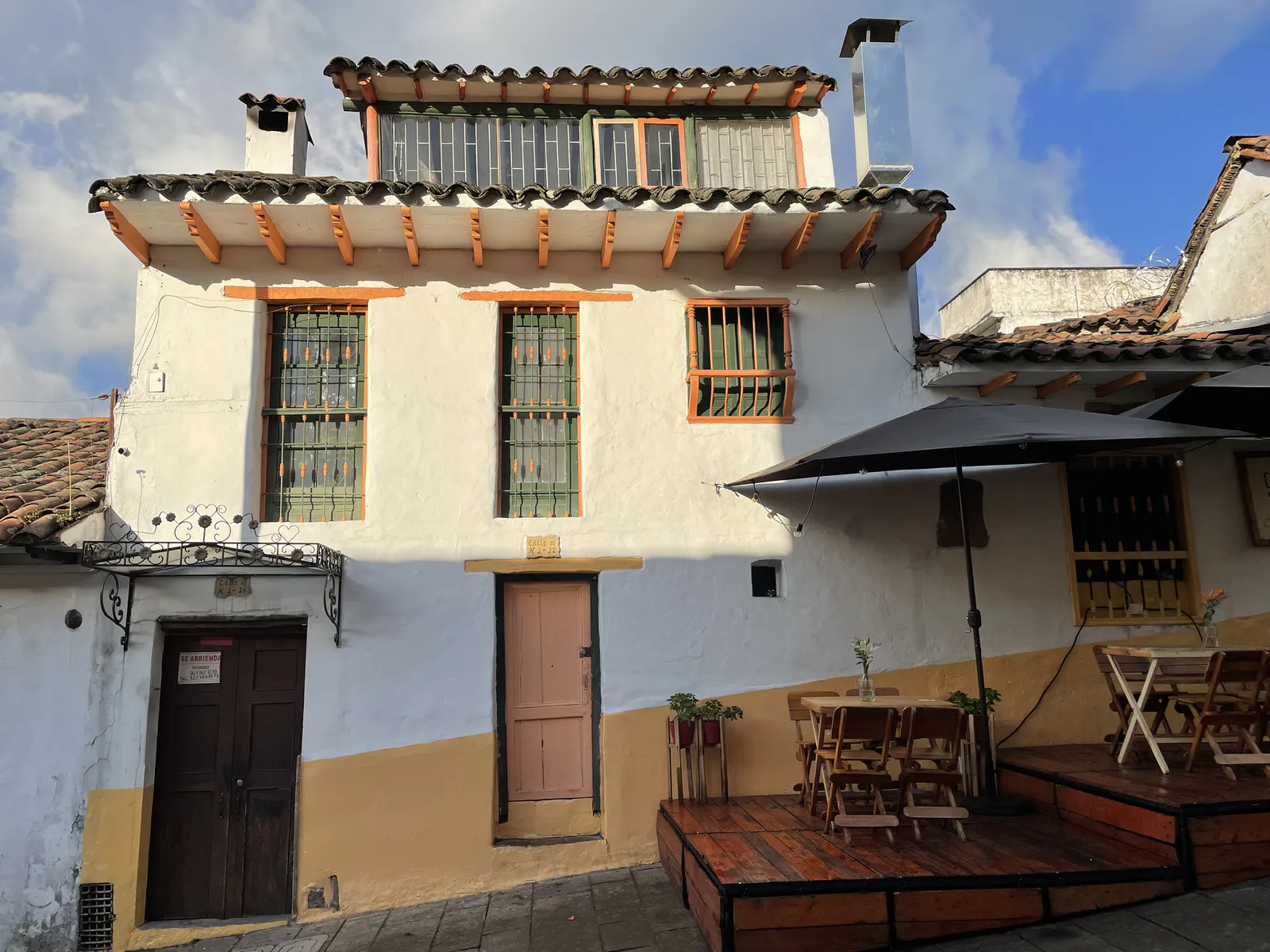
Traditional House with Café in La Candelaria
This colonial-era home in La Candelaria (17th c.)exemplifies Andean-Spanish vernacular architecture with its irregular windows, clay-tile roof, and green iron bars. The wooden platform and café tables reflect the area's transformation, where historic buildings now host bookstores, art spaces, and cafés. This blend of tradition and modernity highlights Bogotá's dynamic cultural evolution, illustrating how past and present coexist in urban creativity.
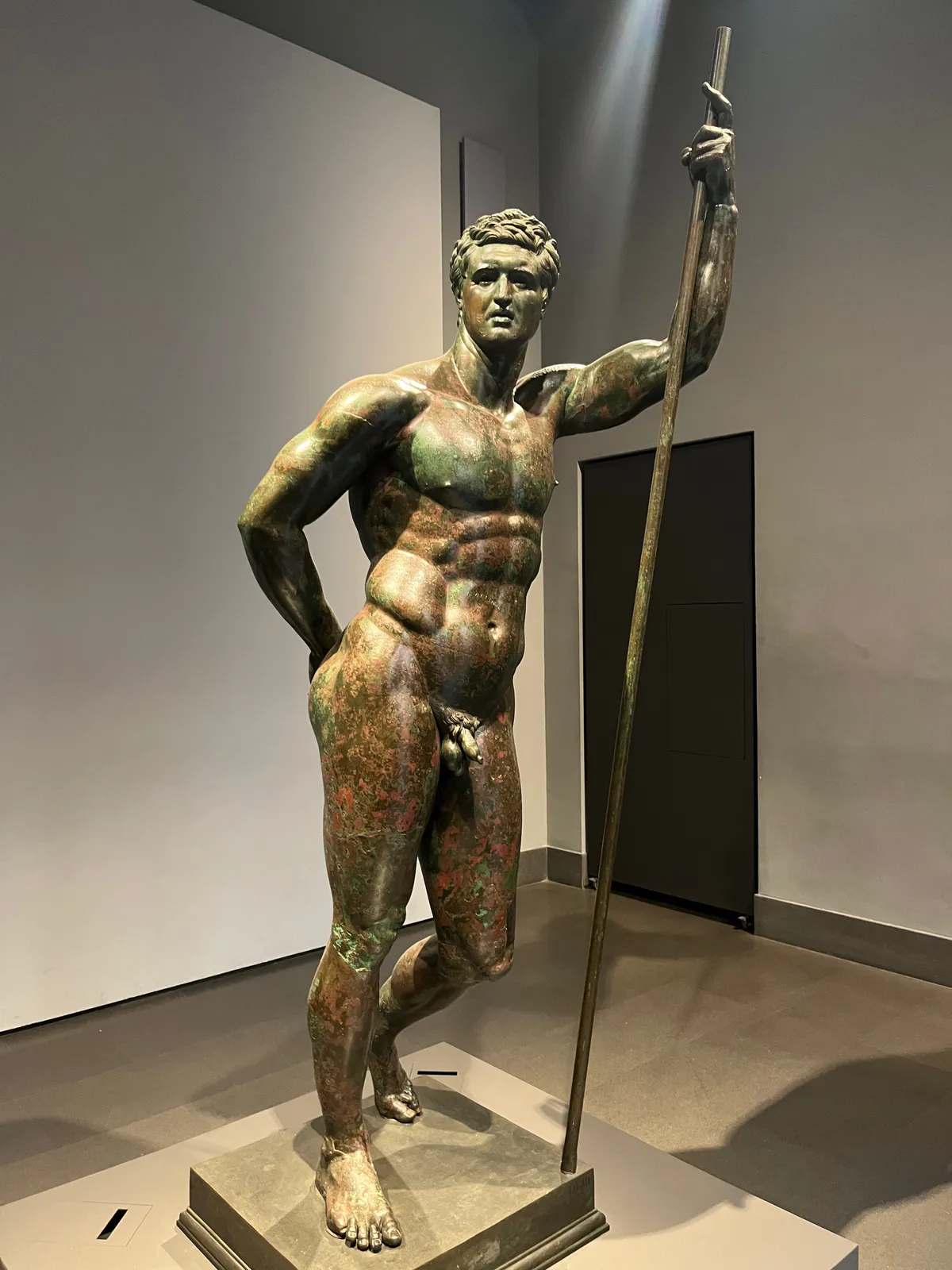
Bronze Youth with Spear
This Hellenistic bronze (2nd c. BC), found in Rome, shows a young man in heroic nudity, the visual language of leaders and demi-gods. His relaxed contrapposto, short beard, and athletic build recall works by Lysippos, sculptor of Alexander the Great. The spear (a modern replacement) completes the image of poised authority. Likely a prince or elite figure admired in Rome, the statue exemplified Greek idealism to Roman elite.
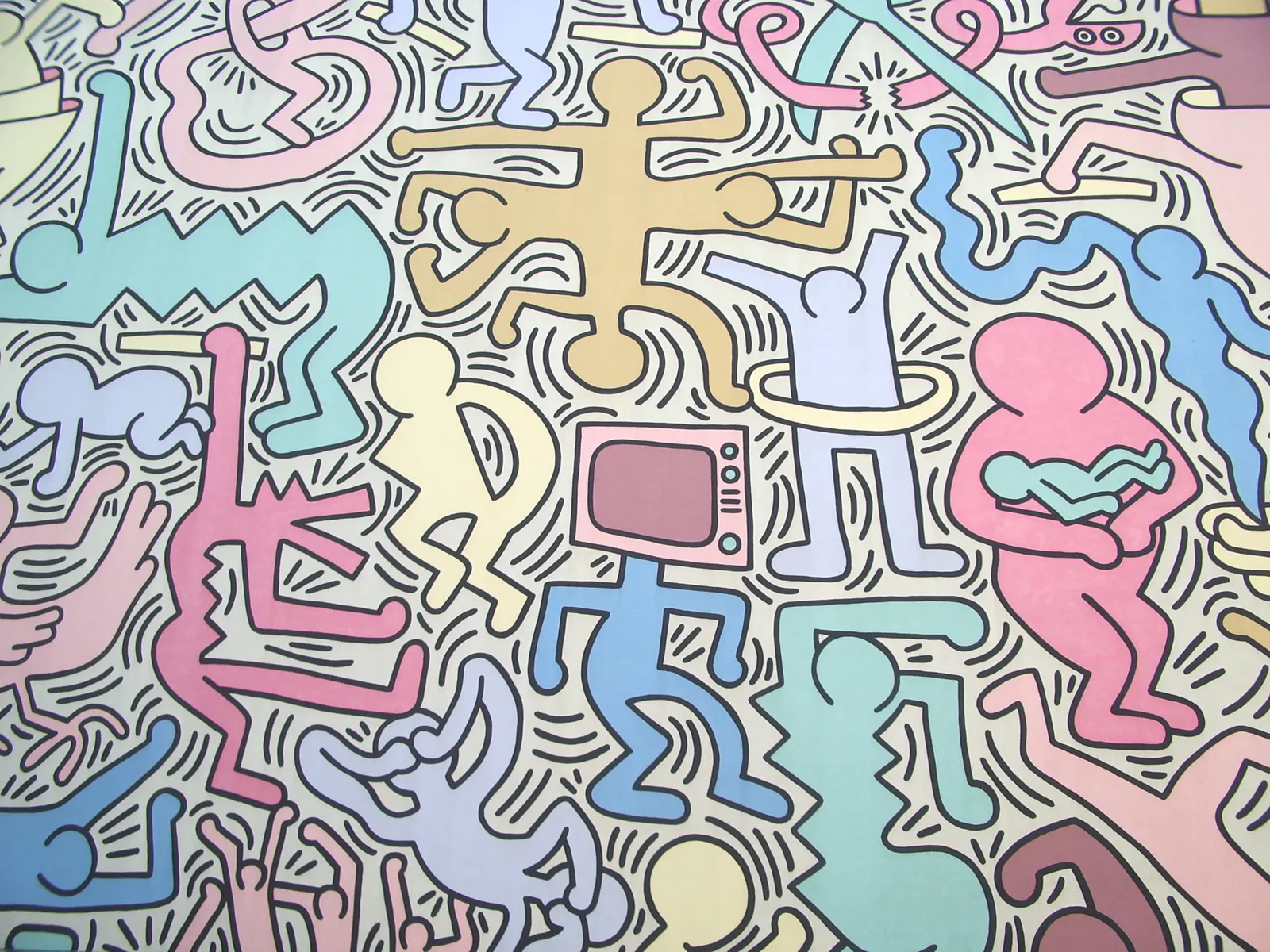
Tuttomondo
Keith Haring
This section of Tuttomondo (1989) showcases Keith Haring’s vibrant visual language with simplified human forms, radiant lines, and vivid colors in rhythmic harmony. The mural, painted in Pisa, celebrates peace and collective action, with each figure symbolizing a social or spiritual force working toward global unity. Haring’s work demonstrates the power of art to convey universal themes of cooperation and harmony.
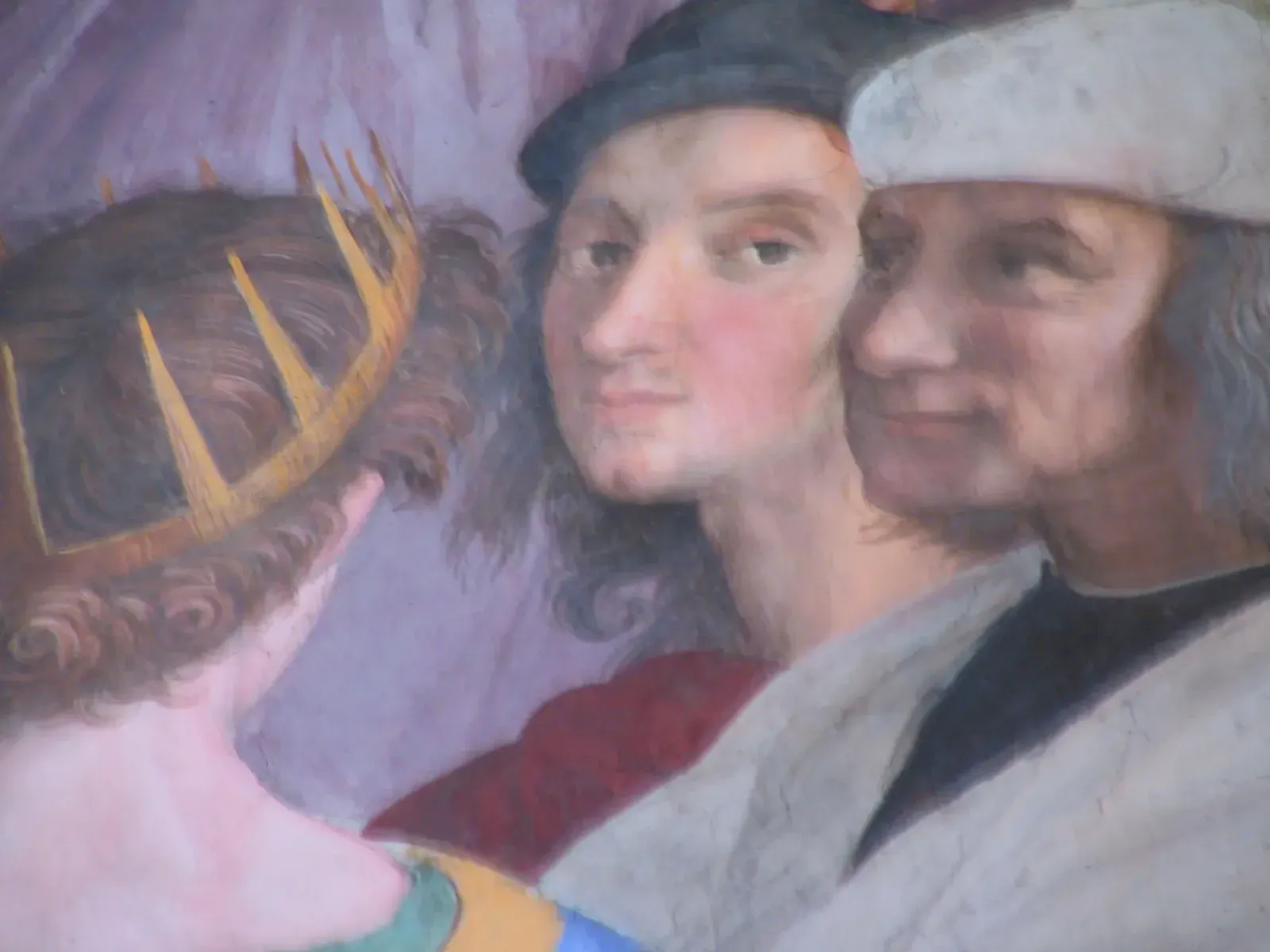
Raphael and Perugino (detail)
Raphael
This section of The School of Athens (1509-11) features a rare self-portrait of Raphael (center) alongside his teacher Perugino (right). Originating from the Italian High Renaissance, the work subtly inserts the artist into the legacy of classical knowledge, aligning painters with philosophers as bearers of intellectual ideals.
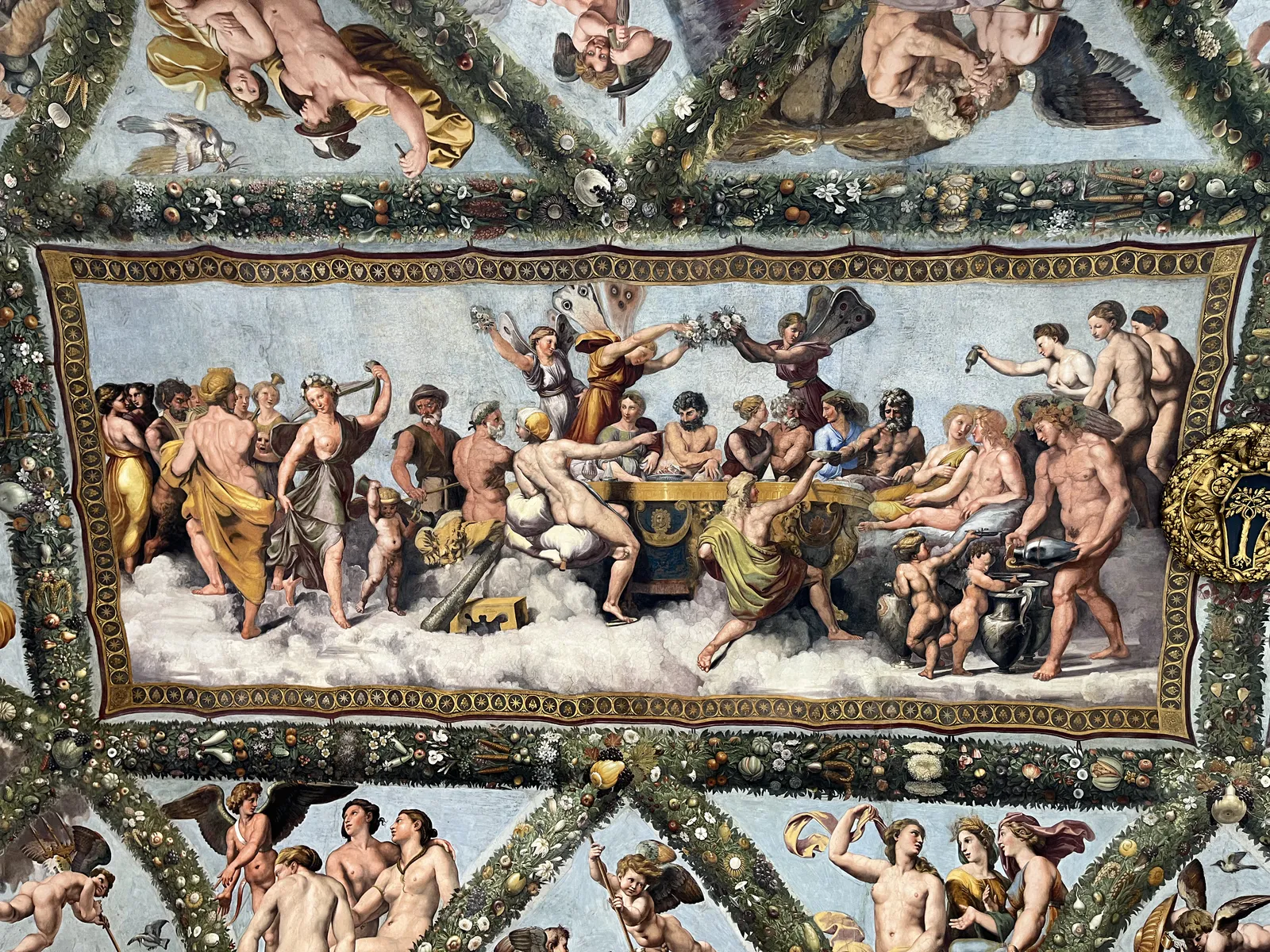
The Wedding Banquet of Cupid and Psyche
Raphael
In this grand fresco (1518), Raphael depicts the divine banquet celebrating the marriage of Cupid and Psyche. At the center, Jupiter and Juno preside; beside them sit Pluto, Persephone, Neptune, and Venus. Ganymede offers wine to Jupiter, while Bacchus (Dionysus), assisted by putti, pours wine at the right. The scene embodies divine harmony, joy, and the union of soul and love.
Puffed Star
Frank Stella
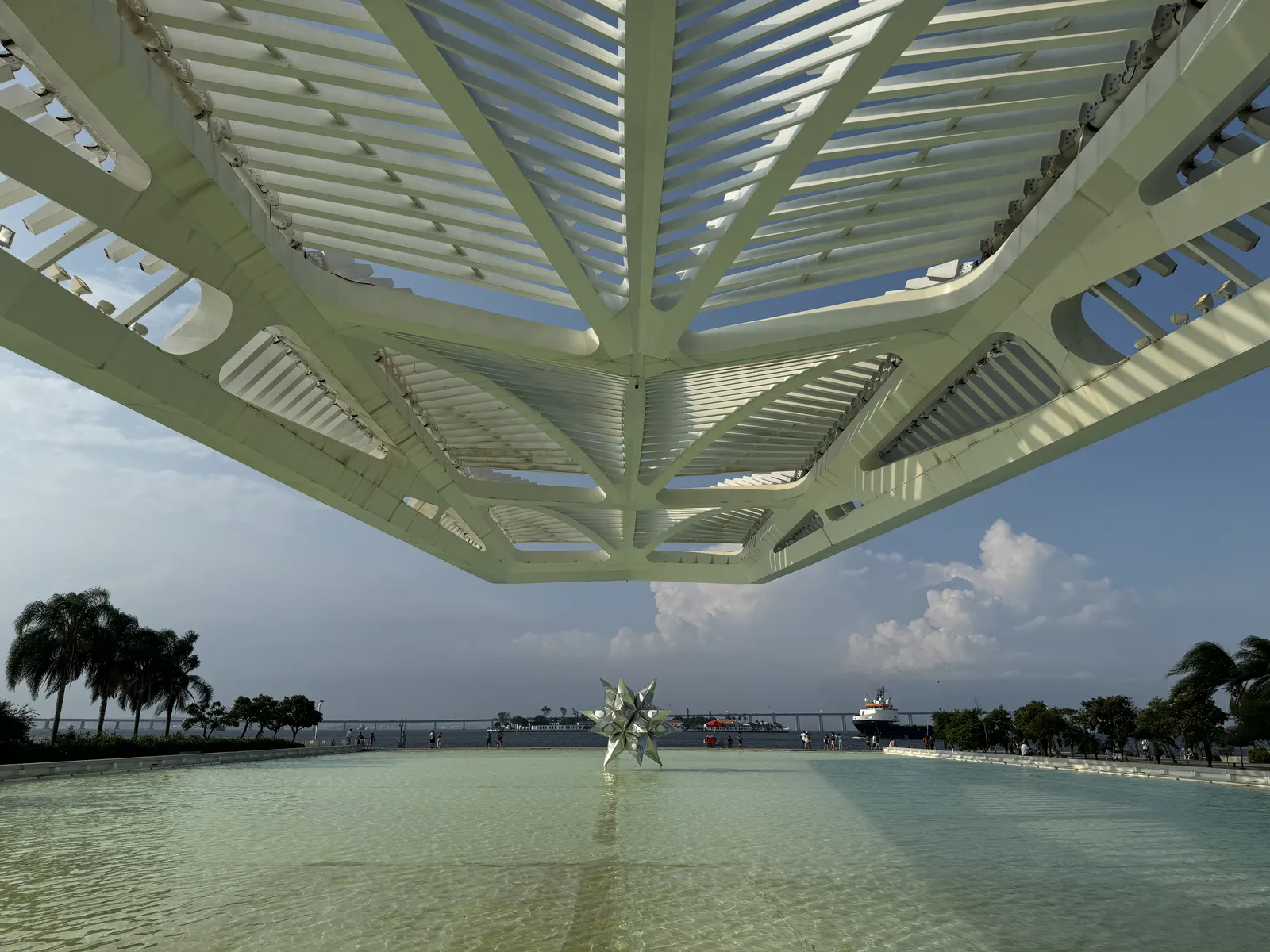
Installed before the Museum of Tomorrow in Rio de Janeiro (2016), this metallic sculpture by American artist Frank Stella dazzles with radiating points and mirrored planes. Its star-like form evokes cosmology and perception, inviting reflection on the interconnectedness of space, matter, and human imagination.
Thermopolium of Lucius Fullo and Lucius Placidus
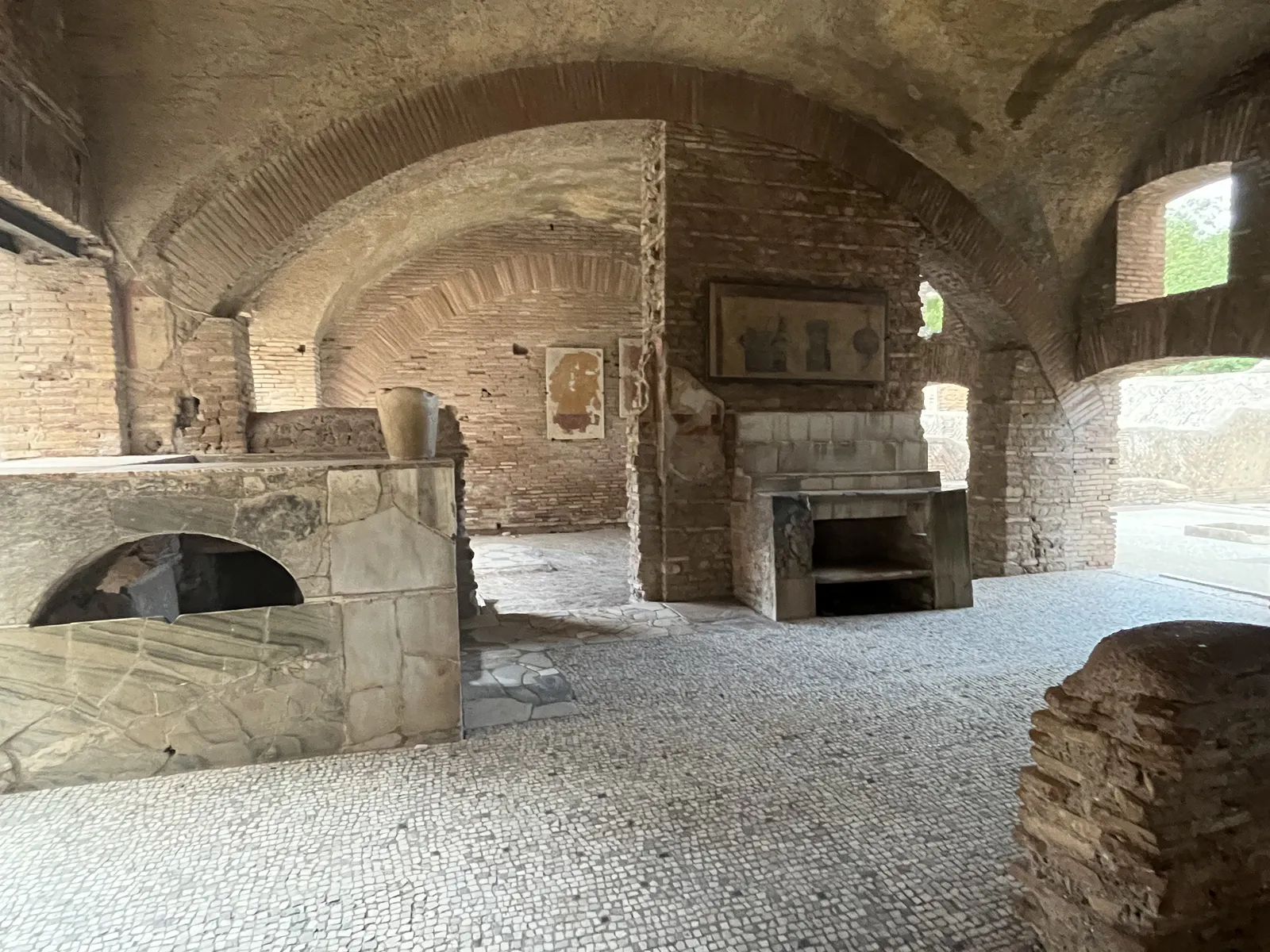
This thermopolium (2nd–3rd c.), or a hot food and drink bar, shows a marble-clad counter with built-in jars beside a painted wall panel depicting vessels that advertised the shop’s offerings. Its mosaic floor and brick vaulting accommodated heavy use as such establishments formed a key part of Ostia’s commercial and daily life.
Explore the world through my eyes: begin with the image below, the map, the dropdowns above, or the search button. Every photo includes a thoughtful caption.
Explore the world through my eyes: begin with the image below, the map, the dropdowns above, or the search button. Every photo includes a thoughtful caption.
When the path is beautiful, do not ask where it leads.
My travels have always been shaped by two intertwined forms of discovery. One is intellectual: learning why the world is the way it is. History became my guide, drawing me toward museums, old cities, architecture, and the layers of meaning carried by places. The other is emotional: the search for beauty, harmony, and moments of elevation, often found in nature, monasteries, and sacred spaces.
Together, these impulses shape how I travel, what I photograph, and how I interpret what I see. This site is my way of sharing that lifelong learning in visual form—one image at a time, with enough context to deepen curiosity and understanding. I hope these photographs leave you with a sense of wonder and a deeper feeling for the world.
Now let’s explore together.