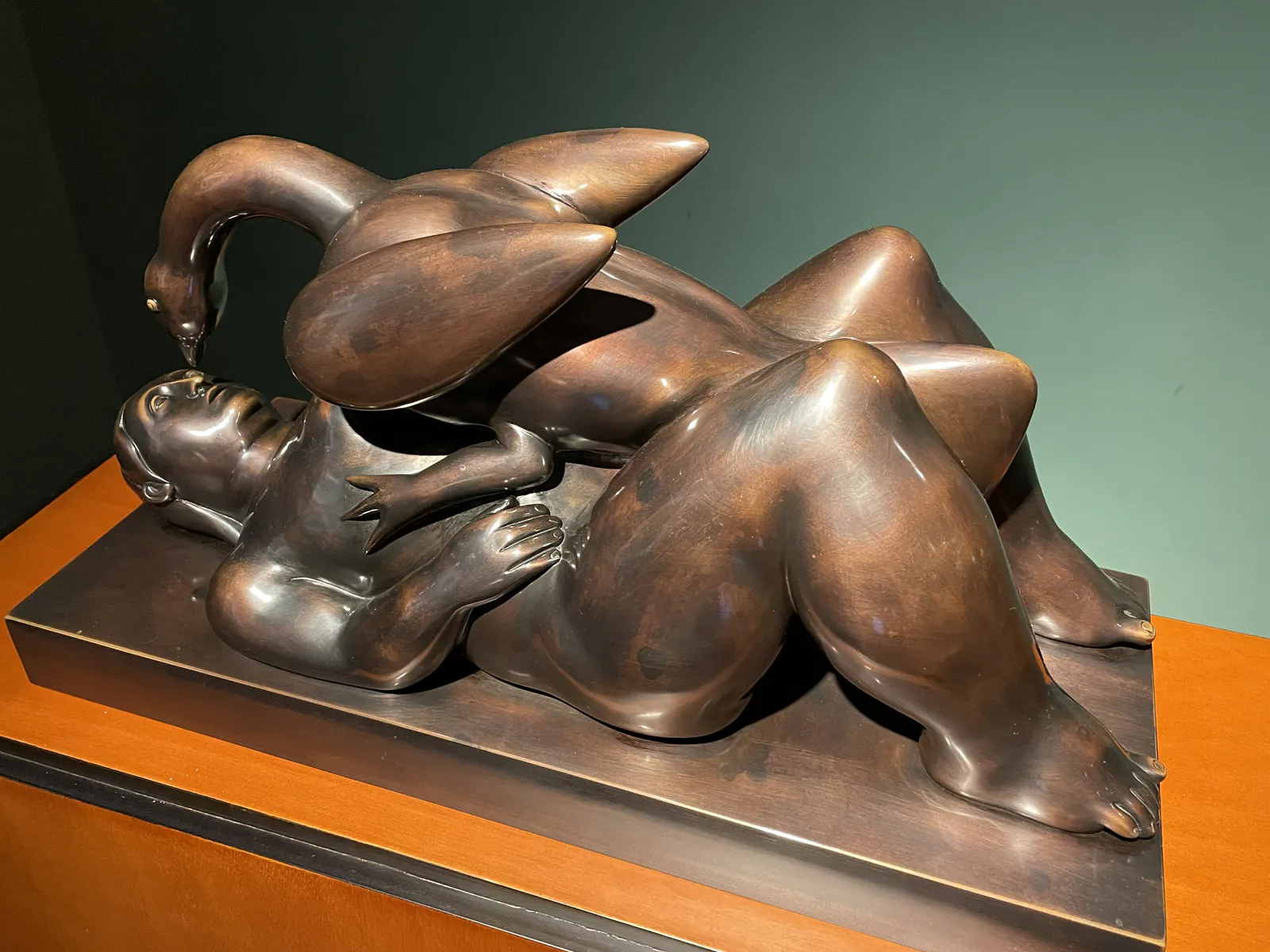
Leda and the Swan
Fernando Botero
This 1996 bronze sculpture reinterprets the myth in which Zeus, king of the gods, seduces or assaults Leda, Queen of Sparta, in the form of a swan. From their union, according to legend, were born Helen of Troy and other heroic figures. Botero’s voluptuous forms soften the myth’s violence, transforming it into a surreal, sensual tableau. His signature style invites reflection on desire, divinity, and the boundary between seduction and power.
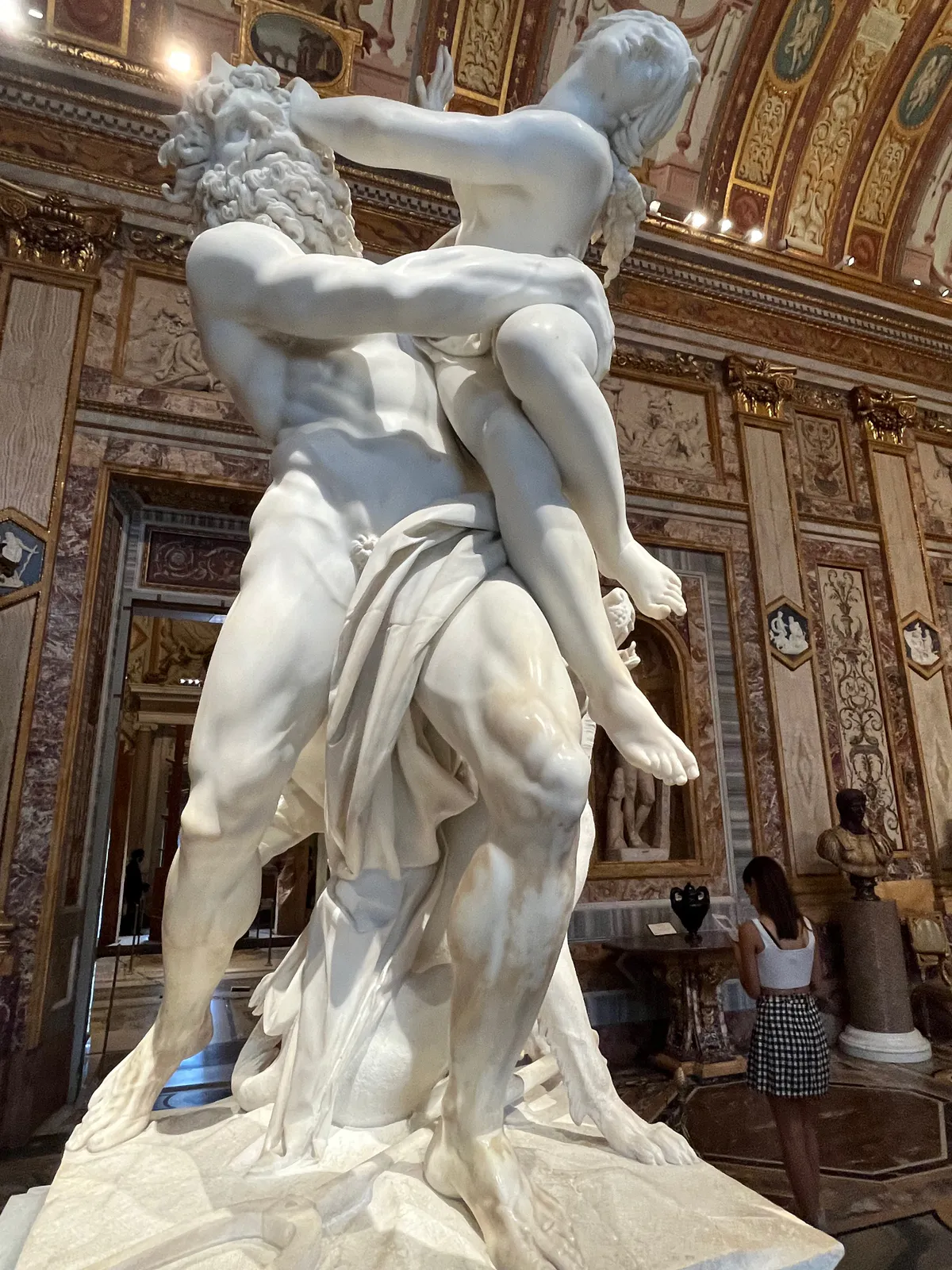
The Rape of Proserpina
Gian Lorenzo Bernini
From this angle, Bernini’s technical genius is apparent. Pluto’s gripping hands sink into Proserpina’s flesh with astonishing realism, turning marble into living form. The work (1621–22) stages emotional and physical tension at its peak, embodying the Baroque goal of stirring awe, drama, and pathos in a single breathtaking moment.
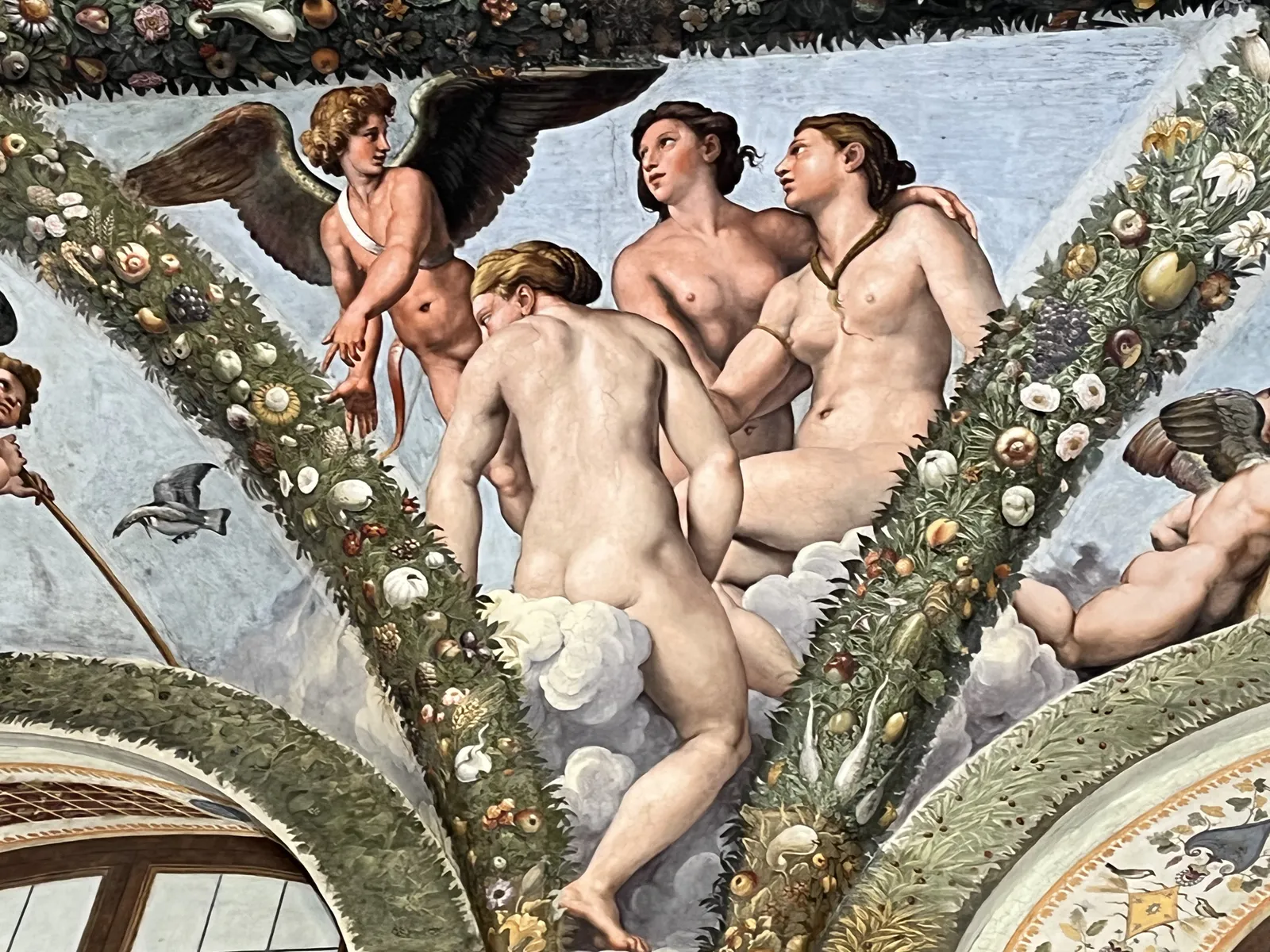
Cupid and the Three Graces
Raphael
In this fresco (1518), Raphael portrays Cupid with the Three Graces, who embody beauty, charm, and joy. The scene reflects the harmony of love and divine favor, integral to Psyche’s myth. Framed by Giovanni da Udine’s botanical festoons, it blends mythology with Renaissance ideals of grace and abundance.
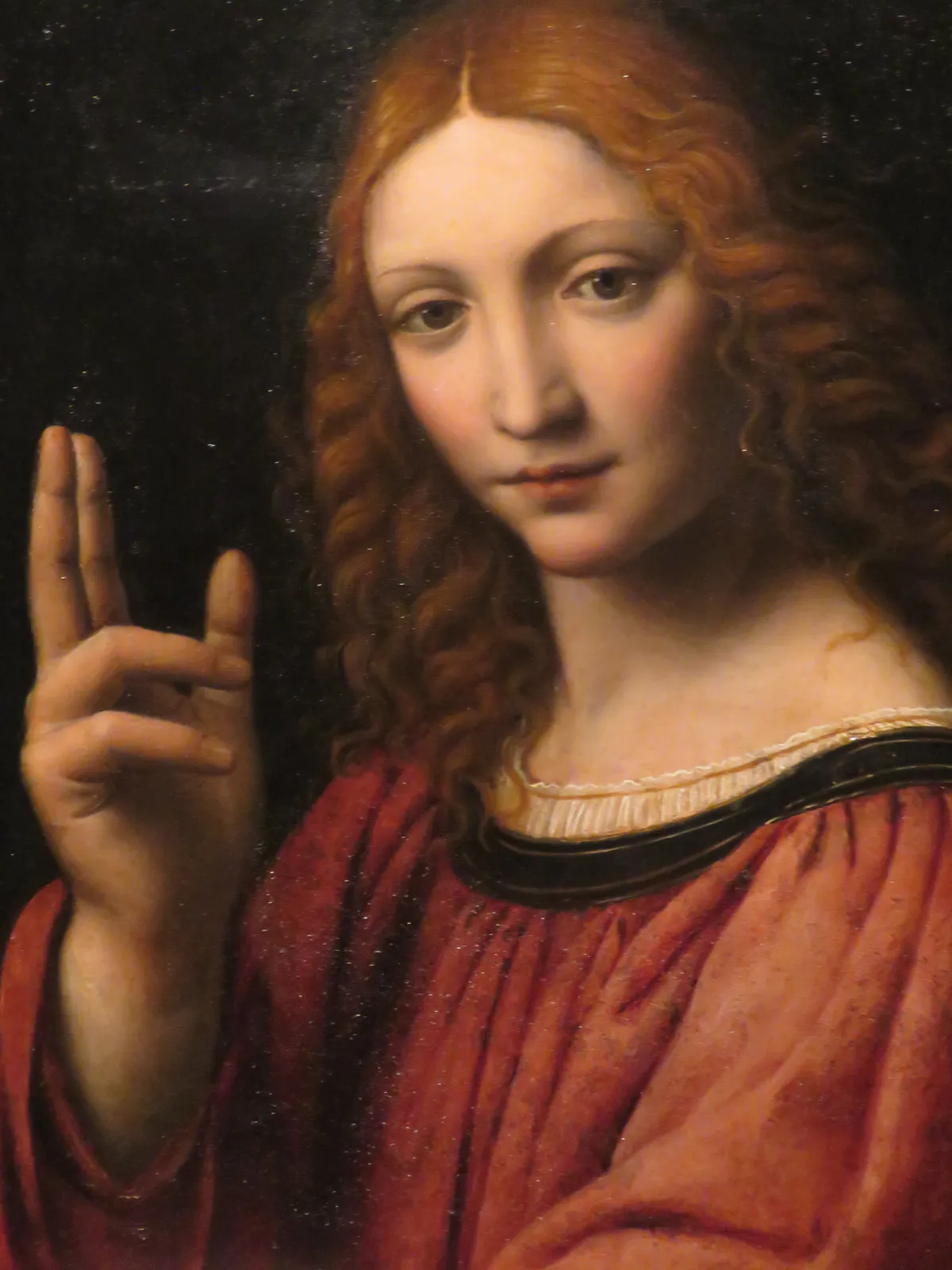
Christ Blessing
Bernardino Luini
In this serene image of Christ (c. 1520), Luini captures divine benevolence with a gentle gesture of blessing. The soft modeling of features, rich red garment, and delicate curls echo Leonardo da Vinci’s influence, yet Luini’s style emphasizes a tranquil spirituality. The raised hand unites authority with compassion, inviting personal devotion.
Apollo
Phidias
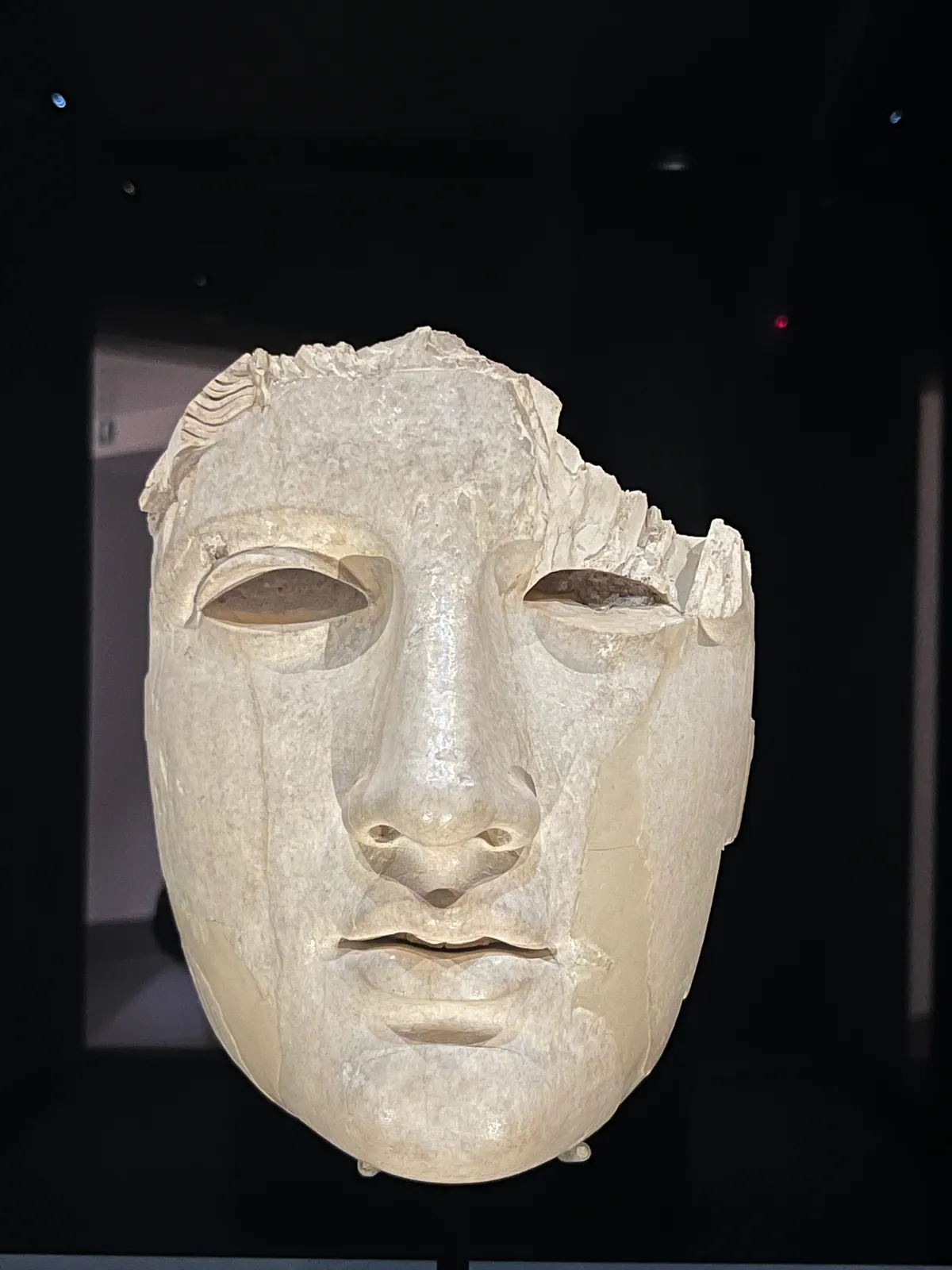
This ivory mask (5th c. BC) represents Apollo-Greek god of light, music, and prophecy-and once belonged to a chryselephantine statue (a prestigious cult image of ivory and gold). Attributed to Phidias, the master sculptor of classical Greece, it is an exceptionally rare survival of this luxury art form. Looted in 1995 and recovered in 2003, it now serves as both a rare survival of luxury cult sculpture and a reminder of ongoing threats to archaeological heritage.
Carnival of Mexican Life (detail)
Diego Rivera
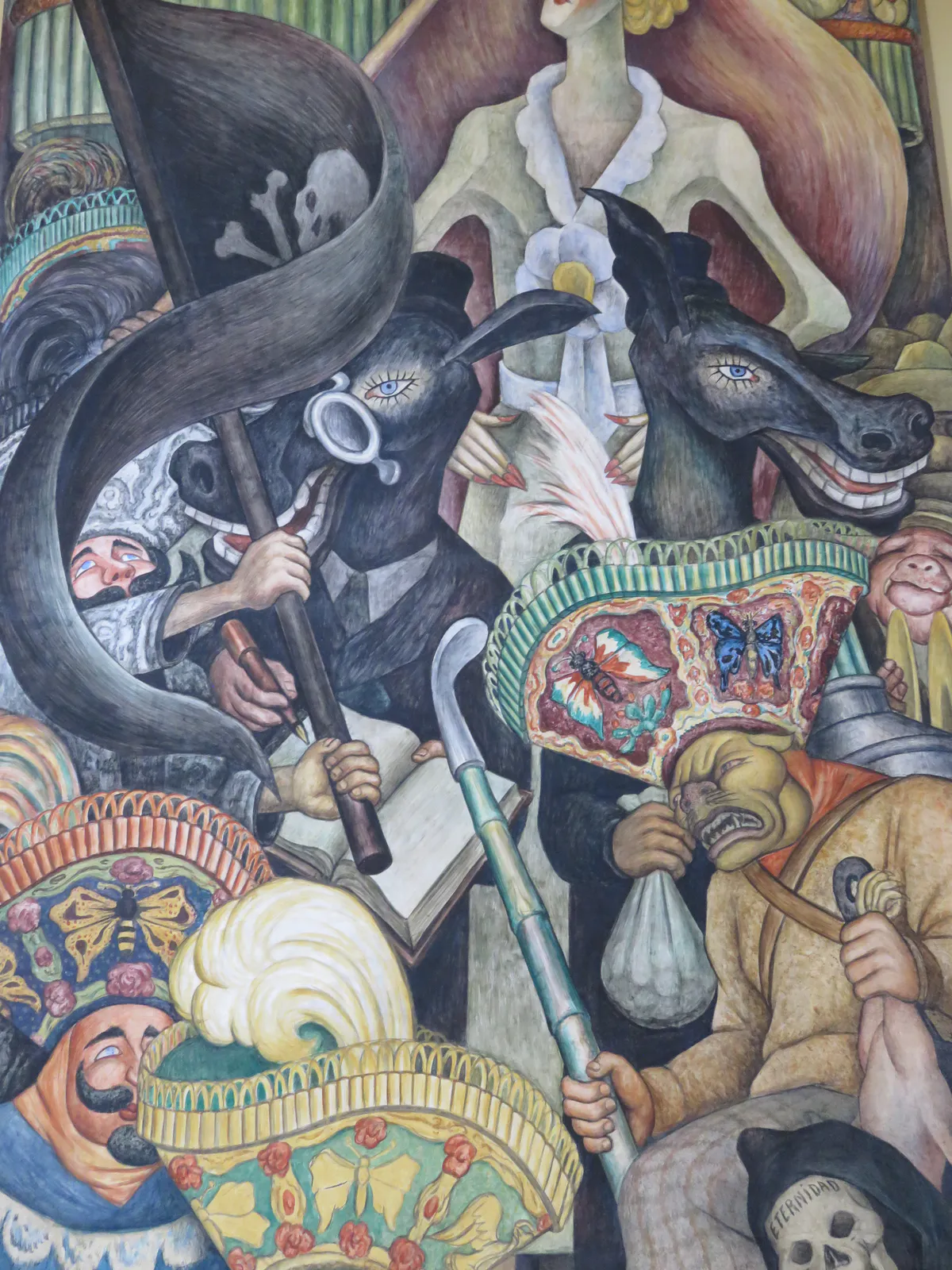
This scene from Carnival of Mexican Life (1936) mocks imperial and capitalist excess. Donkey-headed elites, masked peasants, and a skull-emblazoned flag form a surreal parade of corruption and resistance. Drawing on the Carnival of Huejotzingo, Rivera fuses satire, folk ritual, and political critique to expose social hypocrisy.
The Wedding Banquet of Cupid and Psyche
Raphael
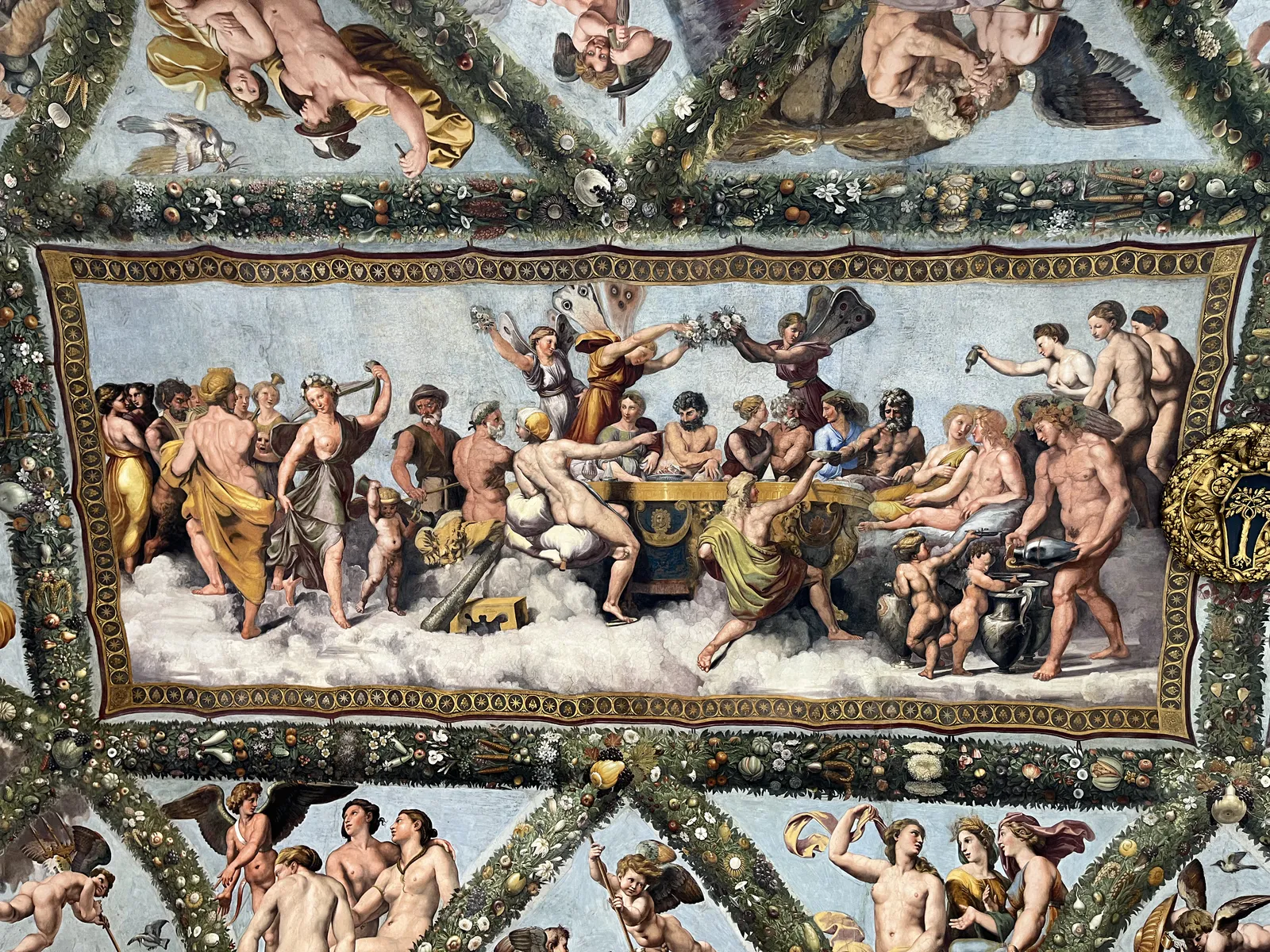
In this grand fresco (1518), Raphael depicts the divine banquet celebrating the marriage of Cupid and Psyche. At the center, Jupiter and Juno preside; beside them sit Pluto, Persephone, Neptune, and Venus. Ganymede offers wine to Jupiter, while Bacchus (Dionysus), assisted by putti, pours wine at the right. The scene embodies divine harmony, joy, and the union of soul and love.
The Rape of Proserpina
Bernini
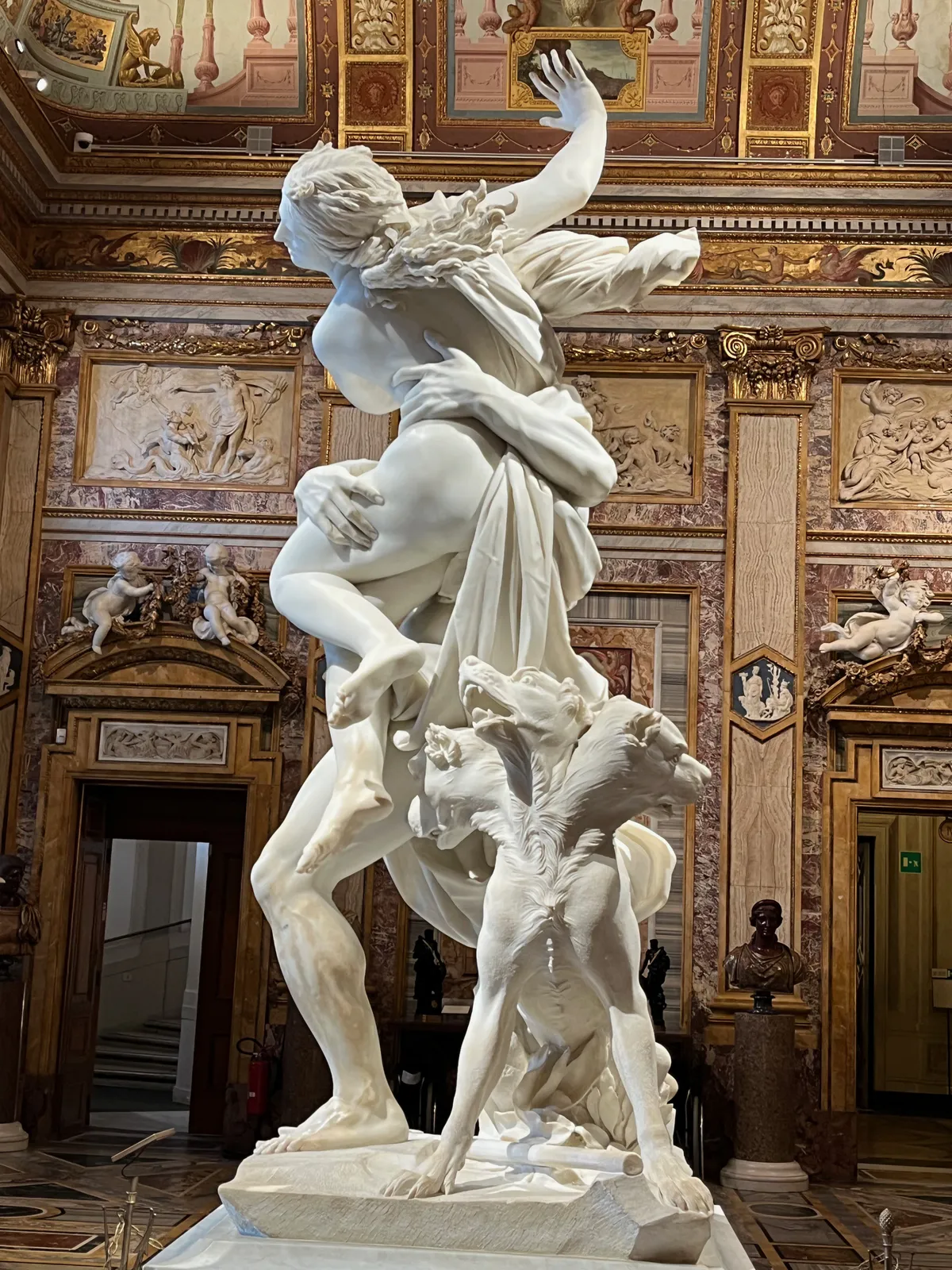
This angle captures the emotional arc of Proserpina’s resistance as she twists away from Pluto’s grasp. Her outstretched arm and flowing hair dramatize the violence of the abduction. Cerberus, the infernal hound, reinforces the mythological setting, while the composition’s spiral motion showcases Bernini’s virtuosity in carving living flesh from marble.
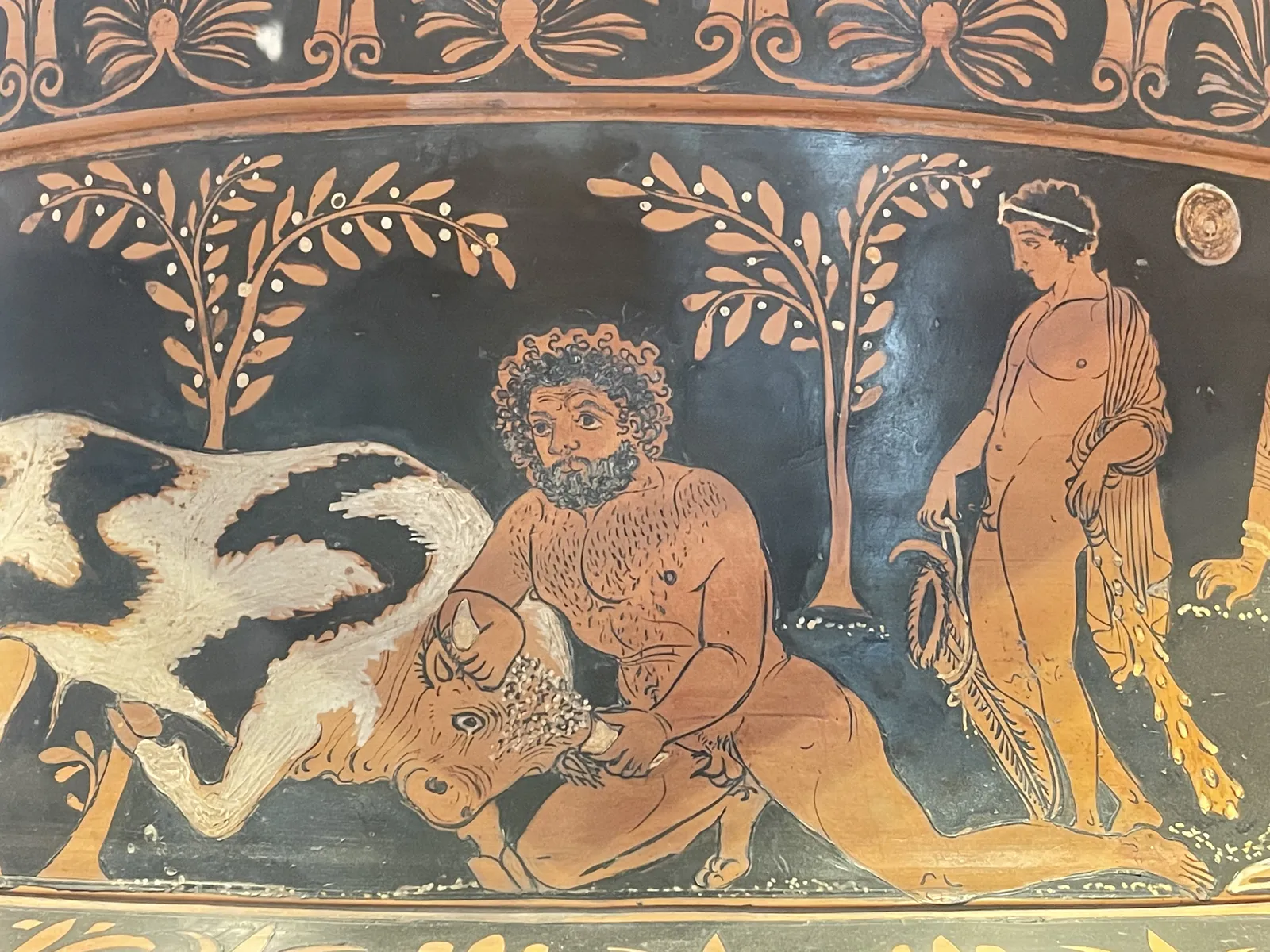
The Capture of the Cretan Bull
Lycungus Painter
Heracles grapples with the Cretan bull, locking its horns as the animal lunges, while Athena and a youthful attendant stand calmly among stylized trees. The scene represents his seventh labour, subduing the bull sent by Poseidon after King Minos withheld a promised sacrifice. This Apulian red-figure volute krater (mixing bowl) (360–345 BC) reflects South Italian interest in myth as a drama of human strength under divine supervision.
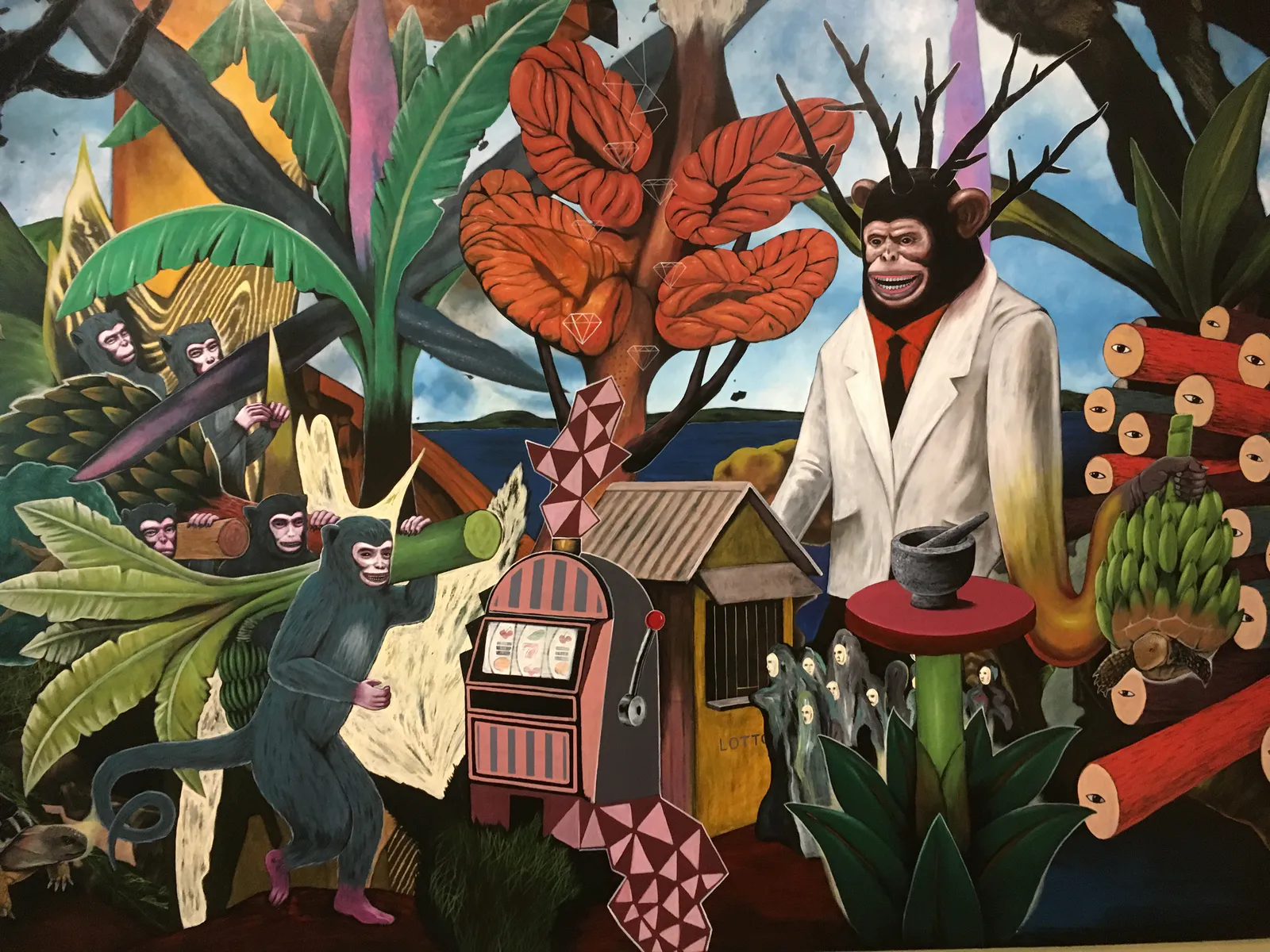
Instant Gratification
Rodel Tapaya
This work (2018) reinterprets the Filipino fable of The Monkey and the Turtle, placing its lesson within a crowded jungle of gambling stalls and restless figures. Monkeys embody the tale’s impatience and hunger for quick gain, while a small turtle-the steady effort outlasts reckless desire. Log piles, patterned trunks, and theatrical foliage frame a world driven by instant gratification and easy profit. Tapaya adapts indigenous storytelling to expose modern cycles of greed.
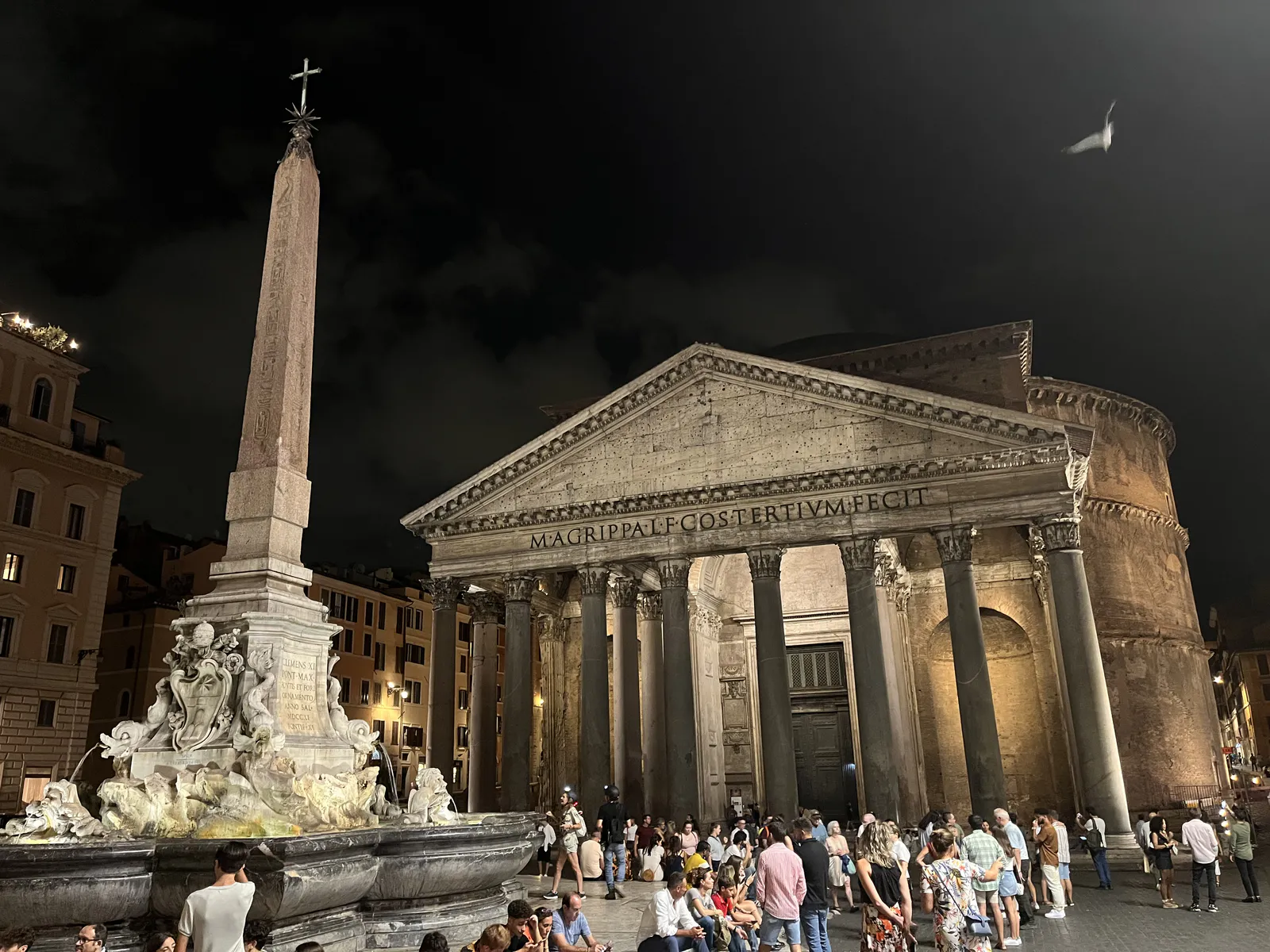
Pantheon with Macuteo Obelisk and Fountain
Filippo Barigioni
The Pantheon’s façade (118–125 AD), built under Emperor Hadrian, preserves Agrippa’s earlier inscription (M·AGRIPPA·L·F·COS·TERTIVM·FECIT - Marcus Agrippa, son of Lucius, consul for the third time, built this). Before it stands the Macuteo Obelisk from Egypt (rededicated here in 1711) and the Baroque fountain by Filippo Barigioni (1711), blending imperial Rome, Christian Rome, and papal urban renewal into one historic vista.
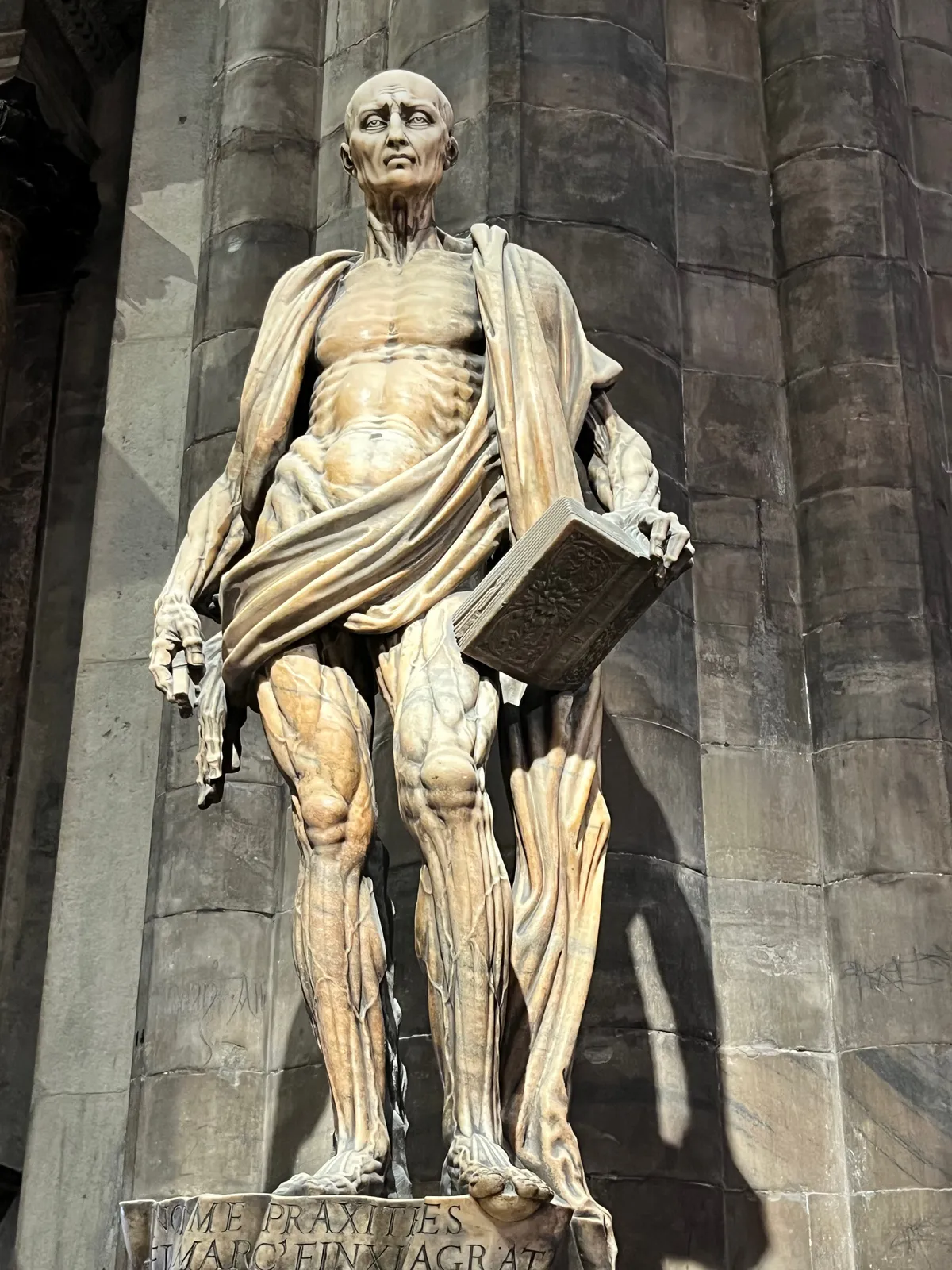
St Bartholomew Flayed
Marco d’Agrate
This haunting statue of Saint Bartholomew (1562) shows the martyr after being skinned alive, wearing his own flayed skin like a cloak. The anatomical precision reveals a Renaissance fascination with the human body, while the calm expression evokes spiritual endurance beyond physical torment.
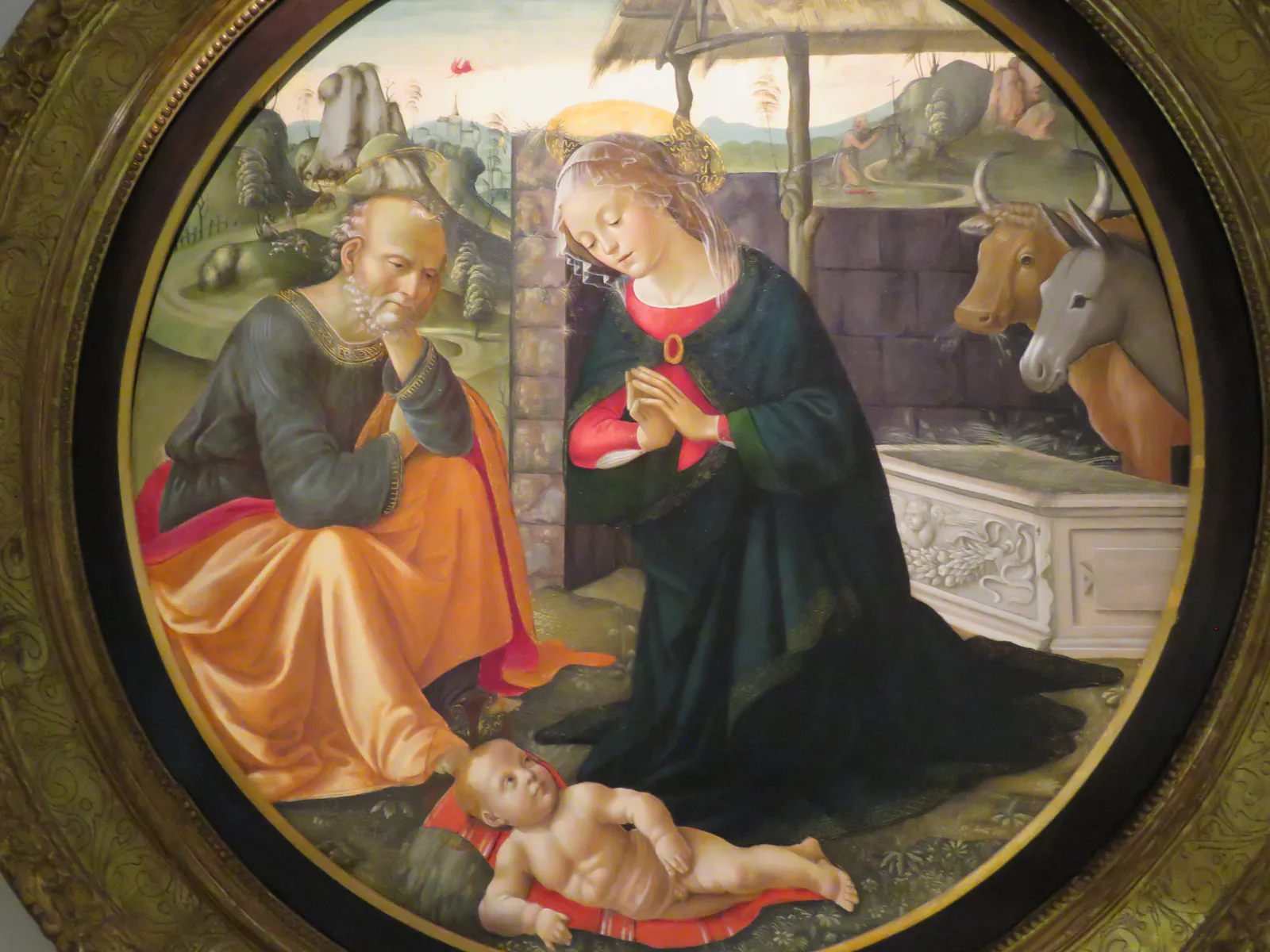
Adoration of the Christ Child
Workshop of Domenico Ghirlandaio
This tondo (c. 1485–1490) shows Mary and Joseph adoring the infant Christ, lying humbly on the earth. The sarcophagus-like manger prefigures his Passion, while the ox and donkey fulfill Isaiah and Habakkuk’s prophecy of animals recognizing the Lord. The scene binds intimacy, humility, and cosmic redemption.
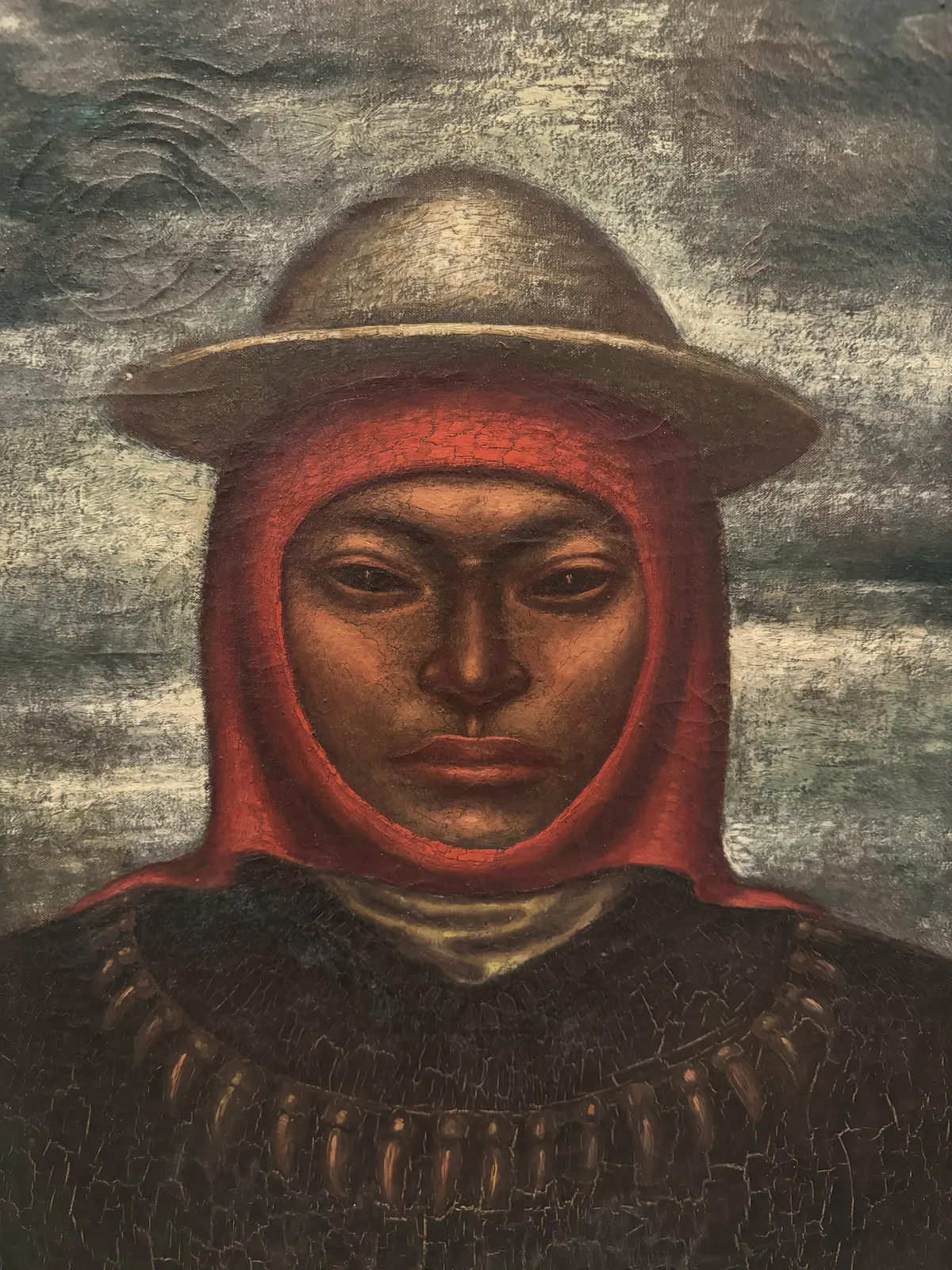
Portrait of Indigenous Person
Luis Alberto Acuña
This striking 1934 oil painting reflects the artist’s deep engagement with indigenous identity and pre-Columbian heritage. The stoic, symmetrical face, wrapped in a red hood beneath a wide-brimmed hat, evokes dignity and resilience. Acuña, a key figure in Colombian modernism, often highlighted native ancestry as a counter-narrative to Eurocentric ideals.
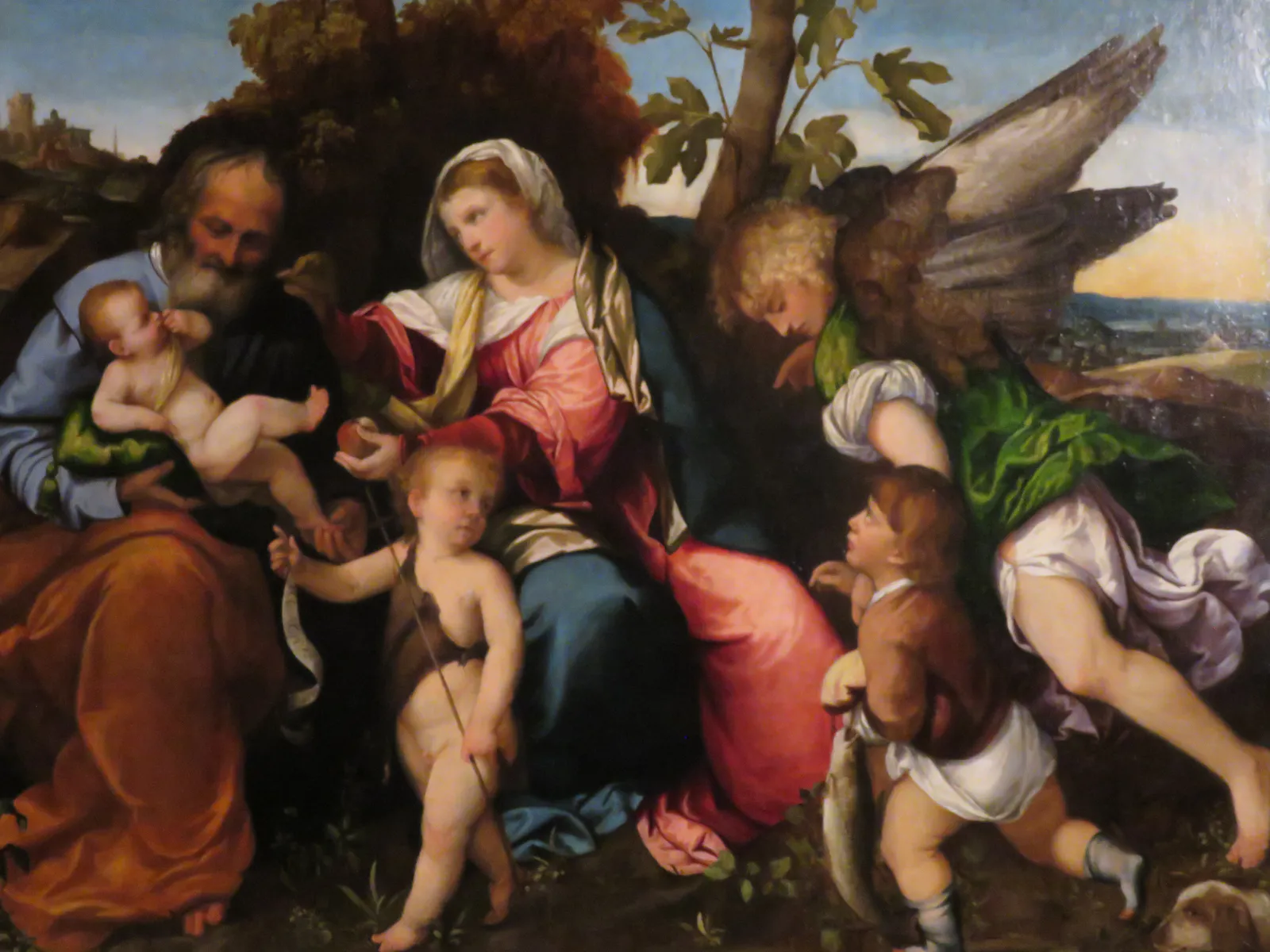
The Holy Family with Sts. Francis, Anthony, Magdalene, John and Elizabeth
Bonifazio Veronese
This oil on canvas (1525–27) shows the Holy Family seated outdoors, with Mary offering fruit to the Christ Child held by Joseph. At their side stand the young Saint John the Baptist and the Archangel Raphael guiding Tobias, who carries a fish. The combination of figures from different episodes may connect to Renaissance interest in linking domestic piety with protective intercession.
“When the path is beautiful, do not ask where it leads.” — Zen proverb
Welcome to my travel photography!
“When the path is beautiful, do not ask where it leads.” — Zen proverb
Welcome to my travel photography!
For as long as I can remember, my path has been one of discovery—seeking beauty, timelessness, and connection in every corner of the world. It has also been a journey of deep learning and understanding. I’ve been an avid traveler (or perhaps a travel addict?) for most of my life. My love for travel began long before I ever left home: as a child, I drew a fantasy map of my grandparents’ apartment and “traveled” through it with my cousin Sonya, imagining adventures in every corner. Nearly 90 countries and countless moments of awe later, I’m excited to share this journey with you.
Thanks to the tireless and ingenious programming of Diagilev, we’re now able to present about fifteen percent of the images I’ve accumulated over the years. More will be released in small batches depending on your interest. While the first release leans toward museum photography, later ones will include more nature, architecture, culture, and general travel experiences. If you’d like to receive email notifications about new releases, feel free to reach out—no commercial use, ever.
Throughout my travels, I’ve been drawn to two intertwined kinds of discovery. One is intellectual: learning why the world is the way it is. History became my guide, shaping my perspective and filling my camera roll with museums and old buildings. To me, history is not the past—it is the key to understanding the present and how the world became what it is. The other is emotional: seeking moments of elevation—spirituality, beauty, harmony—often found in nature, monasteries, and ancient sacred spaces. Together, these impulses shape my photography. It invites you to learn, admire, and soar—to rise above the mundane and see the world through a lens of curiosity and wonder.
Much of my later travel became possible thanks to my job with Delta Air Lines, but the wanderlust began years earlier. By the time I joined the industry, I had already visited over 35 countries and lived in several—largely thanks to a backpacking journey around the world with Luis León, whose face appears in many early photos. I grew up in Ufa in the USSR, and since leaving it I have lived, studied, and worked in Latvia, the United States, France, South Korea, Canada, Spain, Italy, Brazil, Japan, and Colombia.
A life of near-constant movement may seem a little crazy, but it has deepened my understanding of the world and produced the photography you are about to see. Over the years, my style has evolved—more intentional, more refined—yet its core remains the same: a search for understanding, timeless beauty, and a connection to those who walked this earth long before us.
I hope these photos stir something in your soul, just as they did in mine. I’d love to hear from you—whether reactions, suggestions, corrections, or a request to be added to the email list for new releases (no commercial use, I promise). You can learn more about my travels here, and my academic life here.
Enjoy our shared journey!