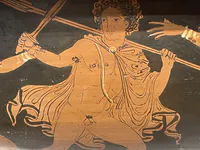
Pentheus Attacked by Bacchic Women
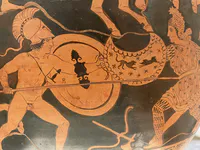
Greek Warrior and Amazon in Combat
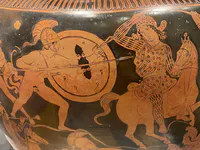
Achilles Battles Penthesilea
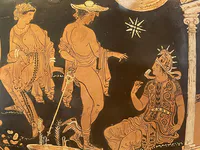
Orestes and Apollo at Delphi
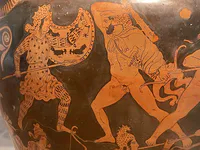
Herakles Fighting an Amazon
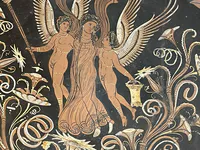
Aphrodite Carried by Winged Erotes
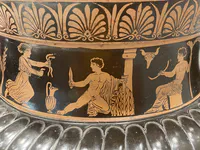
Orestes Pursued by the Furies
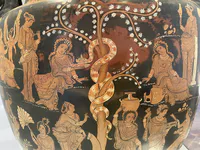
The Garden of the Hesperides
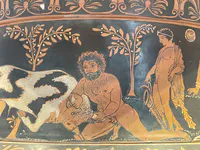
The Capture of the Cretan Bull
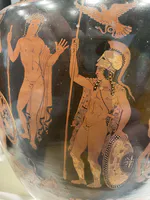
Zeus and Warrior on a Krater
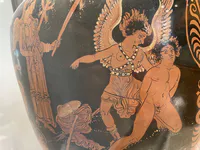
Punishment of Pirithous
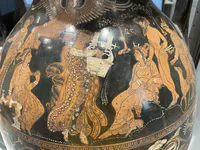
Apollo and Marsyas Contest Scene
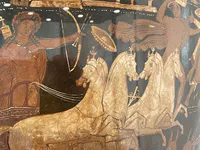
Apollo and Artemis Avenging Leto
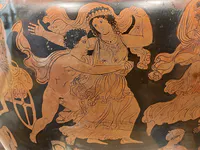
Peleus Abducting Thetis
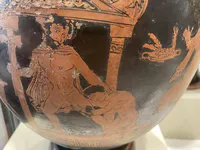
Lycurgus Killing His Son in Madness
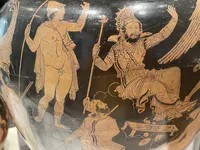
Jason and the Argonauts Rescuing Phineus
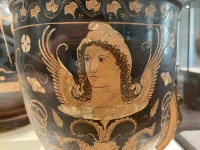
Adonis and the Goddesses
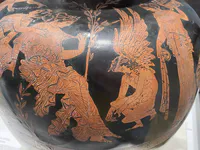
The Unveiling of the Bride
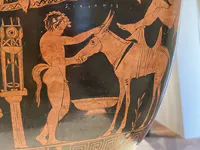
Silenos Riding a Donkey
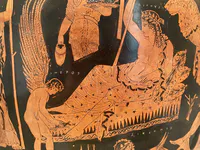
Dionysus and the Dance of Desire
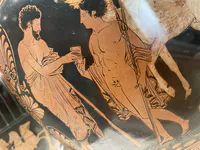
Heracles and the Golden Cup
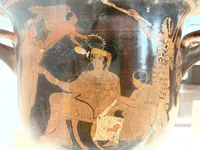
Helen Adorned by Attendants
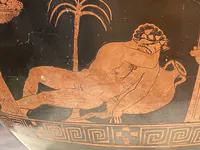
Drunken Satyr
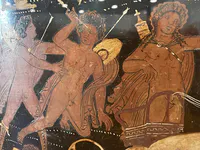
Niobids in Flight and Death
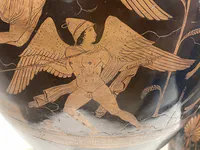
Boreads Chasing Harpies
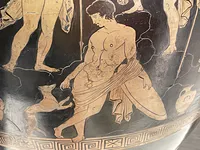
Hunter and Hound
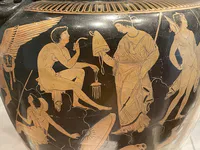
Jason Receives the Magic Helmet
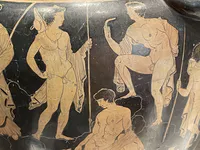
The Argonauts in Council
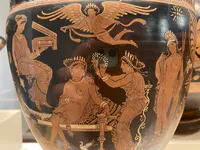
Nuptial Lebes of Helen and Paris
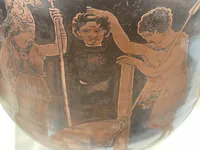
Perseus Defeats Medusa
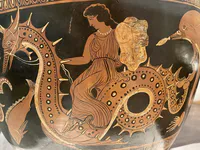
Thetis and the Nereids Bring Achilles’ Arms
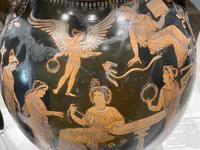
Love Spell with an Iynx Wheel
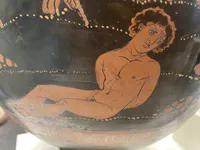
Theseus Captive in the Underworld
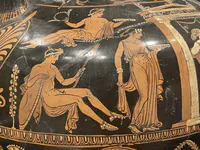
Banqueters
Swabian Castle of BariCastello Svevo di Bari
Bari (known as the Roman town of Barium by the 3rd c. BC) is often perceived as Apulia’s pragmatic capital: less polished than Italy’s showcase cities, yet quietly assured as a working gateway to the Adriatic. Arrival feels maritime and direct—bright seafront light, ferries, traffic—before the sudden compression of the old town’s pale stone lanes, where daily life runs close to the walls. Near the water, Castello Svevo stands like stern punctuation, a fortress that makes the city feel both open to routes and alert to them.
Successive powers in southern Italy left Bari with an identity shaped by control as much as commerce, and the castle’s Norman origins and later rebuilding under Frederick II still read as architecture of authority rather than display. Today the city balances port labor, administration, and a steady flow of visitors without turning into a stage set; street-level sociability remains the dominant texture, and food tends toward direct, unfussy flavors. In the castle’s courtyards and vaulted rooms, now used for exhibitions, Bari’s layered past stays in circulation instead of being sealed behind its walls.
Successive powers in southern Italy left Bari with an identity shaped by control as much as commerce, and the castle’s Norman origins and later rebuilding under Frederick II still read as architecture of authority rather than display. Today the city balances port labor, administration, and a steady flow of visitors without turning into a stage set; street-level sociability remains the dominant texture, and food tends toward direct, unfussy flavors. In the castle’s courtyards and vaulted rooms, now used for exhibitions, Bari’s layered past stays in circulation instead of being sealed behind its walls.
Explore by type and place