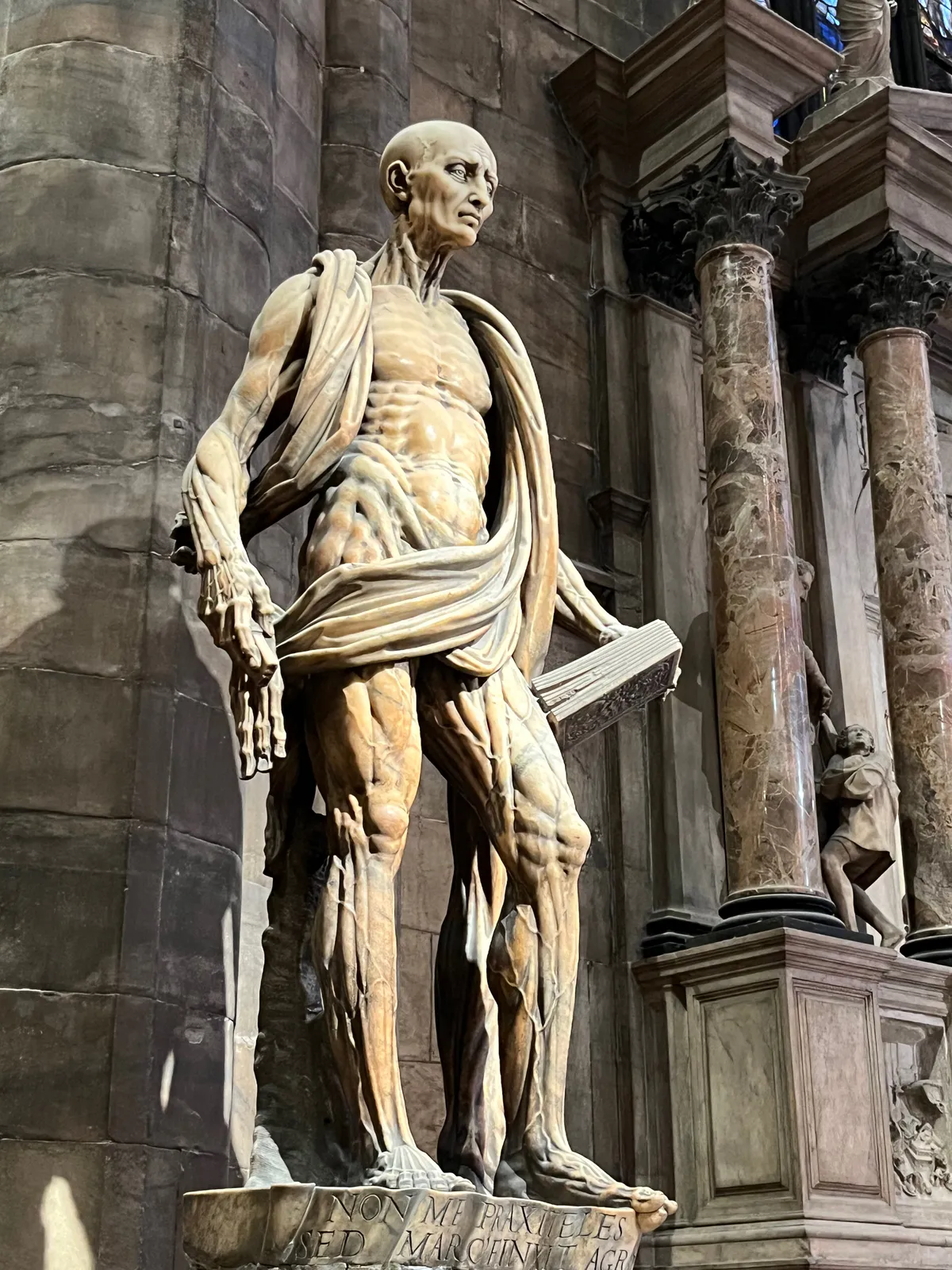
St Bartholomew Flayed
Marco d’Agrate
This marble statue (1562) shows St Bartholomew as a flayed figure, his own skin arranged like a draped garment around an exposed muscular body. Such extreme anatomical precision draws on Renaissance study of dissected cadavers. The saint’s upright stance and calm, frontal gaze demonstrate how martyrdom could be articulated as steadfast faith rather than physical defeat.
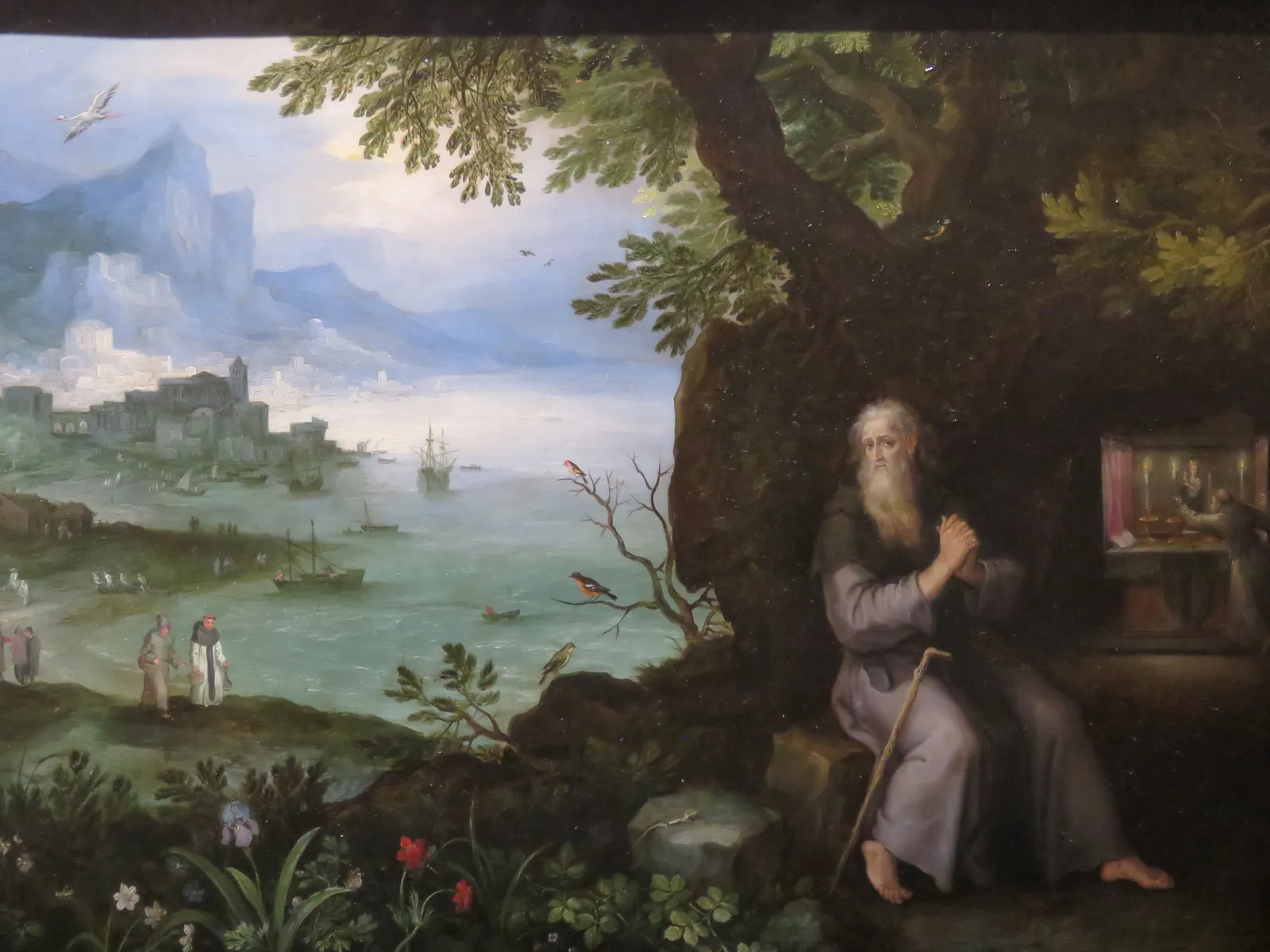
Saint Anthony the Hermit
Jan Brueghel
This tranquil painting (early 17th c.) shows Saint Anthony seated at the mouth of a cave, gazing contemplatively toward the city and sea. The vivid flora and distant harbor contrast with his solitude, symbolizing the tension between worldly life and spiritual retreat. A vision of a sacred altar within the cave suggests divine presence in the midst of earthly temptation.
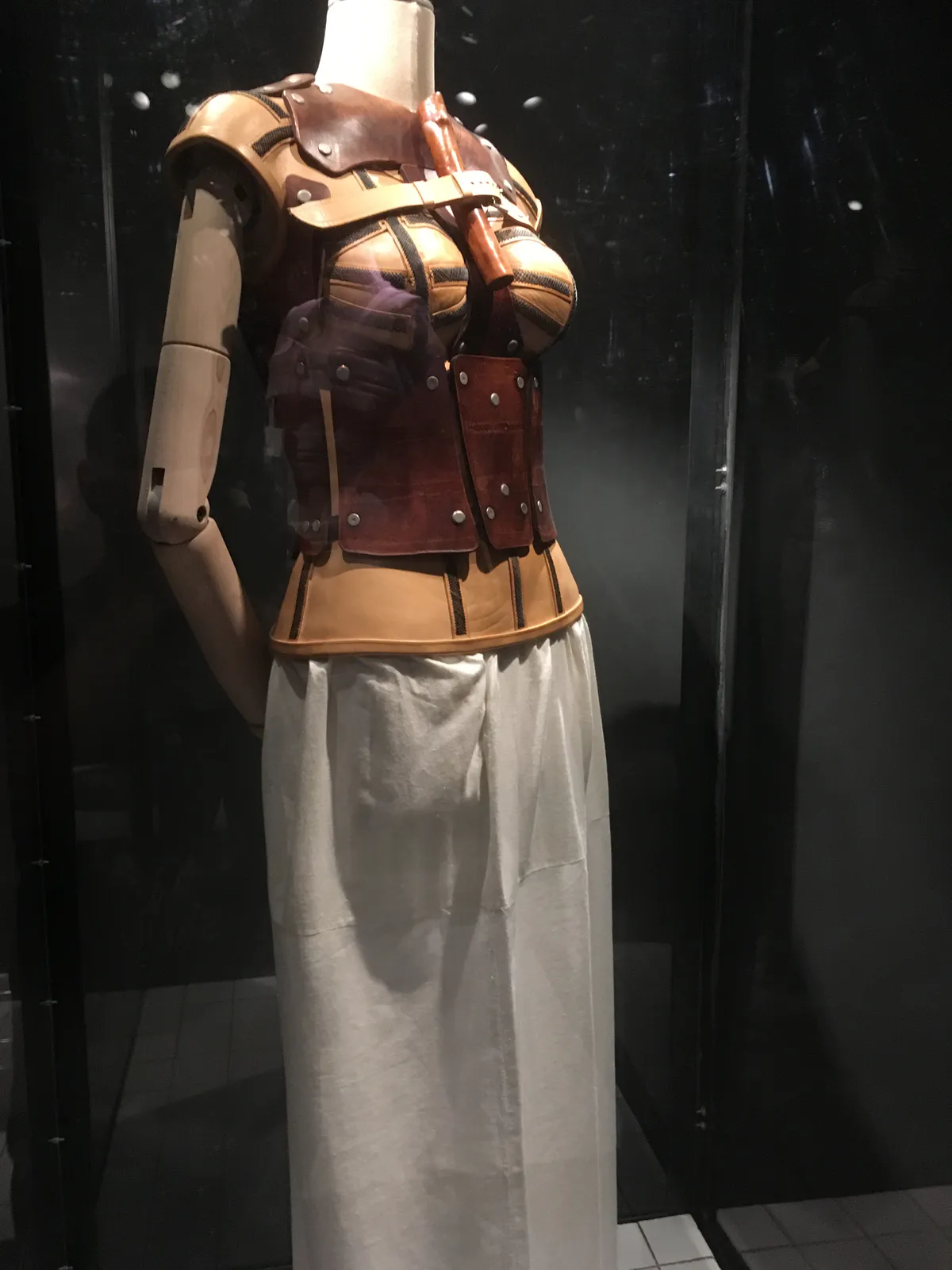
Painted Orthopedic Corset
Frida Kahlo
This hand-painted leather corset (c.1944), worn by Frida Kahlo, illustrates both her physical suffering and creative defiance. After spinal injuries and repeated surgeries, Kahlo turned orthopedic braces into canvases, inscribing them with personal symbols. She transformed medical necessity into art, merging pain, identity, and resilience.
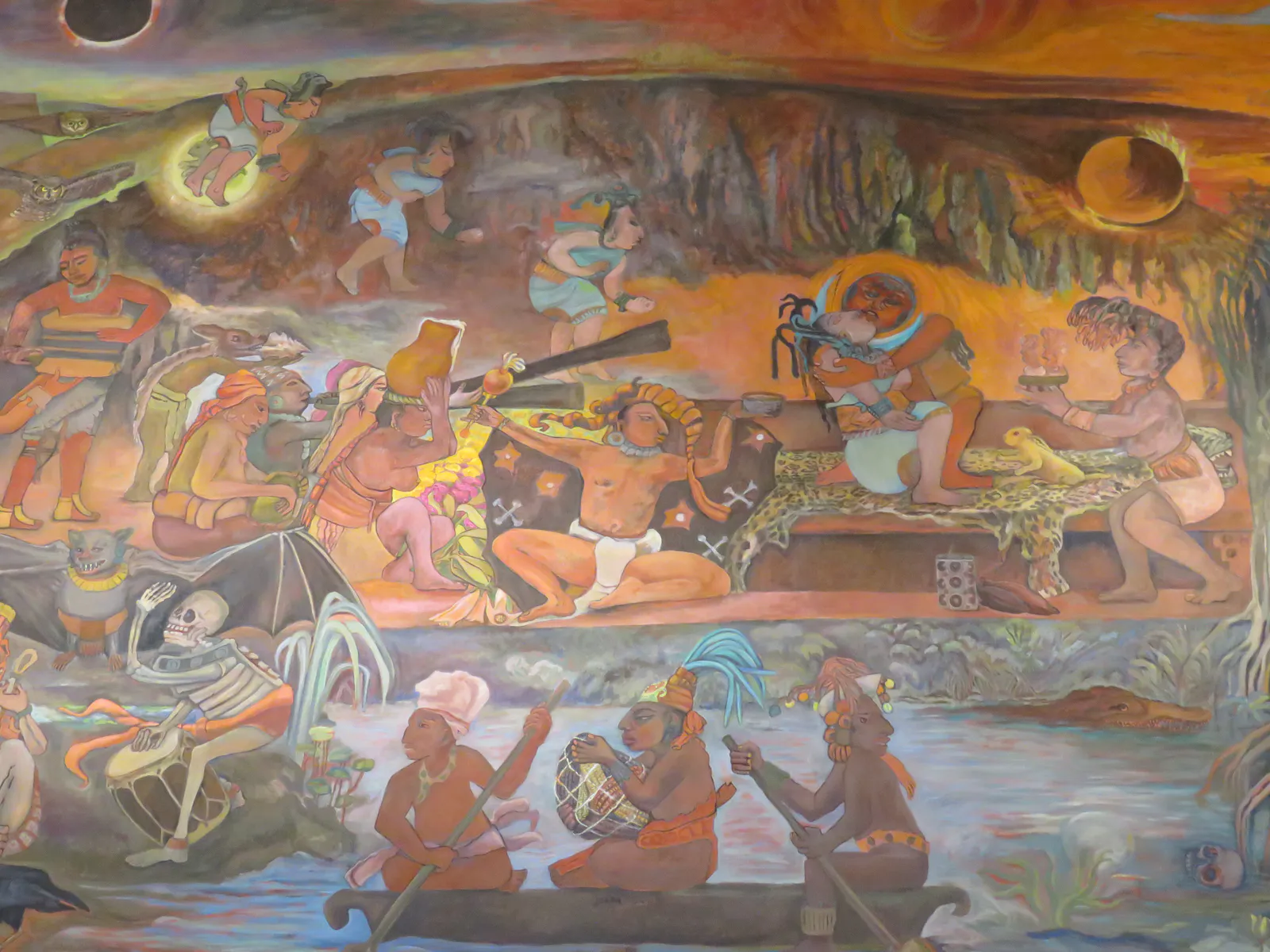
Inframundo Maya
Rina Lazo
In this mural (2019), Lazo reimagines Xibalba—the Mayan underworld—through the lens of the Popol Vuh. The Hero Twins traverse rivers, deities oversee sacrifice and desire, and spirits haunt the sacred landscape. Blending myth and memory, the artist fuses political vision with ancestral wisdom in her final celebration of Maya cosmology.
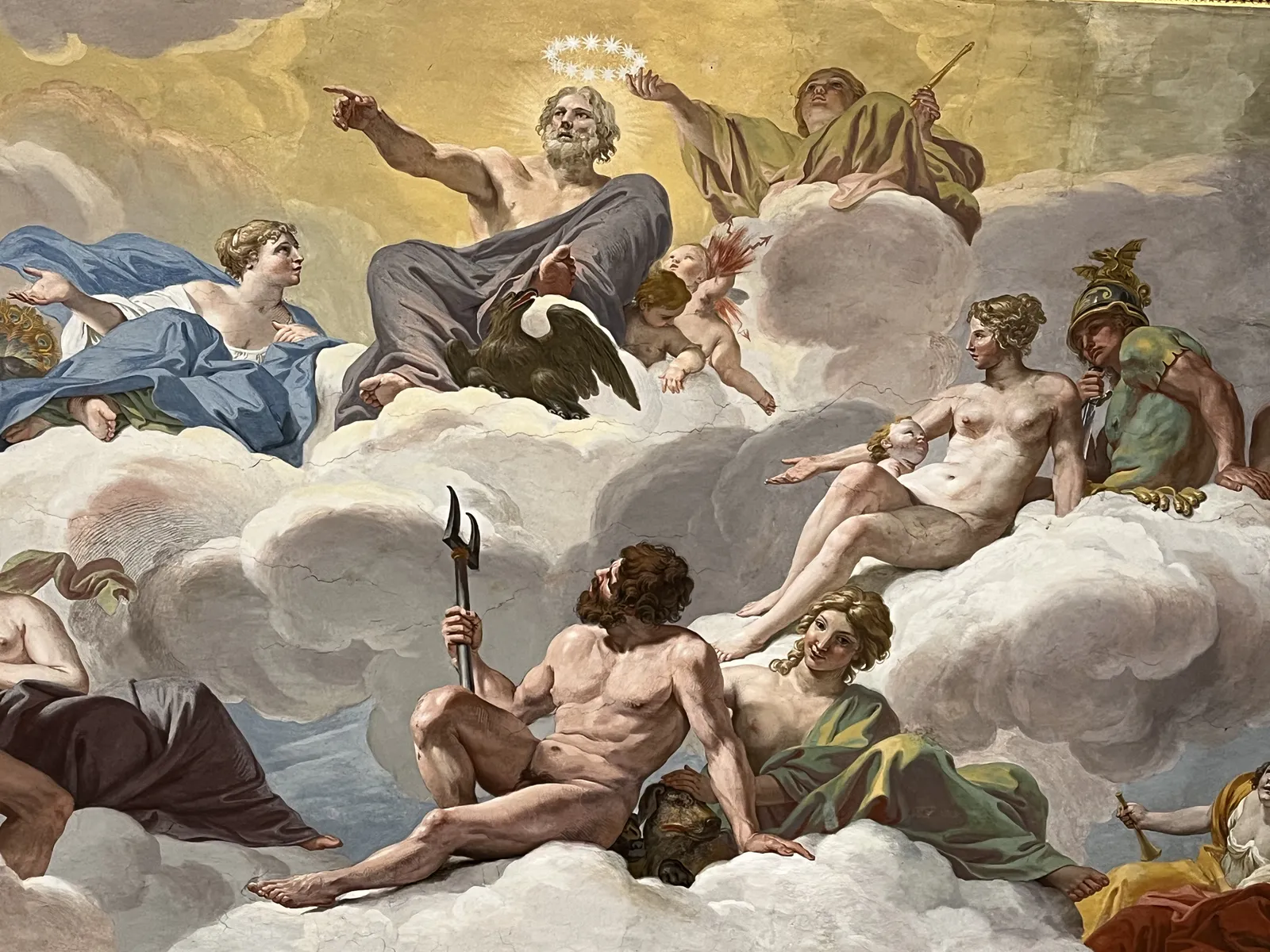
The Council of the Gods (detail)
Giovanni Lanfranco
In this celestial scene from The Council of the Gods (1624–25), Jupiter presides over Olympus, crowned with stars and flanked by his eagle. Surrounding him are Juno, Venus, Mars, and Pluto, their divine forms emerging from clouds. Painted for the Sala della Loggia in Villa Borghese, the fresco evokes the grandeur and illusionistic power of Baroque heaven.
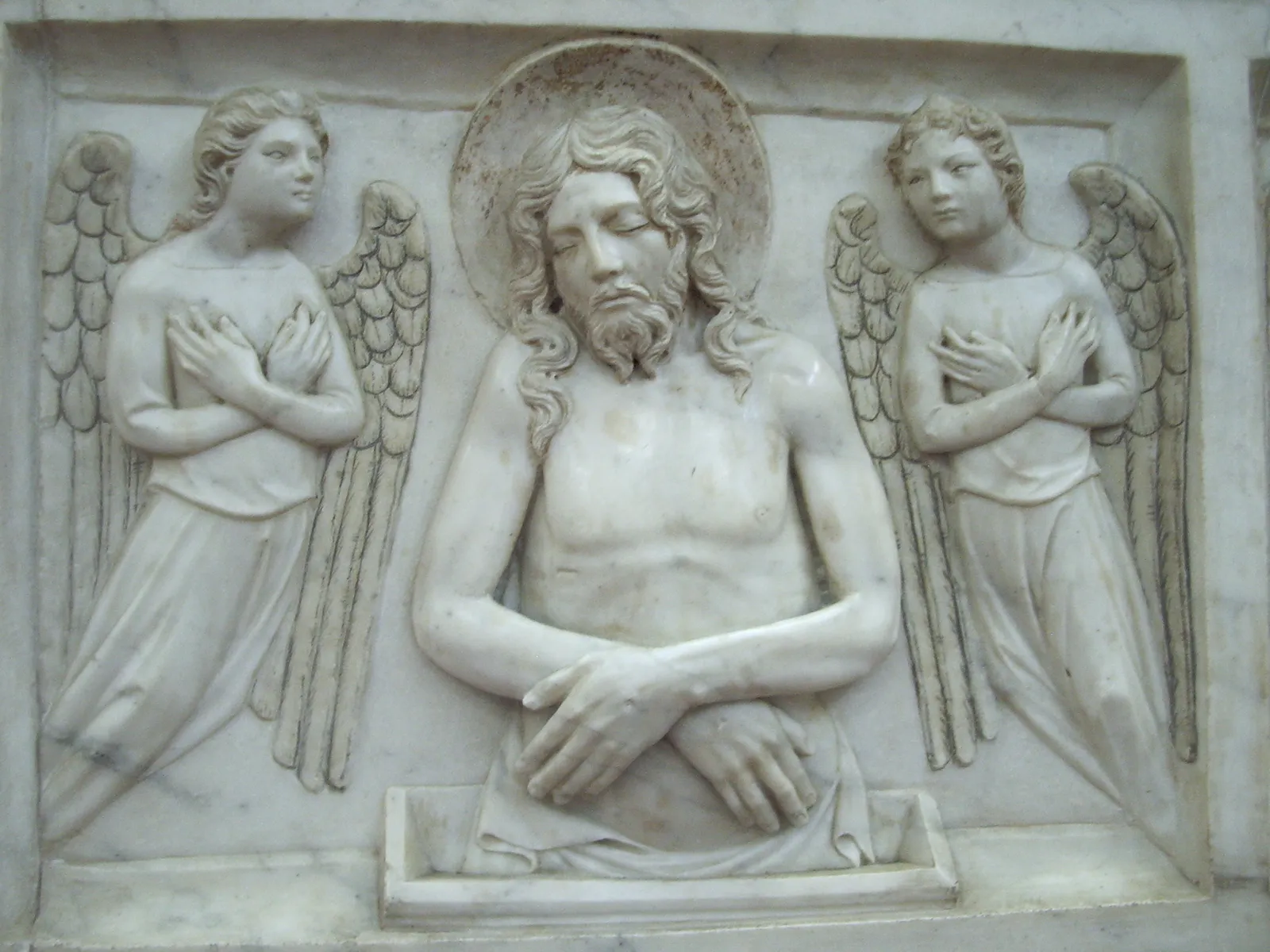
Tomb of Archbishop Scherlatti
Nino Pisano
This marble relief (c. 1300–1350) formed part of the tomb of Archbishop Scherlatti. Christ is depicted in the Imago Pietatis pose, rising from the tomb with eyes closed, flanked by two mourning angels. The scene blends devotional tenderness with refined Gothic elegance, exemplifying Nino Pisano’s lyrical style and the growing emotional realism in 14th-c. funerary art.
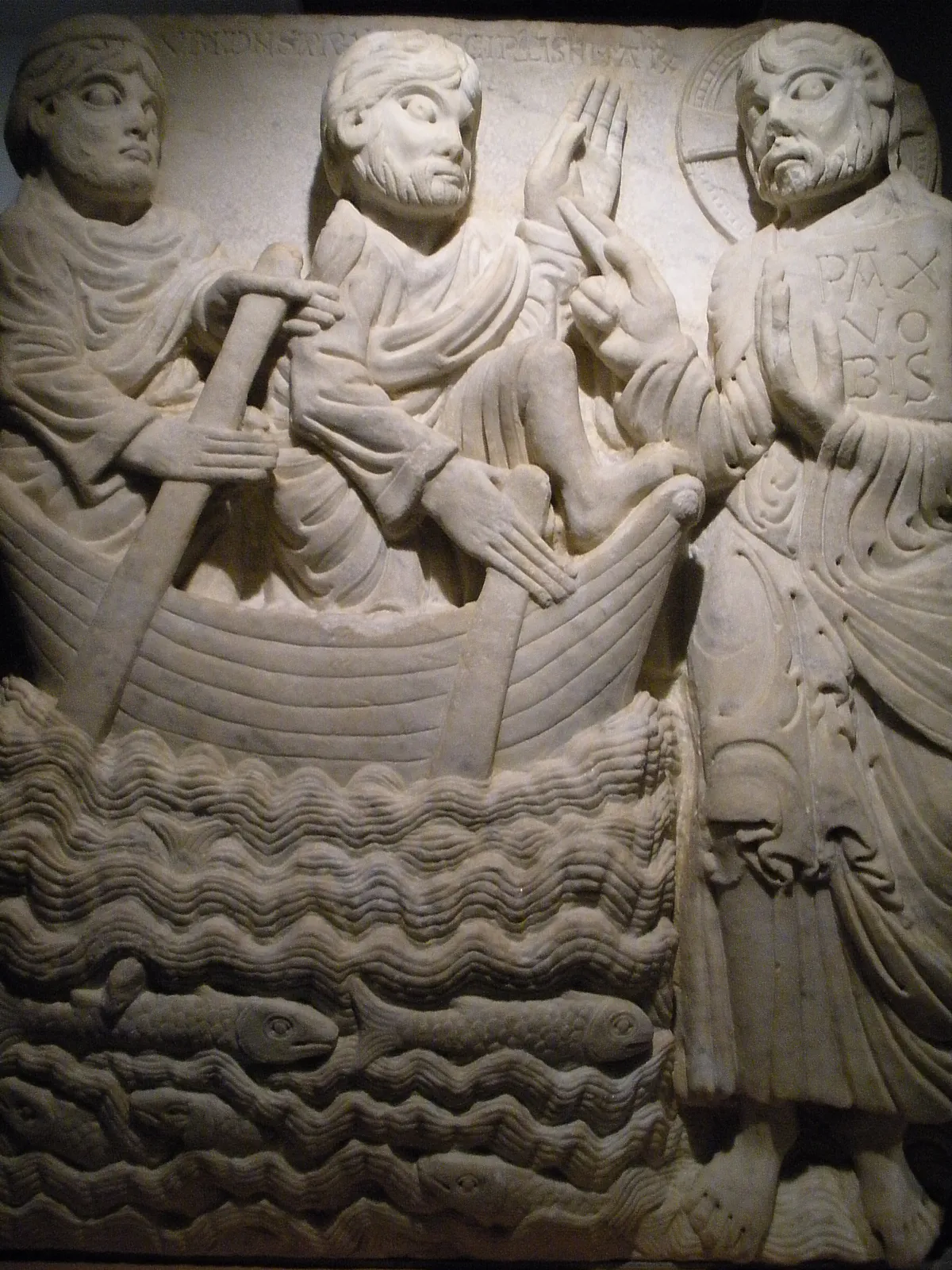
The Appearance of Christ to the Disciples
Master of Cabestany
This 12th-c. Romanesque sculpture by the Master of Cabestany depicts Christ revealing himself to his disciples after the resurrection. The artist is known for figures with large heads, flat foreheads, long noses, and almond-shaped eyes. Likely from the monastery of Sant Pere de Rodes, the work exemplifies the Master of Cabestany’s influence across Southern Europe, from Tuscany to Navarre.
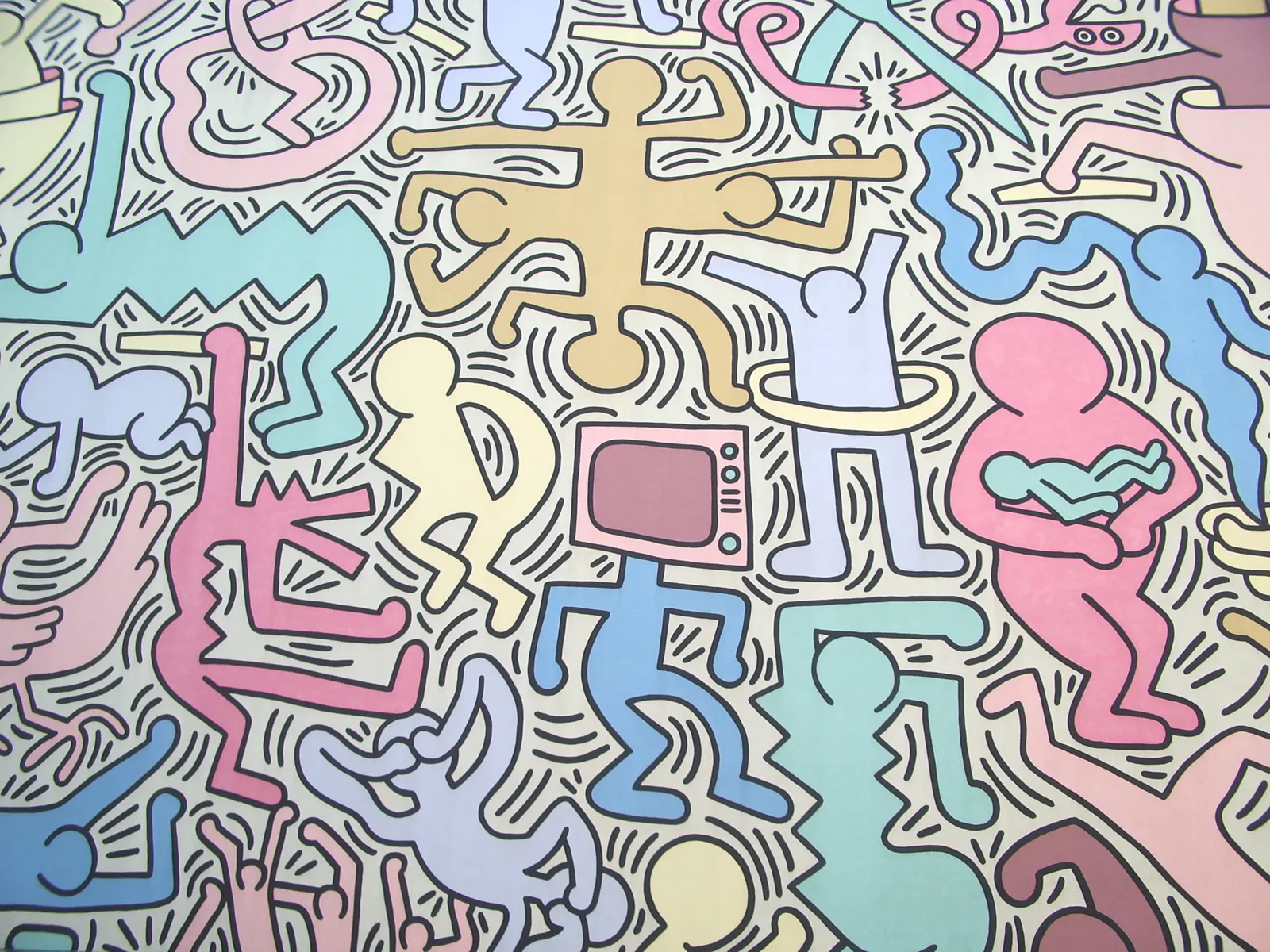
Tuttomondo
Keith Haring
This section of Tuttomondo (1989) showcases Keith Haring’s vibrant visual language with simplified human forms, radiant lines, and vivid colors in rhythmic harmony. The mural, painted in Pisa, celebrates peace and collective action, with each figure symbolizing a social or spiritual force working toward global unity. Haring’s work demonstrates the power of art to convey universal themes of cooperation and harmony.
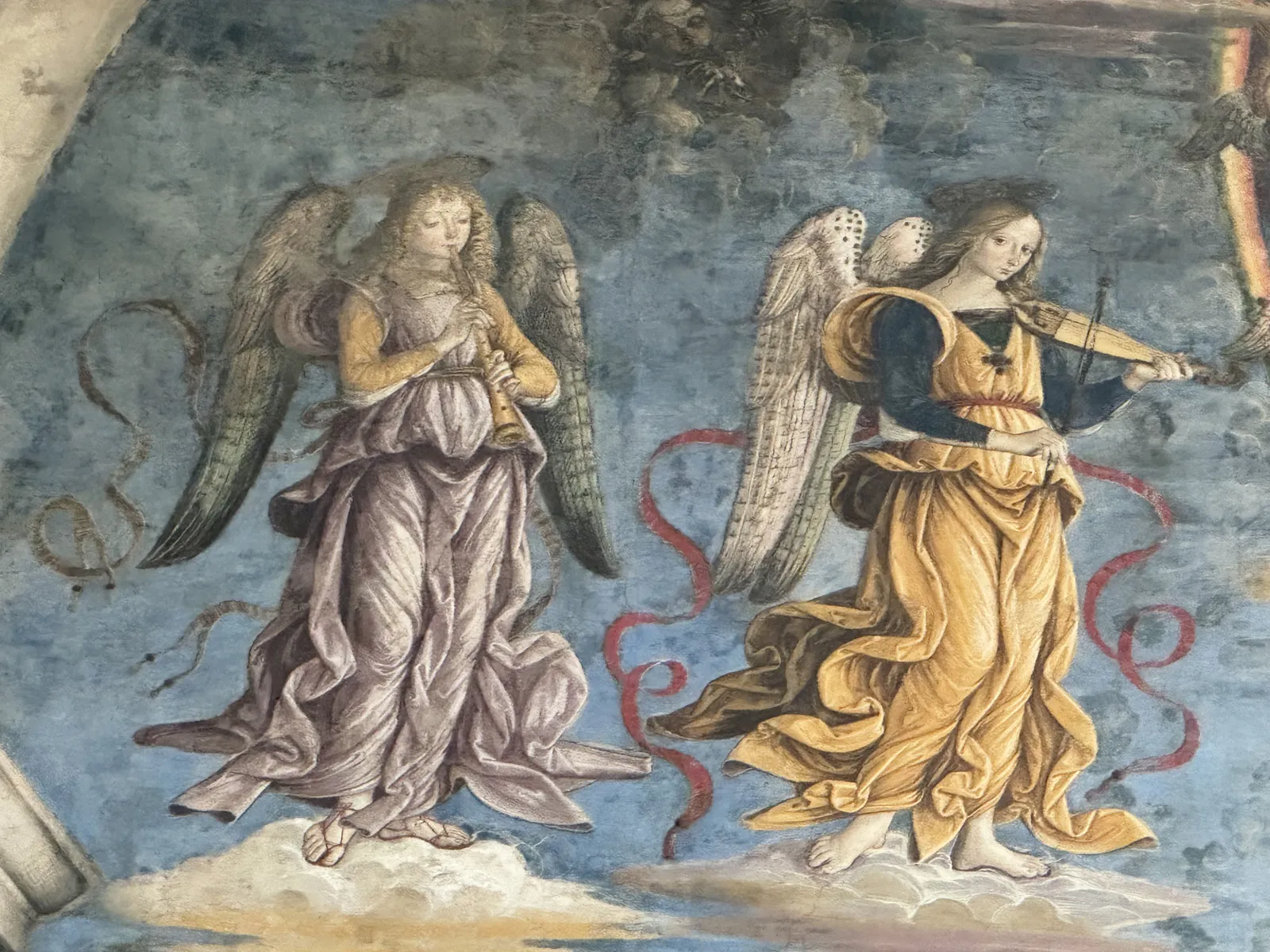
Musical Angels (detail)
Pinturicchio
In this detail (1484–86), Pinturicchio paints two angelic musicians, one playing a violin and the other a wind instrument. Floating on clouds, they contribute to the celestial harmony surrounding Christ in Majesty. The graceful movement of their garments reflects Pinturicchio’s refined sense of rhythm, light, and divine celebration.
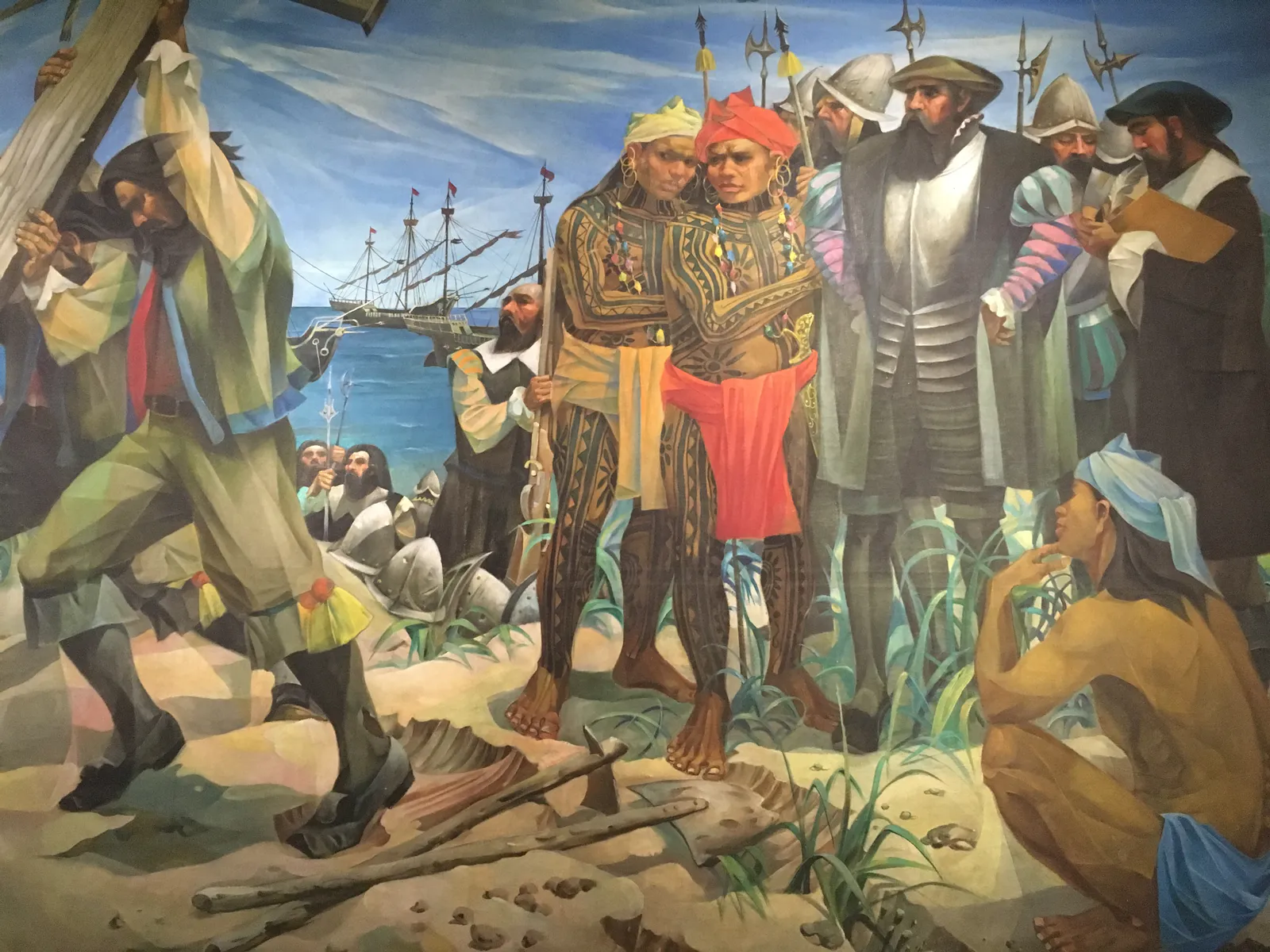
Planting of the First Cross
Vicente Manansala
The painting depicts the 1521 event in Cebu where Ferdinand Magellan and Spanish soldiers, with tattooed natives called pintados, planted a cross. Commissioned for the 400th anniversary of Philippine Christianization in 1965, it captures a pivotal historical moment. Manansala’s transparent cubism blends traditional and modern styles, highlighting cultural convergence. The original cross is a historical artifact in Cebu City.
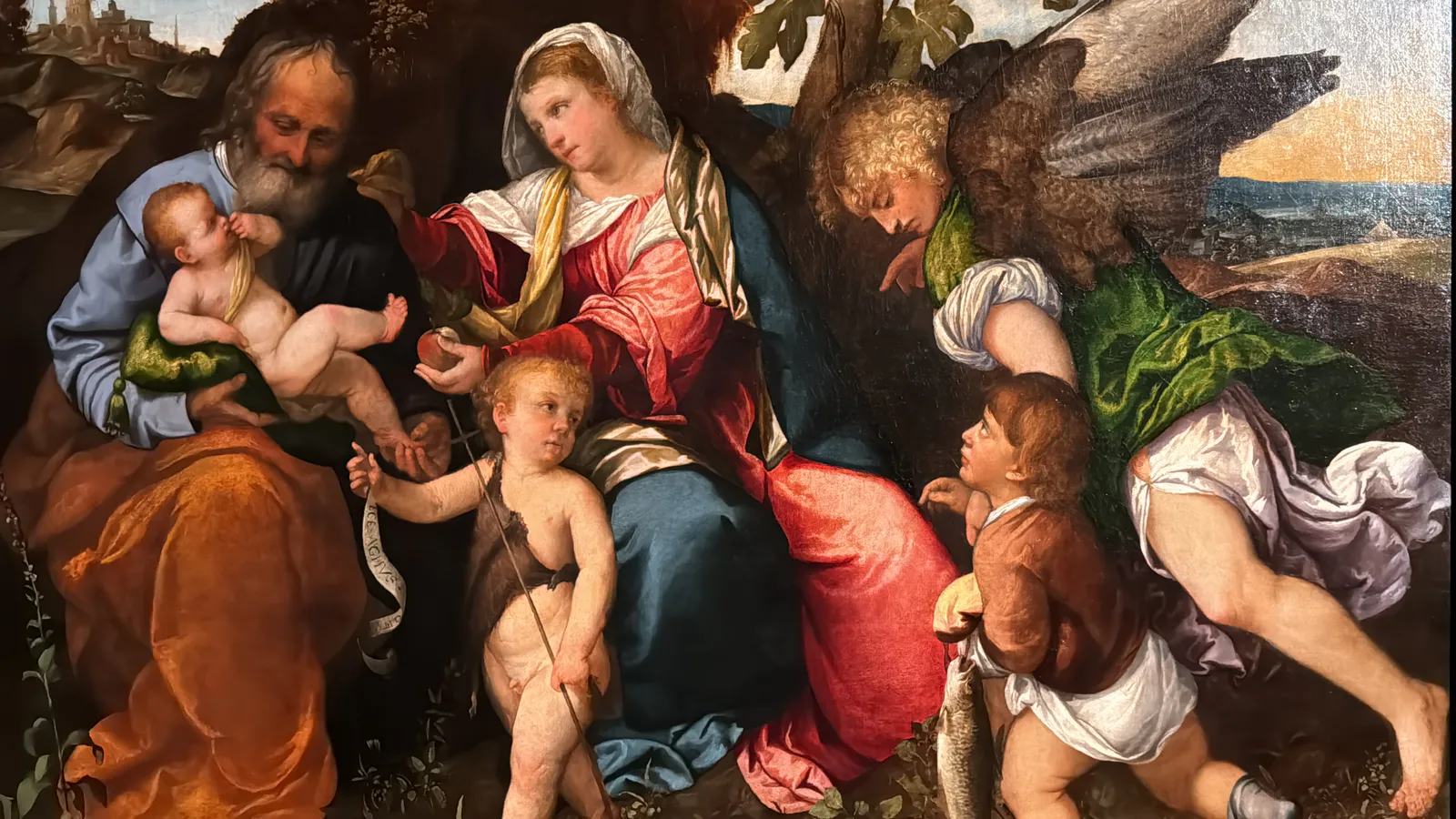
Holy Family with Saints John, Tobias, and Raphael
Bonifazio Veronese
This Venetian Renaissance oil-on-canvas work (1525–27) expands the traditional Holy Family to include St John, Tobias, and the Archangel Raphael. Rich in color and detail, it blends divine iconography with human warmth, echoing the era’s interest in sacred storytelling through vivid, earthly scenes.
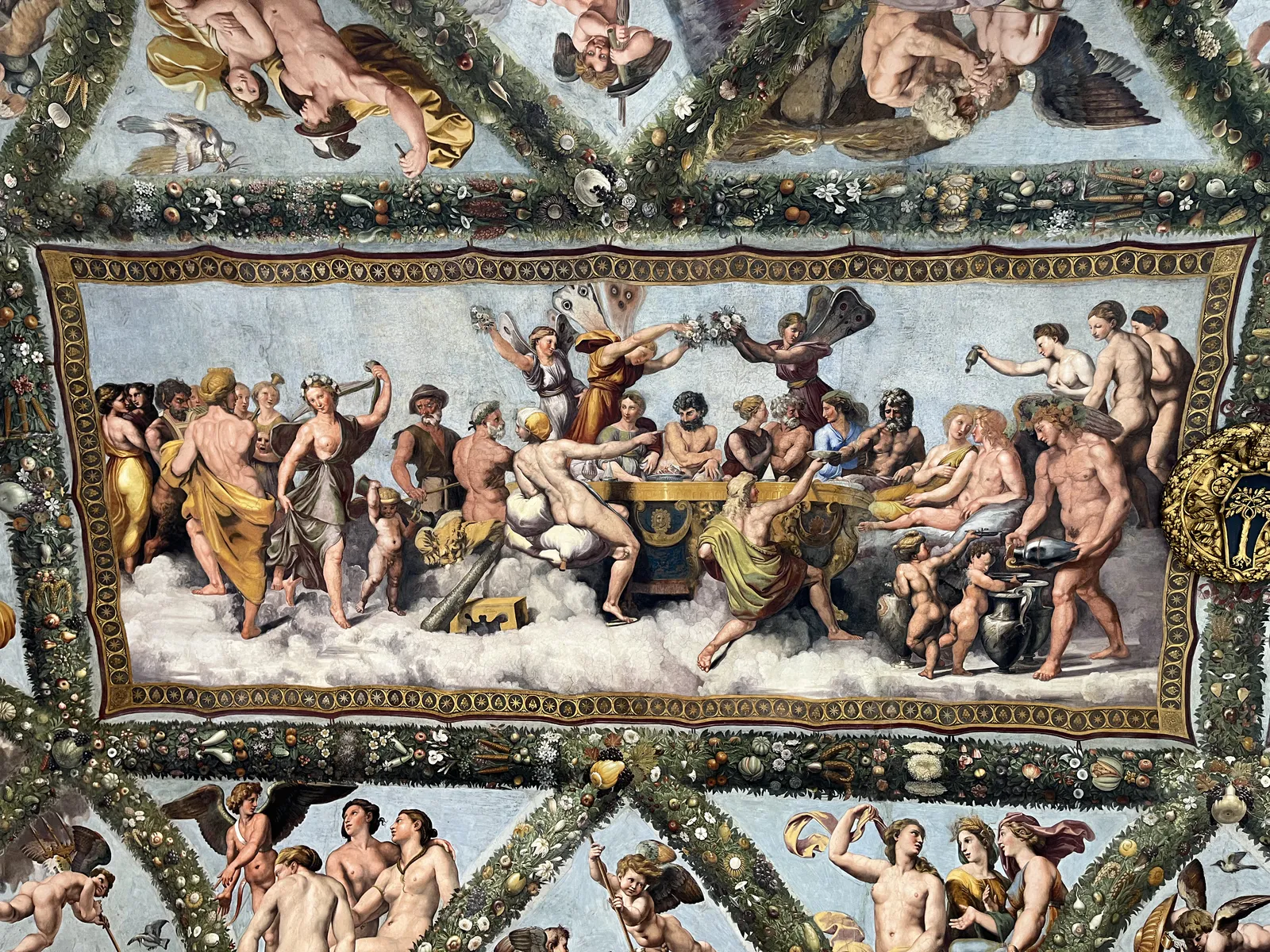
The Wedding Banquet of Cupid and Psyche
Raphael
In this grand fresco (1518), Raphael depicts the divine banquet celebrating the marriage of Cupid and Psyche. At the center, Jupiter and Juno preside; beside them sit Pluto, Persephone, Neptune, and Venus. Ganymede offers wine to Jupiter, while Bacchus (Dionysus), assisted by putti, pours wine at the right. The scene embodies divine harmony, joy, and the union of soul and love.
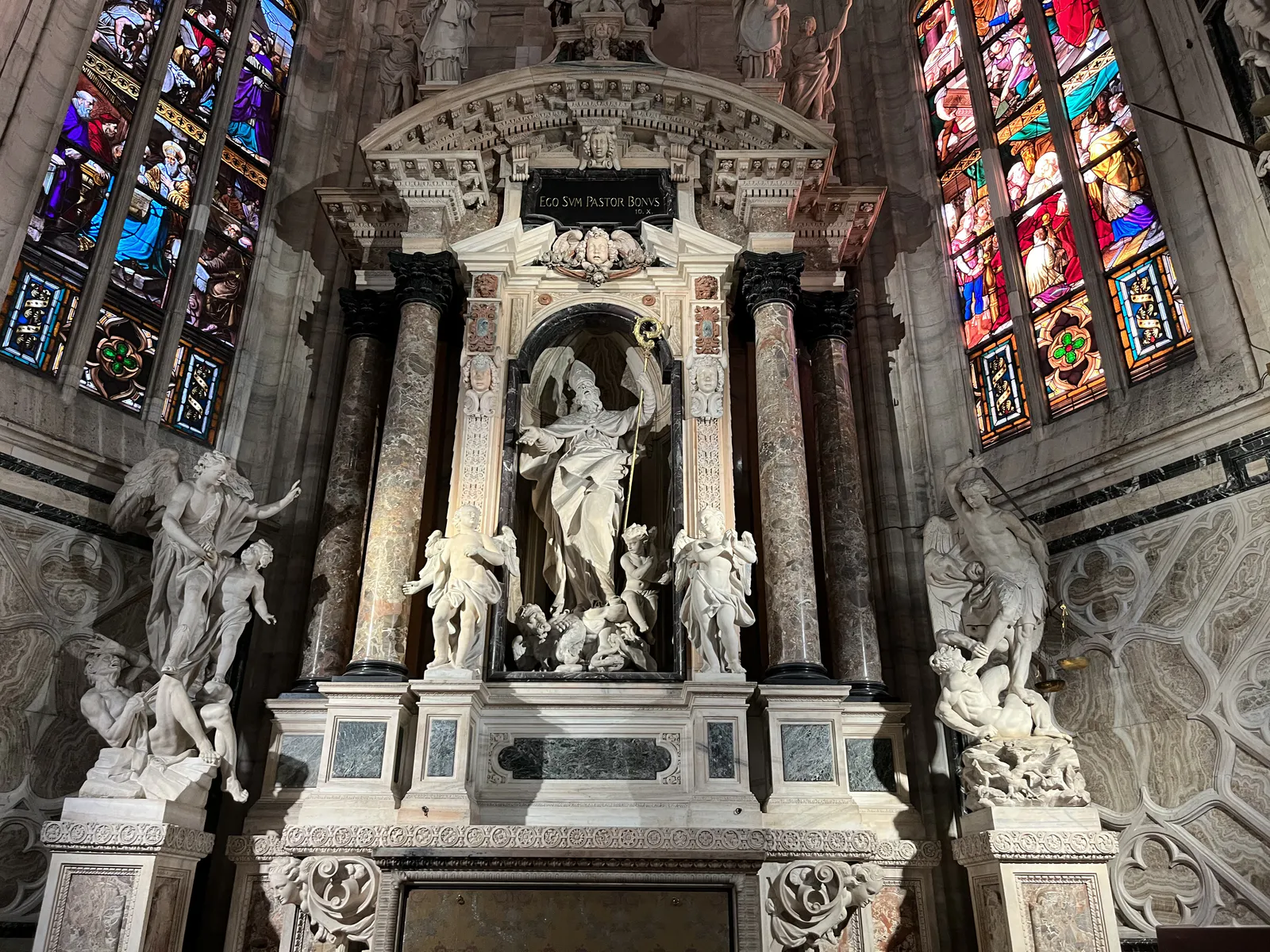
Altar of Saint John Bono
Elia Vincenzo Buzzi
This monumental altar (c. 1763) in the Milan Cathedral honors Saint John Bono, a 13th-c. bishop known for his piety and service. The central figure is framed by angels and crowned by the inscription Ego sum pastor bonus (I am the Good Shepherd), evoking Christ-like compassion and episcopal authority.
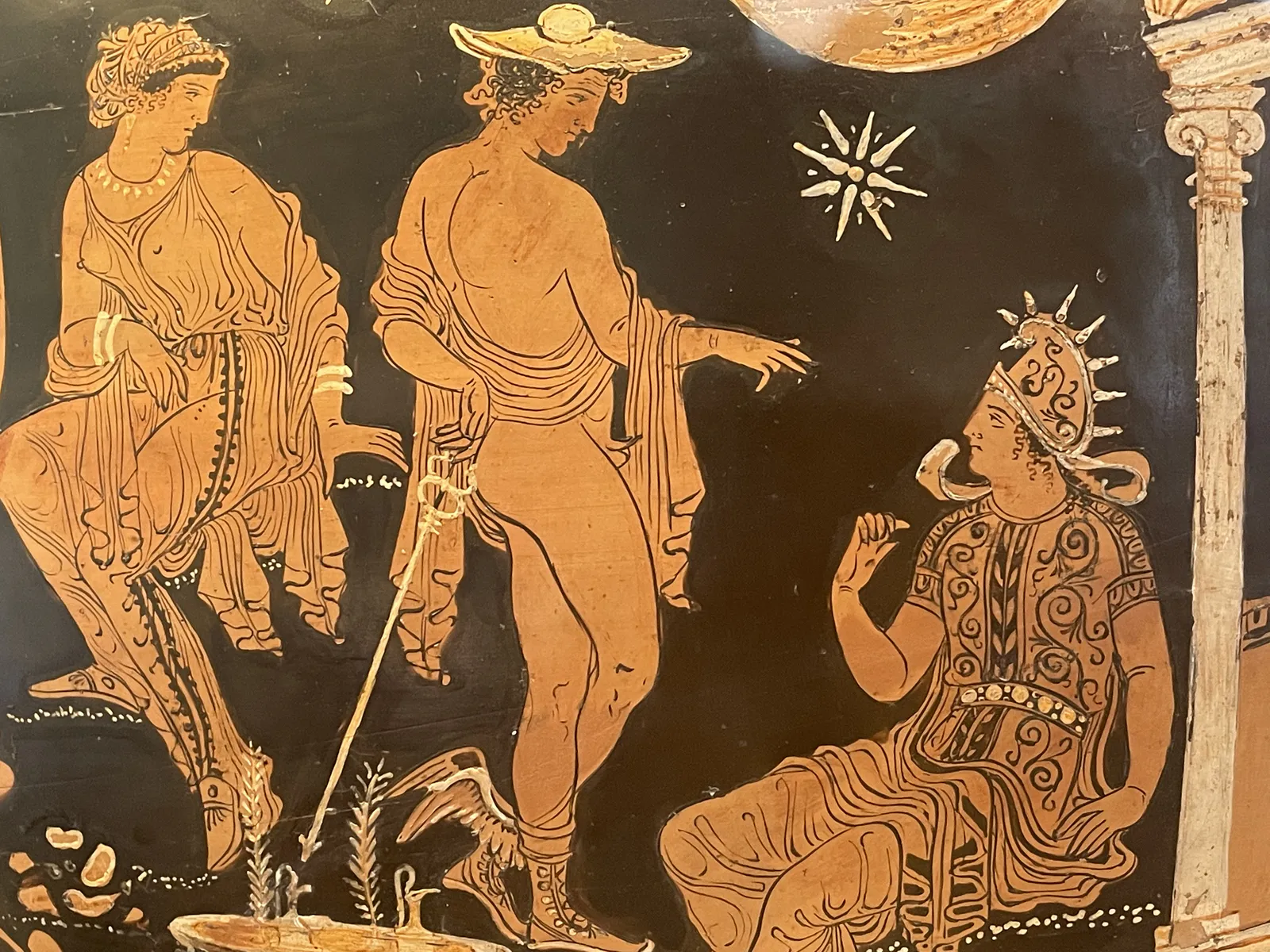
Orestes and Apollo at Delphi
Painter of the Birth of Dionysus
This Apulian red-figure volute krater (410–390 BC) depicts Apollo aiding Orestes at Delphi. After avenging Agamemnon by killing Clytemnestra, Orestes seeks refuge from the Furies. Apollo's protection symbolizes divine support for justice. This piece highlights the intersection of myth and morality in ancient Greek culture.
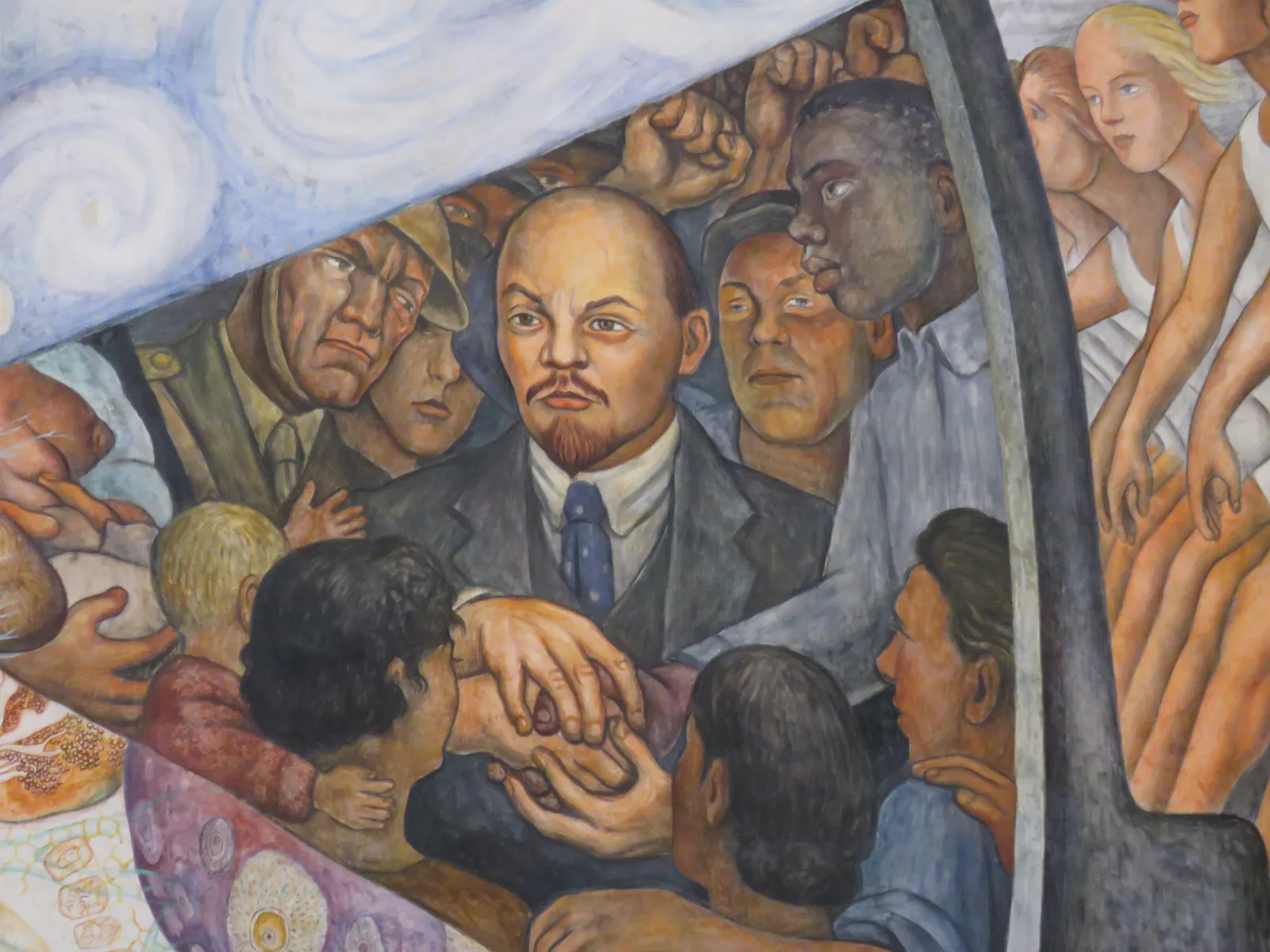
Lenin
Diego Rivera
This mural fragment (1934) shows Vladimir Lenin at the center, joining the hands of workers of different races in a dense crowd. The scene comes from Rivera’s Man at the Crossroads mural destroyed at Rockefeller Center, whose inclusion of Lenin provoked its removal. By recreating the composition at the Palacio de Bellas Artes, Rivera reaffirmed his Marxist political stance.
“When the path is beautiful, do not ask where it leads.” — Zen proverb
Welcome to my travel photography!
“When the path is beautiful, do not ask where it leads.” — Zen proverb
Welcome to my travel photography!
For as long as I can remember, my path has been one of discovery—seeking beauty, timelessness, and connection in every corner of the world. It has also been a journey of deep learning and understanding. I’ve been an avid traveler (or perhaps a travel addict?) for most of my life. My love for travel began long before I ever left home: as a child, I drew a fantasy map of my grandparents’ apartment and “traveled” through it with my cousin Sonya, imagining adventures in every corner. Nearly 90 countries and countless moments of awe later, I’m excited to share this journey with you.
Thanks to the tireless and ingenious programming of Diagilev, we’re now able to present about fifteen percent of the images I’ve accumulated over the years. More will be released in small batches depending on your interest. While the first release leans toward museum photography, later ones will include more nature, architecture, culture, and general travel experiences. If you’d like to receive email notifications about new releases, feel free to reach out—no commercial use, ever.
Throughout my travels, I’ve been drawn to two intertwined kinds of discovery. One is intellectual: learning why the world is the way it is. History became my guide, shaping my perspective and filling my camera roll with museums and old buildings. To me, history is not the past—it is the key to understanding the present and how the world became what it is. The other is emotional: seeking moments of elevation—spirituality, beauty, harmony—often found in nature, monasteries, and ancient sacred spaces. Together, these impulses shape my photography. It invites you to learn, admire, and soar—to rise above the mundane and see the world through a lens of curiosity and wonder.
Much of my later travel became possible thanks to my job with Delta Air Lines, but the wanderlust began years earlier. By the time I joined the industry, I had already visited over 35 countries and lived in several—largely thanks to a backpacking journey around the world with Luis León, whose face appears in many early photos. I grew up in Ufa in the USSR, and since leaving it I have lived, studied, and worked in Latvia, the United States, France, South Korea, Canada, Spain, Italy, Brazil, Japan, and Colombia.
A life of near-constant movement may seem a little crazy, but it has deepened my understanding of the world and produced the photography you are about to see. Over the years, my style has evolved—more intentional, more refined—yet its core remains the same: a search for understanding, timeless beauty, and a connection to those who walked this earth long before us.
I hope these photos stir something in your soul, just as they did in mine. I’d love to hear from you—whether reactions, suggestions, corrections, or a request to be added to the email list for new releases (no commercial use, I promise). You can learn more about my travels here, and my academic life here.
Enjoy our shared journey!