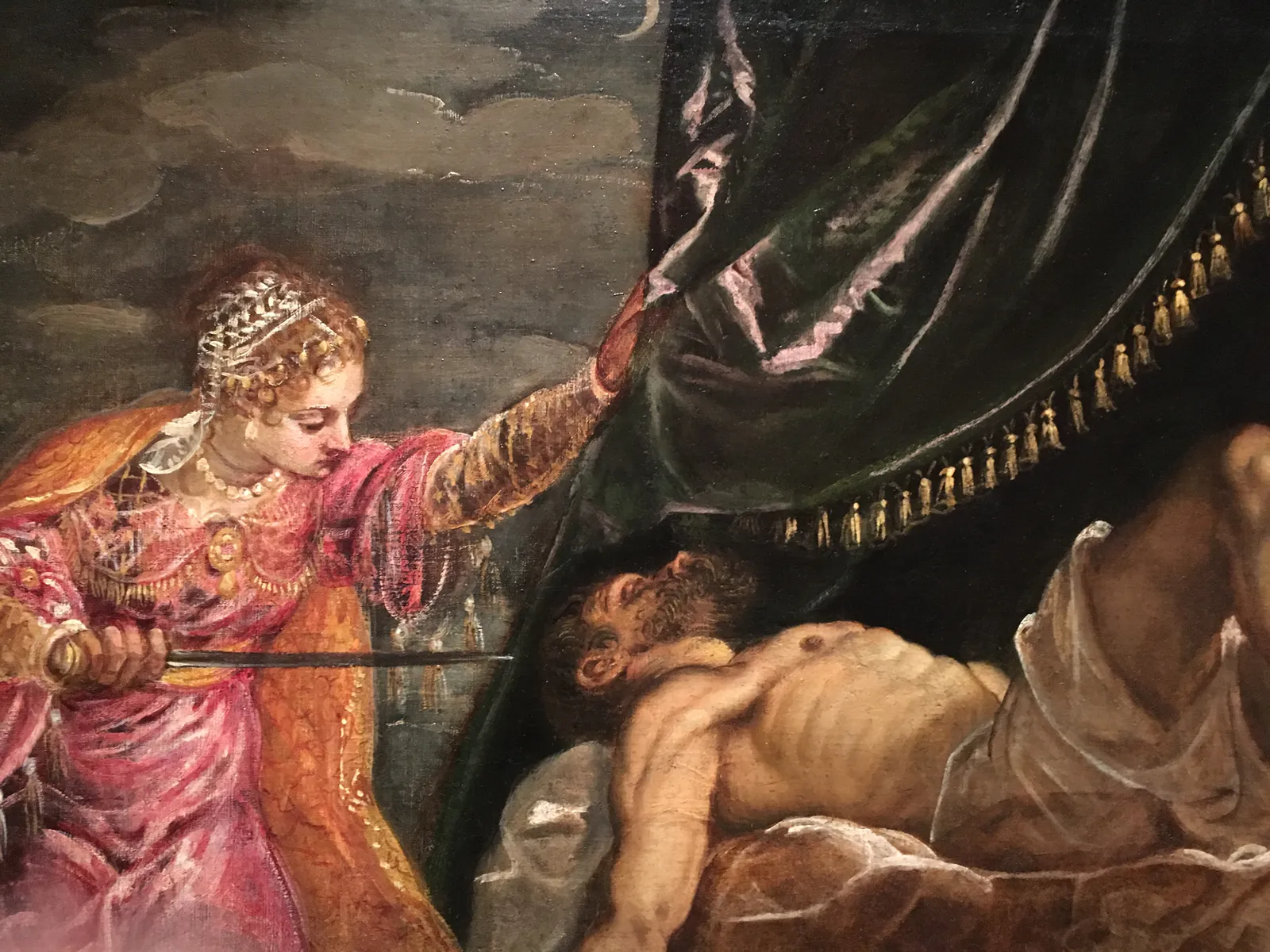
Judith Beheading Holofernes
Jacopo Tintoretto
This painting (c. 1577) by the studio of Jacopo Tintoretto depicts the biblical scene where Judith beheads Holofernes, an Assyrian general, to save her people. Executed in the Mannerist style, it emphasizes tension and emotion, typical of the Late Renaissance. The scene symbolizes courage and divine justice, reflecting the era’s interest in heroic narratives.
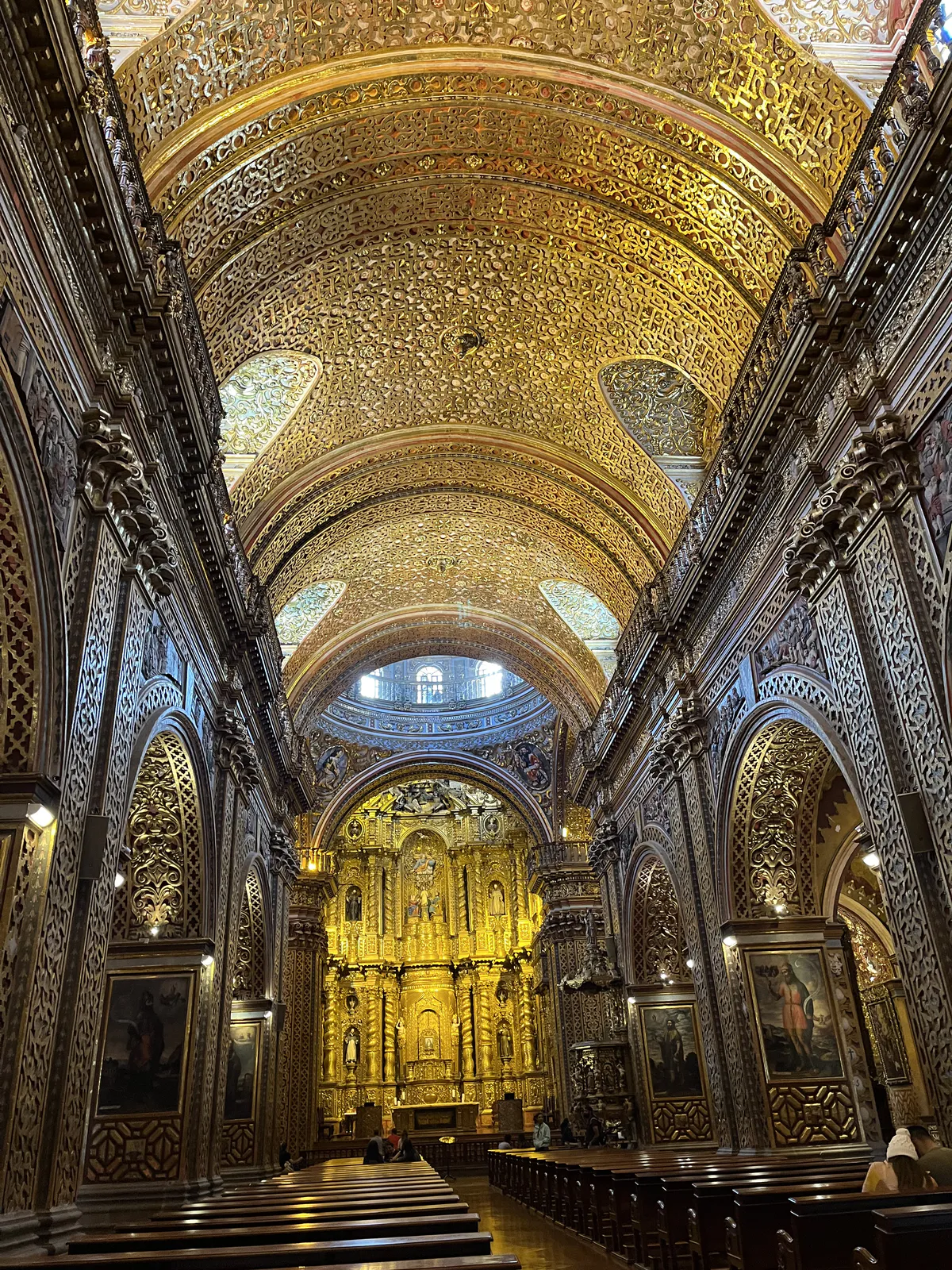
Vaulted Ceiling and Main Altar
The ornate vaulted ceiling and main altar of the Iglesia de la Compañía de Jesús (17th-c.) exemplify Baroque artistry in the New World. Lavishly adorned with gold leaf, the intricate designs reflect the Jesuit mission to inspire awe and devotion in a fusion of European and indigenous craftsmanship.
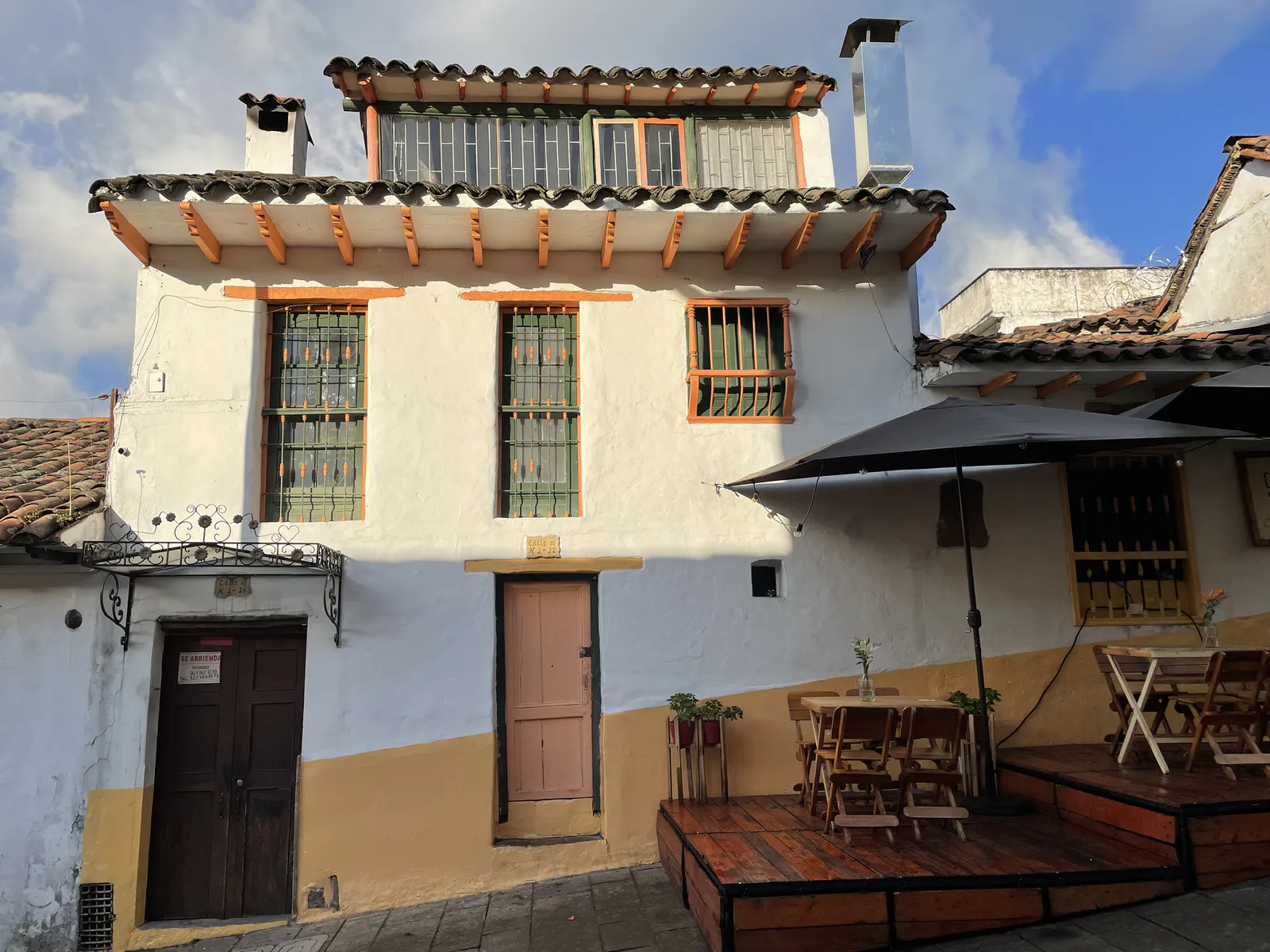
Traditional House with Café in La Candelaria
This colonial-era home in La Candelaria (17th c.)exemplifies Andean-Spanish vernacular architecture with its irregular windows, clay-tile roof, and green iron bars. The wooden platform and café tables reflect the area's transformation, where historic buildings now host bookstores, art spaces, and cafés. This blend of tradition and modernity highlights Bogotá's dynamic cultural evolution, illustrating how past and present coexist in urban creativity.
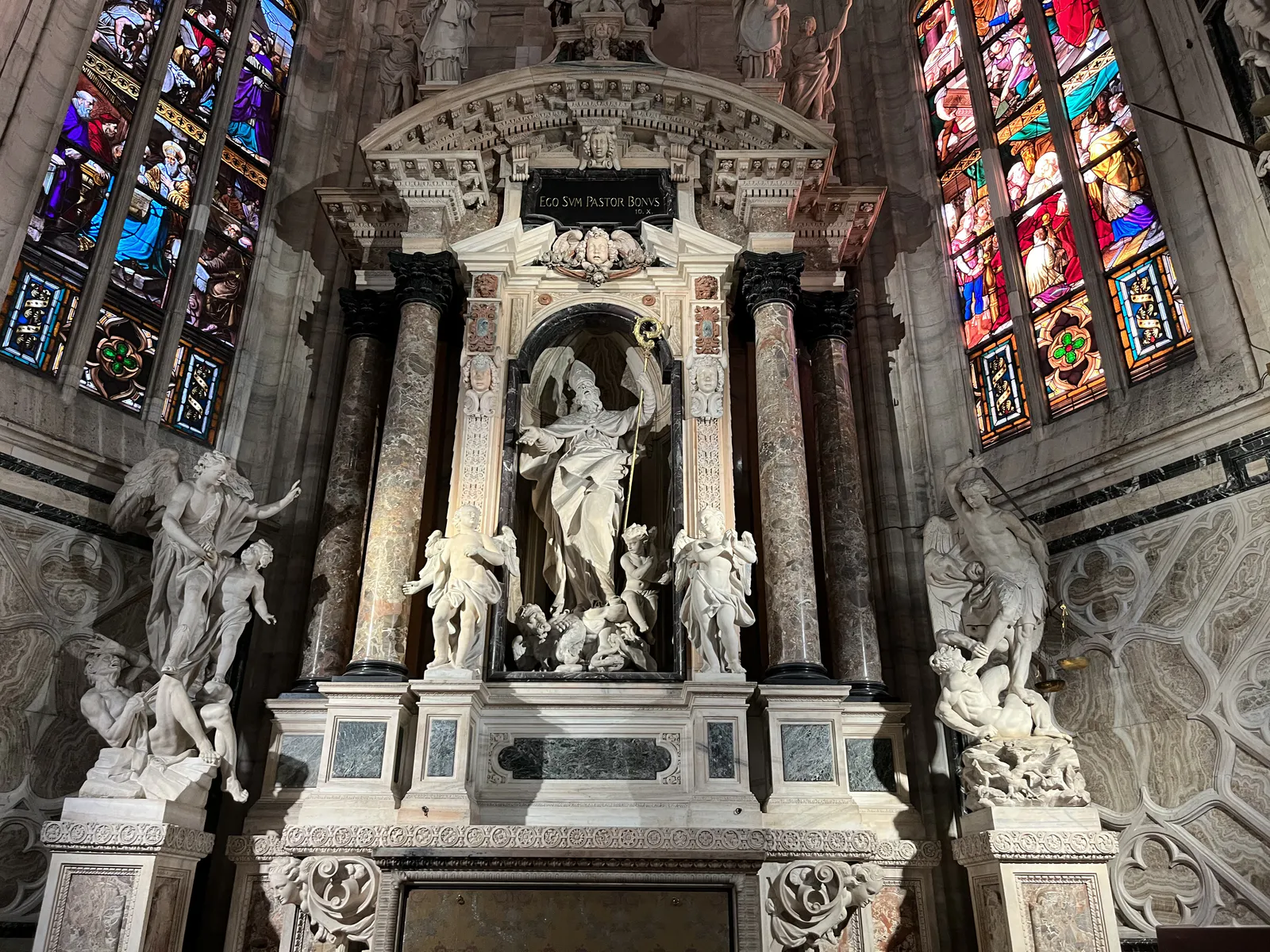
Altar of Saint John Bono
Elia Vincenzo Buzzi
This monumental altar (c. 1763) in the Milan Cathedral honors Saint John Bono, a 13th-c. bishop known for his piety and service. The central figure is framed by angels and crowned by the inscription Ego sum pastor bonus (I am the Good Shepherd), evoking Christ-like compassion and episcopal authority.
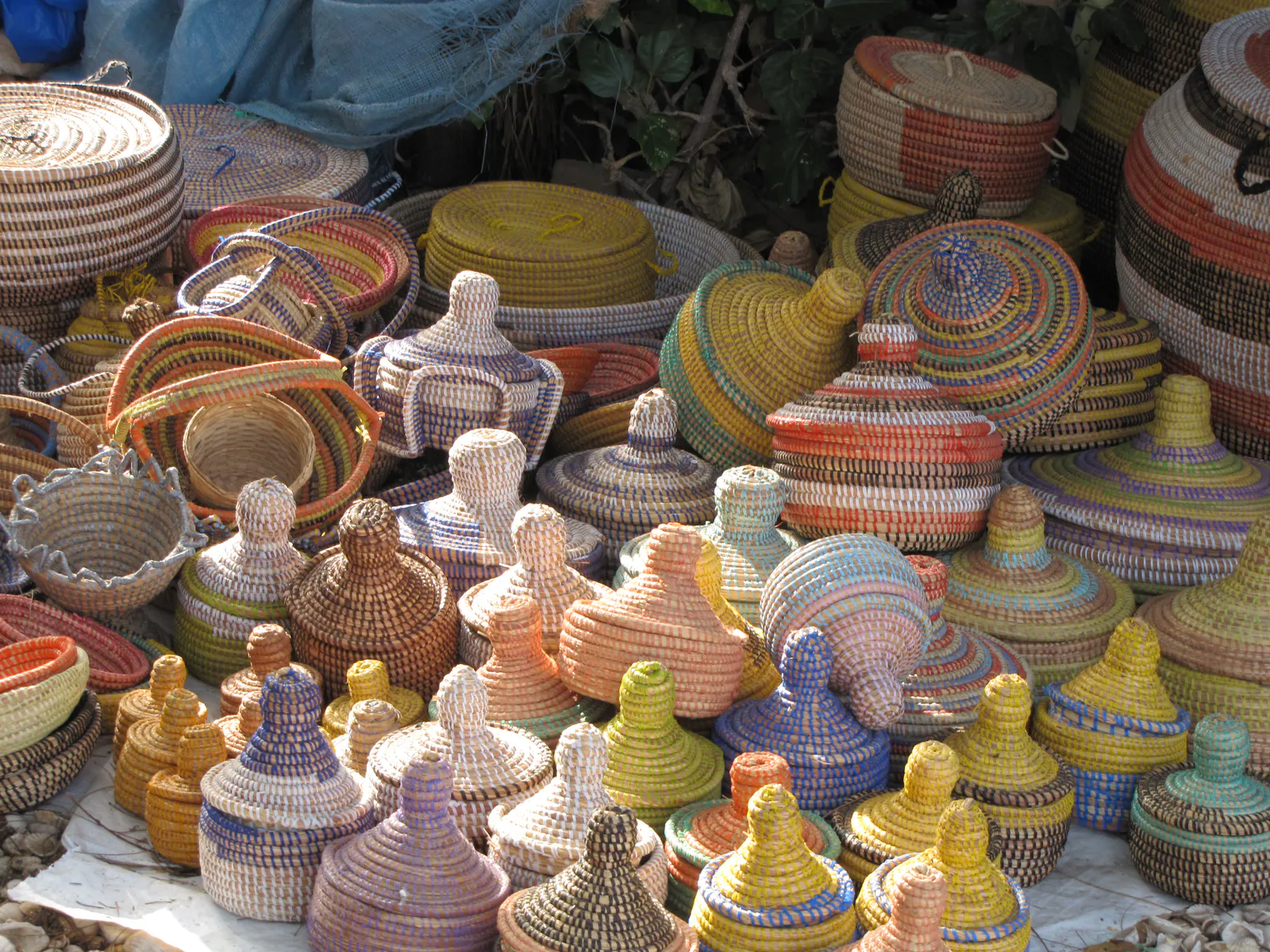
Senegalese Woven Baskets
These vibrant, lidded baskets—known locally as canari or nguedj—are handwoven from local grasses and colorful recycled plastic. Common across Senegal, they serve both functional and decorative purposes, used for storing grains, carrying goods, or as striking home decor reflecting Wolof artisanal heritage.
Explore the world through my eyes: begin with the image below, the map, the dropdowns above, or the search button. Every photo includes a thoughtful caption.
Explore the world through my eyes: begin with the image below, the map, the dropdowns above, or the search button. Every photo includes a thoughtful caption.
When the path is beautiful, do not ask where it leads.
My travels have always been shaped by two intertwined forms of discovery. One is intellectual: learning why the world is the way it is. History became my guide, drawing me toward museums, old cities, architecture, and the layers of meaning carried by places. The other is emotional: the search for beauty, harmony, and moments of elevation, often found in nature, monasteries, and sacred spaces.
Together, these impulses shape how I travel, what I photograph, and how I interpret what I see. This site is my way of sharing that lifelong learning in visual form—one image at a time, with enough context to deepen curiosity and understanding. I hope these photographs leave you with a sense of wonder and a deeper feeling for the world.
Now let’s explore together.