Perseus and Medusa
The ThinkerThe Gates of HellPsyche-Spring Marble SculptureDanaid Marble SculptureThe Kiss Sculpture by RodinThe Tempest SculptureThe CathedralAdam and EveWheat Fields in ArlesStudy for the Monument to BalzacThe Devils Hand SculptureMonument to BalzacPlaster Study for the Monument to BalzacPortrait of Père TanguyThe Prodigal SonPerseus and MedusaThe SecretThe Burghers of CalaisThe Fish WomanYoung Mother in the GrottoAcademic Study of a Male NudeNude WomanLa Vague, sculpture by Camille ClaudelStudy of a Man from BehindThe BenedictionsAvenue of Plane Trees Near ArlesPortrait of Auguste RodinFarm in Orchard Near GroenendaelThe Man and His Thought SculptureAvarice and Lust SculptureThe Age of Bronze SculptureDamned Women or The Kiss SculptureSaint John the Baptist Preaching SculptureBronze Bust of Auguste RodinShoulao Seated on a Deer SculptureFarewell Bust in PlasterNymphs Playing Marble SculptureThe Death of Adonis SculptureThe Old Courtesan SculptureThe Three Shades Sculpture

Perseus and MedusaAuguste Rodin

749
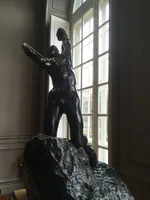
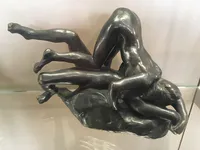
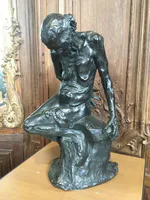
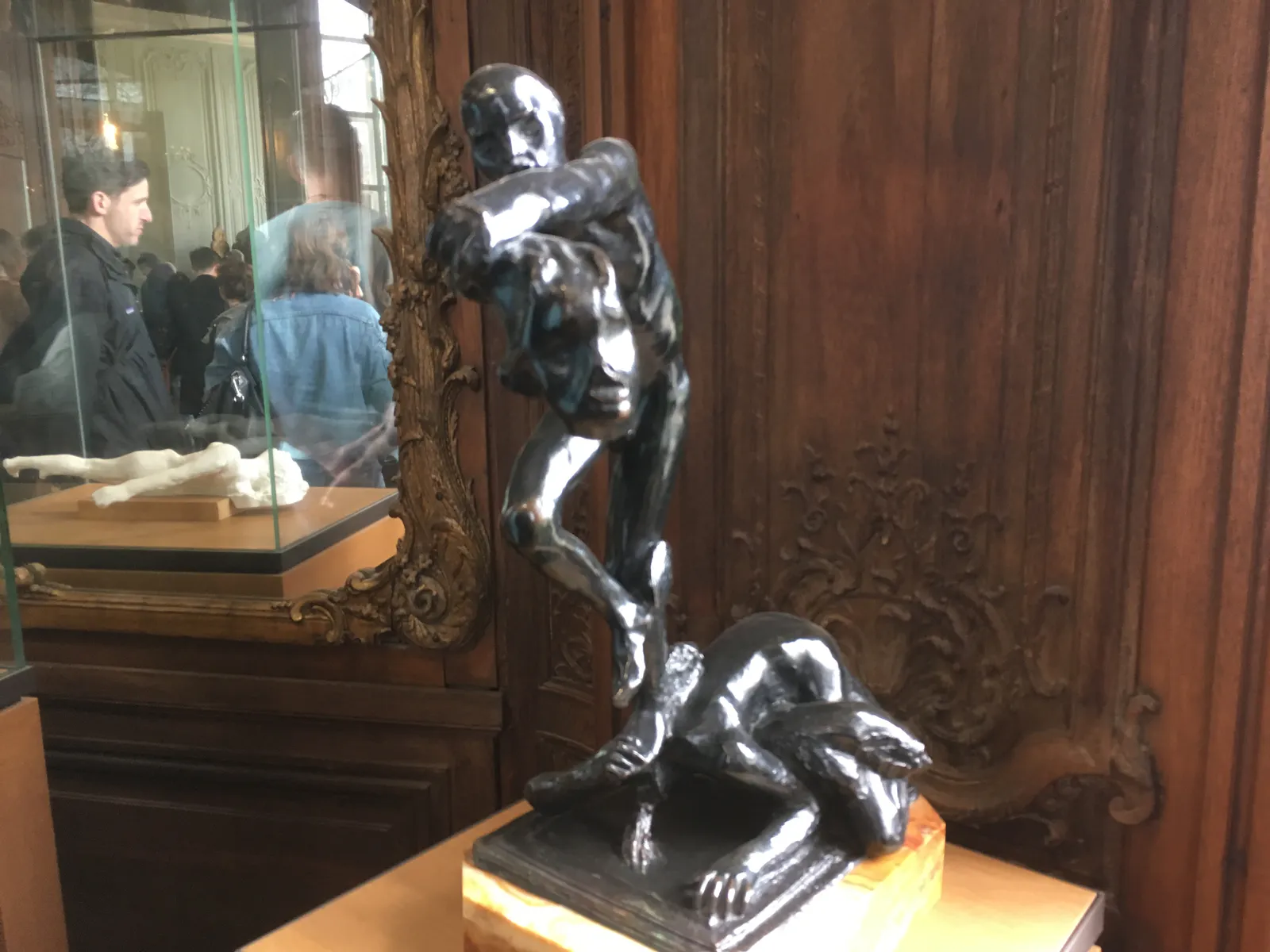
Rodin’s bronze sculpture (1902) depicts Perseus beheading Medusa, symbolizing triumph over adversity. Medusa, often viewed as a defeated threat, is said to resemble Camille Claudel, Rodin’s former partner, reflecting personal turmoil. The work intertwines myth with personal narrative, with Perseus embodying heroism and Medusa representing vanquished danger.