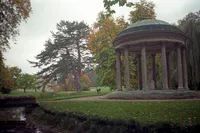
Temple of Love
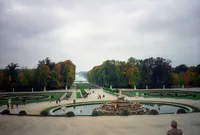
Gardens of Versailles
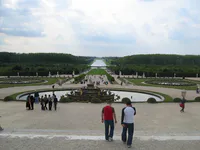
Latona Fountain and Grand Canal
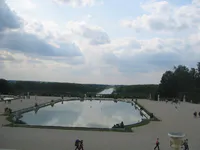
Grand Canal and Latona Basin
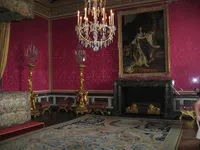
Louis XV in the Salon de Mercure
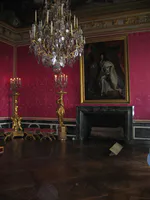
Portrait of Louis XIV, Salon de Mercure
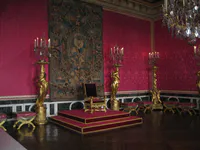
King’s State Room
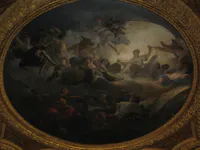
Apotheosis of Hercules
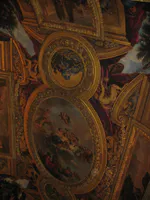
The Apotheosis of Hercules
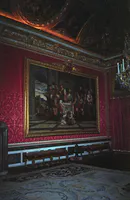
The Pilgrims at Emmaus
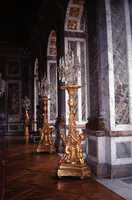
Candelabras, Hall of Mirrors
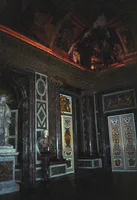
War Room
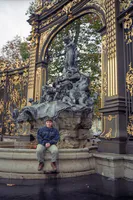
Fountain of Amphitrite

Petting Goats at the Hameau de la Reine

Max with Gary at Court of Honour
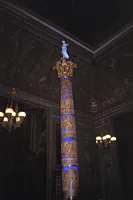
Column of the Temple of Glory
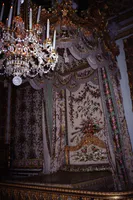
Marie Antoinette’s Bed
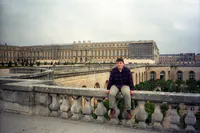
Max at the Orangerie Terrace
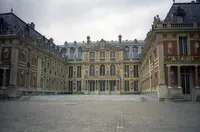
Marble Courtyard
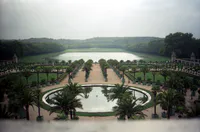
The Orangerie and Swiss Lake
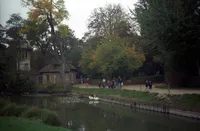
Marlborough Tower and Dairy
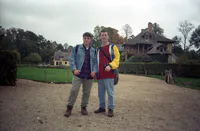
Rustic Retreat
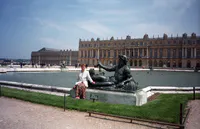
River God with Child
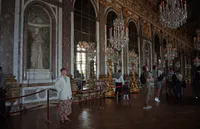
Mom at the Hall of Mirrors
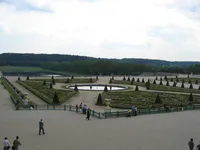
Parterre de l’Orangerie
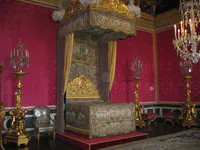
King’s State Bed
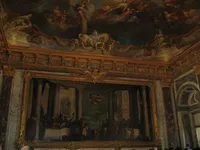
The Meal at the House of Simon
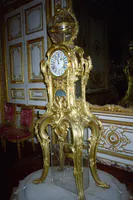
Astronomical Clock
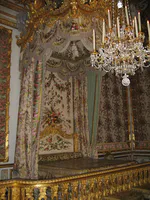
Queen’s Bedchamber Canopy and Alcove
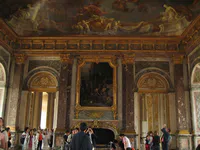
Room of Mars
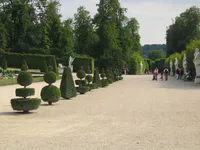
Alley of the Muses
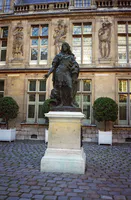
Statue of Louis XIV
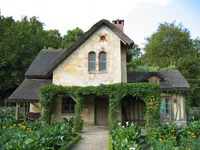
Cottage in Marie Antoinette’s Hamlet
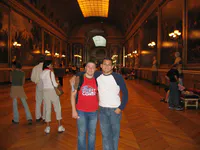
Galerie des Batailles
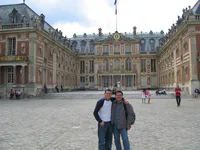
Luis and JJ at the Cour d’Honneur
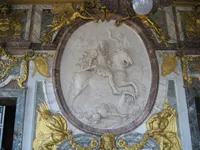
Louis XIV on Horseback
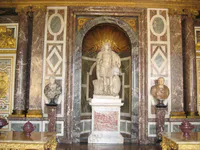
Louis XIV as Roman Emperor
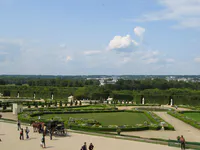
Parterre of the Orangery
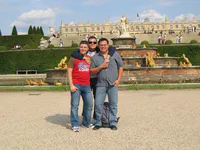
Max, Luis, and JJ at Latona Fountain
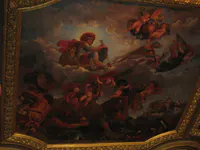
Apollo in His Chariot

Luis and JJ in the Allée des Deux-Trianons
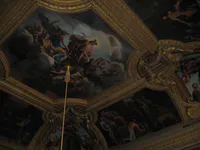
Mercury Presenting the Arts to Apollo
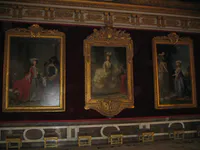
Queens of France in the Grand Couvert

Carp in the Grand Canal
Palace of VersaillesChâteau de Versailles
Palace of Versailles began as Louis XIII’s hunting lodge (1620s) and, from 1661, Louis XIV turned it—through Louis Le Vau, Jules Hardouin-Mansart, and André Le Nôtre—into a staged capital of absolute monarchy, where ritual, architecture, and gardens disciplined the nobility. The Hall of Mirrors projected France’s power to Europe, yet the palace also became a backdrop to rupture: the court’s departure in 1789 and the signing of the Treaty of Versailles in 1919. Its vast axes of stone and water still read as politics made landscape.
Explore by type and place