Administrative Councils in Spanish America
First Military Efforts in Peru and the Shift to the Sea
The First Military Efforts in Peru
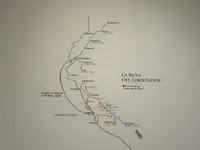
To secure the independence of the United Provinces of the Río de la Plata (present-day Argentina) and Chile, it was necessary to defeat the main royalist stronghold in South America. Three early land expeditions from Buenos Aires to Upper Peru all failed, convincing the Liberation Army to launch a maritime campaign instead.
The government of O’Higgins acquired ships and hired the prominent British naval officer Lord Thomas Cochrane, whose actions opened the way for the first operations on Peruvian territory
To secure the independence of the United Provinces of the Río de la Plata (present-day Argentina) and Chile, it was necessary to defeat the main royalist stronghold in South America. Three early land expeditions from Buenos Aires to Upper Peru all failed, convincing the Liberation Army to launch a maritime campaign instead.
The government of O’Higgins acquired ships and hired the prominent British naval officer Lord Thomas Cochrane, whose actions opened the way for the first operations on Peruvian territory
“A People That Oppresses Another Cannot Be Free”
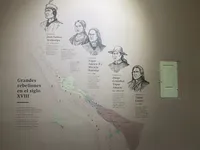
On 16 December 1810, Dionisio Inca Yupanqui, a deputy to the Cortes of Cádiz and direct descendant of the Inca Huayna Capac, declared: “A people that oppresses another cannot be free.” Having lived in Spain from a young age, he was elected to represent the Viceroyalty of Peru. He became known as an eloquent orator who defended equality between Spaniards and Americans in general, as well as the rights of Indigenous peoples.
Portraying Simón Bolívar: The Liberator on Canvas
The Liberator on Canvas
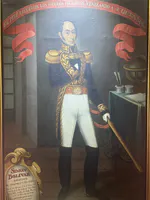
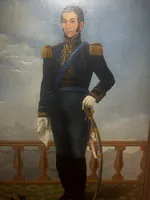
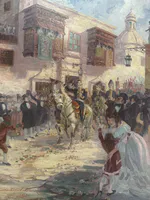
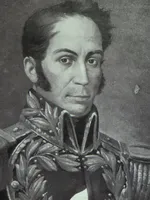
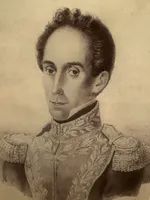
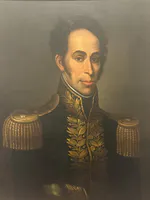
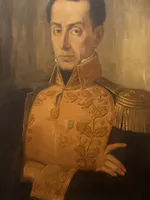
Few artists had the opportunity to portray General Simón Bolívar from life, among them Peruvian painters Pedro Rojas and José Gil de Castro. General Daniel Florencio O’Leary described Bolívar as having a very high, lined forehead, thick well-shaped eyebrows, dark piercing eyes, and a rather long but well-proportioned nose marked by a small wart. He noted prominent cheekbones, hollow cheeks, thick lips—especially the upper one—a strong jaw and chin, large ears, extremely black curly hair when worn long, and lighter sideburns and mustache. Bolívar’s figure was slender, his skin dark and rough, and his hands and feet strikingly small—features that painters sought to capture on canvas.
Lords of the Ychsma Chiefdom and Their Coastal Capital
Lords of the Ychsma Chiefdom
At the dawn of the second millennium, coastal lords consolidated their authority over various regions in a political organization known as Ychsma. A key strategy was the management of irrigation: intakes and canals formed a complex hydraulic network that made agriculture possible, marked territorial boundaries, and supplied resources to communities. During this period the ceremonial center of Pachacamac became the Ychsma capital, linked to administrative-ceremonial centers such as Armatambo, Puruchuco, Mateo Salado, and Huallamarca, some decorated with standardized fish and bird motifs.
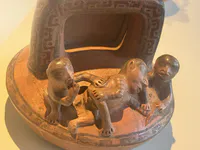
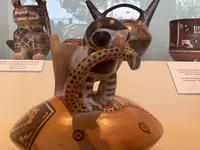
Ceramic production increased, with face-neck jars, painted or relief-decorated pots, and numerous vessels used as storage, tableware, and ritual offerings. In funerary practice, the Ychsma wrapped their dead in bundles, flexed and tied the bodies, and placed offerings such as food and coca leaves. Sometimes they added false heads or wooden masks as representations of the deceased.
At the dawn of the second millennium, coastal lords consolidated their authority over various regions in a political organization known as Ychsma. A key strategy was the management of irrigation: intakes and canals formed a complex hydraulic network that made agriculture possible, marked territorial boundaries, and supplied resources to communities. During this period the ceremonial center of Pachacamac became the Ychsma capital, linked to administrative-ceremonial centers such as Armatambo, Puruchuco, Mateo Salado, and Huallamarca, some decorated with standardized fish and bird motifs.
Ceramic production increased, with face-neck jars, painted or relief-decorated pots, and numerous vessels used as storage, tableware, and ritual offerings. In funerary practice, the Ychsma wrapped their dead in bundles, flexed and tied the bodies, and placed offerings such as food and coca leaves. Sometimes they added false heads or wooden masks as representations of the deceased.
Simón Bolívar Revealed Through Painted Portraits
The Liberator Through Painted Portraits
Only a few artists, among them Peruvians Pedro Rojas and José Gil de Castro, had the chance to portray General Simón Bolívar from life. His aide Daniel Florencio O’Leary described him in detail: a high, lined forehead; thick, well-shaped brows; dark, penetrating eyes; a rather long but well-formed nose marked by a small wart; prominent cheekbones and hollow cheeks; an unattractive mouth with thick, uneven lips but straight, white teeth; a strong jaw and chin; large ears; and extremely black, curly hair worn long, with lighter sideburns and moustache. Bolívar’s figure was thin, his skin dark and rough, and his hands and feet strikingly small.
Wari Expansion and Influence in the Central Andes
Wari Presence in the Region
In the 7th c. AD, the central Andes entered a period of profound change marked by the expansion of the Wari state from Ayacucho. This growth, apparently achieved largely through alliances rather than open violence, reshaped economic, social, cultural, and religious life. In Lima’s ceremonial centers such as Pucllana and Catalina Huanca, Wari funerary customs were adopted, and mortuary architecture changed as upper building levels were converted into tombs and mausoleums, creating large cemetery complexes.
Wari architecture and iconography can also be seen at sites like Socos and Cajamarquilla, and their influence is especially clear in Pachacamac’s Painted Temple, which gained prestige through the presence of the important coastal oracle. Wari impact extended to pottery styles such as Nievería, characterized by fine manufacture and decoration, modeled figures engaged in daily activities, fish designs, and mythical beings linked to the sea.
In the 7th c. AD, the central Andes entered a period of profound change marked by the expansion of the Wari state from Ayacucho. This growth, apparently achieved largely through alliances rather than open violence, reshaped economic, social, cultural, and religious life. In Lima’s ceremonial centers such as Pucllana and Catalina Huanca, Wari funerary customs were adopted, and mortuary architecture changed as upper building levels were converted into tombs and mausoleums, creating large cemetery complexes.
Wari architecture and iconography can also be seen at sites like Socos and Cajamarquilla, and their influence is especially clear in Pachacamac’s Painted Temple, which gained prestige through the presence of the important coastal oracle. Wari impact extended to pottery styles such as Nievería, characterized by fine manufacture and decoration, modeled figures engaged in daily activities, fish designs, and mythical beings linked to the sea.
Wari Expansion and Cultural Transformation in Coastal Peru
The Wari Presence in the Region
From the 7th c., the central Andes entered a period of profound change. The expansion of the Wari state from Ayacucho, apparently through alliances rather than open violence, reshaped the economy, society, culture, and belief systems. In Lima ceremonial centers such as Pucllana and Catalina Huanca, Wari funerary customs became dominant, and mortuary architecture changed as upper building levels were turned into tombs and mausoleums, forming large cemeteries.
Wari architecture and iconography are also visible at sites like Socos and Cajamarquilla, and even more clearly in the Painted Temple of Pachacamac, which gained prestige through the presence of the region’s most important coastal oracle. Wari influence likewise transformed pottery, as seen in the Nievería style: finely made, richly decorated vessels with modeled figures in daily activities and designs of fish and mythical beings linked to the sea.
From the 7th c., the central Andes entered a period of profound change. The expansion of the Wari state from Ayacucho, apparently through alliances rather than open violence, reshaped the economy, society, culture, and belief systems. In Lima ceremonial centers such as Pucllana and Catalina Huanca, Wari funerary customs became dominant, and mortuary architecture changed as upper building levels were turned into tombs and mausoleums, forming large cemeteries.
Wari architecture and iconography are also visible at sites like Socos and Cajamarquilla, and even more clearly in the Painted Temple of Pachacamac, which gained prestige through the presence of the region’s most important coastal oracle. Wari influence likewise transformed pottery, as seen in the Nievería style: finely made, richly decorated vessels with modeled figures in daily activities and designs of fish and mythical beings linked to the sea.
Simón Bolívar and the Fight for Andean Independence
Simón Bolívar
Born in Caracas in 1781, Simón Bolívar lost his father at an early age and was educated in part by his tutor Simón Rodríguez. In 1799 he traveled to Spain and later visited France and Italy, experiences that convinced him of the need to fight for American independence. Returning to Caracas in 1805, he joined the movement led by Francisco de Miranda five years later. After its defeat, he took refuge in Haiti, from where he resumed the struggle.
Bolívar eventually triumphed over royalist forces, consolidating the independence of New Granada. After his victory at Carabobo in Venezuela (1821), he turned his efforts southward. Following his meeting with San Martín in Guayaquil, he arrived in Peru to complete its liberation, becoming the central figure in the final military campaigns that secured independence in the Andean region.
Born in Caracas in 1781, Simón Bolívar lost his father at an early age and was educated in part by his tutor Simón Rodríguez. In 1799 he traveled to Spain and later visited France and Italy, experiences that convinced him of the need to fight for American independence. Returning to Caracas in 1805, he joined the movement led by Francisco de Miranda five years later. After its defeat, he took refuge in Haiti, from where he resumed the struggle.
Bolívar eventually triumphed over royalist forces, consolidating the independence of New Granada. After his victory at Carabobo in Venezuela (1821), he turned his efforts southward. Following his meeting with San Martín in Guayaquil, he arrived in Peru to complete its liberation, becoming the central figure in the final military campaigns that secured independence in the Andean region.

Andean Uprisings
Dionisio Inca Yupanqui: Equality in the Cádiz Cortes
Dionisio Inca Yupanqui in the Cádiz Cortes
“Un pueblo que oprime a otro no puede ser libre” (“A people that oppresses another cannot be free”). With this phrase, Dionisio Inca Yupanqui—direct descendant of the Inca Huayna Capac—summarized his political conviction before the Cádiz Cortes on 16 December 1810. Having lived in Spain from a young age, he was elected deputy for the Viceroyalty of Peru when the Cortes were convened. There he distinguished himself as an orator, defending equality between Spaniards and Americans and advocating for the rights of Indigenous peoples within the imperial framework.
José de San Martín: From Río de la Plata to Peru’s Independence
José De San Martín
José de San Martín was born in 1778 in Yapeyú, in the Viceroyalty of Río de la Plata. Educated in Spain, he joined the army and fought against the French. Back in Buenos Aires, he distinguished himself at the Battle of San Lorenzo (1813). As governor of Cuyo (1814), he helped O’Higgins reorganize the Chilean forces defeated at Rancagua and, leading the Army of the Andes, liberated Chile in 1817. After the victory of Maipú (1818), he formed the Liberation Army and from 1820 led the Peruvian independence campaign, occupying territories with the support of soldiers and montoneros. As Peru’s ruler (1821–1822), he created key public institutions, promoted a constitutional monarchy, and left the country in September 1822.
Ychsma Lords, Irrigated Valleys, and Sacred Ceramics
Ychsma Lords and Irrigated Valleys
At the dawn of the 2nd millennium AD, coastal lords consolidated power over several regions in an organization known as Ychsma. A key strategy was their hydraulic system: intakes and canals formed a complex irrigation network that prepared agricultural land, marked territorial boundaries, and supplied resources to local communities. During this period Pachacamac became the Ychsma capital, linked to other administrative–ceremonial centers such as Armatambo, Puruchuco, Mateo Salado, and Huallamarca, whose murals often showed standardized fish and bird motifs.
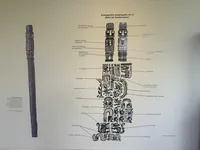
Ceramic production expanded. The Ychsma made “face-neck” jars with modeled heads on the vessel rim, as well as painted or relief-decorated cooking pots, and large containers for storage, domestic use, and ritual offerings for the dead. Funerary customs included wrapping the deceased in bound bundles, accompanied by offerings such as food and coca leaves; at times they added false heads or wooden masks to the fardos.
At the dawn of the 2nd millennium AD, coastal lords consolidated power over several regions in an organization known as Ychsma. A key strategy was their hydraulic system: intakes and canals formed a complex irrigation network that prepared agricultural land, marked territorial boundaries, and supplied resources to local communities. During this period Pachacamac became the Ychsma capital, linked to other administrative–ceremonial centers such as Armatambo, Puruchuco, Mateo Salado, and Huallamarca, whose murals often showed standardized fish and bird motifs.
Ceramic production expanded. The Ychsma made “face-neck” jars with modeled heads on the vessel rim, as well as painted or relief-decorated cooking pots, and large containers for storage, domestic use, and ritual offerings for the dead. Funerary customs included wrapping the deceased in bound bundles, accompanied by offerings such as food and coca leaves; at times they added false heads or wooden masks to the fardos.
From Failed Land Campaigns to a Naval Path to Independence
First Military Efforts Toward Peruvian Independence
To secure the independence of the United Provinces of the Río de la Plata (present-day Argentina) and Chile, it was essential to dismantle the main royalist stronghold in South America. Three early land campaigns launched from Buenos Aires toward Upper Peru ended in failure, convincing the Liberation Army of the need for a naval strategy.
The Chilean government of Bernardo O’Higgins acquired ships and hired distinguished British naval officer Lord Thomas Cochrane, whose actions at sea opened the way for operations on Peruvian soil. This shift from unsuccessful terrestrial expeditions to a maritime campaign marked a crucial step in the broader struggle for independence in the region.
To secure the independence of the United Provinces of the Río de la Plata (present-day Argentina) and Chile, it was essential to dismantle the main royalist stronghold in South America. Three early land campaigns launched from Buenos Aires toward Upper Peru ended in failure, convincing the Liberation Army of the need for a naval strategy.
The Chilean government of Bernardo O’Higgins acquired ships and hired distinguished British naval officer Lord Thomas Cochrane, whose actions at sea opened the way for operations on Peruvian soil. This shift from unsuccessful terrestrial expeditions to a maritime campaign marked a crucial step in the broader struggle for independence in the region.

Portrait of Simón Bolívar
José de San Martín and the Road to Andean Independence
José de San Martín
José de San Martín was born in Yapeyú, in the Viceroyalty of the Río de la Plata, in 1778. Educated in Spain, he joined the army and fought against the French invasion. Returning to Buenos Aires, he distinguished himself in the Battle of San Lorenzo (1813). As governor of Cuyo from 1814, he helped O’Higgins reorganize the Chilean forces defeated at Rancagua and, leading the Army of the Andes, liberated Chile in 1817. After the victory of Maipú (1818), he organized the Liberation Army for the campaign to Peru.
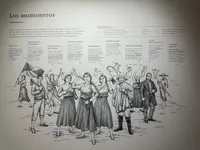
From 1820, San Martín directed the independence process in Peruvian territory with the support of regular troops and montoneros. During his government (1821–1822), he laid the foundations of the Peruvian state by creating key public institutions and promoting a constitutional monarchy. He left Peru in September 1822, having initiated its political organization and opened the way for the final phase of independence.
José de San Martín was born in Yapeyú, in the Viceroyalty of the Río de la Plata, in 1778. Educated in Spain, he joined the army and fought against the French invasion. Returning to Buenos Aires, he distinguished himself in the Battle of San Lorenzo (1813). As governor of Cuyo from 1814, he helped O’Higgins reorganize the Chilean forces defeated at Rancagua and, leading the Army of the Andes, liberated Chile in 1817. After the victory of Maipú (1818), he organized the Liberation Army for the campaign to Peru.
From 1820, San Martín directed the independence process in Peruvian territory with the support of regular troops and montoneros. During his government (1821–1822), he laid the foundations of the Peruvian state by creating key public institutions and promoting a constitutional monarchy. He left Peru in September 1822, having initiated its political organization and opened the way for the final phase of independence.
From Early Republican Experiments to Bolívar’s Leadership
The Auroral Republic
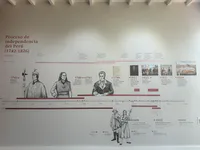
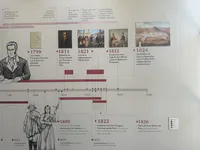
José de San Martín began organizing the Peruvian state, establishing the first ministries, institutions, and national symbols. After his departure in September 1822, a Supreme Governing Board took charge, and the first Constituent Congress was convened. By late February 1823, José de la Riva-Agüero had been elected president.
Conflict soon arose between Riva-Agüero and Congress, which disavowed him and appointed José Bernardo de Tagle in his place. Following a military setback for the patriot forces in September 1823, Congress invited Simón Bolívar to assume political and military command of Peru, marking the transition from the initial republican experiments to Bolívar’s decisive leadership in the independence process.
José de San Martín began organizing the Peruvian state, establishing the first ministries, institutions, and national symbols. After his departure in September 1822, a Supreme Governing Board took charge, and the first Constituent Congress was convened. By late February 1823, José de la Riva-Agüero had been elected president.
Conflict soon arose between Riva-Agüero and Congress, which disavowed him and appointed José Bernardo de Tagle in his place. Following a military setback for the patriot forces in September 1823, Congress invited Simón Bolívar to assume political and military command of Peru, marking the transition from the initial republican experiments to Bolívar’s decisive leadership in the independence process.
The Auroral Republic: Peru’s First Governments After Independence
The Auroral Republic
José de San Martín began organizing the Peruvian state, creating the first ministries, institutions, and national symbols. After his departure in September 1822, power passed to a Supreme Governing Board and the first Constituent Congress convened. By late February 1823, José de la Riva-Agüero was elected president of Peru.
The new president soon clashed with Congress, which removed him and named José Bernardo de Tagle as his successor. After a military setback for the patriots in September 1823, Congress invited Simón Bolívar to assume political and military command of Peru.
José de San Martín began organizing the Peruvian state, creating the first ministries, institutions, and national symbols. After his departure in September 1822, power passed to a Supreme Governing Board and the first Constituent Congress convened. By late February 1823, José de la Riva-Agüero was elected president of Peru.
The new president soon clashed with Congress, which removed him and named José Bernardo de Tagle as his successor. After a military setback for the patriots in September 1823, Congress invited Simón Bolívar to assume political and military command of Peru.
Spanish Crisis and the Rise of Revolutionary Juntas
Spanish Implosion and Governing Juntas
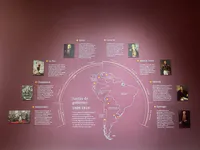
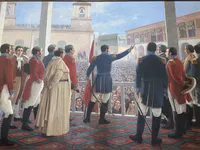
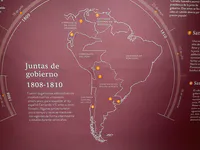
The Enlightenment and the American and French Revolutions provoked sharply different views of Spanish rule in America. Intellectuals split between those who wanted reforms without breaking with Spain and those who favored separation. The imprisonment of Ferdinand VII, the French invasion of Spain, and the liberal Constitution of Cádiz of 1812 intensified pro-independence ideas.
In this context, governing juntas emerged in several viceregal cities. Initially loyal to the Crown, they gradually became separatist. Viceroy Abascal fought them outside the Peruvian viceroyalty: his troops restored monarchical order in Quito (1809–1810) and Chile (1814), and waged a long war in Upper Peru against the forces of the Buenos Aires junta.
The Enlightenment and the American and French Revolutions provoked sharply different views of Spanish rule in America. Intellectuals split between those who wanted reforms without breaking with Spain and those who favored separation. The imprisonment of Ferdinand VII, the French invasion of Spain, and the liberal Constitution of Cádiz of 1812 intensified pro-independence ideas.
In this context, governing juntas emerged in several viceregal cities. Initially loyal to the Crown, they gradually became separatist. Viceroy Abascal fought them outside the Peruvian viceroyalty: his troops restored monarchical order in Quito (1809–1810) and Chile (1814), and waged a long war in Upper Peru against the forces of the Buenos Aires junta.
Spanish Crisis and the Rise of Revolutionary Juntas
Spanish Implosion and Governing Juntas
The Enlightenment and the American and French Revolutions provoked sharply different reactions toward Spanish rule in America. Intellectuals split between those who sought internal reform without breaking with the Crown and those who favored outright separation. The imprisonment of Ferdinand VII, the French invasion of Spain, and the liberal Constitution of Cádiz of 1812 intensified pro-independence ideas.
In this context, governing juntas were formed in several viceregal cities. Initially loyal to the monarchy, many evolved into separatist movements. Viceroy Abascal fought these uprisings beyond Peruvian territory: his forces restored royalist control in Quito (1809–1810) and Chile (1814), and waged a prolonged war in Upper Peru against the Junta of Buenos Aires, delaying the spread of independence.
The Enlightenment and the American and French Revolutions provoked sharply different reactions toward Spanish rule in America. Intellectuals split between those who sought internal reform without breaking with the Crown and those who favored outright separation. The imprisonment of Ferdinand VII, the French invasion of Spain, and the liberal Constitution of Cádiz of 1812 intensified pro-independence ideas.
In this context, governing juntas were formed in several viceregal cities. Initially loyal to the monarchy, many evolved into separatist movements. Viceroy Abascal fought these uprisings beyond Peruvian territory: his forces restored royalist control in Quito (1809–1810) and Chile (1814), and waged a prolonged war in Upper Peru against the Junta of Buenos Aires, delaying the spread of independence.
Simón Bolívar and the Fight for American Independence
Simón Bolívar
Simón Bolívar was born in Caracas in 1781 and lost his father at an early age. Taught in childhood by Simón Rodríguez, he travelled to Spain in 1799 and later visited France and Italy, where he became convinced of the need for American independence. He returned to Caracas in 1805 and, five years later, joined Francisco de Miranda’s forces. After their defeat he took refuge in Haiti, from where he relaunched the struggle, defeating royalist armies and securing New Granada’s independence. Following his victory at Carabobo (1821), he turned his efforts southward; after meeting San Martín in Guayaquil, he arrived in Peru to complete its liberation.
Quinta de los Libertadores
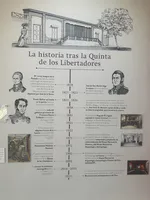
Quinta de los Libertadores is a historic estate that immerses visitors in the turbulent birth of the Peruvian Republic and the wider independence movements of South America. Through portraits, documents and bilingual panels, the museum highlights figures such as Simón Bolívar, José de San Martín and Dionisio Inca Yupanqui, tracing their ideas, campaigns and political projects. Rooms on early republican experiments show how new institutions, constitutions and symbols were forged amid conflict and uncertainty.
Beyond the story of the Liberators, the museum explores the deeper past of the central Andes. Exhibits on the Wari expansion and the coastal Ychsma lords present ceramics, funerary traditions and architectural remains from major sites such as Pachacamac, Pucllana and Cajamarquilla. Together, these sections reveal how pre-Hispanic powers organized territory, belief and daily life, offering a broader context for understanding the societies that later fought for independence.
Popular categories
Advertising space