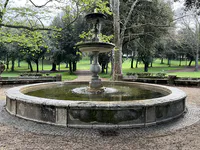
Parterre and Fountain
Pauline Bonaparte as Venus VictrixTemple of Aesculapius, Villa BorgheseThe Rape of ProserpinaSunset Among the Stone PinesAdoration of the ChildDavidApollo and DaphneThe Council of the GodsSaint Jerome WritingAeneas, Anchises, and AscaniusThe EntombmentBronze Statue of King Umberto IShaded Promenade of Villa BorgheseYoung Sick BacchusDavid with the Head of GoliathApollo and Daphne with The Apotheosis of RomulusMadonna and Child with St AnneRoman Civilization and the Heroic Virtue of HonorBoy with a Basket of FruitSacred and Profane LoveMale Herm with Fruit BasketFountain of the SatyrsFountain of VenusProspettiva Wall, Parco dei DainiMonument to Francisco de Paula SantanderParterre with Statues and TulipsMonument to Alexander PushkinGrotesque Fountain MaskParterre and FountainThe Quiet FountainMax Amid Roman EchoesThe Apotheosis of RomulusTruth Unveiled by TimeBust of Cardinal Scipione BorgheseYoung Woman with a UnicornHistoric Gardens of Villa BorgheseAtlantes and DeitiesMax aming Berninis and CaravaggiosPope Paul V BorghesePope Paul VMax Contemplates Bernini’s Pluto and ProserpinaVenus Blindfolding CupidNikolai GogolFireplace
Parterre and Fountain

1172
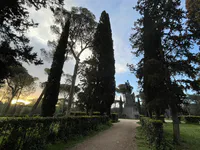
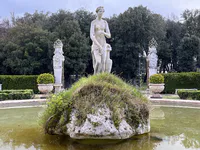
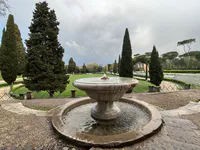
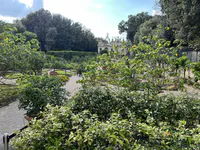
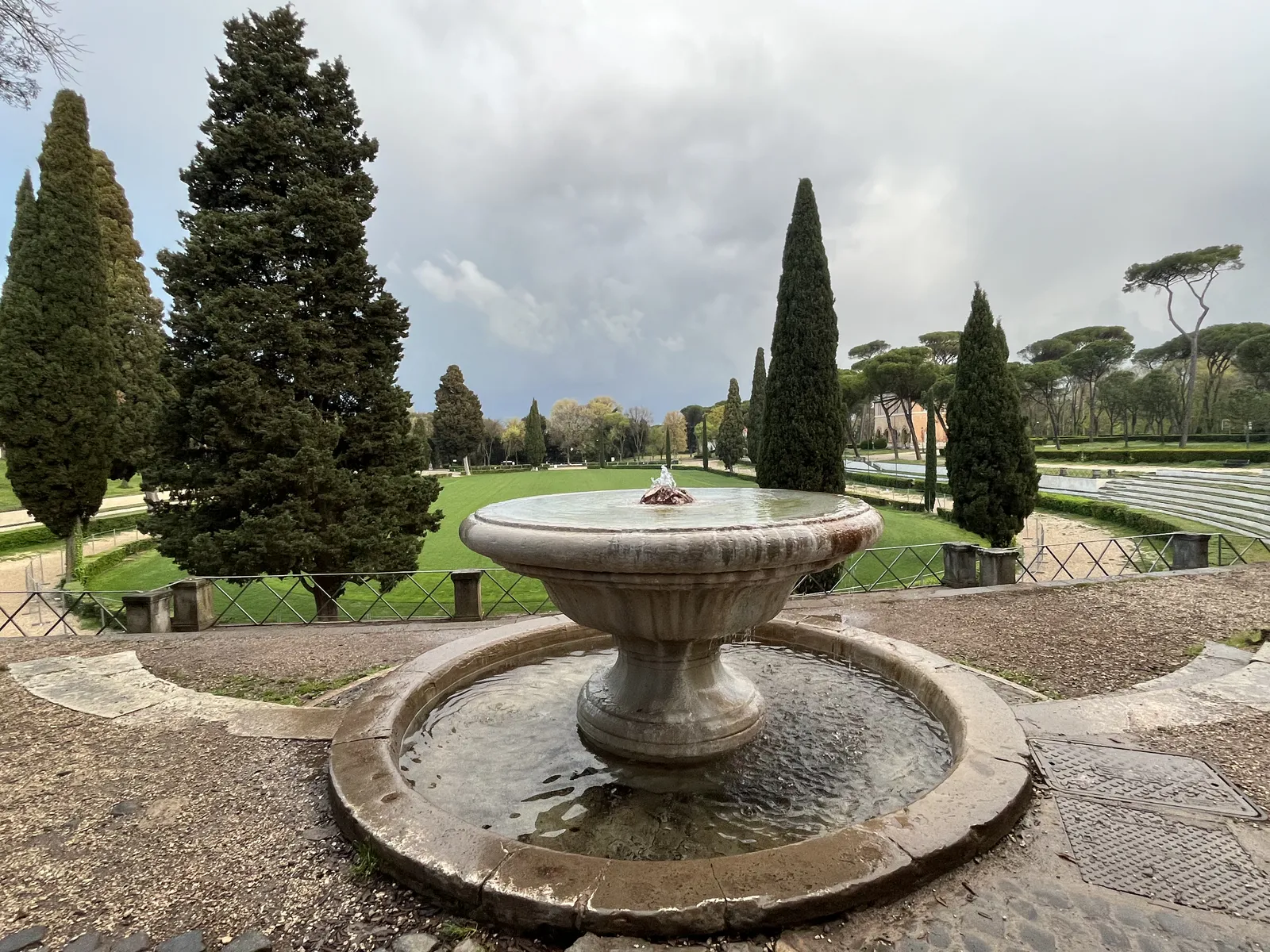
A low circular fountain stands at the center of a gravel terrace, with clipped cypresses framing a long, level lawn beyond. This parterre (formal garden of patterned beds and paths) form, developed in 16th–17th cc. France, spread across European aristocratic villas. The strict geometry here channels Baroque interest in mastering perspective and choreographing movement through garden space.