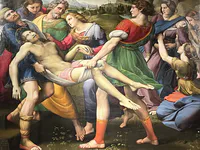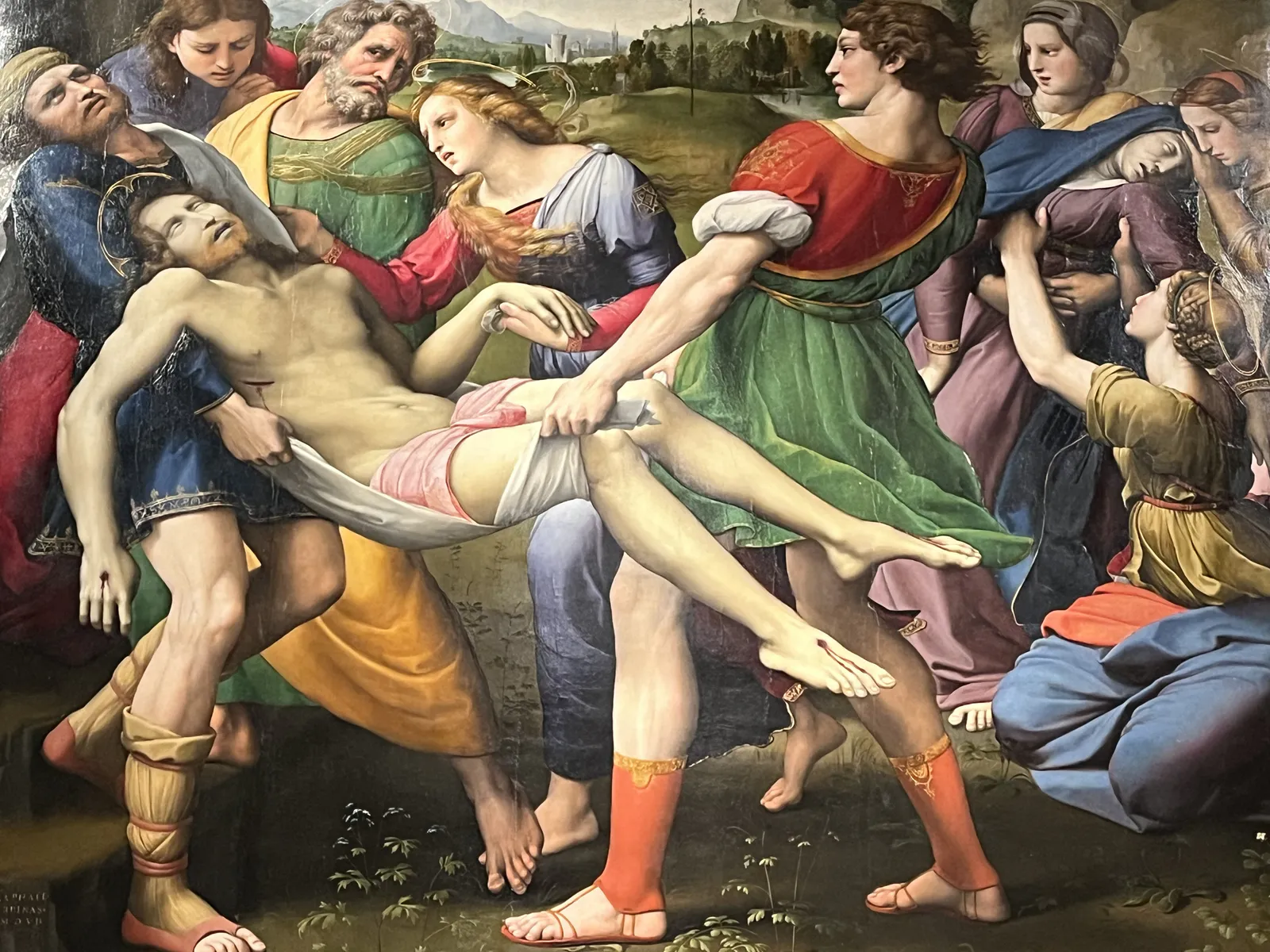
The Entombment
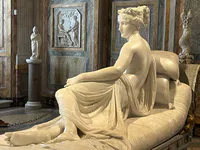
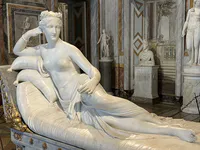
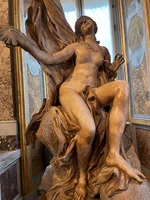
Pauline Bonaparte as Venus VictrixPauline Bonaparte as Venus Victrix
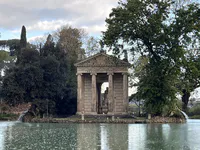
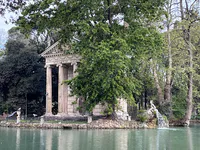
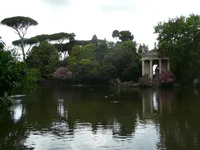
Temple of Aesculapius, Villa BorgheseTemple of AesculapiusTemple of Aesculapius
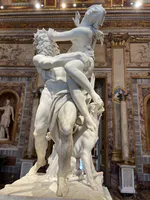
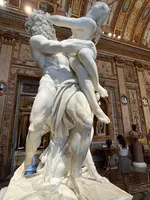
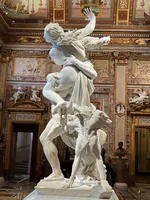
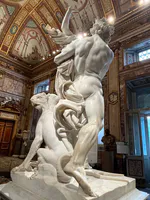
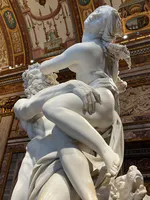
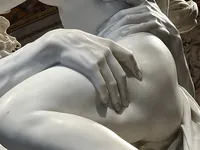
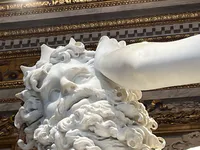
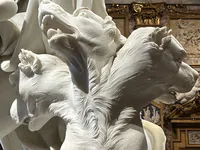
The Rape of ProserpinaThe Rape of ProserpinaThe Rape of ProserpinaThe Rape of ProserpinaThe Rape of ProserpinaThe Rape of ProserpinaThe Rape of ProserpinaCerberus
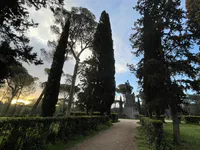
Sunset Among the Stone PinesSunset through the Stone Pines
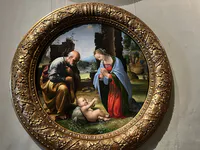
Adoration of the ChildAdoration of the Child
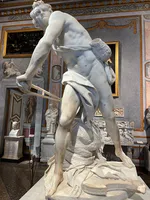
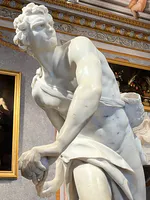
DavidDavid
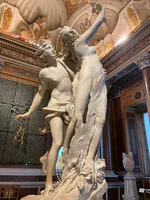
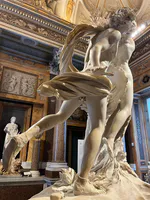
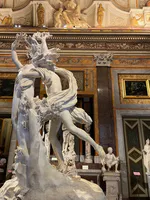
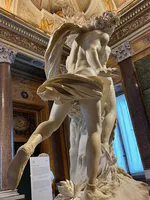
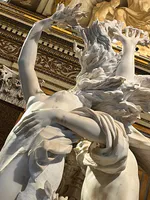
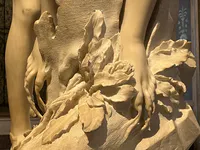
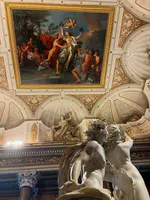
Apollo and DaphneApollo and DaphneApollo and DaphneApollo and DaphneApollo and DaphneDaphne’s Transformed Feet
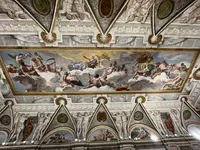
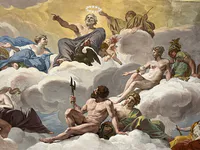
The Council of the GodsThe Council of the Gods
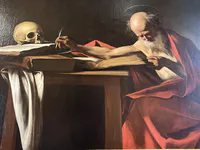
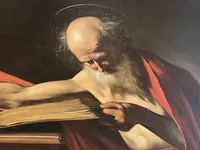
Saint Jerome WritingSaint Jerome Writing
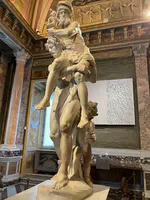
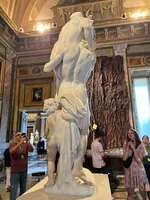
Aeneas, Anchises, and AscaniusAeneas, Anchises, and AscaniusAscanius
The EntombmentThe EntombmentThe Entombment
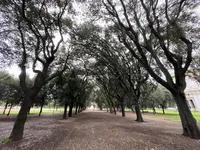
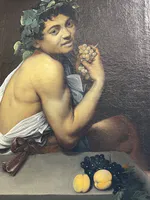
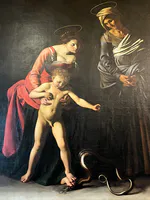
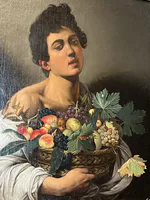
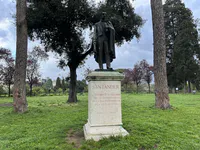
Bronze Statue of King Umberto IShaded Promenade of Villa BorgheseYoung Sick BacchusDavid with the Head of GoliathApollo and Daphne with The Apotheosis of RomulusMadonna and Child with St AnneRoman Civilization and the Heroic Virtue of HonorBoy with a Basket of Fruit
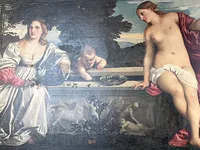
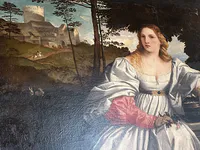
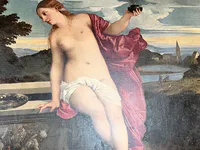
Sacred and Profane LoveSacred and Profane LoveSacred and Profane Love
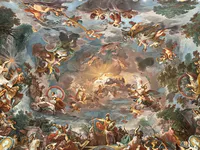
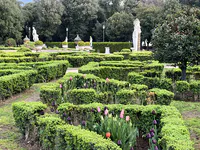
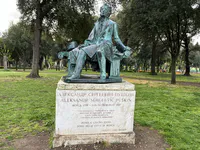
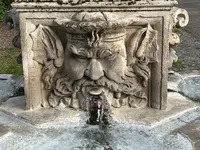
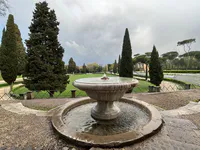
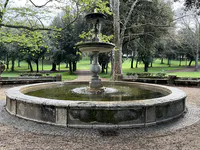
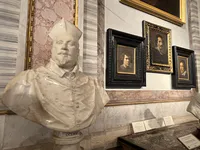
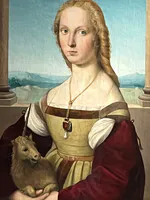
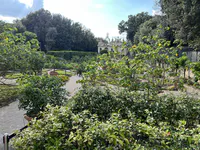
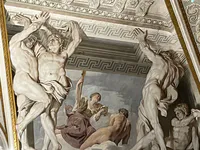
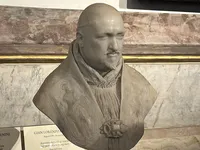
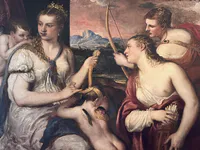
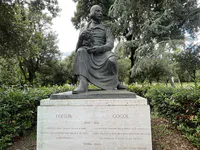
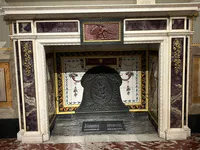
Male Herm with Fruit BasketFountain of the SatyrsFountain of VenusProspettiva Wall, Parco dei DainiMonument to Francisco de Paula SantanderParterre with Statues and TulipsMonument to Alexander PushkinGrotesque Fountain MaskParterre and FountainThe Quiet FountainMax Amid Roman EchoesThe Apotheosis of RomulusTruth Unveiled by TimeBust of Cardinal Scipione BorgheseYoung Woman with a UnicornHistoric Gardens of Villa BorgheseAtlantes and DeitiesMax aming Berninis and CaravaggiosPope Paul V BorghesePope Paul VMax Contemplates Bernini’s Pluto and ProserpinaVenus Blindfolding CupidNikolai GogolFireplace

The EntombmentRaphael

1643
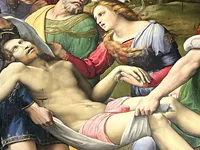
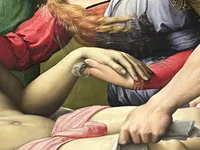
Commissioned in 1507 by Atalanta Baglioni to honor her slain son, this painting unites the Deposition, Lamentation, and Entombment in one scene. Raphael’s dynamic figures, especially Christ’s, show Michelangelo’s influence. Stolen in 1608 by agents of Cardinal Borghese, it now hangs in the Galleria Borghese. A 2020 restoration revealed vivid colors, delicate sfumato (soft tonal blending), and adjustments in Raphael’s evolving design.