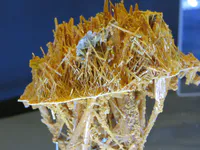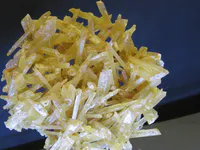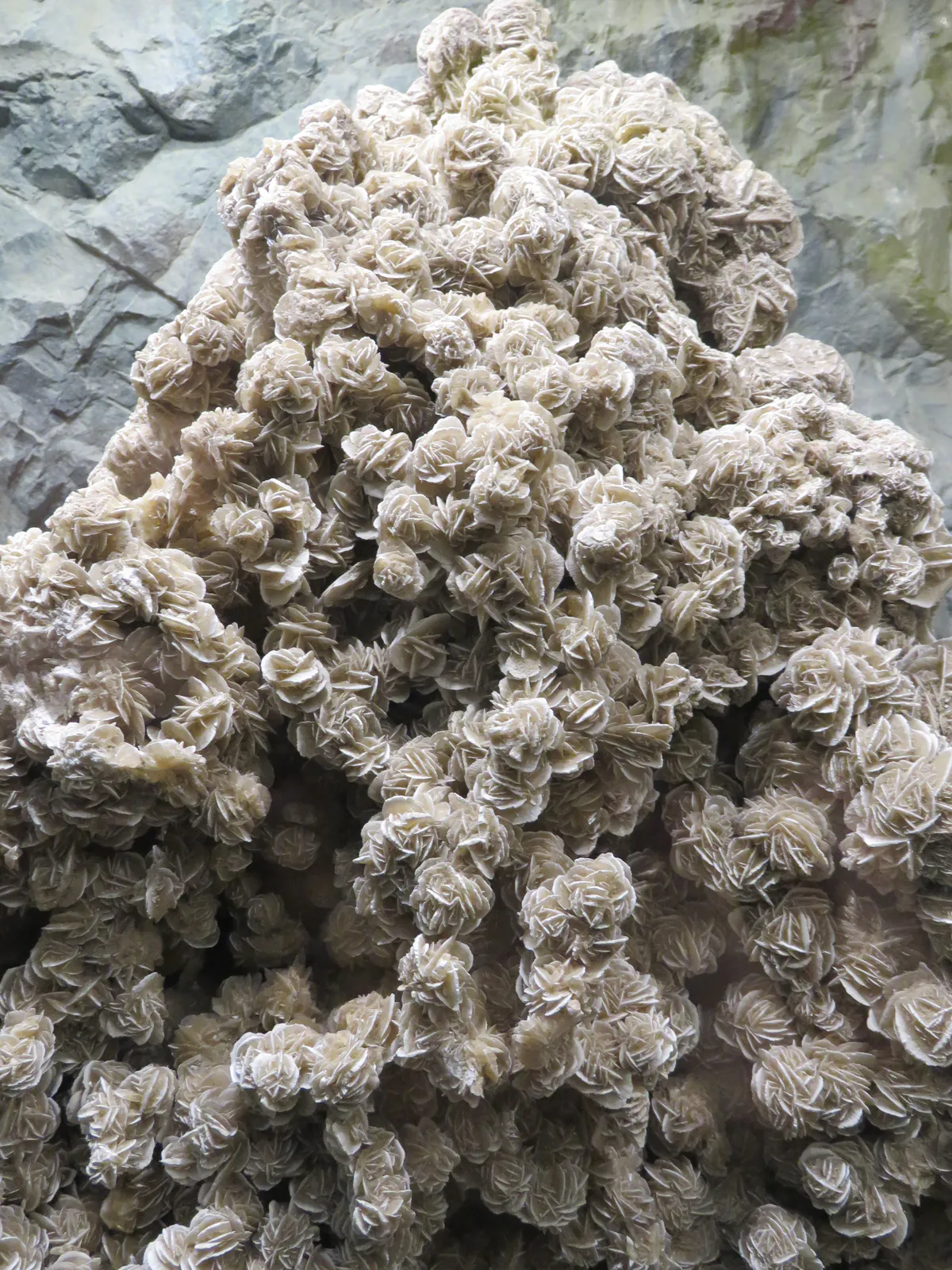
Desert Rose Crystal Cluster
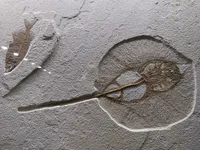
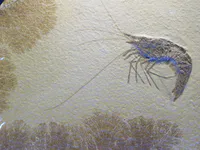
Fossil Stingray and Bony FishShrimp Fossil
Gypsum Desert RoseDesert Rose Crystal ClusterDesert Rose Crystals
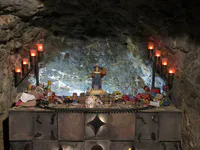
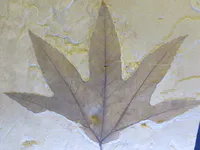
Pyrite ClusterMetallic Spires and CavitiesBlue-Violet GeodeInterlaced Gypsum CrystalsUnderground Altar to the Holy Child of AtochaFossilized Sycamore LeafYellow Selenite CrystalsPetrified Wood Cross-SectionKnightia eocaena Fish FossilQuartz and PyrrhotiteScolecite Crystal SpraysFluorescent OpalTangle of Translucent NeedlesBats Beneath a Rock LedgeFluorescent CalciteRuby in ZoisiteCrystalline GeodeAmethyst Crystal ClustersFish Fossil in StoneSelenite Crystal ClusterMalachite-Lined Cavity

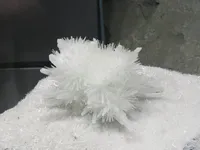
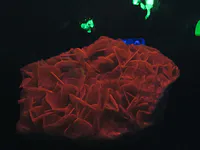
Desert Rose Crystal Cluster

736
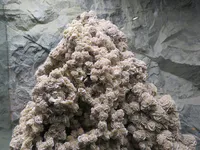
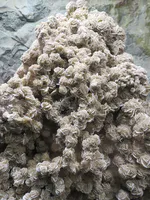
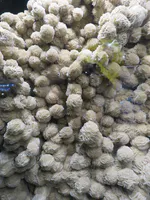
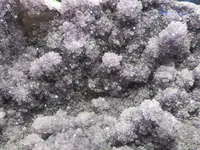
Overlapping gypsum blades form dense, pale rosettes that give this desert rose cluster its flower-like appearance. Such formations grow in sandy ground as mineral-rich water evaporates, trapping sand grains within the developing crystals. The included sand contributes to their tan color. Gypsum is soft and brittle, leaving the thin blades vulnerable to damage.