Selenite: Properties and Uses
Fossilized Fish and Horseshoe CrabCluster of Amethyst CrystalsFossilized ShrimpSelenite Desert RosePyrite ClusterColorful Mineral Slag FormationAzurite and Quartz GeodeUses and Properties of GypsumAltar to El Niño de Atocha in a MineFossilized Sycamore LeafSelenite: Properties and UsesFossilized Wood SpecimenKnightia eocaena Fish FossilQuartz and Pyrrhotite MineralsScolecite: Characteristics and UsesFluorescent OpalProperties and Uses of Glass FiberBats Roosting in a CaveFluorescent Calcite MineralRuby in Zoisite Mineral SpecimenCrystalline GeodeFossilized Fish on Stone SurfaceSelenite Gypsum Crystal FormationVibrant Green Malachite Specimen

Selenite: Properties and Uses

527
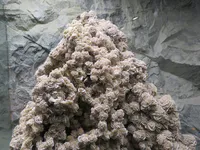
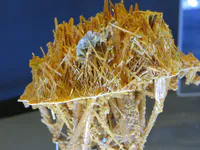
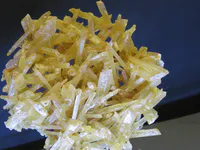
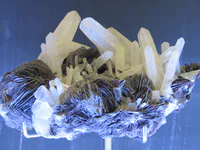
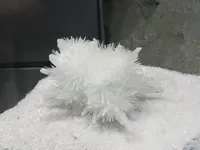
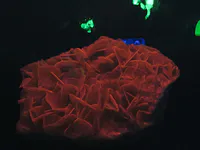
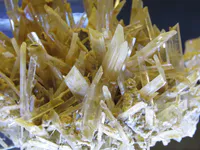
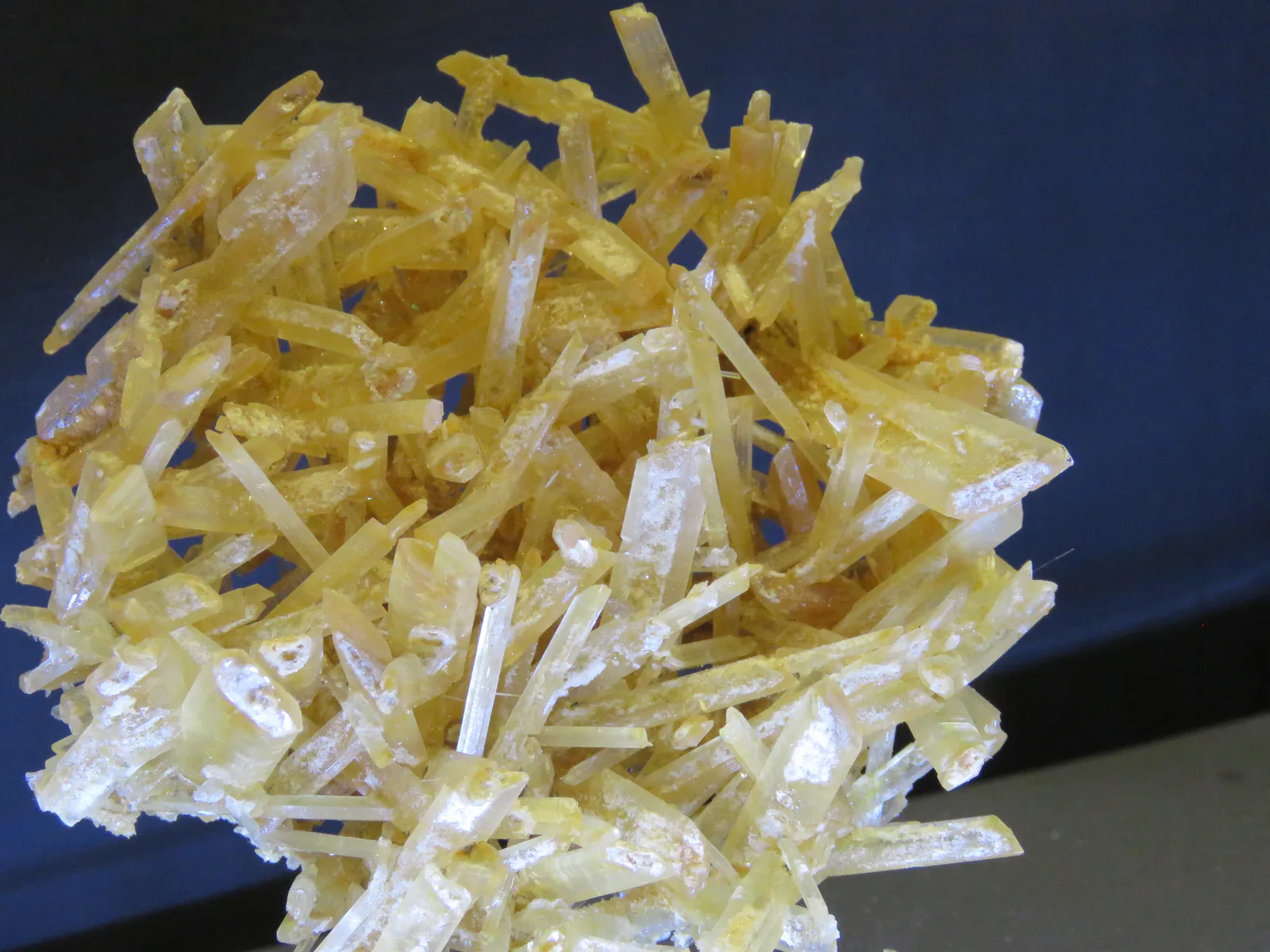
Selenite is a crystalline form of gypsum, named after the Greek word for ’moon’ due to its ethereal look. Composed of hydrous calcium sulfate (CaSO4·2H2O), it is a soft mineral that requires careful handling. Known for its purported healing properties, selenite is believed to promote clarity and cleanse energy. It is found in Mexico, Morocco, and the USA, and is typically colorless, white, or gray, with occasional tints from impurities.