Uses and Properties of Gypsum
Fossilized Fish and Horseshoe CrabCluster of Amethyst CrystalsFossilized ShrimpSelenite Desert RosePyrite ClusterColorful Mineral Slag FormationAzurite and Quartz GeodeUses and Properties of GypsumAltar to El Niño de Atocha in a MineFossilized Sycamore LeafSelenite: Properties and UsesFossilized Wood SpecimenKnightia eocaena Fish FossilQuartz and Pyrrhotite MineralsScolecite: Characteristics and UsesFluorescent OpalProperties and Uses of Glass FiberBats Roosting in a CaveFluorescent Calcite MineralRuby in Zoisite Mineral SpecimenCrystalline GeodeFossilized Fish on Stone SurfaceSelenite Gypsum Crystal FormationVibrant Green Malachite Specimen

Uses and Properties of Gypsum

518
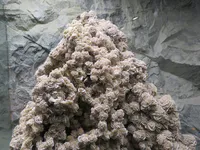
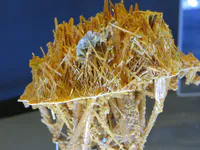
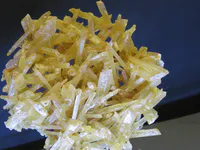
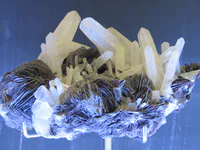
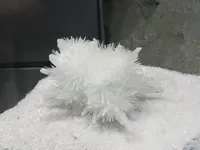
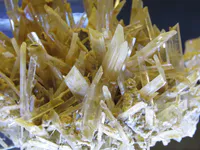
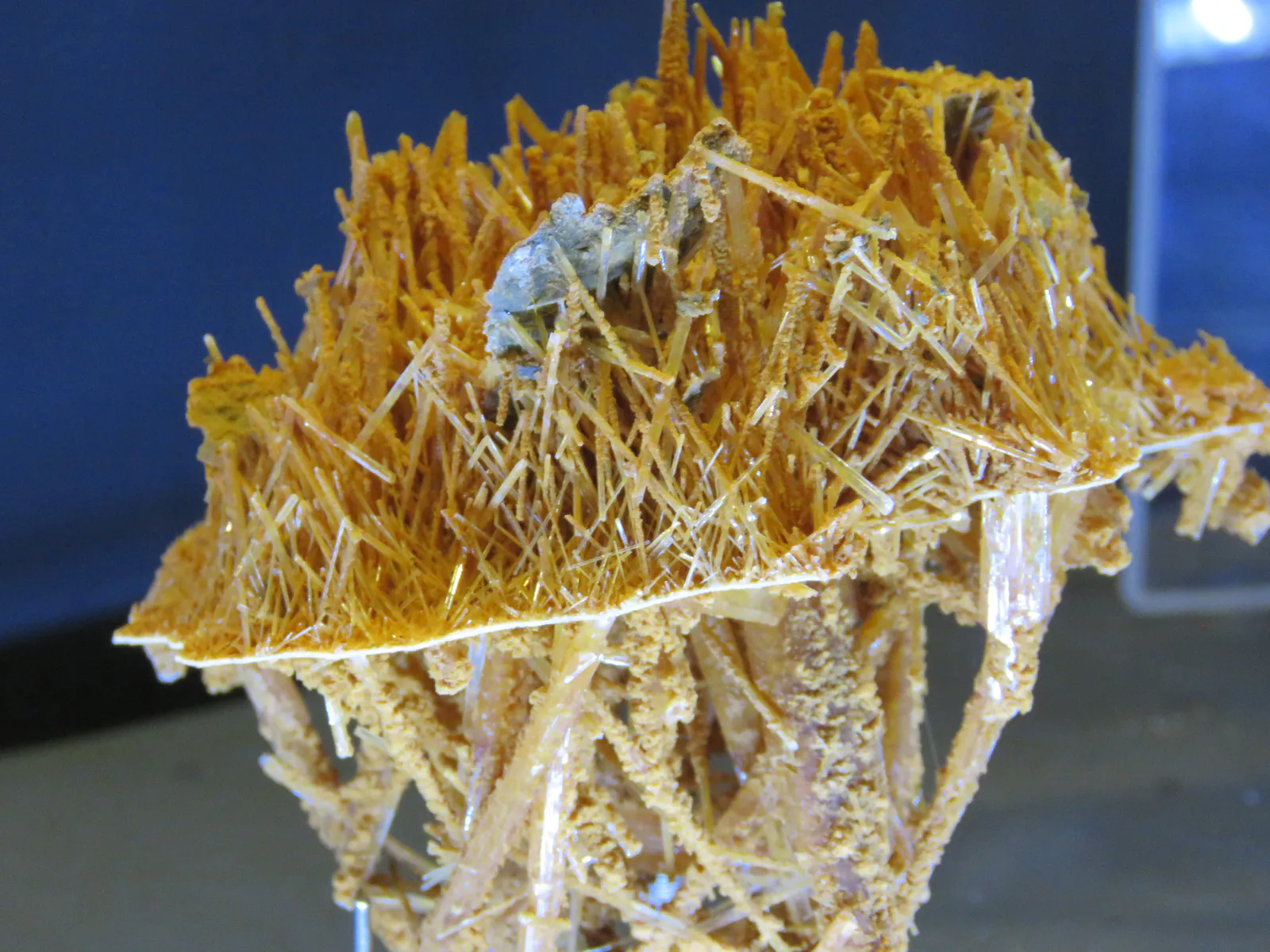
Gypsum, a soft sulfate mineral (CaSO₄·2H₂O), is crucial in various industries. Found in forms like alabaster and selenite, it originates in evaporitic environments. In construction, gypsum is key for drywall and plaster of Paris, valued for fire resistance and moldability. In agriculture, it enhances soil structure and supplies nutrients. Gypsum is also used in food processing, paper, textiles, and decorative arts, underscoring its versatility and industrial importance.