Properties and Uses of Glass Fiber
Fossilized Fish and Horseshoe CrabCluster of Amethyst CrystalsFossilized ShrimpSelenite Desert RosePyrite ClusterColorful Mineral Slag FormationAzurite and Quartz GeodeUses and Properties of GypsumAltar to El Niño de Atocha in a MineFossilized Sycamore LeafSelenite: Properties and UsesFossilized Wood SpecimenKnightia eocaena Fish FossilQuartz and Pyrrhotite MineralsScolecite: Characteristics and UsesFluorescent OpalProperties and Uses of Glass FiberBats Roosting in a CaveFluorescent Calcite MineralRuby in Zoisite Mineral SpecimenCrystalline GeodeFossilized Fish on Stone SurfaceSelenite Gypsum Crystal FormationVibrant Green Malachite Specimen

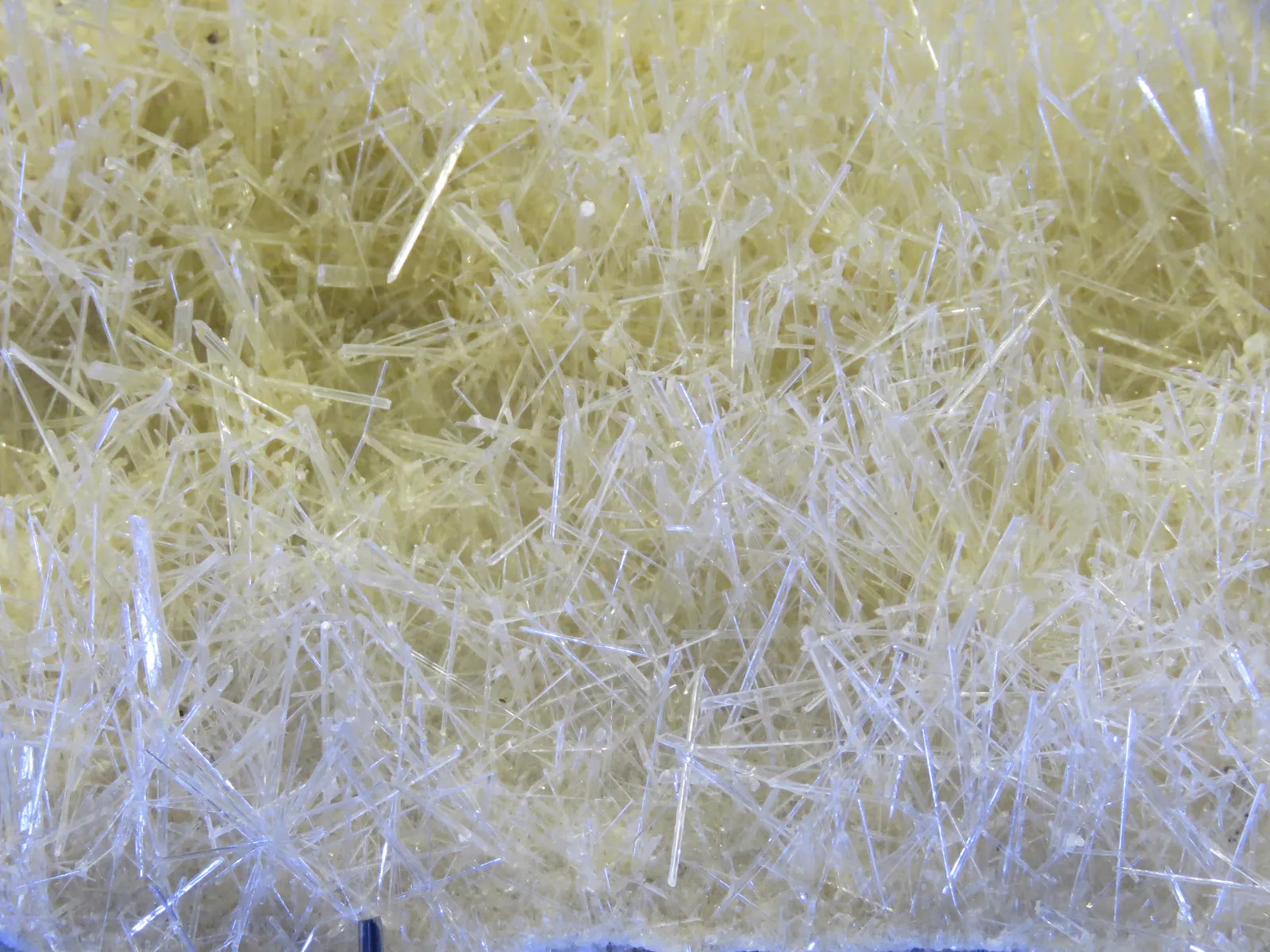
Properties and Uses of Glass Fiber

554
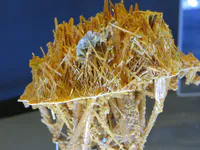
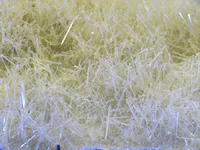
Glass fiber, made from fine silica strands, is known for its high tensile strength and resistance to chemicals and temperature. It acts as an electrical insulator and reinforces plastics as fiberglass, essential in construction materials. Produced by drawing molten glass into thin strands, often finer than human hair, it provides a lightweight, strong, and cost-effective alternative to carbon fiber, crucial in various industries.