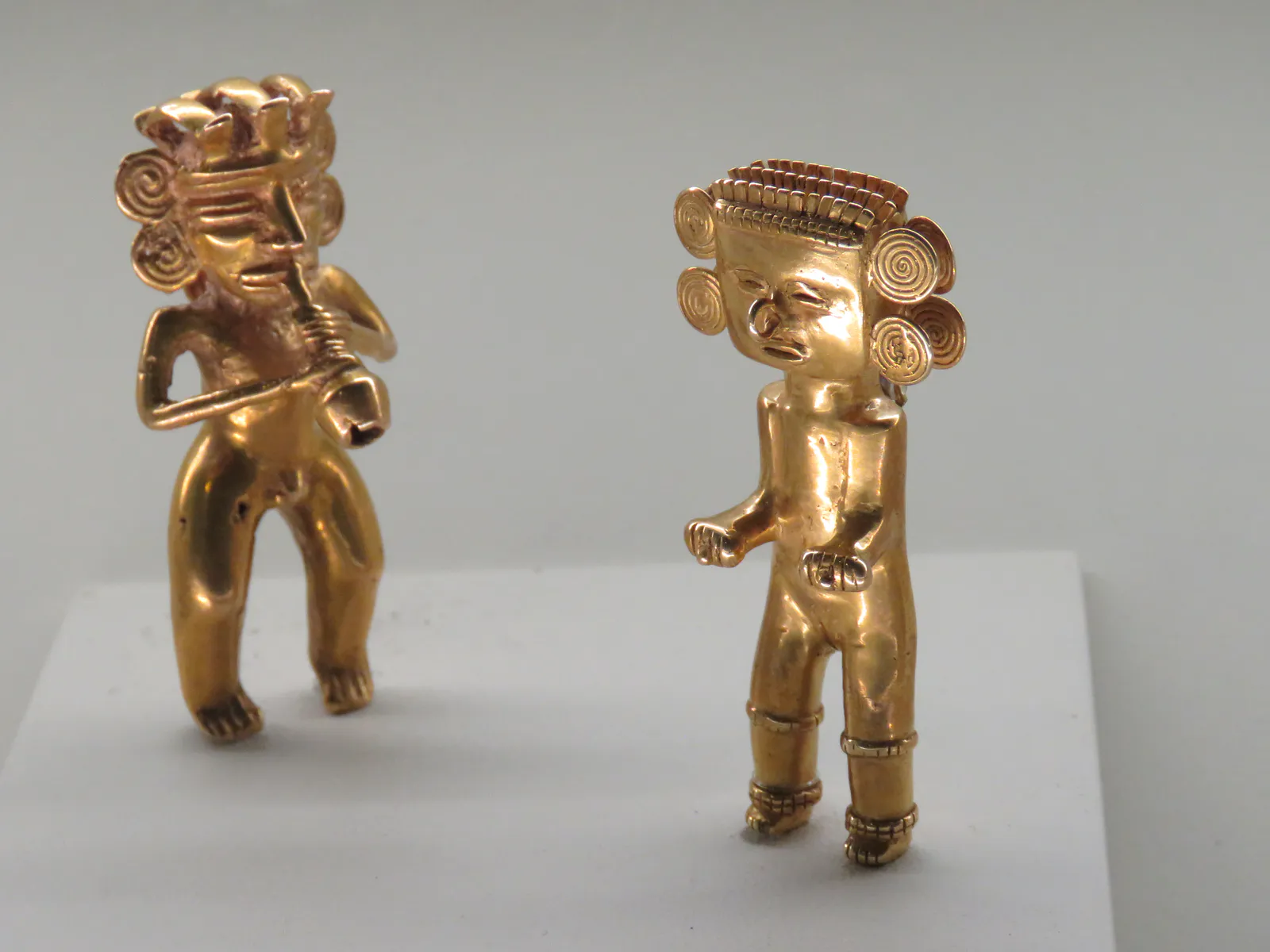
Quimbaya-Style Musician and Dancer
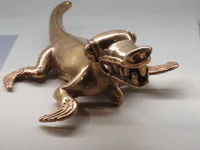
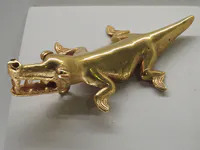
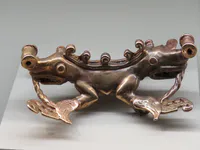
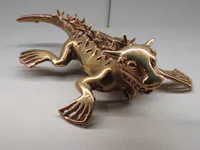
Diquís Crocodile Pendant with Bared TeethDiquís Crocodile PendantDiquís Double-Headed Crocodile PendantDiquís Spiny Crocodile PendantQuimbaya-Style Musician and DancerQuimbaya-Style MusicianQuimbaya-Style Dancer
Diquís WarriorChorotega Gold Idol PendantGold Nuggets from the Sierpe RiverDiquís Crab PendantDiquís Ceremonial Plaza and Chiefs’ HousesDiquís Gold Frog PendantDiquís Raptor PendantDiquís Bat PendantDiquís Harpy Eagle PendantDiquís Gold Pectoral Symbol of PowerAncient Gold Shark PendantsDiquís Gold Feline PendantGold Shamanic Bird PendantAncient Gold Earring with Human HeadDiquís Gold Pendant with Winged BeingDiquís Twin-Headed Turtle PendantGuanín Rattle PendantDiquís Openwork Gold RattleZoomorphic Mythical PendantsQuimbaya-Style Gold Pendants: Seated Ruler and ShamanDiquís Frog and Anthropomorphic PendantsDiquís Lobster PendantsDiquís Frog–Bat Pendant with Nose RingDiquís Gold Ornament with Shamanic FiguresDiquís Gold Pendant with PredatorDiquís Turtle Bell PendantDiquís Composite Animal with MaizeMasked Shaman PendantDiquís Bird PendantsDiquís Pendant of Flute PlayersQuimbaya-Zenú Style Pendant with Seated FigureDiquís Harpy Eagle–Alligator PendantDiquís Avian Pendant with Spread WingsDiquís Pendants of MusiciansDiquís Gold Pendant with Dangling OrnamentsDiquís Stone SphereDiquís Frog–Jaguar PendantDiquís Gold Pendant of a PredatorDiquís Gold Figures with RattlesDiquís Lizard-Masked Ritual Pendant
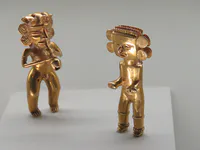
Quimbaya-Style Musician and Dancer

708
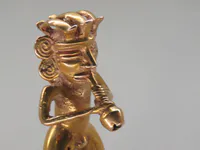
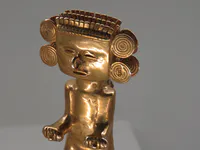
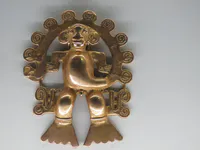
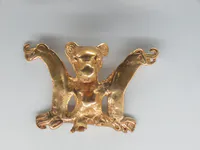
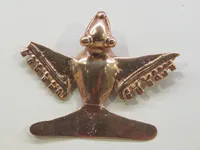
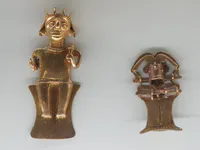
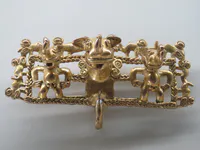
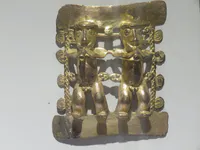
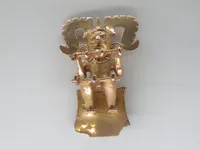
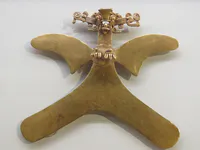
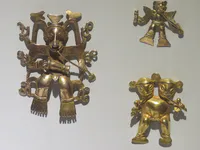
These gold figures (300–700) reflect Quimbaya influence from Colombia’s Caribbean coast, yet were found in Costa Rica’s Atlantic region. The hollow musician on the left plays a wind instrument, while the solid dancer on the right wears spiral earrings and an elaborate headdress. Their stylized bodies and facing poses evoke a shared ritual performance, hinting at long-distance cultural exchange.