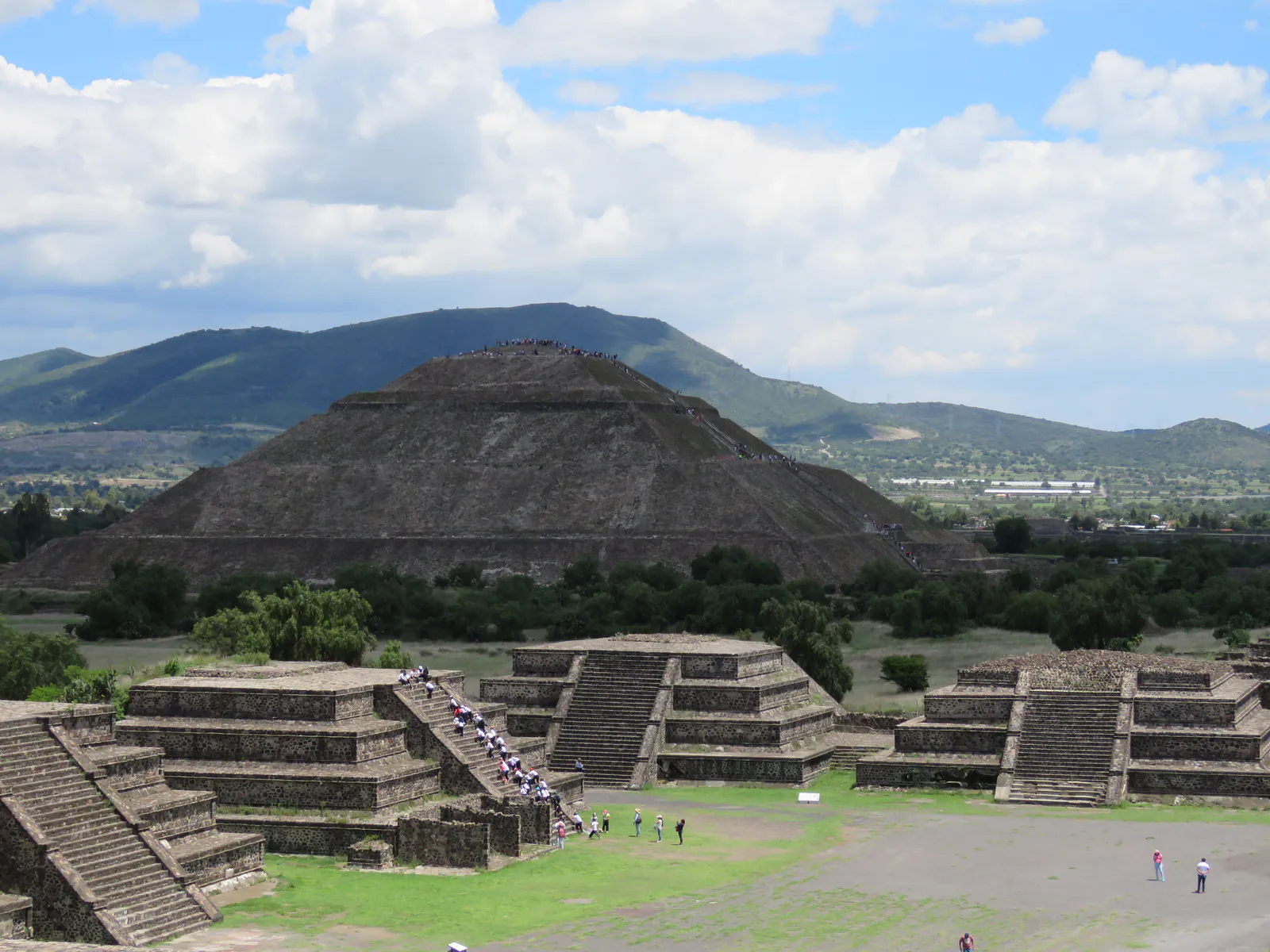
Pyramid of the Sun from the Plaza of the Moon
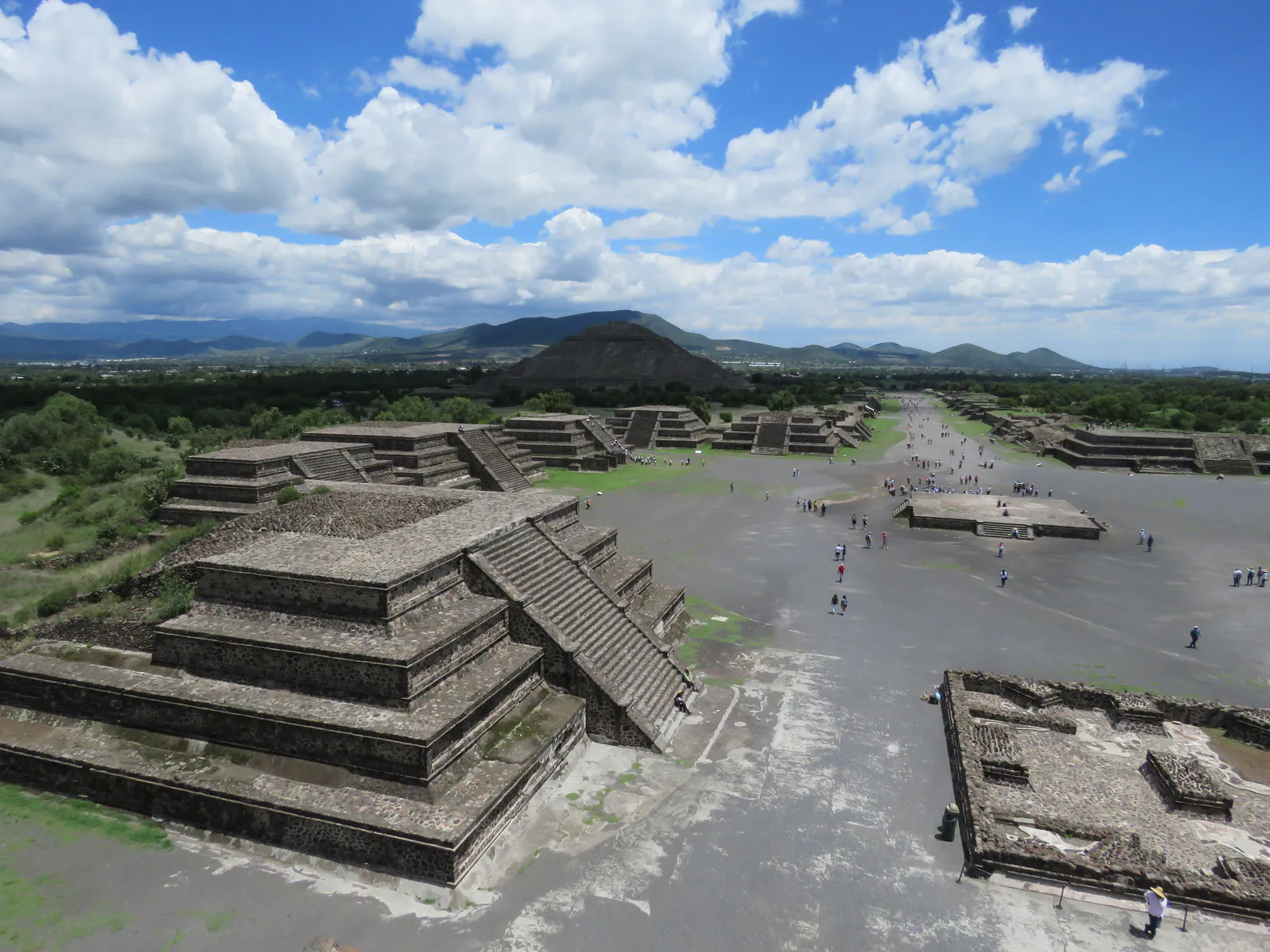
Avenue of the Dead and Pyramid of the Sun
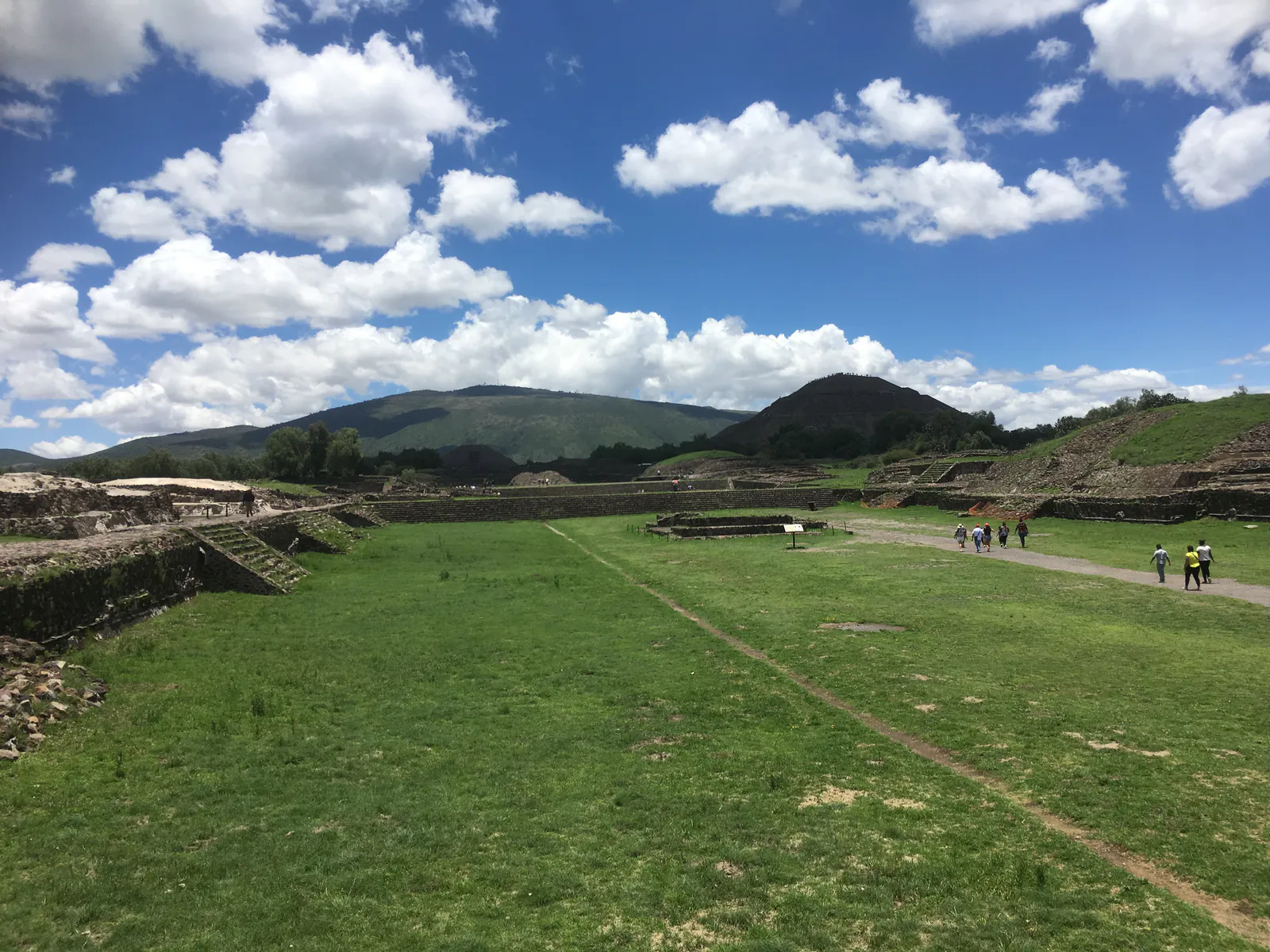
Central Courtyard of the Ciudadela
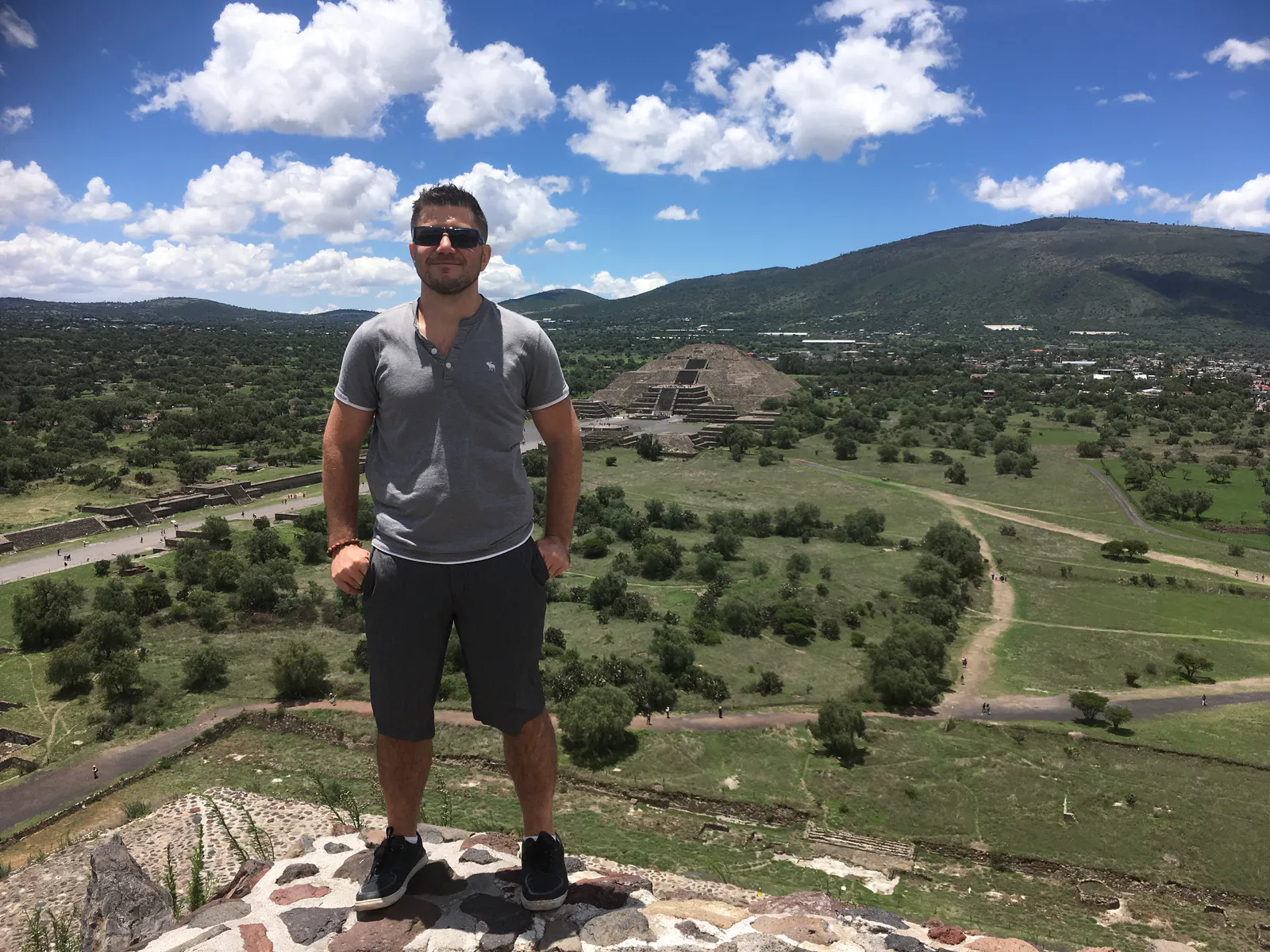
Max Overlooking Teotihuacán
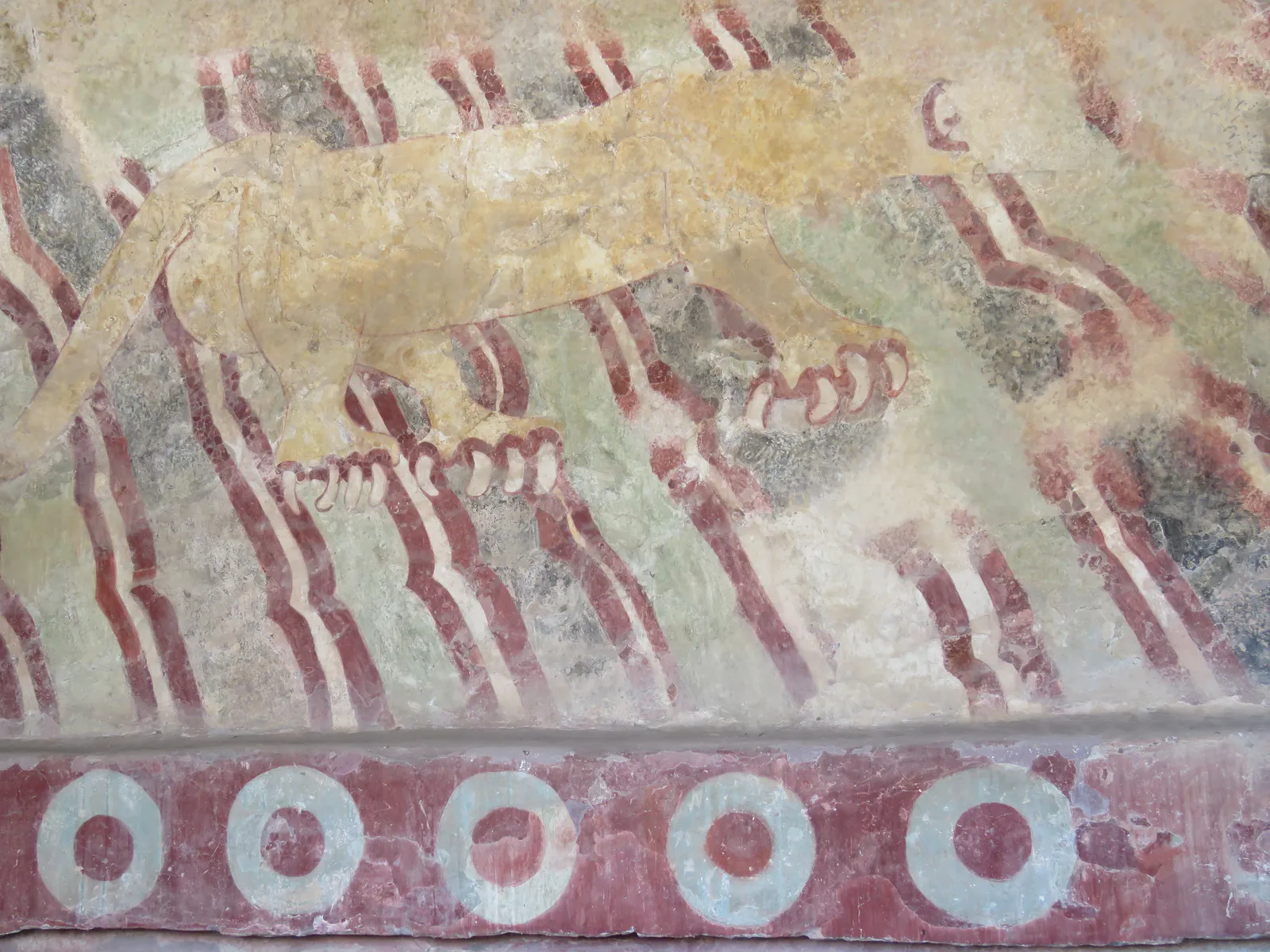
Feline Mural, Avenue of the Dead
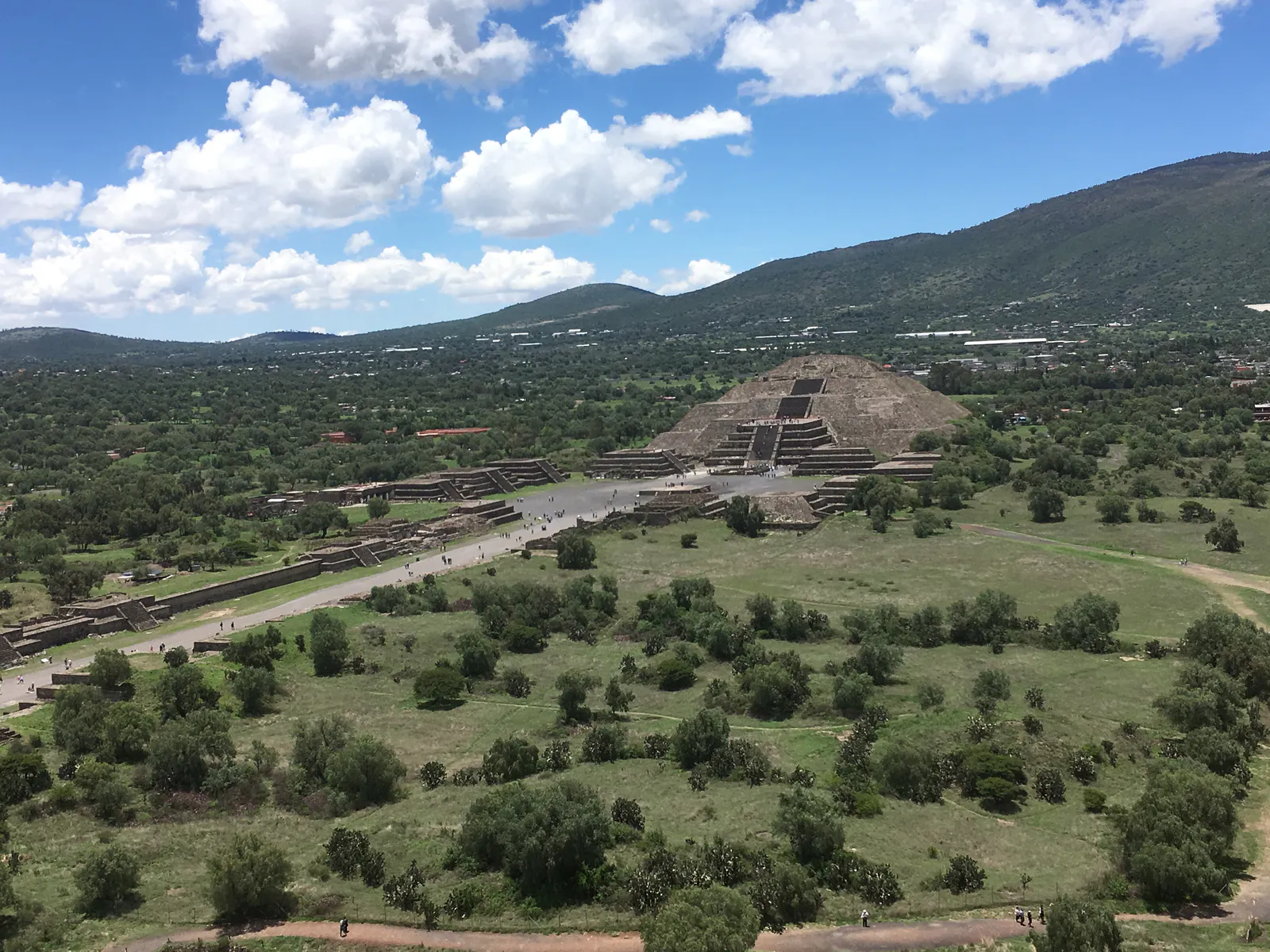
Pyramid of the Moon and the Sacred Axis
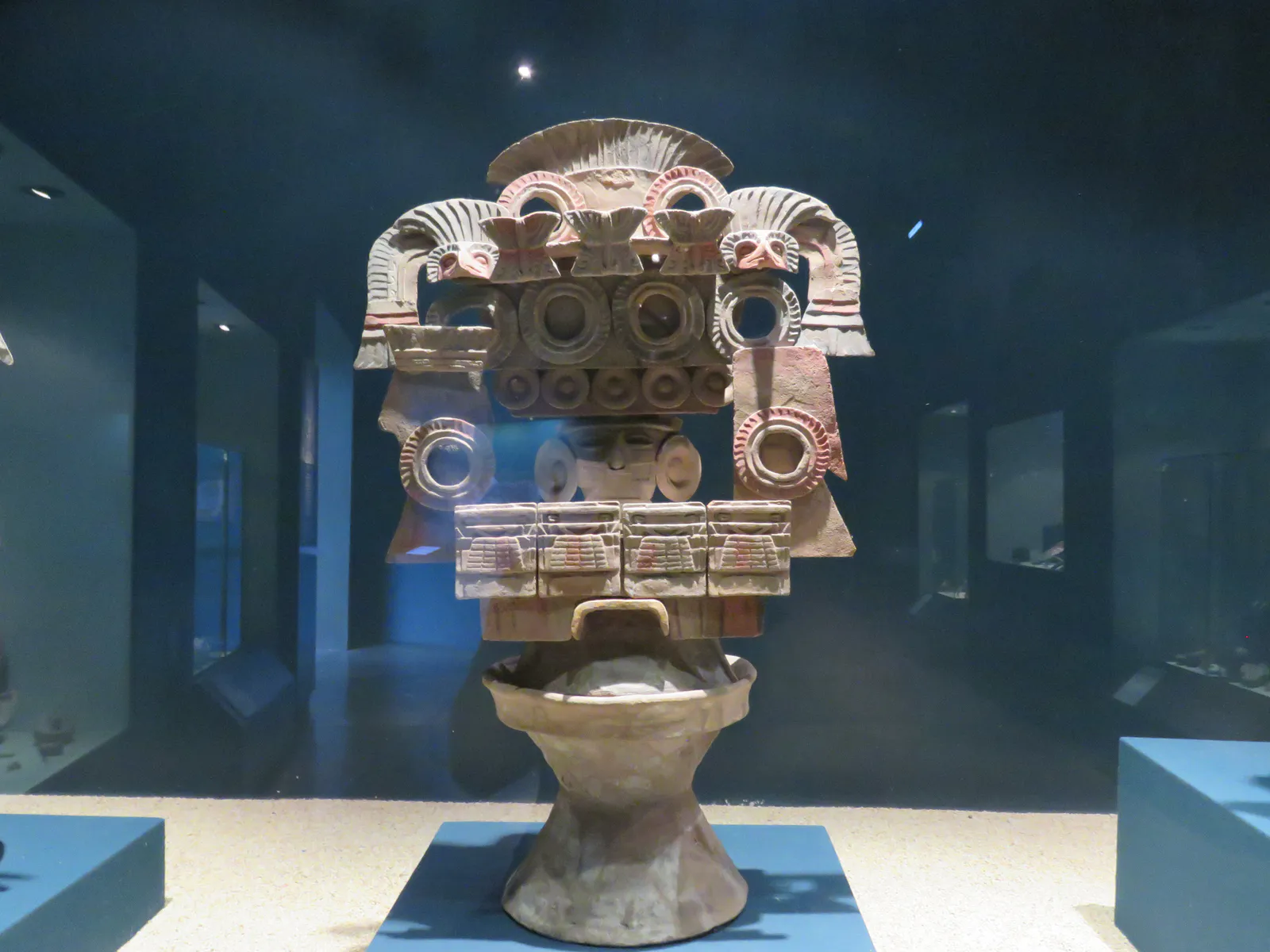
Incense Burner with Deity Mask
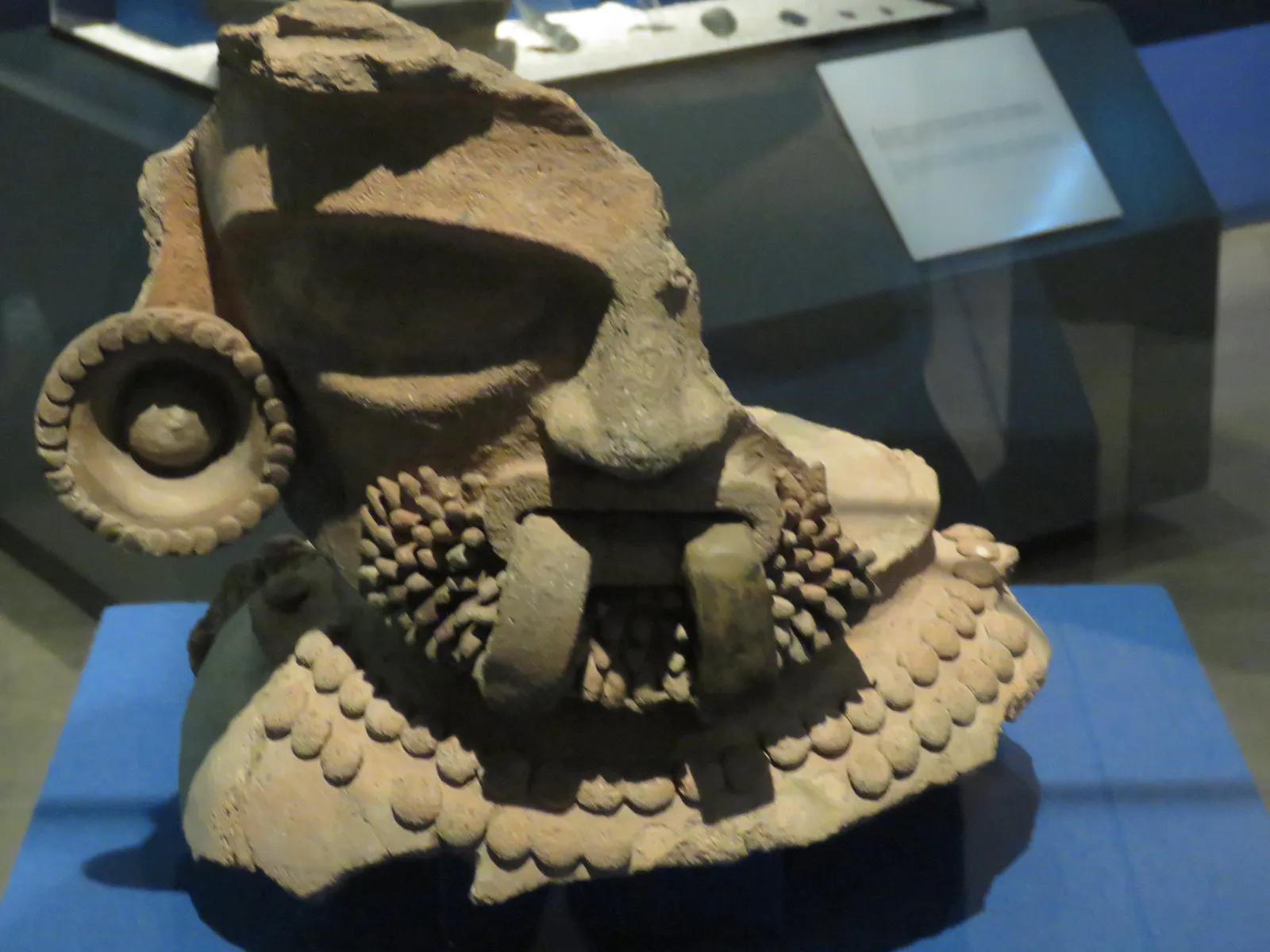
Fragment of a Teotihuacán Deity Mask
Teotihuacán
Teotihuacán rose in the Valley of Mexico in the 1st–6th cc AD as one of the ancient world’s largest planned cities, built on an uncompromising sacred axis. The Avenue of the Dead links the Pyramid of the Moon, the Pyramid of the Sun (c. 100), and the Ciudadela precinct with the Feathered Serpent temple (c. 250), turning urban space into choreography for ritual and state power. Murals and incense burners from 300–600 evoke a vivid pantheon in which storm, fertility, and warfare animated architecture. Later revered by the Aztecs, the ruins still embody a vision of cosmic order made monumental.
Explore by type and place
Advertising space