2024 © Maxim Tabachnik
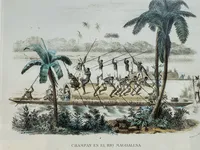
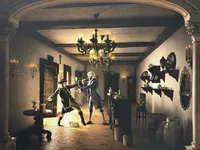
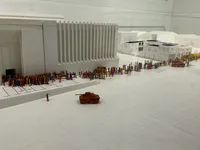
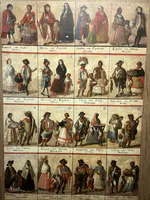 In 2017 Canon Colombia organised a National Photography Contest to mark Colombia’s National Photography Day, attracting 3,700 participants in several categories. As part of this initiative, historians, designers, and photographers collaborated to digitally reconstruct the scene of the July 20 uprising—an iconic episode in the country’s independence process—drawing on existing historical paintings. Their work demonstrates how contemporary visual techniques can reframe foundational events and invite new reflection on national memory.
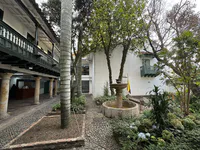
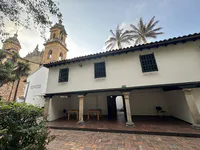 On 6 and 7 November 1985, during the military retaking of the Palace of Justice, this house served as an operations centre for the armed forces and state security services. People suspected of involvement in the siege were brought here, classified, interrogated, and tortured. Evidence of these events was deliberately concealed for many years. Later, exhaustive investigations by the international research group Forensic Architecture and the Colombian Truth Commission produced key findings, presented in the exhibition Huellas de desaparición in 2021.
The Museo de la Independencia – Casa del Florero now uses these results to help clarify what happened during the siege and recapture, and to redefine the house as a place of memory. It honours the victims, promotes the defence of human rights, and advocates non-repetition of state violence. The museum also serves as a space for dialogue with victims’ families, who participate in activities of remembrance and reparation, integrating personal testimonies into the broader historical narrative.
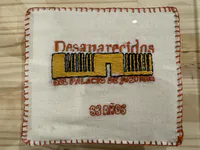
 Research by Forensic Architecture and the Truth Commission reconstructed what occurred inside this building by analysing testimonies from judicial officials, visitors, magistrates, cleaning staff, journalists, relatives of victims, and military personnel. The ground floor was used for initial interrogations and for registering and identifying detainees, functioning as a counter-insurgency screening space. The staircase to the upper floor marked a physical separation between special detainees and the rest. On the second floor, suspects were interrogated in groups in several rooms and in the interior balcony.
By synchronising hours of video and photographic records, architectural models reveal the infrastructure and logistics of forced disappearance organised by state agents. They show how the rooms of the Casa del Florero, military facilities at the Cantón Norte, and other spaces were used within this system. The reconstructions follow the trajectories of those labelled specials—workers from the court cafeteria, students, visitors, guerrillas, and judges—from their first appearance on camera, through detention, to the moment of their last recorded sighting. In doing so, they expose the mechanisms by which these people were led towards death or forced disappearance, and underline the need for truth, remembrance, and justice.
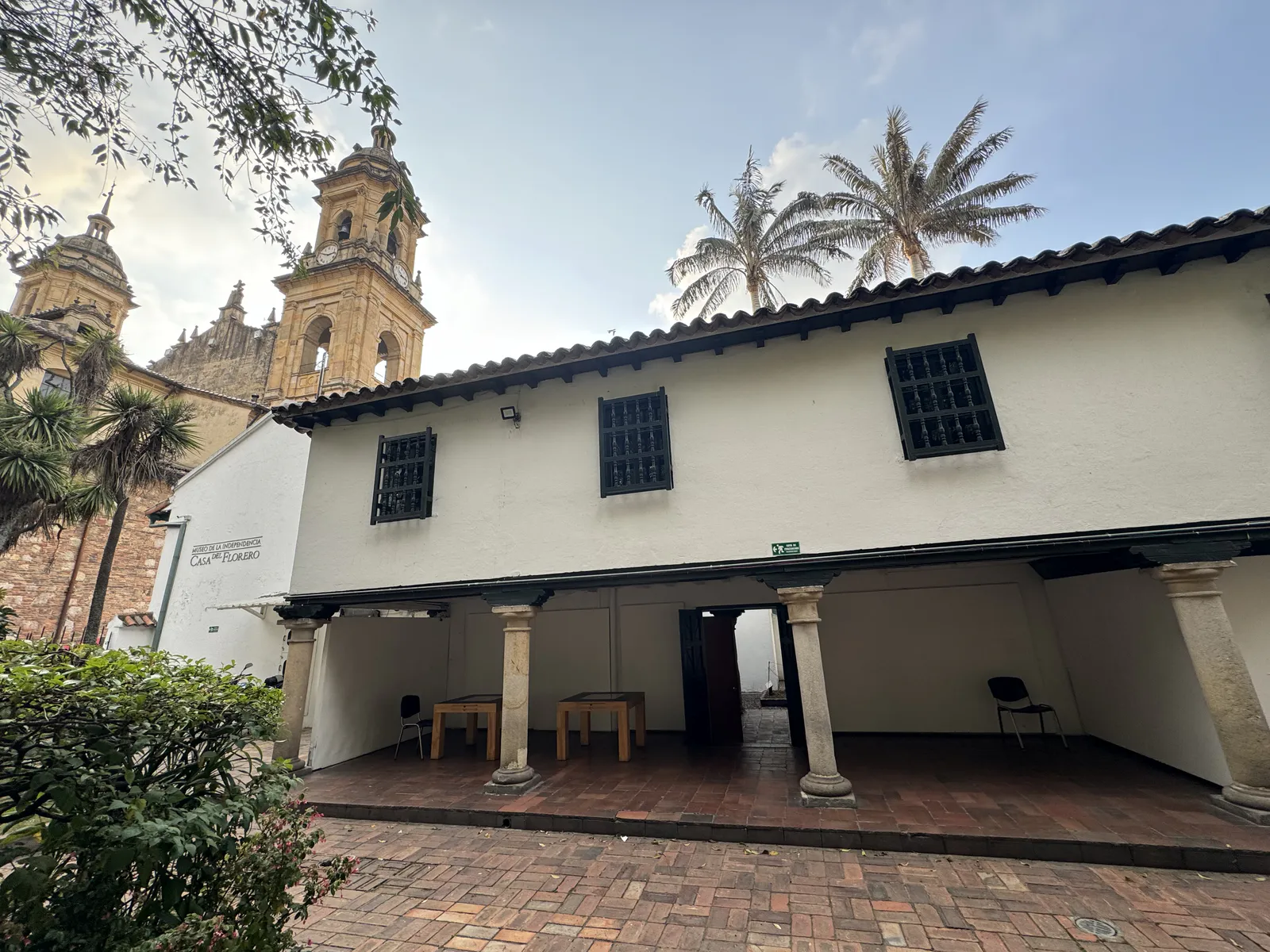
Casa del Florero
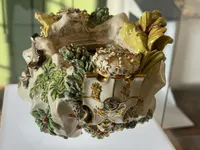
This colonial-era house in Bogotá became the symbolic birthplace of Colombian independence. On July 20, 1810, it was the site of the planned altercation over a vase that triggered mass protests. Known today as Casa del Florero, the building stands beside the cathedral, linking architecture with national memory and the political awakening of New Granada.
Explore by type and place