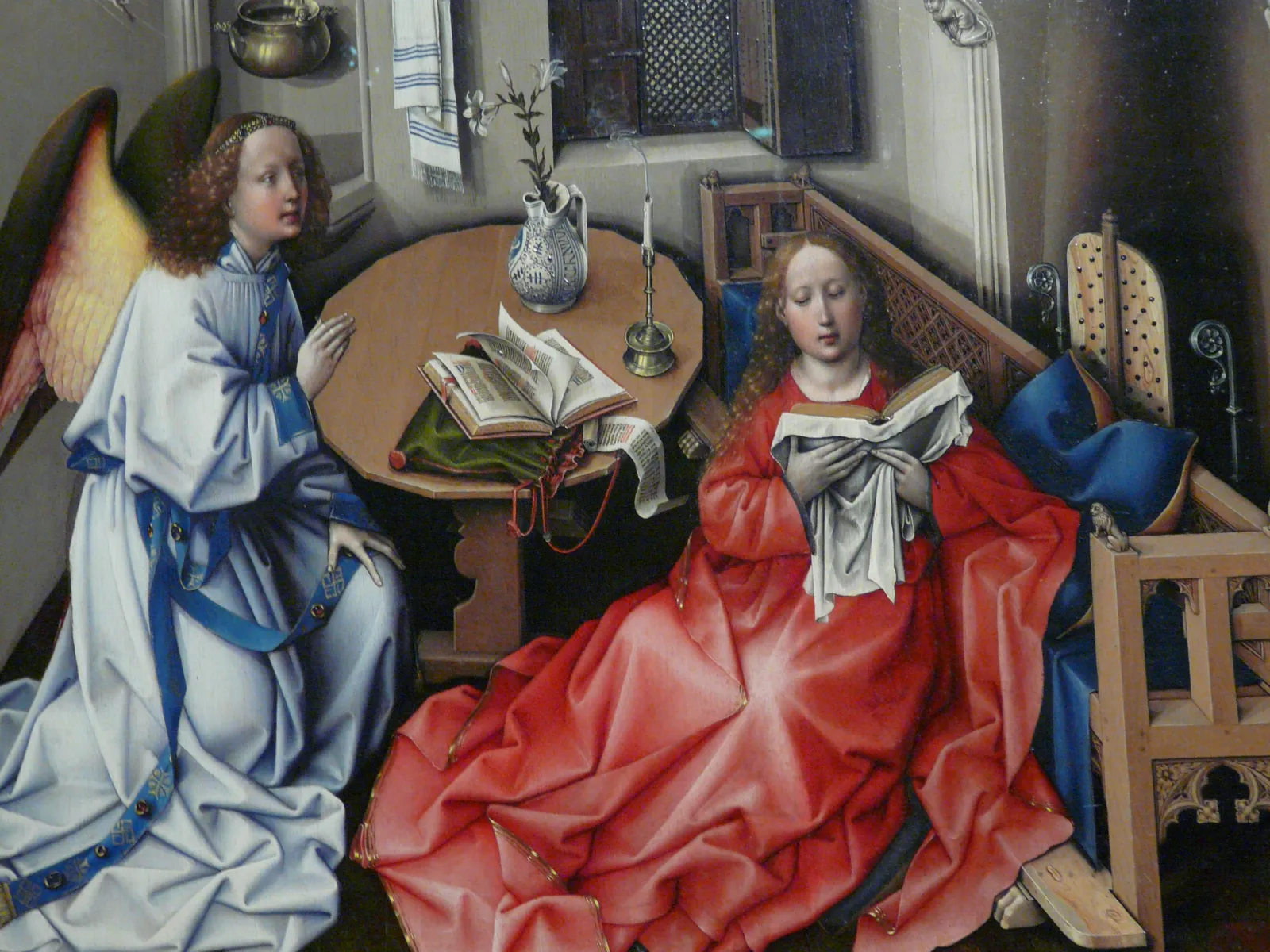
Central Panel of the Mérode Altarpiece
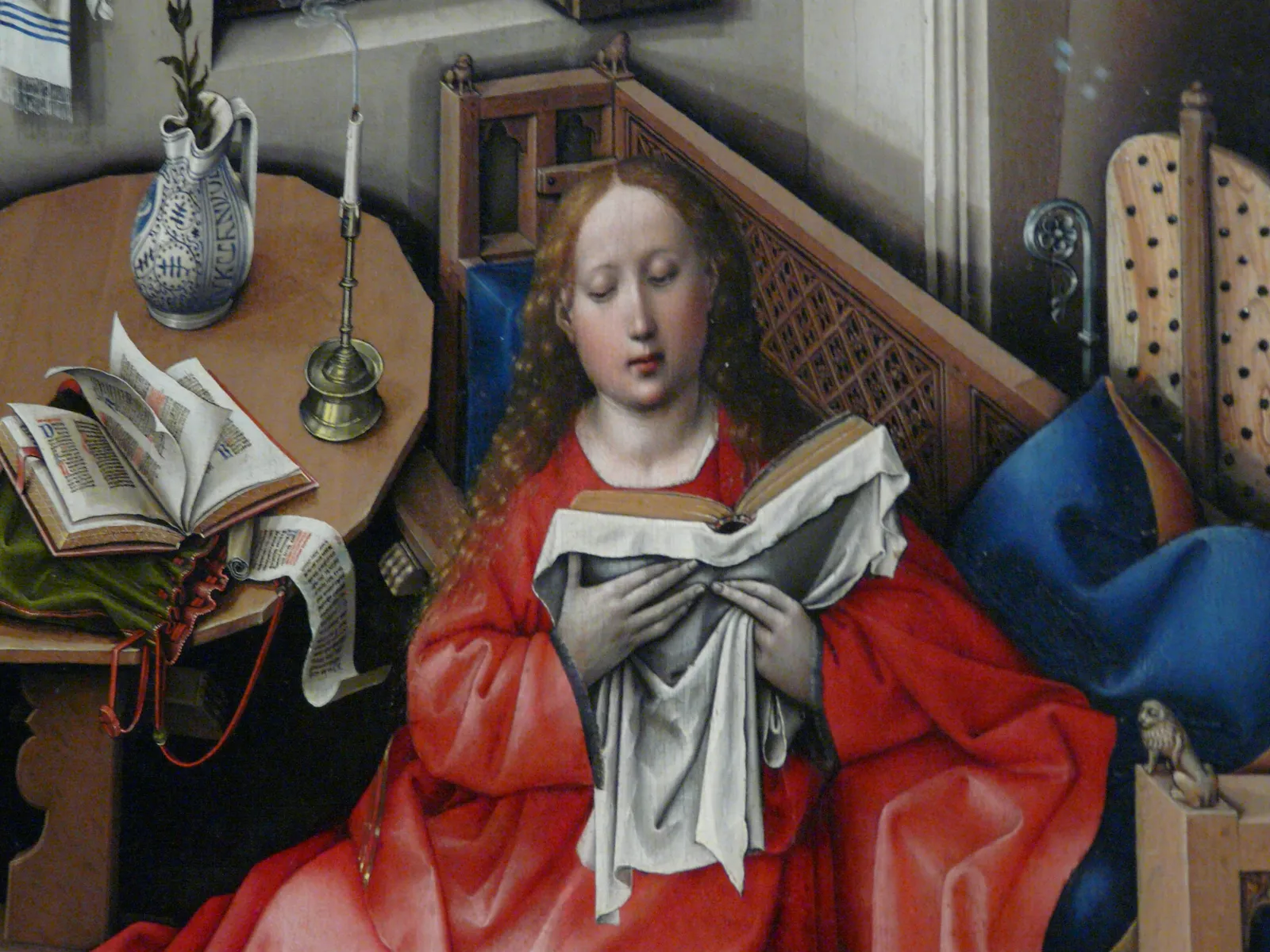
Central Panel of the Mérode Altarpiece

Central Panel of Mérode Altarpiece
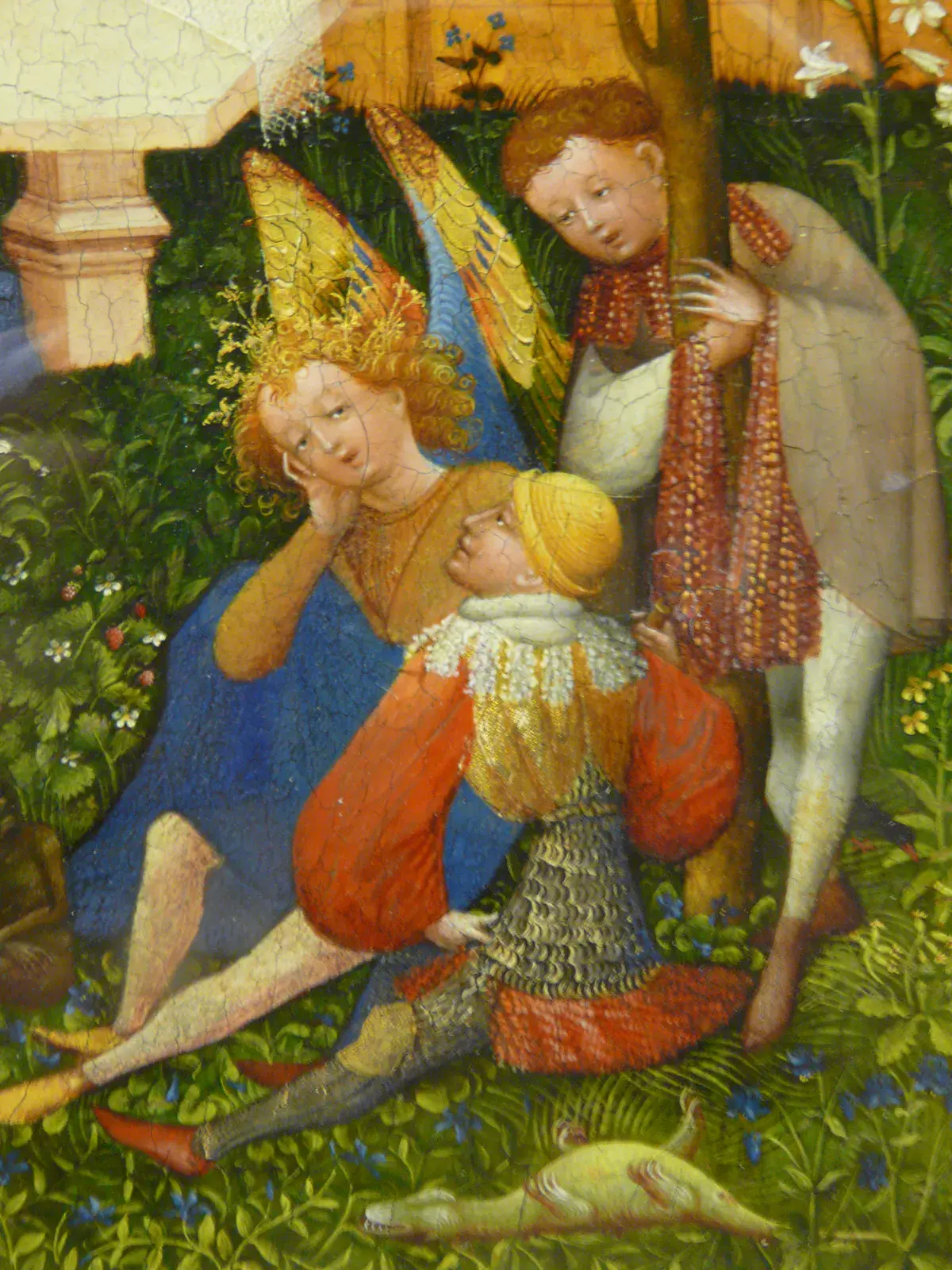
Little Garden of Paradise
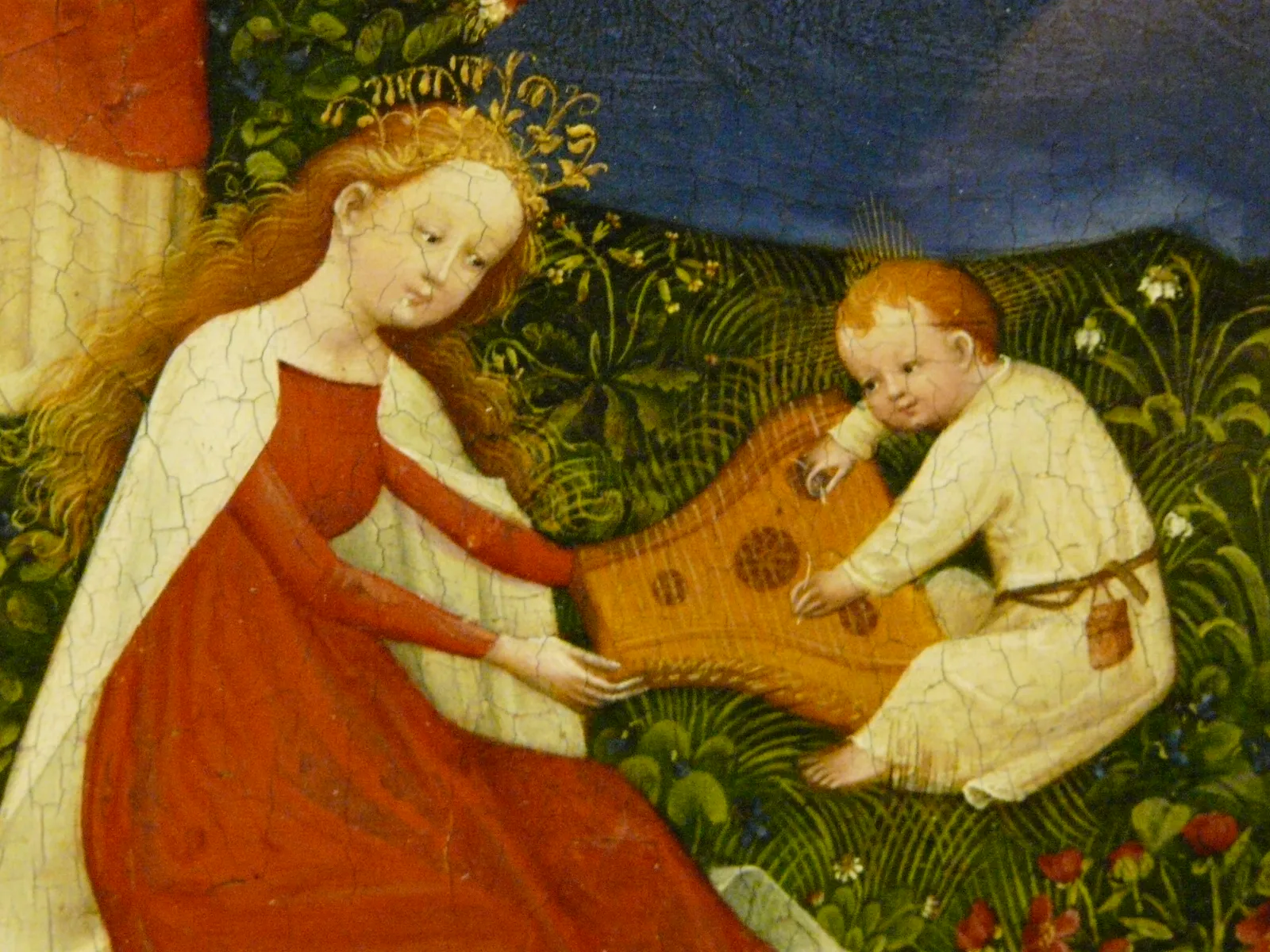
Little Garden of Paradise
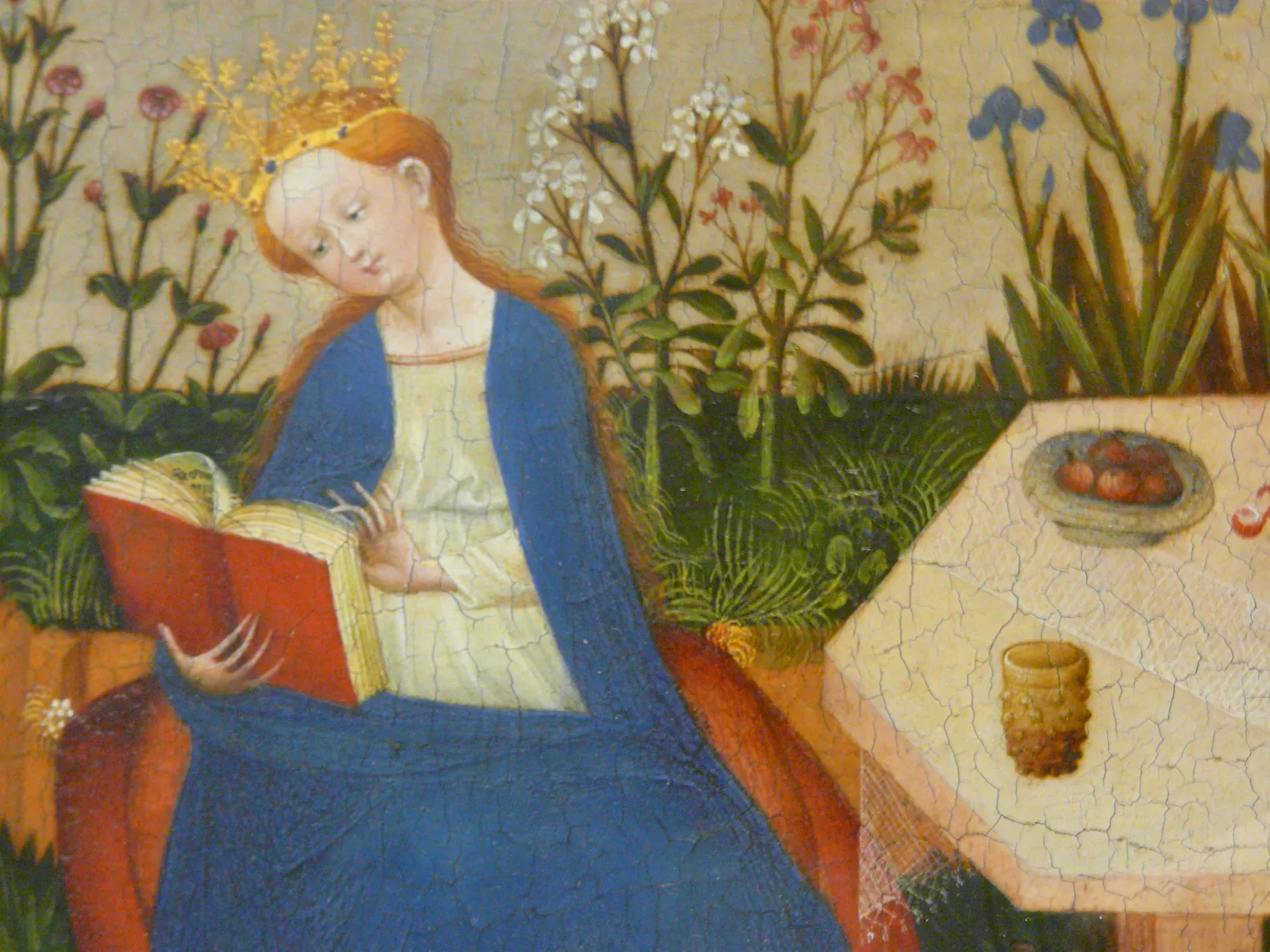
Little Garden of Paradise Painting
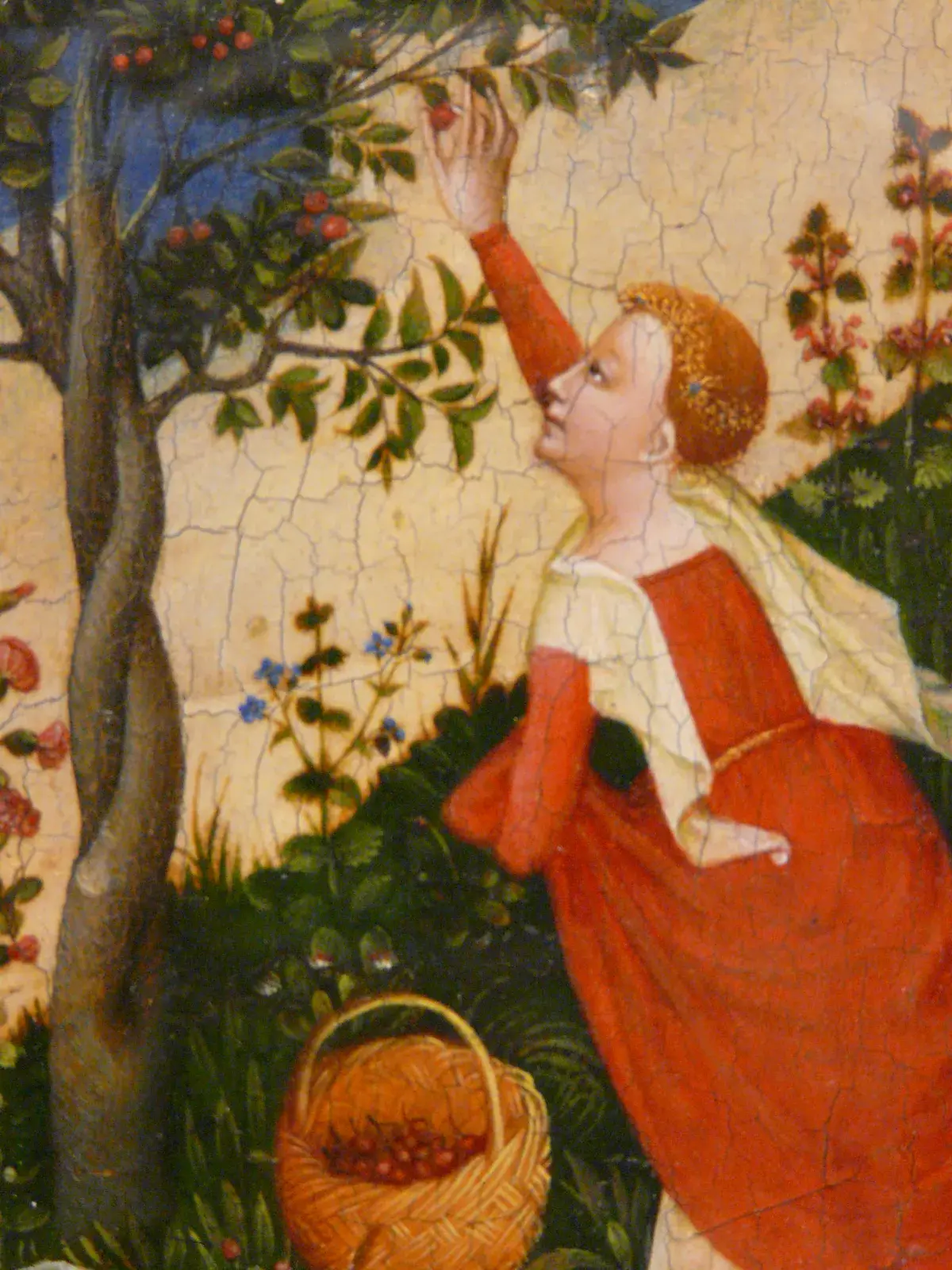
Little Garden of Paradise

Little Garden of Paradise
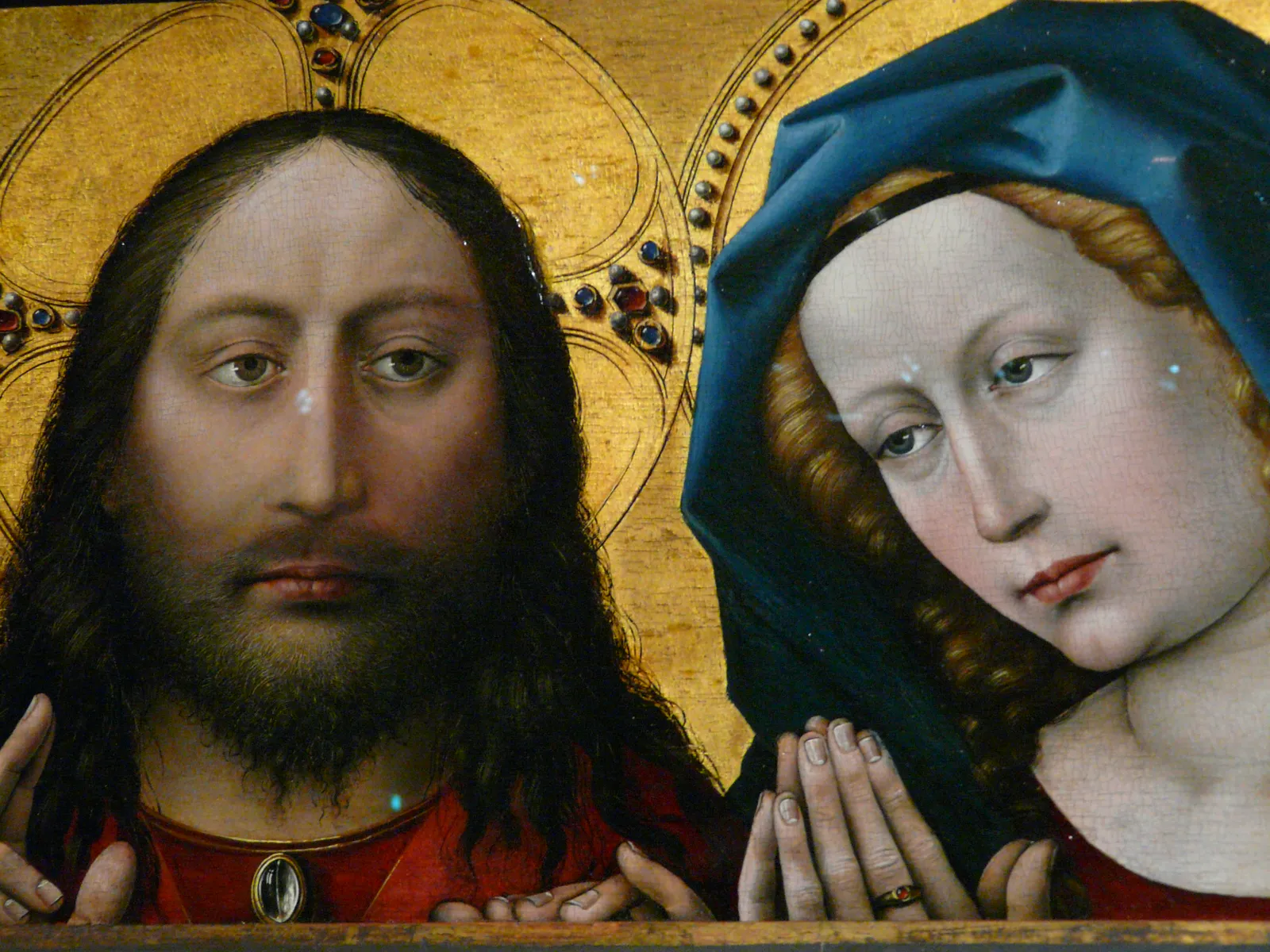
Christ Blessing with Virgin at Prayer
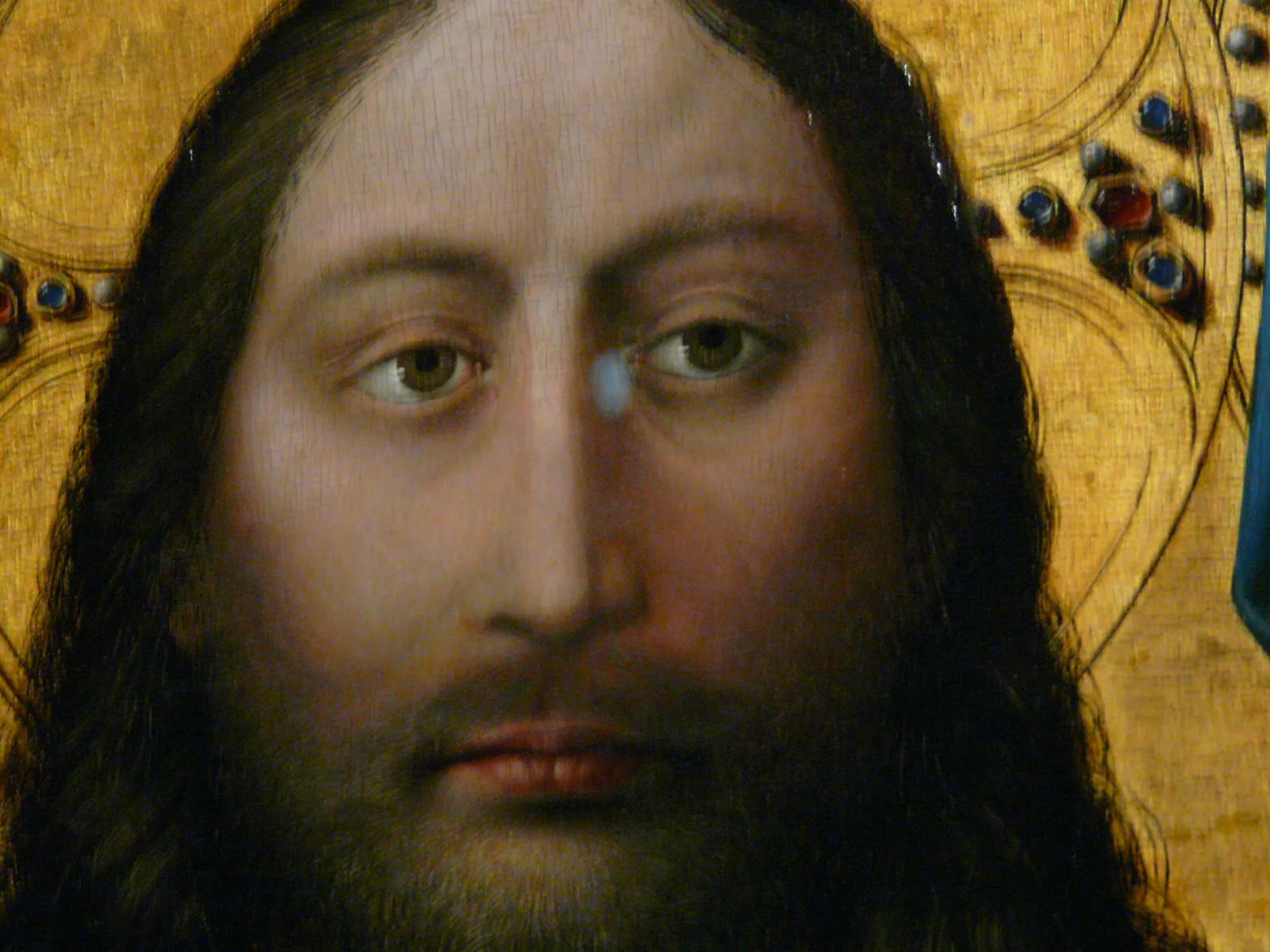
Christ Blessing with Virgin at Prayer
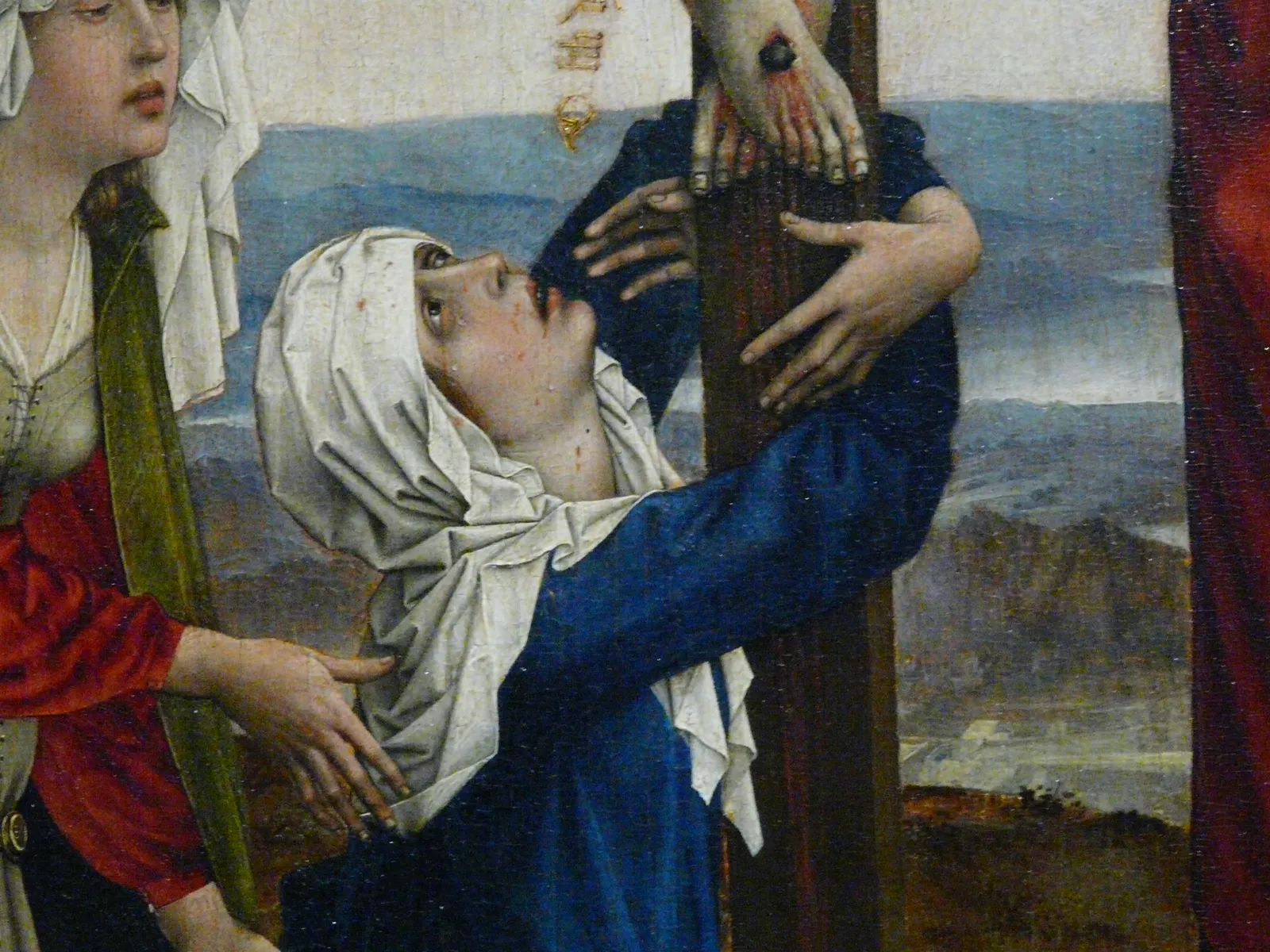
Crucifixion Triptych
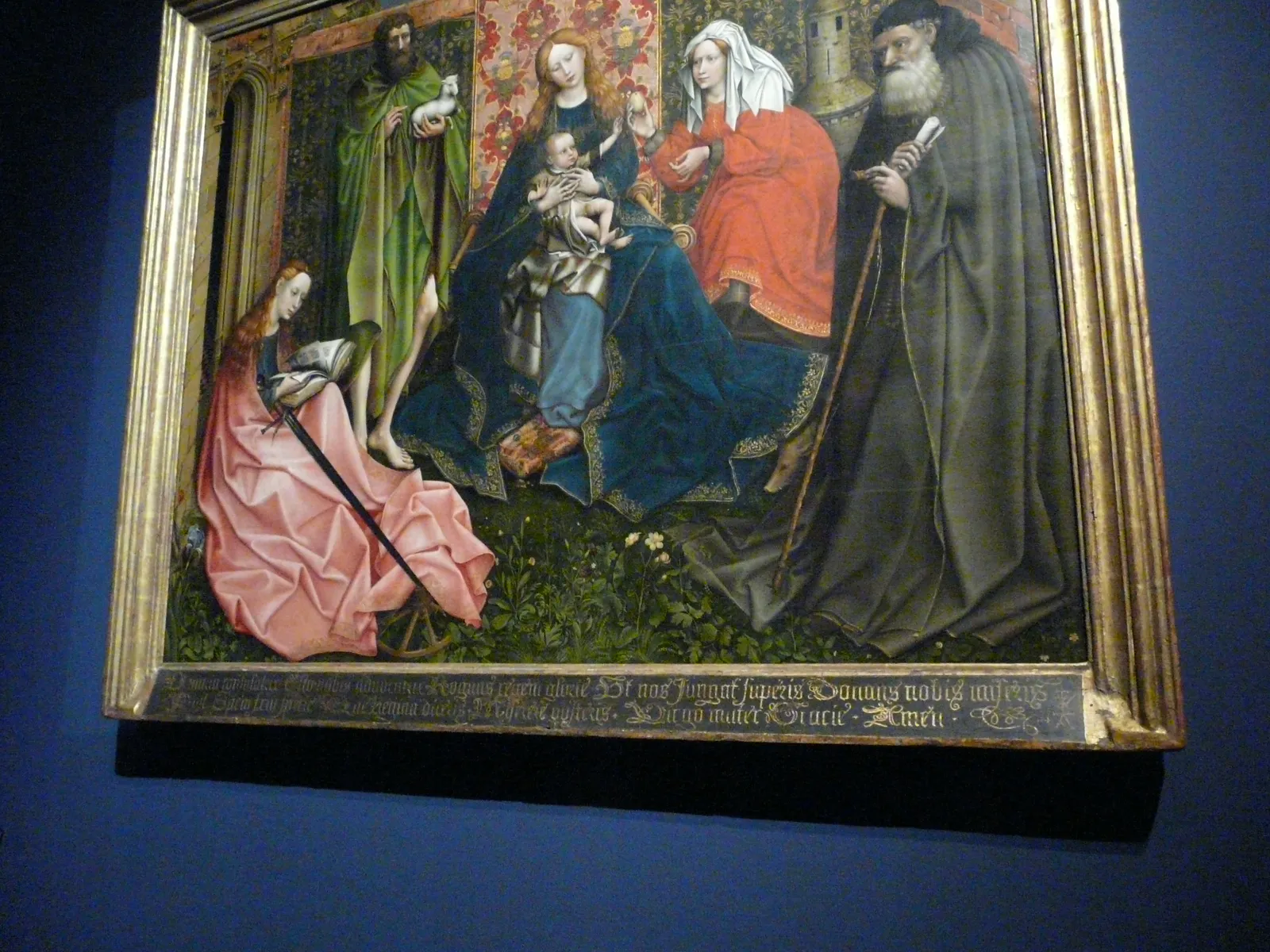
Virgin and Child with Saints
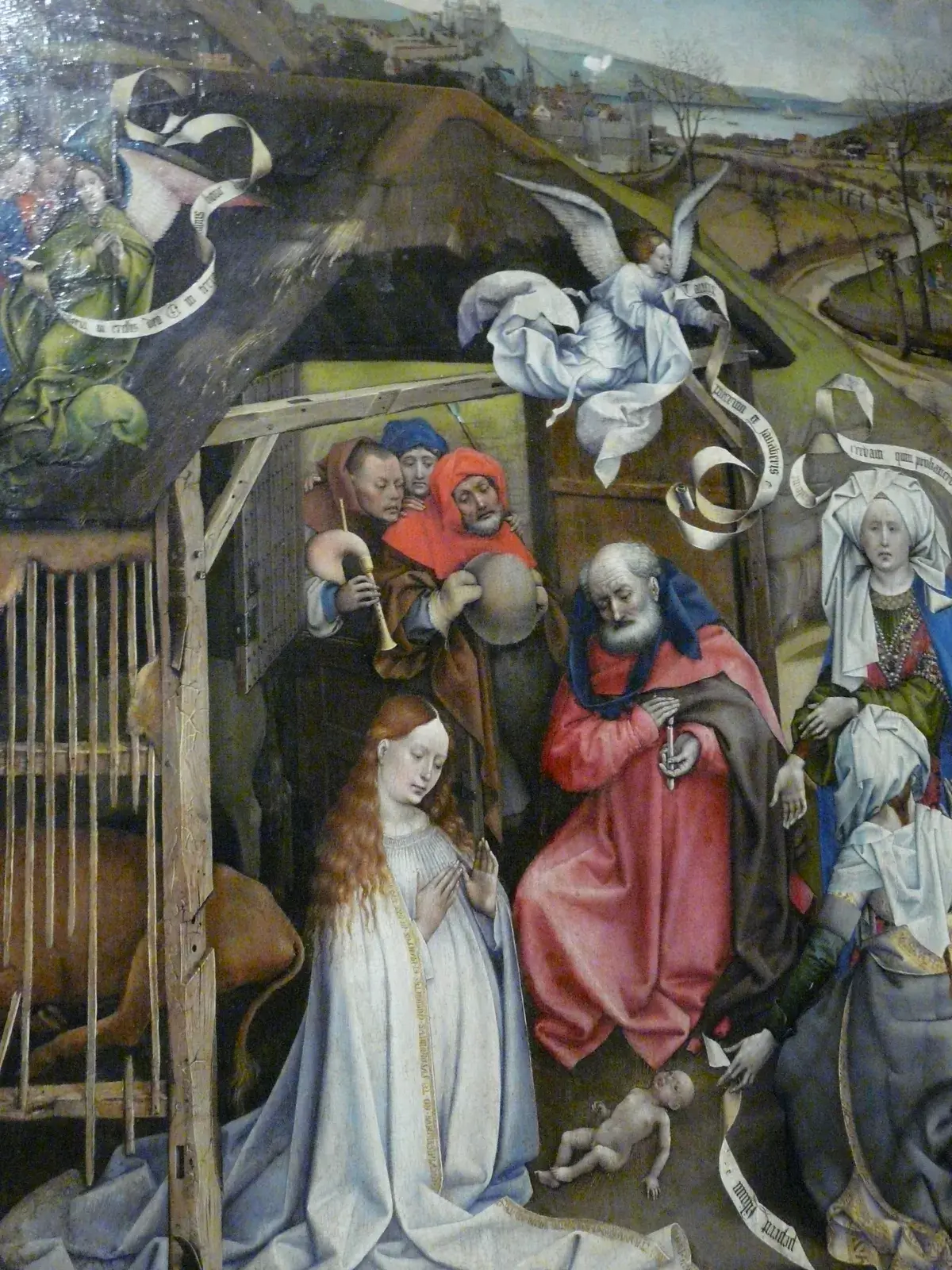
The Nativity by Master of Flémalle
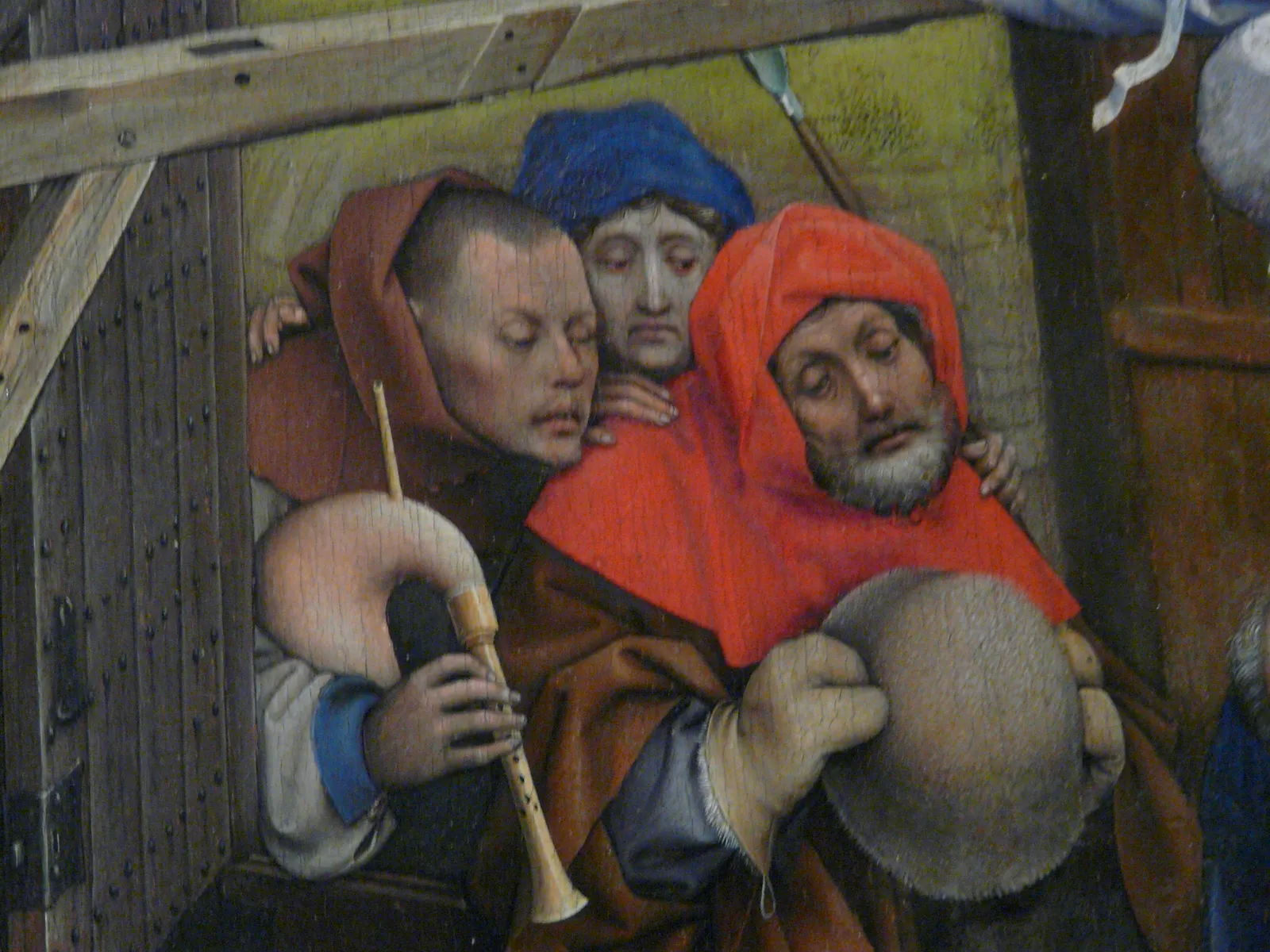
Adoration of the Shepherds
Städel Museum
Frankfurt (first mentioned on 22 February 794) is often perceived as Germany’s pragmatic powerhouse—more skyline than postcard, yet quietly confident in its civic culture. Arriving, you feel a city built on circulation: glass towers and transport nodes, the river’s steady line, and a street life that reads as purposeful rather than performative. Even where reconstruction has smoothed over older textures, the atmosphere stays lucid and international, with an institutional seriousness that shapes how the city presents itself.
Long a free imperial city and later a commercial center, Frankfurt learned to live by negotiation and trust, habits that survived wartime destruction and postwar rebuilding. Finance and trade fairs dominate its global image, but daily life is also anchored by universities, publishing, and a diverse population that keeps the city outward-looking. Along the Museumsufer, the Staedel Museum (founded in 1815) offers a measured counterweight to the banking district, where early Netherlandish intimacy and later modern unease sit side by side—an apt mirror of Frankfurt’s restraint, tradition, and cosmopolitan ambition.
Long a free imperial city and later a commercial center, Frankfurt learned to live by negotiation and trust, habits that survived wartime destruction and postwar rebuilding. Finance and trade fairs dominate its global image, but daily life is also anchored by universities, publishing, and a diverse population that keeps the city outward-looking. Along the Museumsufer, the Staedel Museum (founded in 1815) offers a measured counterweight to the banking district, where early Netherlandish intimacy and later modern unease sit side by side—an apt mirror of Frankfurt’s restraint, tradition, and cosmopolitan ambition.
Explore by type and place