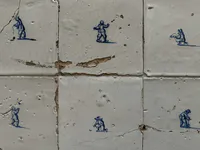
Delft Tiles.
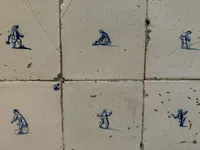
Delft Tiles with Children at Play
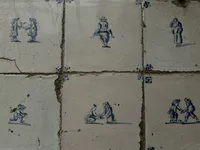
Delft Tiles with Children’s Games
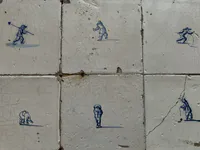
Delft Tiles with Children’s Games
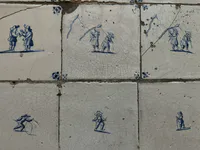
Children at Play on Delft Tiles
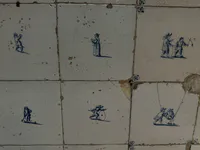
17th-Century Delft Tiles with Children
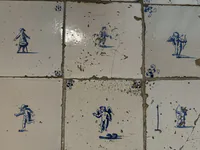
Delft Tiles with Cherubs and Children
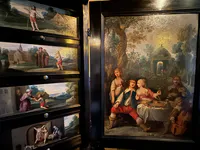
Dutch Cabinet with Prodigal Son Scenes
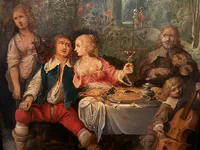
The Prodigal Son Indulging in Excess
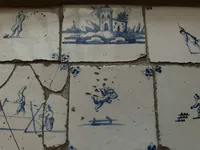
17th Century Delft Tiles with Cupid
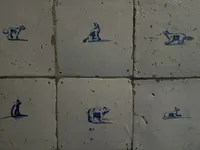
17th-Century Delft Animal Tiles
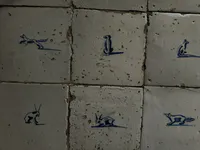
17th-Century Delft Animal Tiles
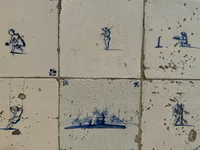
Delft Tiles with Rural Scenes and Games
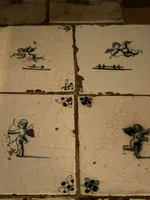
Delft Tiles with Cherubs and Cupids

The Return of the Prodigal Son
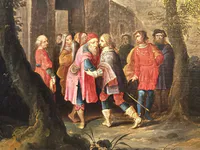
The Prodigal Son’s Departure
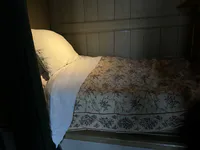
17th-Century Dutch Box Bed
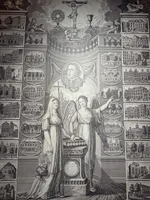
Engraving of Amsterdam’s Hidden Churches
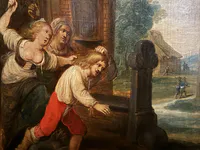
Expulsion of the Prodigal Son
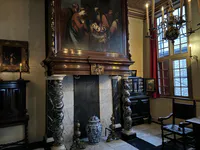
17th-Century Collector’s Room Interior
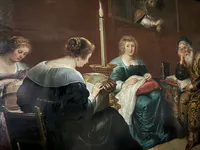
The Charity of Saint Nicholas
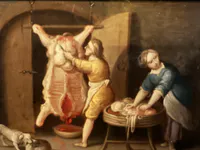
The Prodigal Son Parable Panel
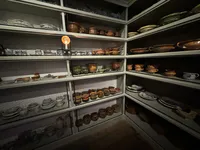
Pottery Collected in the Cesspit
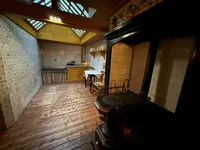
Kitchen of Museum Ons Lieve Heer op Solder
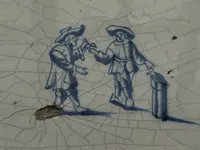
Delft Tile with Men Clinking Glasses
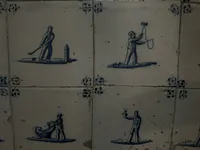
17th Century Delft Winter Tiles
Our Lord in the Attic MuseumOns' Lieve Heer op Solder
Our Lord in the Attic Museum preserves one of Amsterdam’s most eloquent schuilkerk (hidden church) stories: a Catholic sanctuary built in 1661–63 atop a 17th c. canal house, when public worship was barred. Reached through tight domestic rooms lined with Delft tiles and everyday objects, the attic church opens suddenly into a richly painted space where faith endured in private. Opened as a museum in 1888, it remains a lucid reminder of Dutch Golden Age pragmatism, devotion, and negotiated tolerance.
Explore by type and place